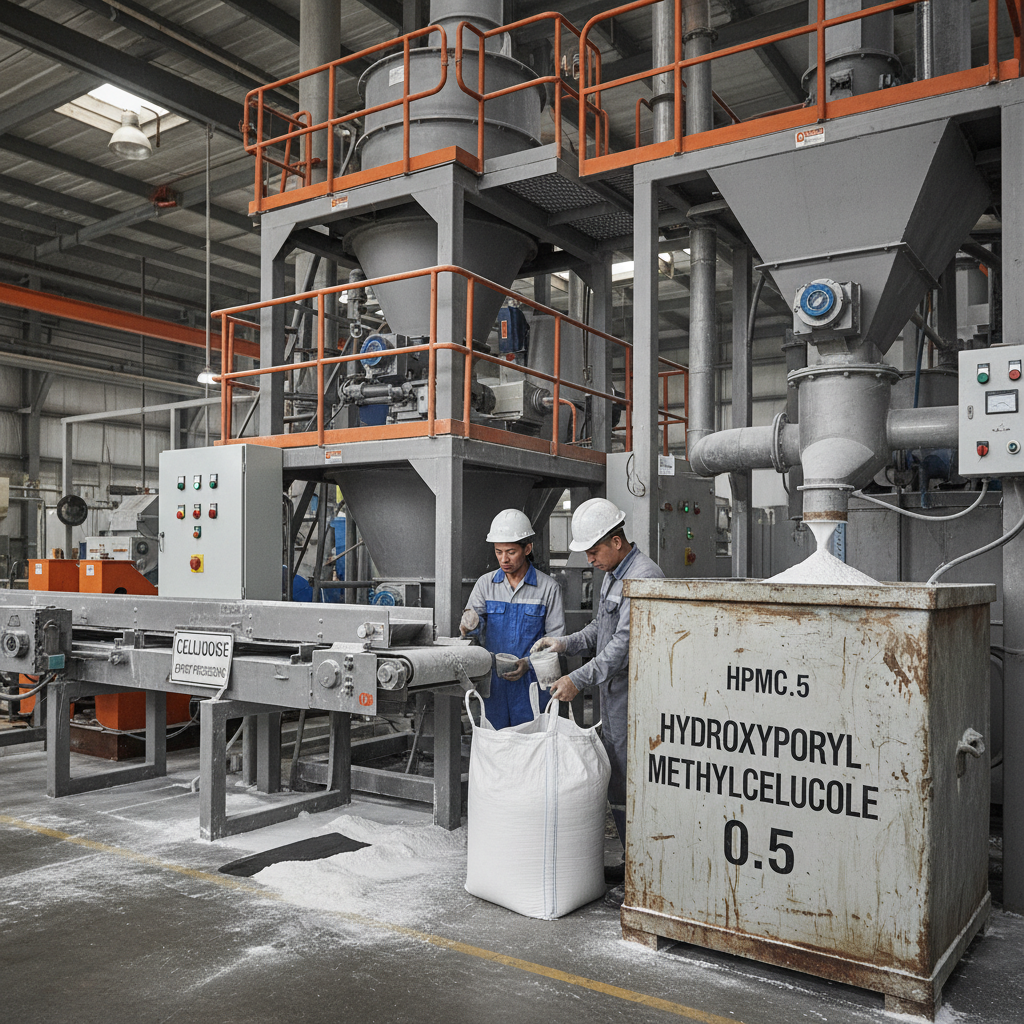
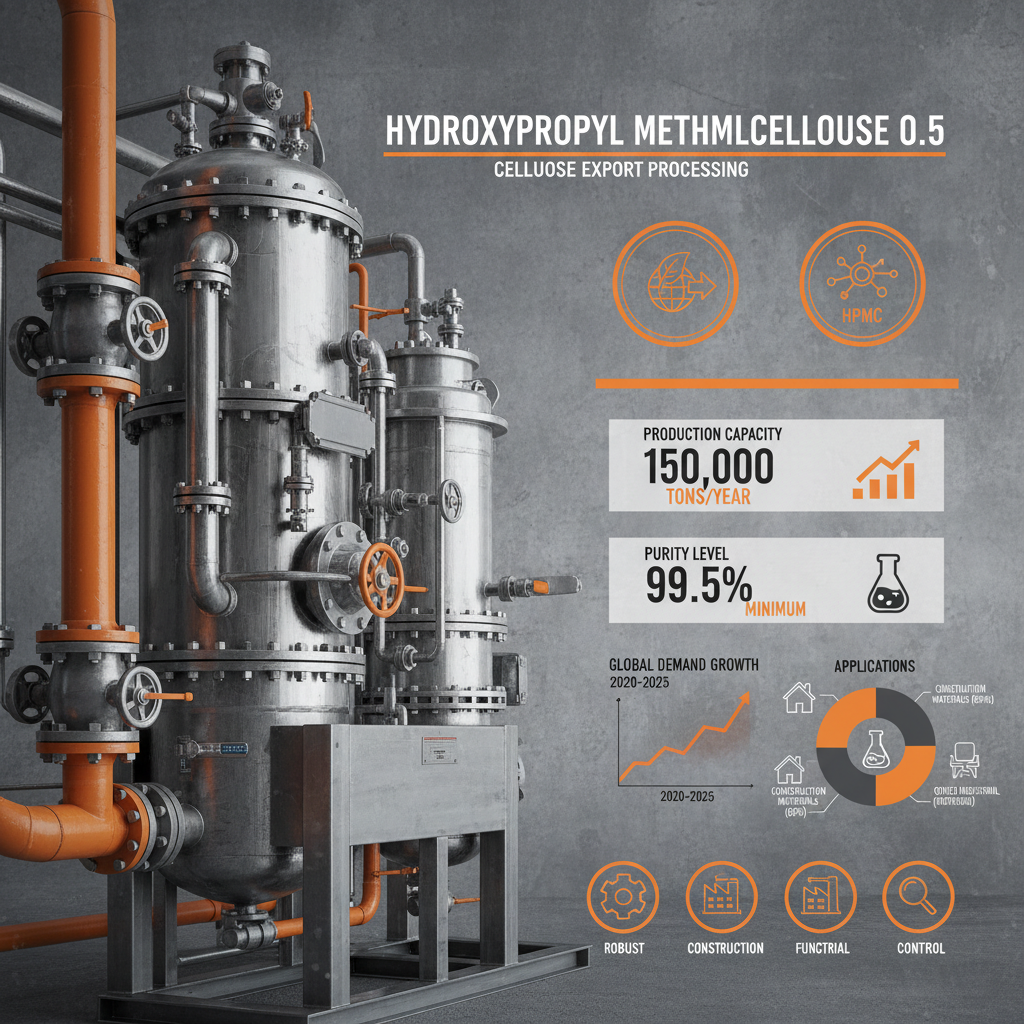
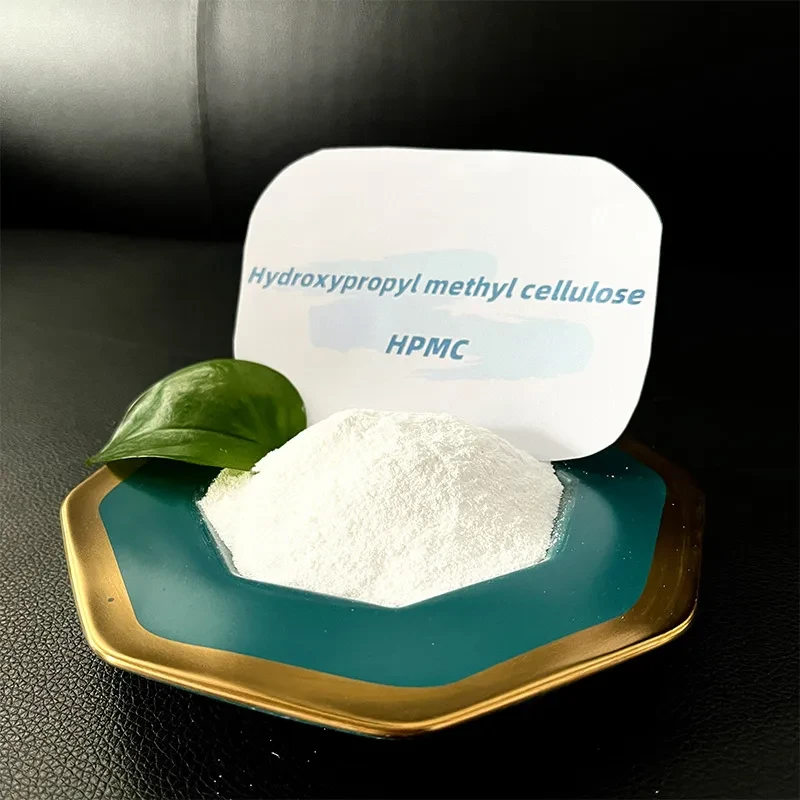
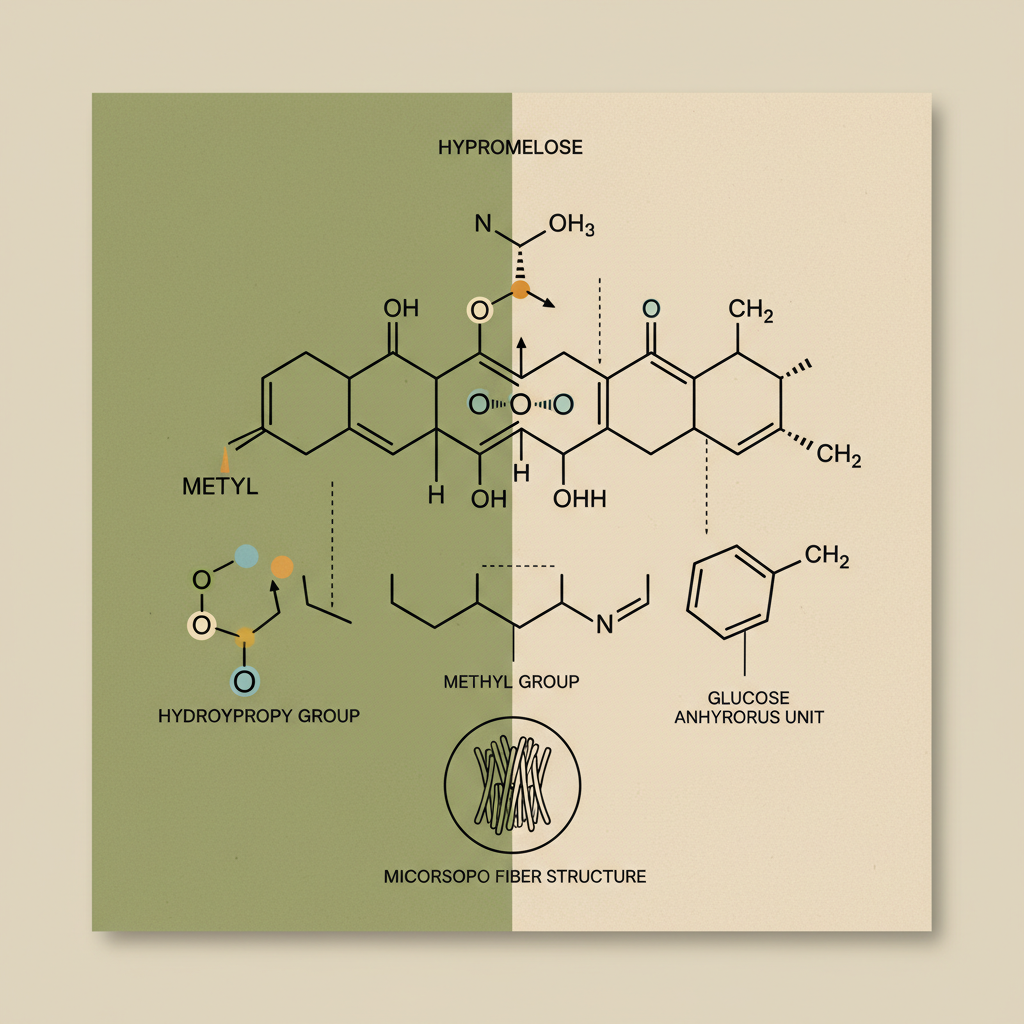
In the demanding world of modern construction and chemical additives, hydroxypropyl methylcellulose 0.5 stands as a pivotal polymer that ensures the stability and workability of diverse building materials. By acting as a high-performance thickener and water-retention agent, it solves the critical issue of premature drying in cementitious mixtures, allowing for a smoother application and a more durable finish.
The global shift toward sustainable urban development has amplified the need for precision-engineered additives like hydroxypropyl methylcellulose 0.5. As construction projects move toward larger scales and more complex architectures, the ability to control the rheology of mortars and adhesives becomes not just a preference, but a technical requirement to prevent shrinkage cracks and ensure structural integrity.
Understanding the nuances of this specific grade of HPMC allows manufacturers to optimize their formulations for specific environmental conditions. Whether it is enhancing the open time of a tile adhesive or improving the consistency of a gypsum-based plaster, hydroxypropyl methylcellulose 0.5 provides the chemical balance necessary to bridge the gap between raw material efficiency and high-end commercial performance.
Global Industry Context of hydroxypropyl methylcellulose 0.5
The global construction chemical market has seen a significant surge in the demand for specialized cellulose ethers, with hydroxypropyl methylcellulose 0.5 emerging as a key component. According to industry trends aligned with ISO standards for building materials, the move toward "green building" has forced a transition away from synthetic polymers toward bio-derived additives that offer superior water retention and environmental compatibility.
In regions experiencing rapid urbanization, such as Southeast Asia and the Middle East, the challenge of high-temperature application often leads to rapid water evaporation from mortar. The integration of hydroxypropyl methylcellulose 0.5 addresses this by stabilizing the water-cement ratio, ensuring that the hydration process is complete and reducing the risk of structural failure.
Defining hydroxypropyl methylcellulose 0.5 in Modern Chemistry
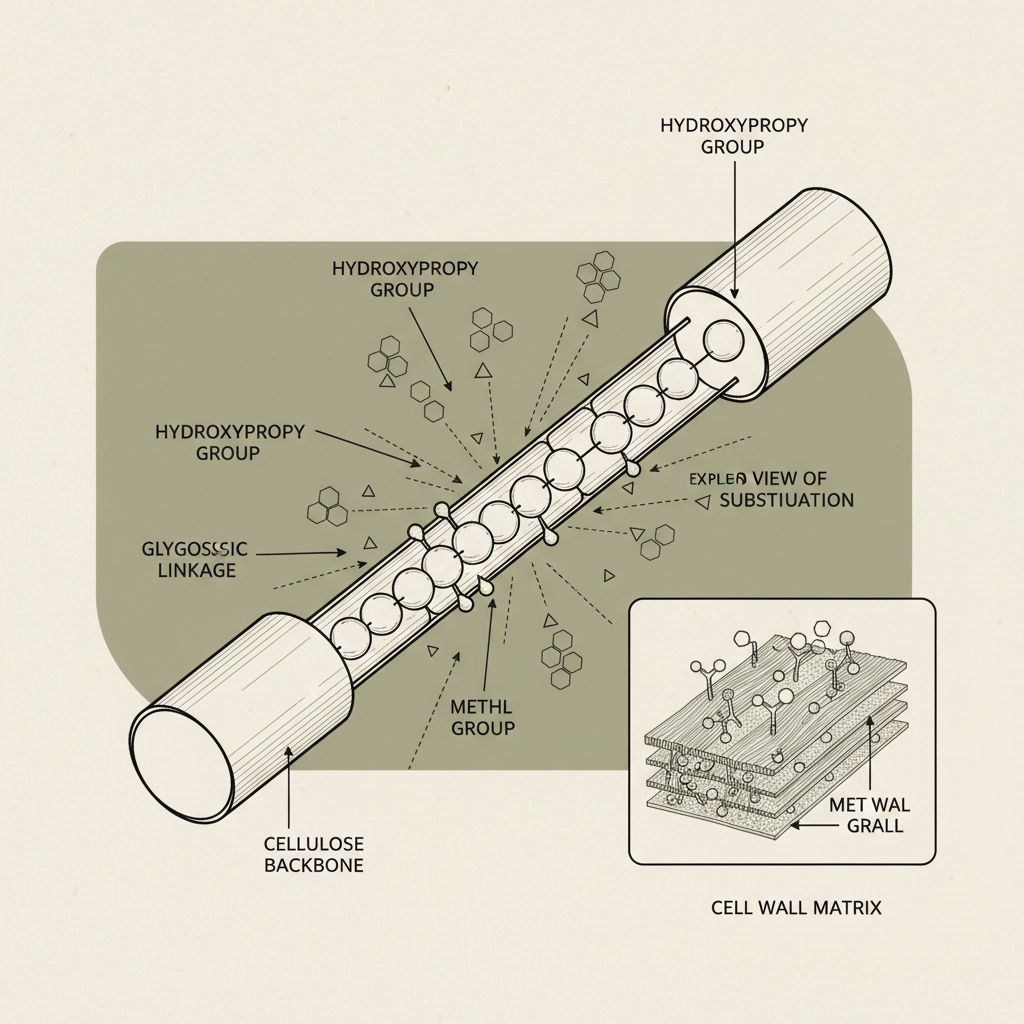
At its core, hydroxypropyl methylcellulose 0.5 is a non-ionic cellulose ether produced through the chemical modification of natural cellulose. The "0.5" designation typically refers to specific viscosity grades or substitution levels that dictate how the polymer interacts with water and other additives in a dry-mix mortar environment.
Unlike standard thickeners, this material creates a sophisticated gel network that holds water molecules in place, preventing them from being absorbed too quickly by the substrate. This mechanism is essential for modern humanitarian needs, such as the rapid construction of affordable housing and disaster-relief shelters, where material efficiency and ease of application are paramount.
By balancing hydrophobicity and hydrophilicity, hydroxypropyl methylcellulose 0.5 ensures that the final product—be it a tile adhesive or a wall putty—maintains a creamy consistency that is easy for workers to spread, thereby reducing labor costs and improving the overall quality of the build.
Core Technical Factors of hydroxypropyl methylcellulose 0.5
One of the most critical factors of hydroxypropyl methylcellulose 0.5 is its superior water retention capability. This allows the mortar to remain workable for longer periods, which is especially vital in arid climates where the sun can strip moisture from a wall in minutes, leading to catastrophic shrinkage.
Another essential attribute is the rheology modification provided by hydroxypropyl methylcellulose 0.5. It prevents the segregation of aggregates in the mix, ensuring that the sand and cement remain homogeneously distributed, which translates to a uniform strength profile across the entire surface of the application.
Cost efficiency and scalability also play a major role. Because hydroxypropyl methylcellulose 0.5 is effective at low dosages, it allows manufacturers to achieve high-performance results without significantly increasing the cost per bag, making it a scalable solution for massive infrastructure projects.
Performance Metrics of hydroxypropyl methylcellulose 0.5
When evaluating the efficacy of hydroxypropyl methylcellulose 0.5, engineers focus on the synergy between viscosity and open time. A well-formulated mix using this additive ensures that the adhesive does not "skin over" too quickly, giving the installer enough time to adjust tiles or blocks for a perfect alignment.
Furthermore, the interaction between this cellulose ether and other components like Redispersible Polymer Powder (VAE) creates a reinforced matrix. This synergy enhances the flexural strength of the mortar, allowing it to withstand the natural thermal expansion and contraction of buildings without cracking.
Comparative Performance of hydroxypropyl methylcellulose 0.5 Variants
Global Applications of hydroxypropyl methylcellulose 0.5
In real-world contexts, hydroxypropyl methylcellulose 0.5 is indispensable in the production of EIFS (External Insulation and Finish Systems). By providing the necessary slip-resistance, it allows heavy insulation boards to be adhered to vertical walls without sliding, which is a critical safety and quality requirement in European and North American construction.
Beyond traditional building, this additive is utilized in remote industrial zones for the creation of self-leveling compounds. In areas where precision flooring is required for heavy machinery, hydroxypropyl methylcellulose 0.5 ensures the mixture flows evenly and sets without surface voids, providing a rock-solid foundation.
Long-Term Value and Sustainability of hydroxypropyl methylcellulose 0.5
The long-term value of hydroxypropyl methylcellulose 0.5 extends beyond the immediate construction phase. By preventing cracks and ensuring a full bond between materials, it significantly increases the lifespan of the structure, reducing the frequency of costly repairs and the amount of waste generated by premature failure.
From a sustainability perspective, the use of cellulose-based additives is a major win for the environment. Since hydroxypropyl methylcellulose 0.5 is derived from renewable plant sources, it helps lower the overall carbon footprint of the chemical additive industry compared to fully synthetic petroleum-based polymers.
Moreover, the increased efficiency in water use—thanks to the water-retention properties of hydroxypropyl methylcellulose 0.5—means that less water is wasted during the mixing and application process, aligning with global goals for resource conservation and environmental stewardship.
Future Innovations and Challenges for hydroxypropyl methylcellulose 0.5
As we look toward the future, the evolution of hydroxypropyl methylcellulose 0.5 is leaning toward "smart" polymers. Researchers are exploring ways to make these additives responsive to temperature or pH changes, allowing the mortar to adjust its setting time automatically based on the weather conditions of the construction site.
However, the industry still faces challenges, particularly regarding the purity of raw cellulose and the energy intensity of the etherification process. To overcome this, leading manufacturers are implementing green chemistry principles to reduce the use of hazardous solvents during the production of hydroxypropyl methylcellulose 0.5.
The integration of digital transformation, such as AI-driven formulation software, is also helping engineers pinpoint the exact dosage of hydroxypropyl methylcellulose 0.5 required for specific climate zones, eliminating trial-and-error and maximizing material performance.
Analysis of hydroxypropyl methylcellulose 0.5 Performance across Different Application Scenarios
| Application Type |
Water Retention Score |
Workability Index |
Cost-Benefit Ratio |
| Tile Adhesive |
9.5 |
9.0 |
High |
| Wall Putty |
8.8 |
9.5 |
Medium |
| Gypsum Plaster |
9.2 |
8.5 |
High |
| Self-Leveling Floor |
7.5 |
9.8 |
Medium |
| External Insulation |
9.0 |
8.2 |
High |
| Repair Mortar |
8.5 |
8.0 |
Medium |
FAQS
The primary function of hydroxypropyl methylcellulose 0.5 is to act as a water-retention agent and thickener. It prevents the mortar from drying out too quickly by holding water within the mix, which ensures proper hydration of the cement and prevents the formation of shrinkage cracks, thereby increasing the strength and durability of the final structure.
By controlling the rate of water absorption into the substrate, hydroxypropyl methylcellulose 0.5 extends the "open time"—the window during which the adhesive remains tacky and workable. This allows workers more time to adjust tiles or blocks, reducing waste and improving the aesthetic and structural quality of the installation.
Yes, it is highly compatible. In fact, using hydroxypropyl methylcellulose 0.5 in conjunction with VAE powders is a standard industry practice. While HPMC manages water retention and rheology, VAE improves adhesion and flexibility, creating a synergistic effect that results in a high-performance, crack-resistant mortar.
While increasing the dosage can improve water retention, excessive amounts of hydroxypropyl methylcellulose 0.5 can lead to an overly thick mix that is difficult to spread or may increase the setting time too much. The optimal dosage depends on the specific application and environment; expert formulation is recommended to balance workability and strength.
Yes, it is considered eco-friendly because it is derived from natural cellulose, which is a renewable resource. Compared to purely synthetic polymers, hydroxypropyl methylcellulose 0.5 has a lower environmental impact and contributes to the sustainability of building materials by extending the lifespan of structures and reducing waste.
To maintain its chemical properties, hydroxypropyl methylcellulose 0.5 should be stored in a cool, dry, and well-ventilated area. It is hygroscopic, meaning it absorbs moisture from the air, so bags must be kept tightly sealed to prevent clumping and degradation of its viscosity grade.
Conclusion
In summary, hydroxypropyl methylcellulose 0.5 is far more than a simple additive; it is a fundamental component that ensures the reliability, workability, and longevity of modern chemical building materials. From its critical role in water retention to its ability to enhance the synergy between other polymers, this cellulose ether provides the technical foundation necessary for high-quality construction in an increasingly demanding global market.
Looking forward, the continued innovation in the production and application of hydroxypropyl methylcellulose 0.5 will be essential for achieving the goals of green building and sustainable urbanism. We encourage manufacturers and engineers to optimize their formulations with high-purity HPMC to ensure their projects stand the test of time. Visit our website for more technical support and product options: www.sshbhpmc.com