Wecome to HeBei ShengShi HongBang Cellulose Technology CO.,LTD.

  • fff1
  • fff2
  • fff3
  • fff4
  • Group 205.webp1
HeBei ShengShi HongBang Cellulose Technology CO.,LTD.
0%

Table of Contents

Hydroxypropyl methylcellulose (HPMC) is a versatile cellulose ether polymer gaining global prominence across diverse industries. Its unique properties – including thickening, binding, film-forming, and water retention – make it invaluable in pharmaceutical formulations, construction materials, food production, and personal care products. Understanding its functionalities is crucial for optimizing product performance and achieving desired characteristics. The increasing demand for sustainable and biocompatible materials further elevates the importance of kegunaan hydroxypropyl methylcellulose worldwide.

The global market for cellulose ethers, including HPMC, is experiencing significant growth, driven by factors such as increasing construction activities in emerging economies and stringent regulatory requirements for pharmaceutical excipients. The United Nations Sustainable Development Goals (SDGs), particularly those related to health, infrastructure, and responsible consumption, indirectly benefit from the application of HPMC due to its safety and efficacy. Kegunaan hydroxypropyl methylcellulose plays a vital role in enabling innovation and addressing critical needs across a broad spectrum of applications.

Addressing challenges like inconsistent product quality and sourcing sustainable raw materials are key to unlocking the full potential of HPMC. Continued research and development in this area promise even wider applications and enhanced performance characteristics, cementing its position as a cornerstone material in numerous industries.
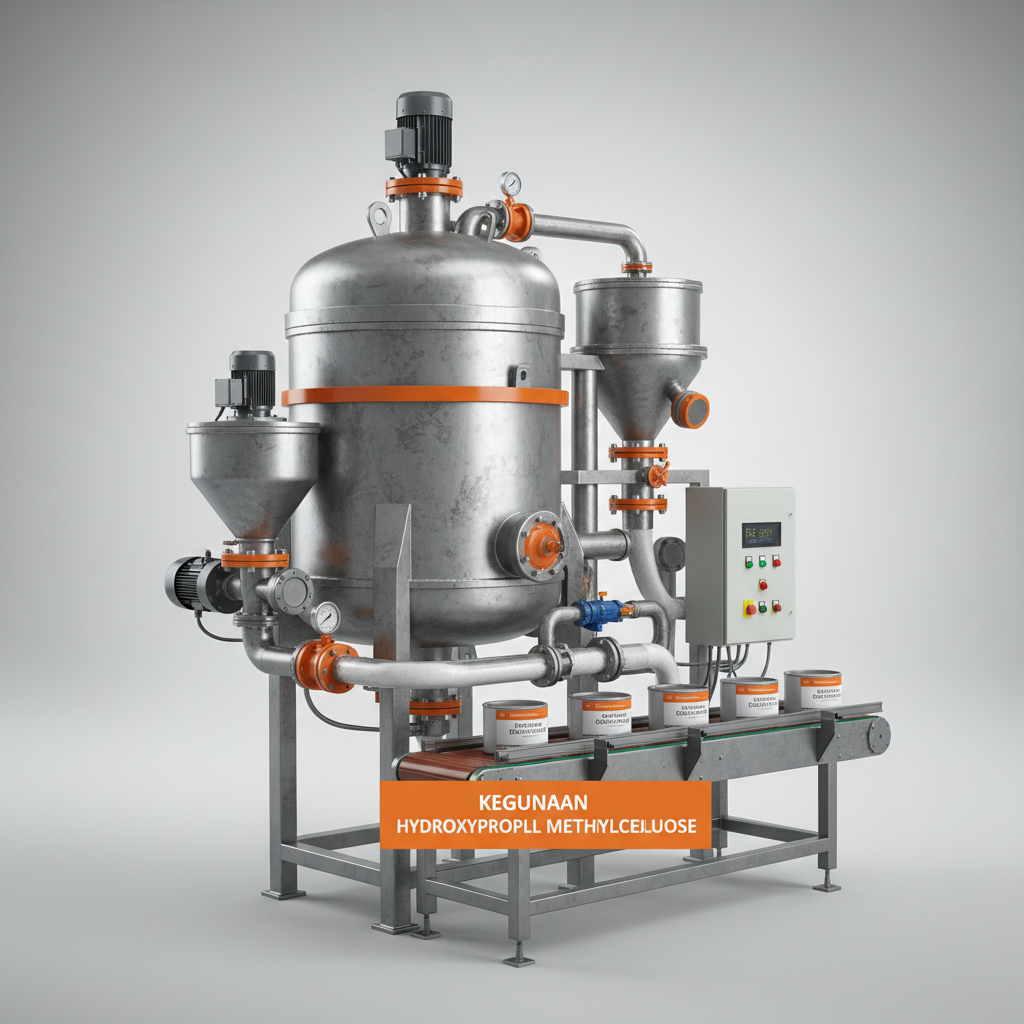
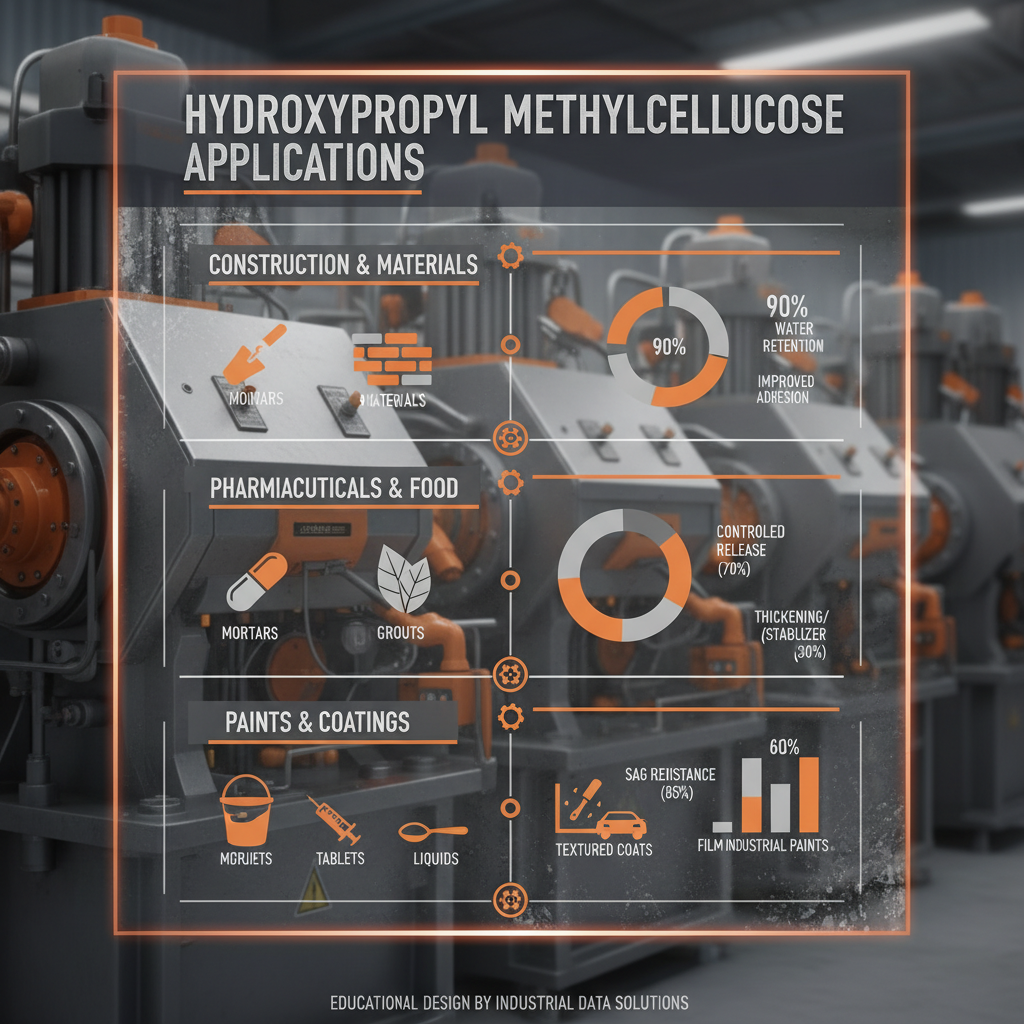
Exploring the Diverse Applications and Benefits of kegunaan hydroxypropyl methylcellulose

Introduction to kegunaan hydroxypropyl methylcellulose

Exploring the Diverse Applications and Benefits of kegunaan hydroxypropyl methylcellulose

Hydroxypropyl methylcellulose (HPMC) is a semi-synthetic polymer derived from cellulose, a naturally abundant component of plant cell walls. It's extensively used as a versatile excipient, binder, film-former, and thickener across numerous industries. Its bio-compatibility and low toxicity profile significantly contribute to its widespread adoption.

The value of understanding kegunaan hydroxypropyl methylcellulose lies in its ability to significantly improve product characteristics. From enhancing drug delivery systems to improving the workability of construction materials, its applications are incredibly broad, impacting efficiency, quality, and sustainability.

Defining kegunaan hydroxypropyl methylcellulose

Kegunaan hydroxypropyl methylcellulose, at its core, refers to the range of applications and benefits derived from utilizing HPMC in various formulations and processes. It’s not simply a chemical compound, but a tool that enables advancements in product performance across diverse sectors. This includes its ability to modify viscosity, control release rates, and improve texture.

This concept connects directly to modern industry by providing solutions to challenges in formulation development, manufacturing, and product stability. For example, in pharmaceuticals, HPMC enables controlled-release medications, improving patient compliance and therapeutic efficacy.

Equally important is its role in addressing humanitarian needs. In the food industry, HPMC can act as a stabilizer and thickener in emergency food supplies, ensuring adequate nutrition and palatability during disaster relief. Therefore, kegunaan hydroxypropyl methylcellulose has a dual benefit – industrial innovation and societal well-being.

Key Properties of kegunaan hydroxypropyl methylcellulose

The effectiveness of kegunaan hydroxypropyl methylcellulose stems from several key properties. Firstly, its water solubility allows for easy incorporation into aqueous formulations. Secondly, it demonstrates excellent thickening capabilities, contributing to desirable textures and viscosities.

A crucial characteristic is its ability to form films, making it valuable in coating tablets, providing a protective barrier, and creating controlled-release mechanisms. Furthermore, HPMC exhibits excellent thermal gelation properties, meaning it forms a gel when heated, which is advantageous in certain applications like hot melt extrusion.

Finally, its chemical inertness and biocompatibility ensure safety and minimize interactions with other components in a formulation. These properties, combined with its ease of modification through varying grades and substitution levels, make it a highly adaptable material.

Global Applications of kegunaan hydroxypropyl methylcellulose

The versatility of kegunaan hydroxypropyl methylcellulose is reflected in its wide-ranging applications. In the pharmaceutical industry, it is a primary excipient for tablet coatings, controlled-release formulations, and ophthalmic solutions. In construction, it acts as a water retention agent in cement-based products, improving workability and preventing cracking.

The food industry benefits from HPMC’s thickening and stabilizing properties in sauces, dressings, and baked goods. Personal care products utilize HPMC for its film-forming capabilities in hair styling gels and lotions. These applications extend across regions, with significant demand in North America, Europe, and Asia-Pacific.

Application Breakdown of kegunaan hydroxypropyl methylcellulose


Advantages & Long-Term Value of HPMC

The tangible benefits of incorporating kegunaan hydroxypropyl methylcellulose are substantial. Cost-effectiveness is a key driver, as HPMC often provides superior performance compared to alternative materials at a competitive price point. Its sustainability profile – derived from renewable cellulose sources – aligns with growing environmental concerns.

From a social impact perspective, HPMC contributes to improved healthcare outcomes through enhanced drug delivery and food security through stabilization of emergency food supplies. The reliability and consistency of HPMC-based formulations build trust with consumers and manufacturers alike, fostering long-term partnerships and innovation.

Future Trends in kegunaan hydroxypropyl methylcellulose

Looking ahead, advancements in HPMC technology are focused on tailoring its properties for specific applications. Research into modified HPMC grades with enhanced solubility, thermal stability, and controlled-release characteristics is ongoing. The integration of HPMC with nanotechnology and 3D printing techniques promises novel formulations and delivery systems.

Furthermore, increasing emphasis on sustainable sourcing and bio-based materials will drive demand for HPMC produced from responsibly managed forests. Digital transformation in manufacturing processes will enable more precise control over HPMC production, leading to improved consistency and quality.

Challenges and Solutions Regarding kegunaan hydroxypropyl methylcellulose

Despite its many advantages, kegunaan hydroxypropyl methylcellulose faces certain challenges. Variability in raw material quality can impact final product performance. Achieving consistent particle size and viscosity control during manufacturing requires precise process optimization.

Potential solutions include implementing rigorous quality control measures throughout the supply chain, investing in advanced manufacturing technologies, and exploring alternative cellulose sources. Developing standardized testing methods and certifications will further enhance trust and reliability.

Another challenge is the sensitivity of HPMC to certain environmental factors like humidity. Solutions include specialized packaging and storage conditions, as well as formulation strategies to enhance stability.

Summary of Key Considerations for Optimal kegunaan hydroxypropyl methylcellulose Application

Raw Material Source Manufacturing Control Formulation Stability Application Specificity
Sustainable forestry practices Precise viscosity control Humidity resistance Pharmaceutical dosage forms
Purity assessment Particle size distribution Thermal gelation properties Construction material workability
Traceability of origin Batch-to-batch consistency Compatibility with excipients Food texture modification
Certifications (e.g., FSC) Automated process control Long-term storage stability Personal care product film forming
Ethical sourcing Inline quality monitoring pH stability Coating uniformity
Reduced environmental impact Adherence to GMP standards Light sensitivity Release profile control

FAQS

What are the primary benefits of using HPMC in pharmaceutical tablet coatings?

HPMC provides excellent film-forming properties, protecting tablets from moisture and enhancing their aesthetic appeal. It also facilitates controlled release of the active pharmaceutical ingredient (API), improving drug efficacy and patient compliance. Different grades of HPMC allow for precise control over dissolution rates, tailoring the release profile to specific therapeutic needs. Furthermore, HPMC is biocompatible and non-toxic, making it a safe and reliable excipient.

How does HPMC improve the workability of cement-based construction materials?

HPMC acts as a water retention agent in cement-based products, preventing premature drying and ensuring adequate hydration of the cement. This enhances workability, reduces cracking, and improves the overall strength and durability of the final product. It also promotes better adhesion and reduces segregation of the mixture, leading to more consistent and reliable construction results.

Is HPMC a suitable ingredient for gluten-free food products?

Yes, HPMC is a frequently used ingredient in gluten-free food formulations. It provides thickening, stabilizing, and binding properties similar to gluten, helping to improve the texture and structure of baked goods and other products. It's a plant-derived material and does not contain gluten, making it a safe and effective alternative for individuals with celiac disease or gluten sensitivity.

What factors influence the viscosity of HPMC solutions?

Several factors affect HPMC viscosity, including the grade of HPMC (viscosity grade), concentration, temperature, pH, and the presence of salts or other additives. Higher viscosity grades and higher concentrations generally result in thicker solutions. Temperature decreases and pH changes can also influence viscosity. Careful consideration of these factors is crucial for achieving the desired texture and performance in a formulation.

How is HPMC sourced, and what are the sustainability considerations?

HPMC is derived from cellulose, which is primarily sourced from wood pulp or cotton linter. Sustainable sourcing practices involve utilizing wood from responsibly managed forests certified by organizations like the Forest Stewardship Council (FSC). Choosing HPMC from suppliers committed to sustainable forestry practices minimizes environmental impact and ensures long-term resource availability. Efforts are also underway to explore alternative cellulose sources, such as agricultural waste.

What are the key storage requirements for HPMC to maintain its quality?

HPMC is hygroscopic, meaning it readily absorbs moisture from the air. Therefore, it should be stored in a cool, dry place in tightly sealed containers, away from direct sunlight and heat. Proper storage prevents clumping, maintains viscosity, and ensures the HPMC remains effective for its intended application. Exposure to humidity can lead to degradation and reduced performance.

Conclusion

In conclusion, kegunaan hydroxypropyl methylcellulose is a remarkably versatile polymer with widespread applications across numerous industries. Its unique properties – including thickening, binding, film-forming, and water retention – make it an invaluable ingredient in pharmaceutical formulations, construction materials, food products, and personal care items. Understanding these functionalities and their impact on product performance is essential for optimizing formulations and achieving desired characteristics.

Looking forward, continued innovation in HPMC technology, coupled with a commitment to sustainable sourcing and responsible manufacturing, will unlock even greater potential. We encourage you to explore the benefits of kegunaan hydroxypropyl methylcellulose for your specific applications. Visit our website at www.sshbhpmc.com to learn more and discover how we can help you achieve your product development goals.

James Wilson

James Wilson

James Wilson is the Technical Support Specialist for Hebei ShengShi HongBang Cellulose Technology, supporting customers across various industries. With a background in materials science, James excels at troubleshooting application challenges and providing on-site assistance. He is proficient in analyzing HPMC performance characteristics and offering solutions to optimize formulations. James frequently
Previous Exploring the Versatile Applications of Methocel F4M Across Industries
Next Exploring the Versatility of Hypromellose Hydroxypropyl Methylcellulose in Global Industries