-

Add: HeBei ShengShi HongBang Cellulose Technology CO.,LTD.
-

Email
13180486930@163.com -

CONTACT US
+86 13180486930


Add: HeBei ShengShi HongBang Cellulose Technology CO.,LTD.
CONTACT US
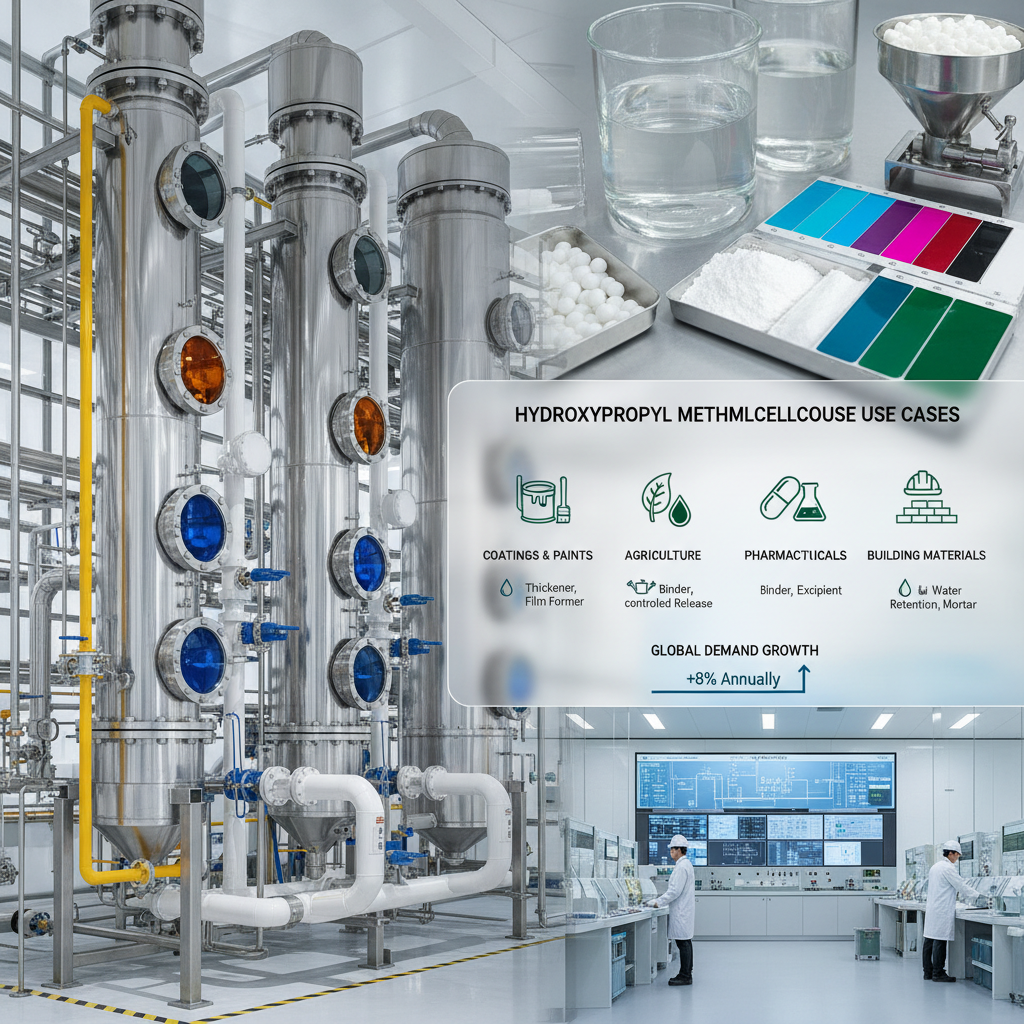
+86 13180486930Hydroxypropyl methylcellulose hypromellose (HPMC) is a versatile polymer finding increasing applications globally. Its unique properties, stemming from its semi-synthetic origin – a derivative of cellulose – make it invaluable across diverse industries from pharmaceuticals and food to construction and personal care. Understanding HPMC is crucial for innovation and efficiency in these sectors, particularly as demands for sustainable and effective materials rise. The impact of hydroxypropyl methylcellulose hypromellose extends to improving product performance, enhancing manufacturing processes, and addressing critical needs in emerging markets.
The global market for HPMC is experiencing significant growth, driven by factors like increasing healthcare expenditure, a growing aging population demanding specialized pharmaceutical formulations, and the expanding food processing industry. According to recent reports, the HPMC market is projected to reach billions of dollars in the coming years. This demand underscores the importance of understanding its characteristics and potential. The ability to tailor its properties—viscosity, gelation temperature, and solubility—through controlled modification makes hydroxypropyl methylcellulose hypromellose a preferred choice for formulating complex systems.
HPMC addresses challenges related to product stability, controlled release mechanisms, and texture modification, offering solutions previously unattainable with traditional materials. Its widespread adoption is a testament to its efficacy and reliability, making it a key ingredient in modern manufacturing and a vital component in addressing global needs for improved product quality and performance. Continued research and development are further expanding its application horizons.

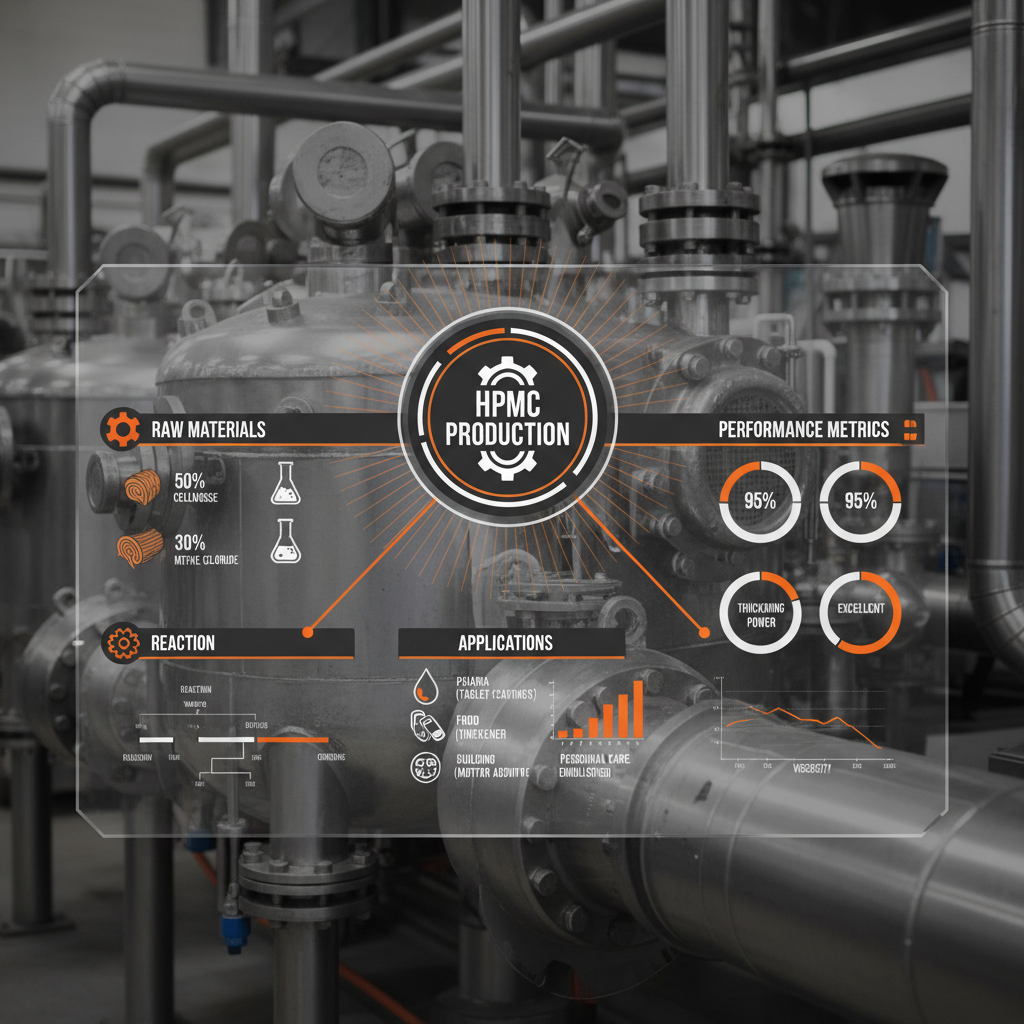
Hydroxypropyl methylcellulose hypromellose represents a significant advancement in polymer technology, offering a range of customizable properties that cater to diverse industrial needs. Its applications span sectors like pharmaceuticals, where it's used for controlled drug release, to food production, where it functions as a thickener and stabilizer. The ability to modify its molecular weight and degree of substitution allows for precise control over its physical and chemical characteristics.
The increasing demand for hydroxypropyl methylcellulose hypromellose is driven by its biocompatibility, non-toxicity, and ability to form clear, viscous solutions. This makes it ideal for applications requiring consistent performance and safety. Further exploration of its potential continues to reveal new possibilities, solidifying its position as a cornerstone material in numerous industries.
HPMC offers a unique balance of properties, including superior film-forming ability, excellent water retention, and good compatibility with various excipients. Compared to other cellulose ethers like methylcellulose (MC) or carboxymethylcellulose (CMC), HPMC often exhibits better thermal stability and lower gelation temperatures, making it suitable for a wider range of applications. Its controlled release properties in pharmaceutical formulations are also highly regarded.
The viscosity of HPMC directly influences the texture, flow characteristics, and stability of formulations. Higher viscosity grades are generally used to increase thickness and provide suspension properties, crucial in products like sauces or liquid medications. Lower viscosity grades are preferred when ease of pouring or spraying is essential, such as in coatings or adhesives. Careful viscosity selection is key to achieving the desired end-product characteristics.
Yes, HPMC is entirely plant-derived and is therefore suitable for both vegan and vegetarian food applications. It's a common ingredient in plant-based meat alternatives, dairy-free products, and baked goods, where it contributes to texture, stability, and moisture retention. Its non-animal origin aligns with the ethical considerations of vegan and vegetarian consumers.
When stored properly, HPMC powder has a long shelf life, typically several years. It's best to store it in a cool, dry place, away from direct sunlight and moisture. Keeping it in tightly sealed containers is crucial to prevent clumping and maintain its quality. Avoid exposure to extreme temperatures or humidity, as this can degrade the polymer over time.
HPMC is generally recognized as safe (GRAS) by regulatory bodies like the FDA and is considered non-toxic. It's widely used in food and pharmaceutical applications with minimal reported adverse effects. However, individuals with known allergies to cellulose should exercise caution. As with any ingredient, adherence to recommended usage levels is essential for ensuring safety.
Absolutely. HPMC is frequently combined with other polymers, such as starches, gums, or other cellulose derivatives, to achieve synergistic effects. These combinations can enhance properties like viscosity, film strength, or water retention. For example, blending HPMC with guar gum can create a more robust gel structure, while combining it with starch can improve film flexibility.
Hydroxypropyl methylcellulose hypromellose stands as a remarkably versatile polymer with a profound impact across diverse industries. Its unique blend of properties—including excellent film-forming capabilities, controlled solubility, and biocompatibility—makes it an invaluable ingredient in pharmaceuticals, food, cosmetics, and beyond. Understanding its characteristics and applications is critical for driving innovation and creating high-quality, sustainable products.
Looking ahead, continued research and development in areas like nanotechnology and green chemistry will further unlock the potential of hydroxypropyl methylcellulose hypromellose. Embracing these advancements will not only enhance its performance but also contribute to a more sustainable and environmentally responsible future. Visit our website at www.sshbhpmc.com to explore our comprehensive range of HPMC products and solutions.