-

Add: HeBei ShengShi HongBang Cellulose Technology CO.,LTD.
-

Email
13180486930@163.com -

CONTACT US
+86 13180486930
Comprehensive Guide to Cellulose Wood Sealer for Enhanced Wood Protection
Cellulose Wood Sealer: A Comprehensive Guide
Protecting your wood surfaces from the elements and enhancing their natural beauty is crucial for longevity. Cellulose wood sealer offers a superior solution, providing excellent protection and a beautiful finish. This article will explore the benefits of cellulose wood sealer, its applications, and how it compares to other wood finishing options. We’ll cover everything you need to know to choose the right sealer for your project, ensuring lasting results.
What is Cellulose Wood Sealer?
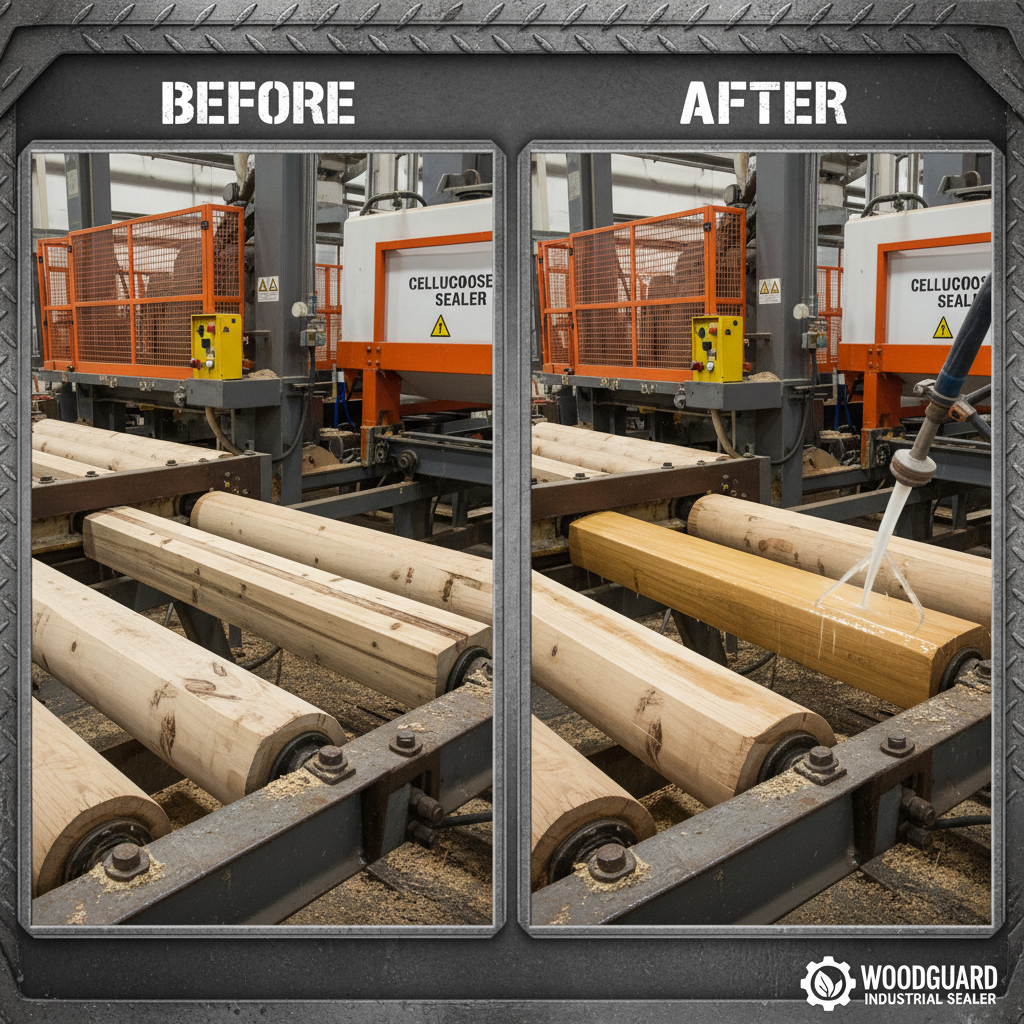
Cellulose wood sealer is a film-forming coating derived from wood pulp. It's a versatile product prized for its ability to penetrate wood fibers, creating a strong, durable barrier against moisture, UV damage, and everyday wear and tear. Unlike some sealers that sit on the surface, cellulose sealer actually becomes part of the wood, enhancing its natural grain and adding depth to its color. This leads to a much more natural and aesthetically pleasing finish. It’s increasingly favored by professionals and DIY enthusiasts alike for its ease of application and excellent performance.
Key Benefit: Cellulose wood sealer penetrates wood fibers, providing a strong, durable barrier and enhancing the natural grain.
Applications of Cellulose Wood Sealer
The versatility of cellulose wood sealer makes it ideal for a wide range of applications. It’s commonly used on interior wood surfaces such as furniture, cabinetry, and wood floors. It's also effective on exterior wood structures like siding, decks, and fences, providing protection against the elements. Furthermore, it can be used as a primer under paints or varnishes, ensuring better adhesion and a more uniform finish. Its ability to stabilize wood also makes it excellent for restoring antique furniture or repairing damaged wooden items.
Common Applications:
• Furniture
• Cabinets
• Wood Floors
• Exterior Siding & Decks
Cellulose Wood Sealer vs. Other Wood Finishes
When choosing a wood finish, it’s important to understand the differences between various options. Polyurethane is known for its durability but can create a plastic-like appearance. Oil-based finishes penetrate well but require frequent reapplication. Varnish offers good protection but can yellow over time. Cellulose wood sealer strikes a balance, offering excellent penetration, a natural finish, and good durability with moderate maintenance.
Choosing the Right Cellulose Wood Sealer
Several factors influence the choice of cellulose wood sealer. Consider the type of wood you're sealing – some woods absorb sealer more readily than others. Also, think about the intended use of the wood. Exterior applications require a sealer with UV protection and resistance to moisture. The finish you desire – matte, satin, or gloss – will also dictate the type of sealer you choose. SSHBHPMC offers a range of cellulose wood sealers tailored to different wood types and applications, ensuring you find the perfect product for your needs.

Application Tips for Best Results
Proper application is key to achieving a beautiful and durable finish. Always prepare the wood surface by sanding it smooth and removing any dust or debris. Apply the sealer in thin, even coats, following the grain of the wood. Allow each coat to dry completely before applying the next. Use a high-quality brush or spray gun for optimal results. Avoid applying sealer in direct sunlight or extreme temperatures. For exterior applications, consider applying multiple coats for enhanced protection.
Conclusion: Protecting and Enhancing Your Wood with Cellulose Sealer
The cellulose wood sealer is an excellent choice for anyone seeking to protect and enhance their wood surfaces. Its superior penetration, natural finish, and ease of application make it a standout product in the wood finishing market. Invest in quality sealer to ensure lasting beauty and protection for your valuable wood projects.
Frequently Asked Questions (FAQs)
How many coats of cellulose wood sealer should I apply?
Generally, 2-3 coats of cellulose wood sealer are recommended for optimal protection and finish. The first coat soaks into the wood fibers, providing a base for subsequent coats. Subsequent coats build up the protective layer and enhance the sheen. For exterior applications, or on wood that is particularly porous, you may want to apply an additional coat. Always allow each coat to dry completely before applying the next, and lightly sand between coats for a smoother finish.
Is cellulose wood sealer suitable for outdoor use?
Yes, but it's crucial to choose a formula specifically designed for exterior use. These formulas contain UV absorbers to protect the wood from sun damage and additives to enhance water resistance. Regular reapplication will be necessary, typically every 1-2 years, depending on exposure to the elements. Proper surface preparation and application are also vital for ensuring long-lasting protection.
How do I clean up cellulose wood sealer?
Cellulose wood sealer is typically cleaned up with mineral spirits or paint thinner. Always work in a well-ventilated area and follow the manufacturer's safety precautions. Dispose of used solvents properly according to local regulations. Avoid pouring solvents down the drain. It's also a good idea to clean your brushes and tools immediately after use to prevent the sealer from drying and becoming difficult to remove.
What is the drying time for cellulose wood sealer?
Drying time varies depending on temperature, humidity, and the thickness of the coat. Typically, each coat will be dry to the touch within 2-4 hours. However, it's best to allow at least 24 hours for the sealer to fully cure before applying the next coat or subjecting the surface to heavy use. Ensure good ventilation to promote faster drying.
-
Industrial Guide to ГПМЦ целлюлоза High Performance CelluloseNewsApr.16,2026
-
Wood Cellulose Properties and Industrial Applications GuideNewsApr.09,2026
-
Does Wood Contain Cellulose A Detailed Exploration of its Composition and UsesNewsApr.07,2026
-
Understanding Wood Cellulose Meaning Applications and Future TrendsNewsApr.04,2026
-
Exploring the Potential of Wood Cellulose is wood cellulose a Sustainable MaterialNewsMar.31,2026
-
Exploring the Sustainability and Versatility of Cellulose Wood ChipsNewsMar.28,2026
-
Understanding Wood Pulp Cellulose A Comprehensive Guide to Properties and ApplicationsNewsMar.26,2026