-

Add: HeBei ShengShi HongBang Cellulose Technology CO.,LTD.
-

Email
13180486930@163.com -

CONTACT US
+86 13180486930

Xylem Fiber: Sustainable Solutions for Modern Industries - HeBei ShengShi HongBang
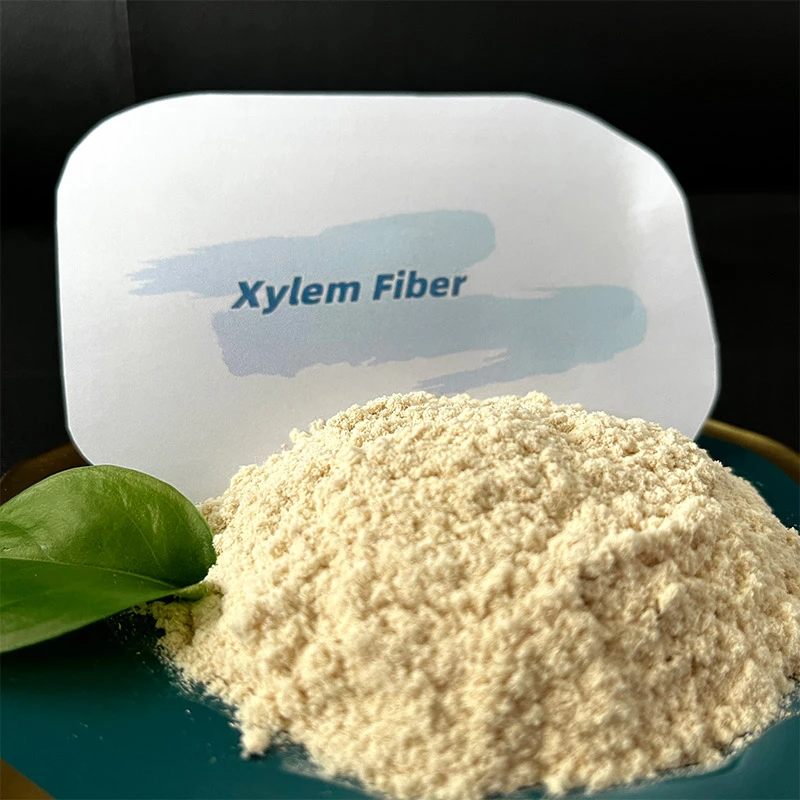
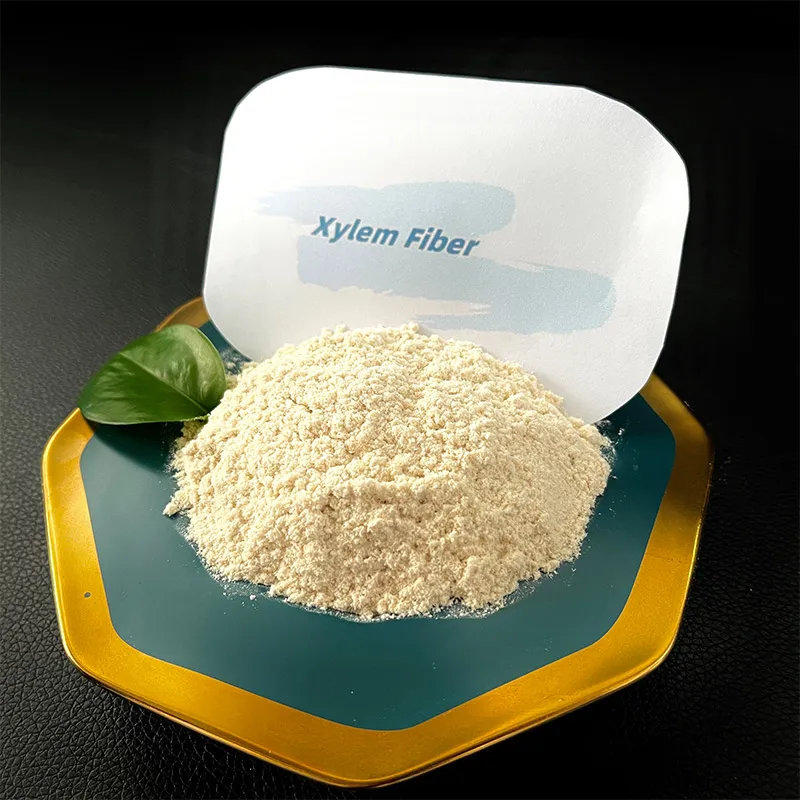
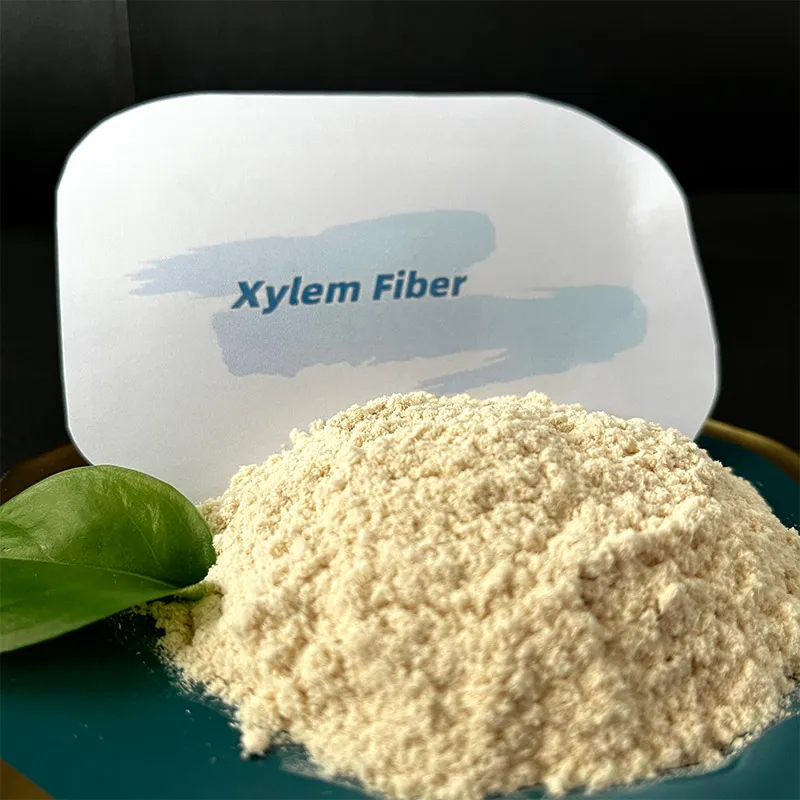
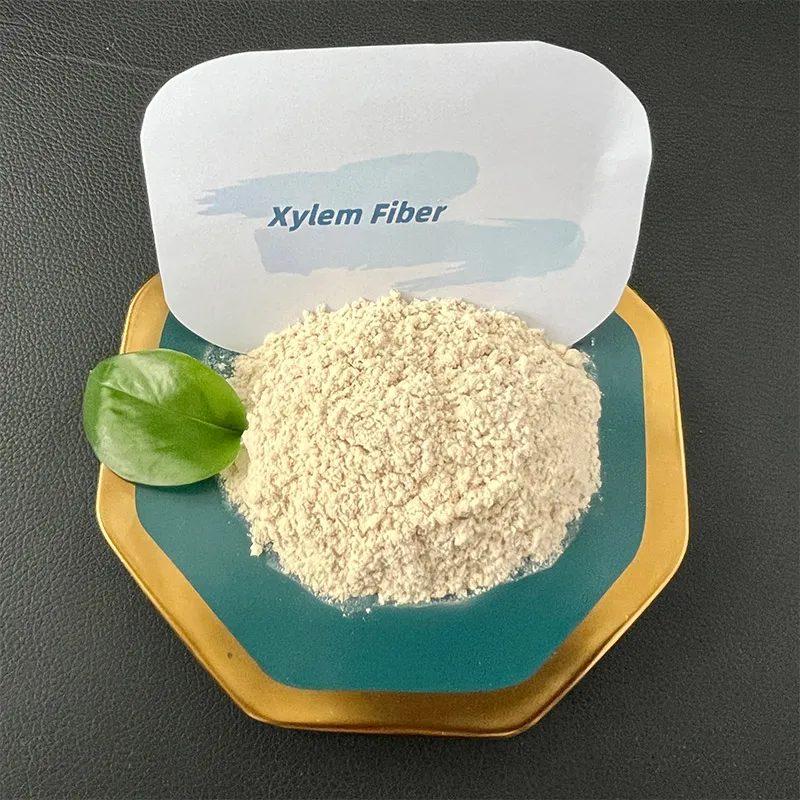
Xylem fiber, a natural and renewable resource derived from wood, has gained significant attention in various industries due to its eco-friendly attributes and versatility. This organic flocculent fiber material undergoes a series of chemical treatments and mechanical processing, transforming it into a high-quality product that is suitable for an array of applications. As the demand for environmentally friendly building materials continues to rise, the use of xylem fiber aligns seamlessly with the overarching goals of sustainability and responsible resource management.
Key Features and Benefits of Xylem Fiber
Xylem fiber is a natural and renewable resource that offers a wide range of benefits. Its unique properties make it an invaluable component in various industries, from construction to manufacturing. One of the most significant advantages of xylem fiber is its eco-friendly nature, which reduces the environmental impact of traditional materials. By incorporating xylem fiber into products, manufacturers can significantly lower their carbon footprint while maintaining high-quality standards.
Another key feature of xylem fiber is its versatility. It can be used in multiple applications, including the production of concrete, mortar, gypsum products, wood pulp sponges, asphalt, and medium density fiberboard (MDF). This adaptability makes it a preferred choice for industries looking to integrate sustainable practices into their operations. Additionally, xylem fiber's absorbent properties make it an excellent alternative to synthetic materials in household and industrial applications.
The strength and durability of xylem fiber also contribute to its appeal. When added to concrete and mortar mixes, it enhances the structural integrity of the final product, making it more resistant to wear and tear. In the asphalt industry, xylem fiber acts as a reinforcing agent, improving the resilience and longevity of roads. These properties ensure that products made with xylem fiber are not only environmentally friendly but also highly functional.
Technical Specifications of Xylem Fiber
| Parameter | Specification |
|---|---|
| Material Source | Wood (Xylem Tissue) |
| Processing Method | Chemical Treatments and Mechanical Processing |
| Particle Size | Varies (Typically 0.1–1.0 mm) |
| Moisture Content | ≤ 10% |
| Specific Gravity | 1.5–1.7 g/cm³ |
| Biodegradability | 100% Biodegradable |
| Heat Resistance | Up to 200°C |
| Chemical Resistance | Resistant to Acids and Alkalis |
Applications in Various Industries
Xylem fiber's multifunctional properties make it a staple in several industries. In the construction sector, it is used to enhance the properties of concrete and mortar mixes. By incorporating xylem fiber, builders can improve the strength and durability of these materials while reducing the amount of traditional raw materials needed. This not only lowers costs but also minimizes environmental impact.
In the gypsum product industry, xylem fiber plays a crucial role in enhancing structural integrity and workability. Its absorbent properties allow for better mixing and application, resulting in high-quality end products. Similarly, in the asphalt industry, xylem fiber acts as a reinforcing agent, improving the resilience and longevity of asphalt roads. This makes it an essential component for infrastructure development.
The manufacturing of medium density fiberboard (MDF) also benefits from xylem fiber. As a key ingredient, it enables the production of sturdy and sustainable building materials that are increasingly being adopted in the home-building sector. Xylem fiber's role in MDF production highlights its importance in creating eco-friendly alternatives to conventional materials.
Additionally, xylem fiber is used in the production of wood pulp sponges, offering a biodegradable alternative in various cleaning and household applications. This application underscores its value in reducing plastic waste and promoting sustainable consumption.
Company Background: HeBei ShengShi HongBang Cellulose Technology CO.,LTD.
HeBei ShengShi HongBang Cellulose Technology CO.,LTD. is a leading company in the production and supply of xylem fiber and related cellulose products. With a commitment to sustainability and innovation, the company has become a trusted name in the industry. Their expertise in processing wood into high-quality xylem fiber ensures that their products meet the highest standards of performance and environmental responsibility.
As a pioneer in the field, HeBei ShengShi HongBang has been at the forefront of developing sustainable solutions for various industries. Their products are designed to meet the growing demand for eco-friendly materials, making them an essential partner for manufacturers seeking to reduce their environmental impact. The company's dedication to research and development has led to the creation of advanced xylem fiber products that cater to the evolving needs of the market.
For more information about the company and its products, visit the official website: HeBei ShengShi HongBang Cellulose Technology CO.,LTD.
Sustainability and Environmental Impact
The cultivation and processing of xylem fiber promote responsible forestry practices, supporting ecosystem balance and contributing to the fight against climate change. By utilizing renewable resources, manufacturers can reduce their carbon footprint while providing high-quality products that meet consumer demands. This aligns with the principles of circular economy, where resources are used efficiently and waste is minimized.
The National Institute of Standards and Technology (NIST) emphasizes the importance of sustainable practices in manufacturing and construction. According to NIST, "The integration of renewable resources into modern manufacturing processes is crucial for achieving long-term environmental goals." This statement highlights the significance of materials like xylem fiber in driving the transition towards greener technologies and practices.
For more information on NIST's role in promoting sustainable technologies, visit the official website: NIST.
Conclusion
Xylem fiber represents a significant step forward in the quest for sustainable materials. Its multifunctional properties, combined with its eco-friendly nature, make it an ideal choice for industries seeking to reduce their environmental impact. By leveraging the potential of xylem fiber, manufacturers can create innovative products that meet the demands of a rapidly changing market while contributing to a healthier planet.
As the landscape of manufacturing and construction continues to evolve, the continued exploration and utilization of xylem fiber will be paramount in driving these efforts forward. With its versatility and renewability, xylem fiber is poised to become a staple in industries that prioritize ecological responsibility and product performance.
References
1. National Institute of Standards and Technology (NIST). Retrieved from https://www.nist.gov/
2. HeBei ShengShi HongBang Cellulose Technology CO.,LTD. (n.d.). Xylem Fiber. Retrieved from https://www.sshbhpmc.com/xylem-fiber.html
-
Industrial Guide to ГПМЦ целлюлоза High Performance CelluloseNewsApr.16,2026
-
Wood Cellulose Properties and Industrial Applications GuideNewsApr.09,2026
-
Does Wood Contain Cellulose A Detailed Exploration of its Composition and UsesNewsApr.07,2026
-
Understanding Wood Cellulose Meaning Applications and Future TrendsNewsApr.04,2026
-
Exploring the Potential of Wood Cellulose is wood cellulose a Sustainable MaterialNewsMar.31,2026
-
Exploring the Sustainability and Versatility of Cellulose Wood ChipsNewsMar.28,2026
-
Understanding Wood Pulp Cellulose A Comprehensive Guide to Properties and ApplicationsNewsMar.26,2026