-

Add: HeBei ShengShi HongBang Cellulose Technology CO.,LTD.
-

Email
13180486930@163.com -

CONTACT US
+86 13180486930
Xylem Fiber-HeBei ShengShi HongBang Cellulose Technology CO.,LTD.|Sustainable Building Materials&Eco-friendly Solutions
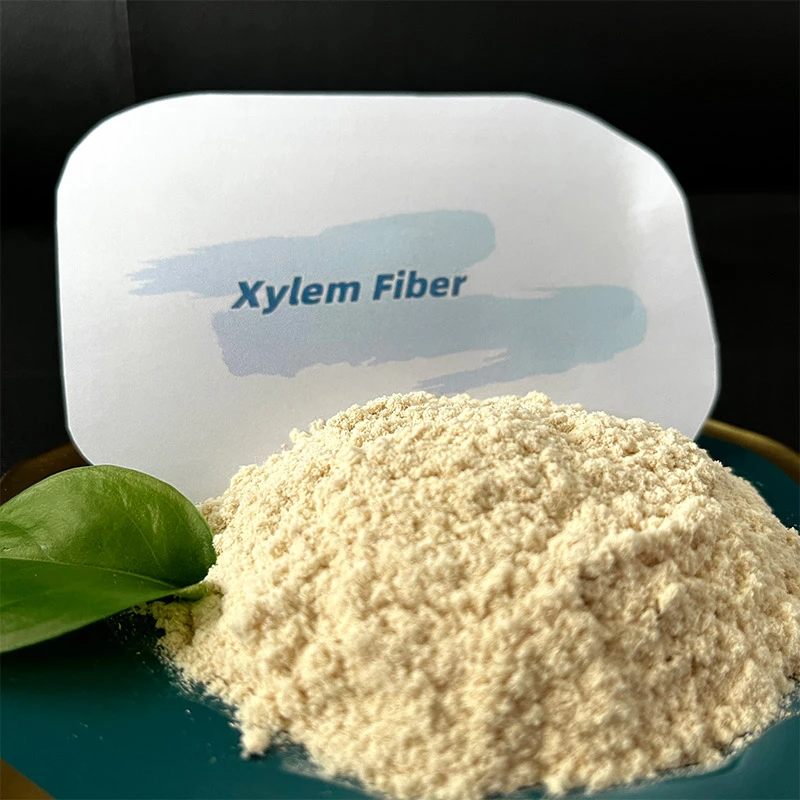
Introduction to Xylem Fiber
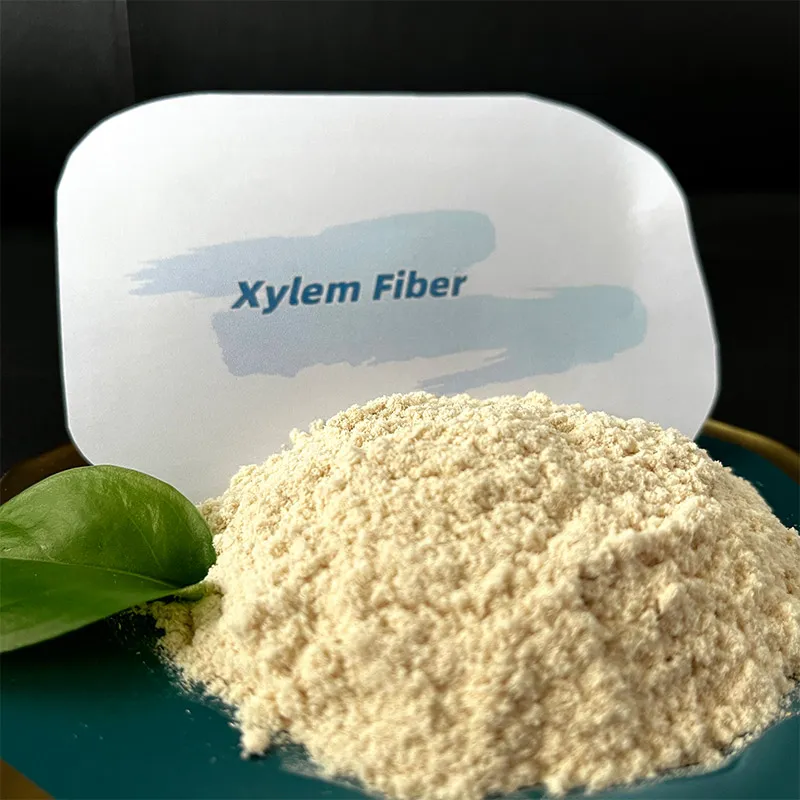
Xylem fiber, a natural and renewable resource derived from wood, has emerged as a transformative material in various industries. This organic flocculent fiber undergoes chemical treatments and mechanical processing to become a high-quality product with diverse applications. Xylem Fiber is particularly valued for its eco-friendly attributes and versatility, making it a key player in the transition toward sustainable manufacturing practices.
Key Features and Benefits
Xylem fiber's unique properties make it an invaluable component in multiple sectors. Its ability to enhance the strength and durability of materials like concrete, mortar, and gypsum products has made it a preferred choice for construction professionals. Additionally, its absorbent qualities are leveraged in the production of biodegradable wood pulp sponges, offering an environmentally friendly alternative to synthetic materials. Wood cellulose and cellulose wood fibers are integral to its composition, contributing to its structural integrity and adaptability.
Environmental Impact
The use of xylem fiber aligns with global sustainability goals by reducing reliance on traditional raw materials. By incorporating this natural resource, industries can significantly lower their carbon footprint while maintaining product quality. According to the National Institute of Standards and Technology (NIST), "Sustainable materials like xylem fiber play a critical role in advancing green technologies and reducing environmental degradation" (NIST). This underscores the importance of integrating renewable resources into modern manufacturing processes.
Technical Specifications
| Specification | Details |
|---|---|
| Material Source | Wood pulp |
| Processing Method | Chemical treatments and mechanical processing |
| Key Applications | Concrete, mortar, gypsum products, asphalt, MDF |
| Environmental Benefits | Biodegradable, reduces traditional material usage |
| Physical Properties | High tensile strength, absorbent, durable |
Applications Across Industries
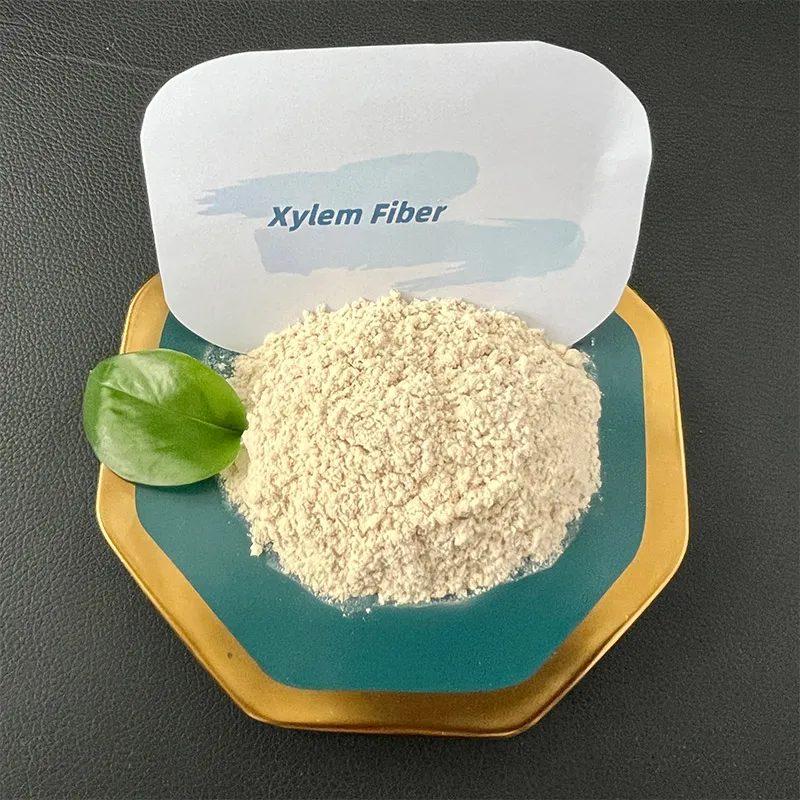
Xylem fiber's adaptability is evident in its wide range of applications. In the construction industry, it enhances the performance of concrete and mortar, improving structural resilience. For asphalt roads, it acts as a reinforcing agent, extending the lifespan of infrastructure. In the production of medium density fiberboard (MDF), it enables the creation of sturdy, sustainable building materials.
Household and Industrial Uses
The fiber's absorbent properties make it ideal for wood pulp sponges, which are biodegradable and eco-friendly. Its role in cellulose extraction from wood further highlights its importance in industrial processes. By promoting responsible forestry practices, xylem fiber supports ecosystem balance and contributes to combating climate change.
Company Background: HeBei ShengShi HongBang Cellulose Technology CO.,LTD.
HeBei ShengShi HongBang Cellulose Technology CO.,LTD. is a leading manufacturer of xylem fiber, dedicated to sustainable innovation. The company specializes in producing high-quality cellulose products that meet the growing demand for eco-friendly materials. With a focus on research and development, they ensure their products align with global sustainability standards.
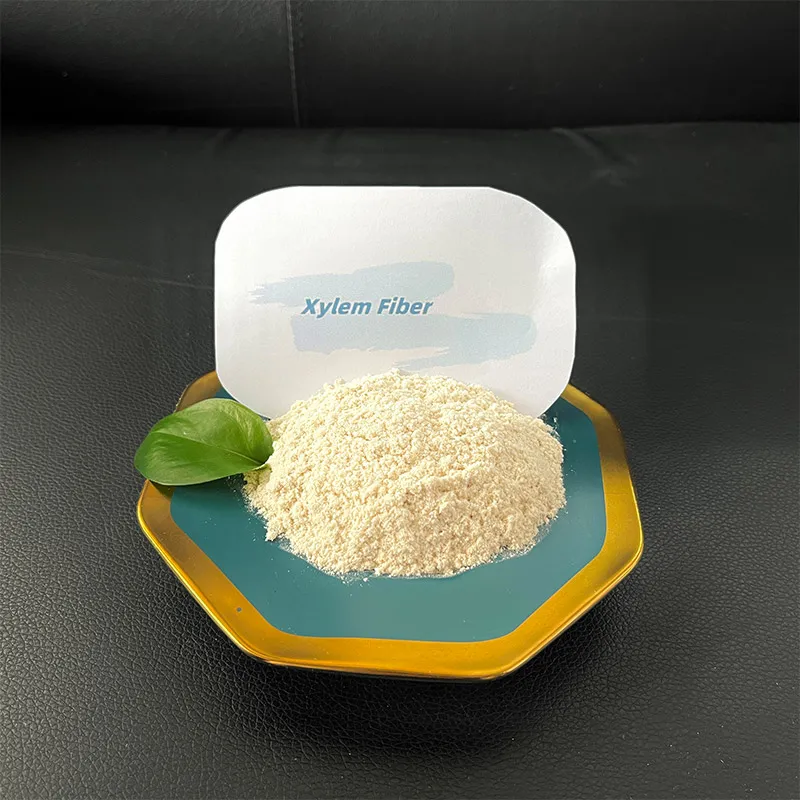
As a pioneer in the industry, HeBei ShengShi HongBang emphasizes the importance of renewable resources in modern manufacturing. Their commitment to quality and environmental responsibility has positioned them as a trusted partner for businesses seeking sustainable solutions. For more information about their products and services, visit their company page.
Conclusion
Xylem fiber represents a significant advancement in sustainable materials, offering a versatile and eco-friendly alternative to traditional resources. Its applications span multiple industries, from construction to household products, demonstrating its adaptability and value. By leveraging the potential of xylem fiber, manufacturers can reduce their environmental impact while enhancing product performance.
The continued exploration and utilization of xylem fiber are essential for driving innovation in sustainability. As industries prioritize responsible resource management, the role of xylem fiber will only grow in importance. For more information on the standards and research supporting sustainable materials, refer to the National Institute of Standards and Technology (NIST).
References
NIST (National Institute of Standards and Technology). "Sustainable Materials and Green Technologies." https://www.nist.gov
-
Industrial Guide to ГПМЦ целлюлоза High Performance CelluloseNewsApr.16,2026
-
Wood Cellulose Properties and Industrial Applications GuideNewsApr.09,2026
-
Does Wood Contain Cellulose A Detailed Exploration of its Composition and UsesNewsApr.07,2026
-
Understanding Wood Cellulose Meaning Applications and Future TrendsNewsApr.04,2026
-
Exploring the Potential of Wood Cellulose is wood cellulose a Sustainable MaterialNewsMar.31,2026
-
Exploring the Sustainability and Versatility of Cellulose Wood ChipsNewsMar.28,2026
-
Understanding Wood Pulp Cellulose A Comprehensive Guide to Properties and ApplicationsNewsMar.26,2026