-

Add: HeBei ShengShi HongBang Cellulose Technology CO.,LTD.
-

Email
13180486930@163.com -

CONTACT US
+86 13180486930
Xylem Fiber: Sustainable Material Solutions for Modern Industries-HeBei ShengShi HongBang Cellulose Technology CO.,LTD.
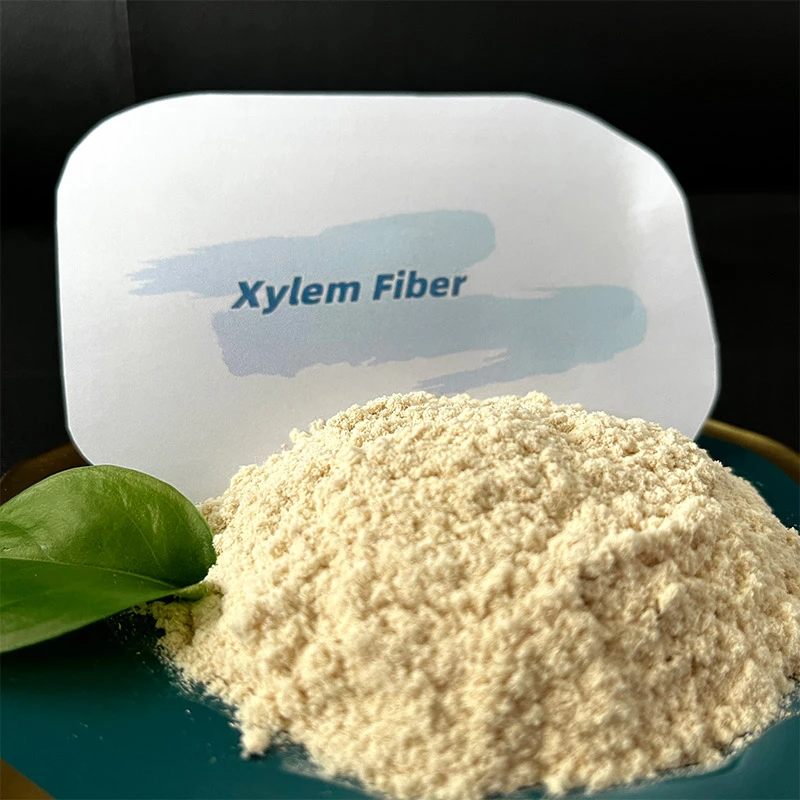
Xylem fiber, a xylem fiber derived from wood, has emerged as a transformative material in multiple industries. This natural and renewable resource is processed through advanced chemical and mechanical techniques to enhance its performance and versatility. As the global demand for eco-friendly alternatives grows, xylem fiber stands out for its ability to improve material properties while reducing environmental impact. From construction to asphalt manufacturing, its applications are as diverse as its benefits. This article explores the features, technical specifications, and real-world uses of xylem fiber, while highlighting its role in promoting sustainable practices.
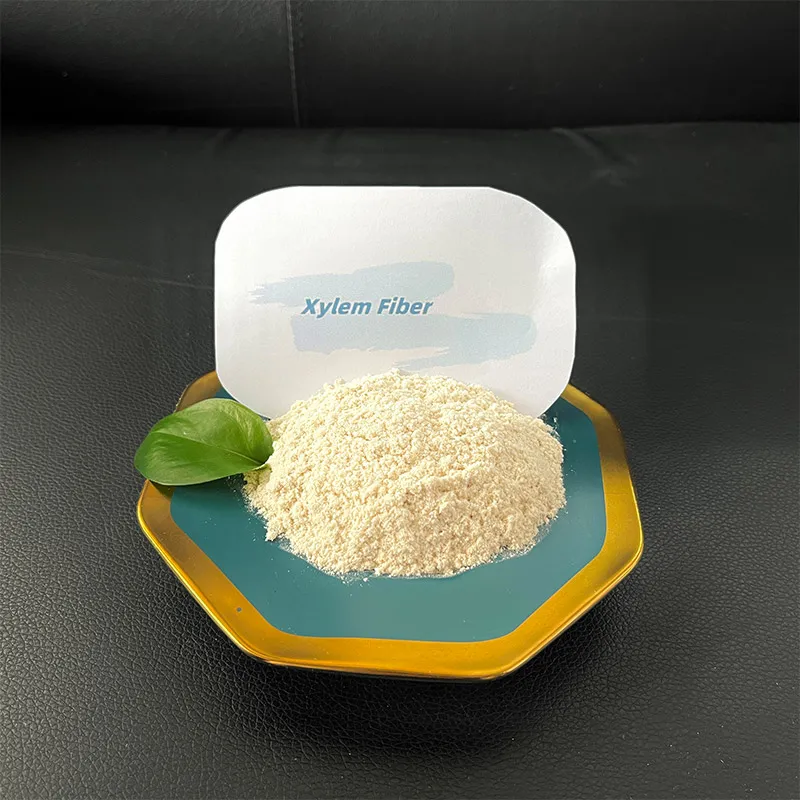
What is Xylem Fiber?
Xylem fiber is a fibre made from wood pulp, extracted from the vascular tissue of trees. This process involves chemical treatments and mechanical processing to remove impurities and enhance the fiber's structural integrity. The result is a high-quality material that combines the inherent strength of wood with the adaptability required for modern industrial applications. Unlike synthetic fibers, xylem fiber is biodegradable and fully renewable, making it an attractive option for environmentally conscious manufacturers.
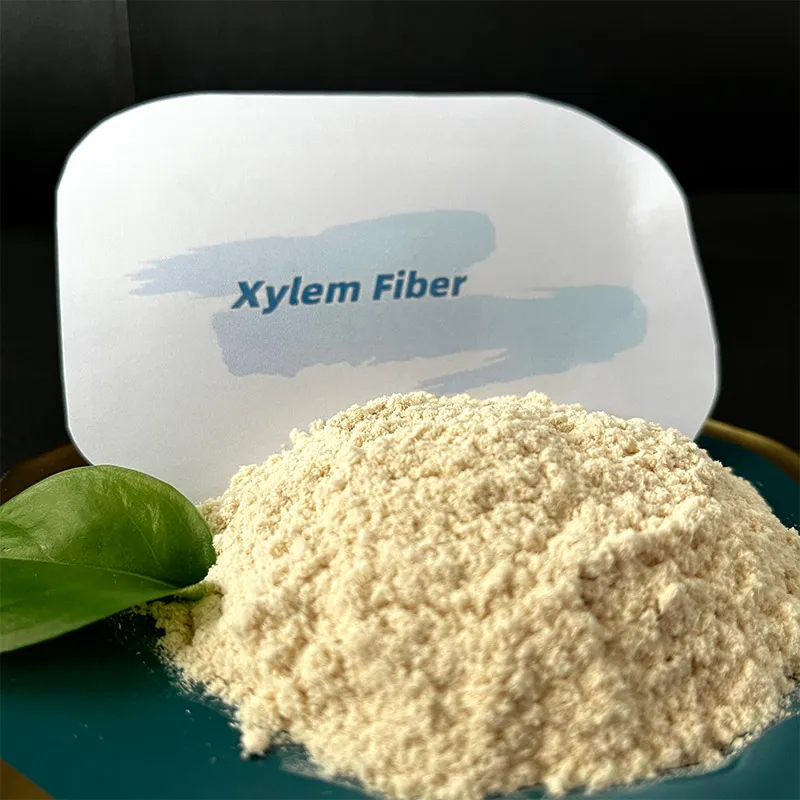
Key Features and Benefits
The unique properties of xylem fiber make it a valuable asset in various industries. Here are some of its standout features:
- Enhanced Strength and Durability: When incorporated into concrete, mortar, or gypsum products, xylem fiber significantly improves structural integrity. This is due to its high tensile strength and ability to distribute stress evenly across materials.
- Environmental Sustainability: By replacing traditional raw materials, xylem fiber reduces the carbon footprint of manufacturing processes. Its biodegradable nature also minimizes waste, aligning with global sustainability goals.
- Improved Workability: In applications like wood pulp sponges, xylem fiber's absorbent properties enhance usability. It provides a soft yet durable texture, making it ideal for cleaning and household products.
- Cost-Effective Solution: The abundance of wood as a raw material ensures a steady supply of xylem fiber, reducing production costs for manufacturers.
Technical Specifications
| Parameter | Specification |
|---|---|
| Fiber Length | 1-5 mm (varies by application) |
| Tensile Strength | 200-400 MPa |
| Moisture Content | 5-10% |
| Chemical Composition | Cellulose (70-85%), Hemicellulose (10-15%), Lignin (5-10%) |
| Biodegradability | 100% biodegradable in natural environments |
Applications in Modern Industries
Xylem fiber's versatility has led to its adoption in multiple sectors. Below are some of its primary applications:
Construction Sector
In the construction industry, xylem fiber is used to enhance the performance of concrete and mortar. Its addition increases the material's resistance to cracking and improves its overall durability. For example, when mixed with concrete, xylem fiber acts as a micro-reinforcement, reducing the need for traditional steel reinforcements. This not only lowers costs but also makes structures lighter and easier to handle.
Asphalt Manufacturing
As a reinforcing agent, xylem fiber improves the resilience of asphalt roads. It enhances the material's ability to withstand heavy traffic and extreme weather conditions. According to the National Institute of Standards and Technology (NIST), materials like xylem fiber can contribute to the development of more sustainable infrastructure, as highlighted in their research on advanced materials for civil engineering applications.
Medium Density Fiberboard (MDF)
Xylem fiber is a key component in the production of MDF, a popular building material known for its smooth surface and uniform texture. By incorporating xylem fiber, manufacturers can create MDF that is both sturdy and eco-friendly. This aligns with the growing demand for sustainable home-building materials, as noted in a 2023 report by the U.S. Green Building Council.
Wood Pulp Sponges
In the household sector, xylem fiber is used to produce biodegradable sponges. These sponges offer a sustainable alternative to synthetic cleaning products, reducing plastic waste. Their absorbent nature makes them ideal for tasks ranging from dishwashing to surface cleaning.
Company Background: HeBei ShengShi HongBang Cellulose Technology CO.,LTD.
HeBei ShengShi HongBang Cellulose Technology CO.,LTD., a leading manufacturer of xylem fiber, has been at the forefront of sustainable material innovation for over a decade. The company specializes in cellulose extraction from wood, ensuring that its products meet the highest standards of quality and environmental responsibility. With a commitment to reducing the ecological impact of manufacturing, HeBei ShengShi HongBang has become a trusted partner for industries seeking eco-friendly alternatives.
As a pioneer in the field, the company adheres to strict quality control measures and invests heavily in research and development. Its state-of-the-art facilities enable the production of xylem fiber that is both high-performing and sustainable. By leveraging advanced technologies, HeBei ShengShi HongBang continues to drive innovation in the cellulose industry.
Sustainability and Environmental Impact
The use of xylem fiber contributes to a circular economy by promoting the responsible use of natural resources. Unlike synthetic fibers, which often rely on non-renewable petroleum-based materials, xylem fiber is derived from sustainably managed forests. This process supports reforestation efforts and helps maintain biodiversity.
Moreover, the production of xylem fiber generates minimal waste. Any byproducts are often repurposed for other applications, such as bioenergy or compost. This closed-loop approach aligns with the principles of green manufacturing, as emphasized by the NIST in its guidelines for sustainable industrial practices.
Conclusion
Xylem fiber represents a significant step forward in the quest for sustainable materials. Its unique combination of strength, versatility, and eco-friendliness makes it an ideal choice for industries looking to reduce their environmental impact. From construction to household products, xylem fiber's applications are as diverse as its benefits. As the demand for green technologies continues to rise, the role of xylem fiber in shaping a sustainable future will only grow.
For more information about xylem fiber and its applications, visit the official product page or explore the company website to learn more about HeBei ShengShi HongBang Cellulose Technology CO.,LTD.
References
National Institute of Standards and Technology (NIST). (n.d.). Driving Innovation. Retrieved from https://www.nist.gov/
NIST. (2023). Standards and Measurements. Retrieved from https://www.nist.gov/
-
Industrial Guide to ГПМЦ целлюлоза High Performance CelluloseNewsApr.16,2026
-
Wood Cellulose Properties and Industrial Applications GuideNewsApr.09,2026
-
Does Wood Contain Cellulose A Detailed Exploration of its Composition and UsesNewsApr.07,2026
-
Understanding Wood Cellulose Meaning Applications and Future TrendsNewsApr.04,2026
-
Exploring the Potential of Wood Cellulose is wood cellulose a Sustainable MaterialNewsMar.31,2026
-
Exploring the Sustainability and Versatility of Cellulose Wood ChipsNewsMar.28,2026
-
Understanding Wood Pulp Cellulose A Comprehensive Guide to Properties and ApplicationsNewsMar.26,2026