-

Add: HeBei ShengShi HongBang Cellulose Technology CO.,LTD.
-

Email
13180486930@163.com -

CONTACT US
+86 13180486930

Xylem Fiber: Sustainable Innovation in Modern Industries | HeBei ShengShi HongBang Cellulose Technology CO.,LTD.
Xylem fiber, a natural and renewable resource derived from wood, has emerged as a transformative material across multiple industries. This organic flocculent fiber undergoes advanced chemical and mechanical processing to enhance its properties, making it a versatile solution for construction, manufacturing, and environmental sustainability. As global demand for eco-friendly materials grows, wood cellulose and its derivatives, such as cellulose wood fibers, are redefining modern production practices. This article explores the fibre made from wood pulp’s functional advantages, technical specifications, and its role in driving sustainable innovation.
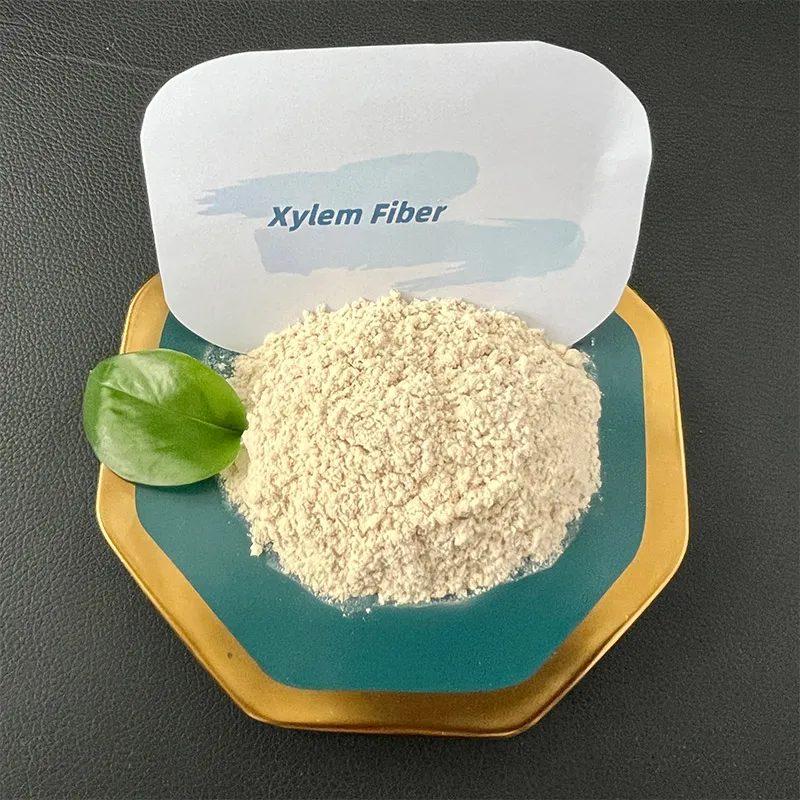
Figure 1: The process of cellulose extraction from wood forms the foundation of xylem fiber production.
Understanding Xylem Fiber: From Wood to Industrial Utility
Xylem fiber is derived from the vascular tissue of trees, specifically the wood cellulose component. Through a combination of chemical treatments and mechanical refinement, this natural material is transformed into a high-performance fiber. The process involves breaking down the lignin and hemicellulose in wood to isolate the cellulose fibers, which are then processed into a form suitable for industrial applications. This method not only preserves the inherent strength of the wood but also enhances its adaptability to various manufacturing needs.
The resulting xylem fiber is characterized by its high tensile strength, absorbency, and biodegradability. These properties make it an ideal alternative to synthetic materials in sectors where sustainability and performance are critical. For instance, in the cellulose wood fibers industry, xylem fiber is used to produce fibre made from wood pulp products that meet stringent environmental standards.
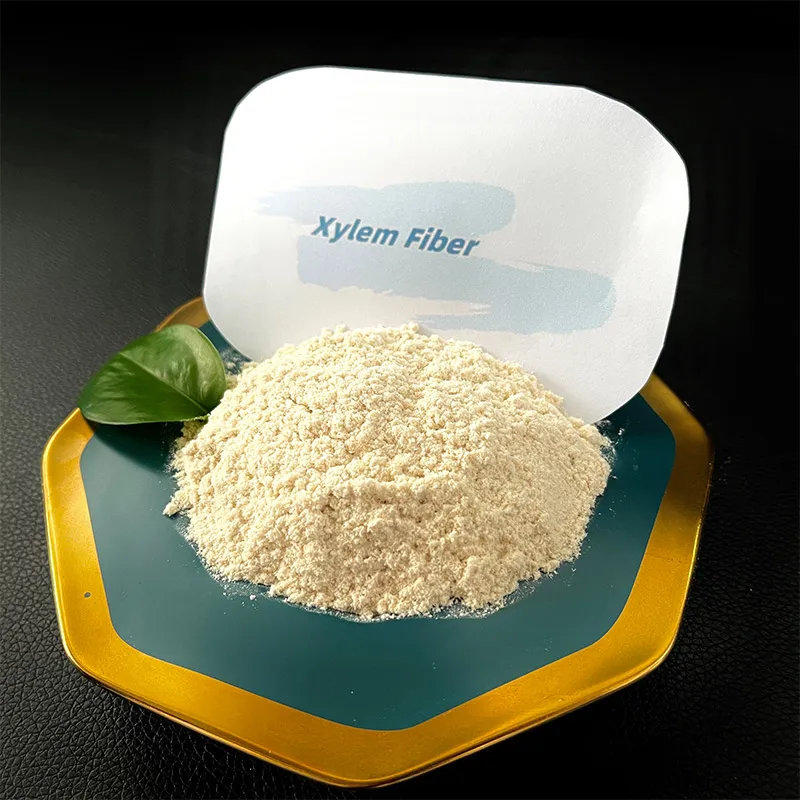
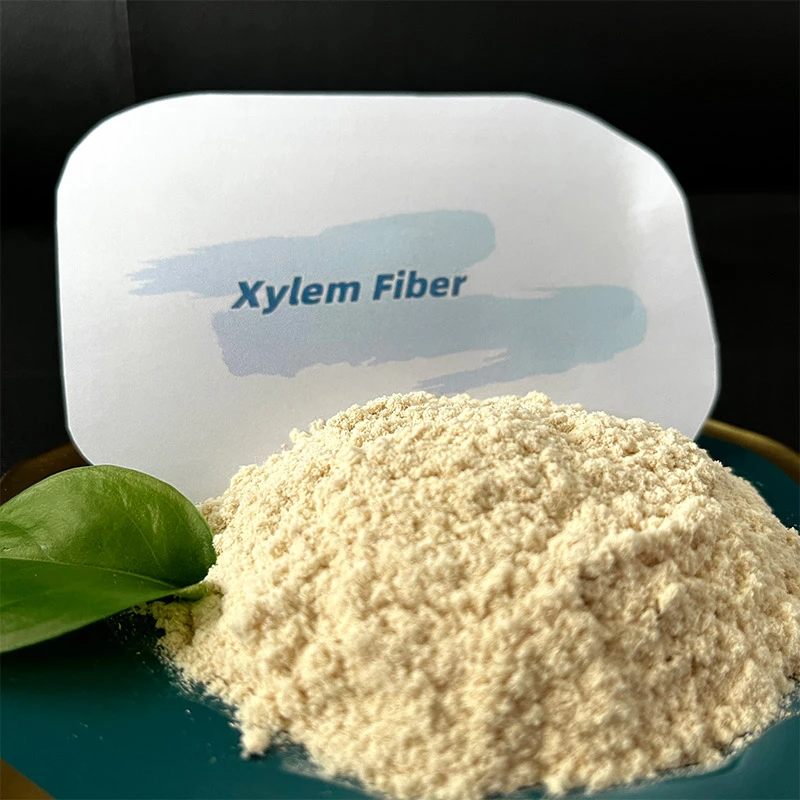
Figure 2: High-quality xylem fiber is a key component in sustainable manufacturing processes.
Key Advantages of Xylem Fiber
The adoption of xylem fiber offers several distinct advantages over traditional materials. One of its primary benefits is its eco-friendly profile. By replacing a portion of conventional raw materials in construction and manufacturing, xylem fiber reduces the carbon footprint of these industries. According to the National Institute of Standards and Technology (NIST), the integration of renewable resources into industrial processes is critical for achieving long-term sustainability goals (NIST, 2025).
Additionally, xylem fiber enhances the mechanical properties of materials it is incorporated into. In construction, for example, it improves the strength and durability of concrete and mortar mixes. This is particularly important in infrastructure projects where longevity and resistance to environmental stressors are paramount. The fiber’s ability to absorb moisture also makes it a valuable component in gypsum products, where it contributes to structural integrity and workability.
Another significant advantage is the biodegradability of xylem fiber. Unlike synthetic alternatives, which can persist in the environment for decades, xylem fiber decomposes naturally, reducing landfill waste. This aligns with the growing emphasis on circular economy principles, where materials are designed to be reused or recycled at the end of their lifecycle.
Technical Specifications of Xylem Fiber
The technical parameters of xylem fiber are tailored to meet the specific requirements of different industries. Below is a summary of its key characteristics:
| Parameter | Specification |
|---|---|
| Fiber Length | Varies from 1 to 5 mm, depending on application |
| Tensile Strength | 1.5–2.5 GPa (depending on processing) |
| Absorbency | Up to 10 times its weight in water |
| Biodegradability | Complete decomposition within 6–12 months under natural conditions |
| Thermal Stability | Resists degradation up to 200°C |
These specifications highlight the versatility of cellulose wood fibers, which can be customized for applications ranging from construction to consumer goods. For detailed technical data, visit the Xylem Fiber Product Page.
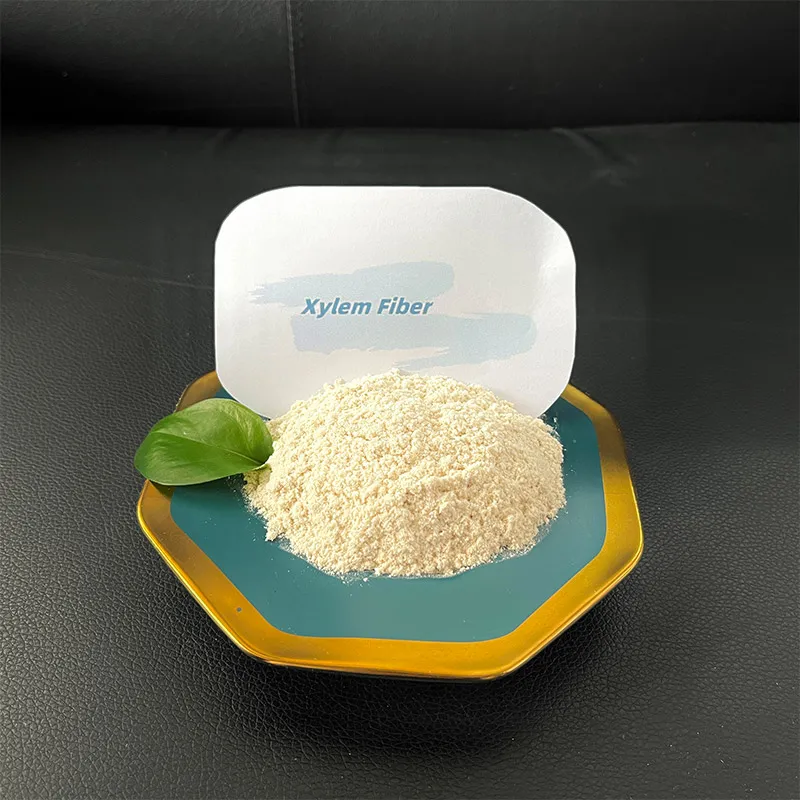
Figure 3: Xylem fiber’s unique structure enables its use in diverse industrial applications.
Applications Across Industries
The adaptability of xylem fiber has led to its widespread use in multiple sectors. Below are some of its primary applications:
1. Construction Industry
In construction, xylem fiber is used to reinforce concrete and mortar mixes. Its high tensile strength improves the material’s resistance to cracking and enhances overall durability. Additionally, it reduces the need for traditional additives, lowering production costs. For example, in medium density fiberboard (MDF) manufacturing, xylem fiber serves as a key ingredient, enabling the production of sustainable building materials (NIST, 2025).
2. Gypsum Products
Xylem fiber is also employed in the production of gypsum boards and other gypsum-based products. Its absorbent properties improve the workability of the mix, while its structural integrity enhances the final product’s strength. This makes it an ideal solution for interior wall systems and ceiling panels.
3. Asphalt Industry
In the asphalt industry, xylem fiber acts as a reinforcing agent, improving the resilience and longevity of road surfaces. By reducing the occurrence of cracks and rutting, it contributes to safer and more durable infrastructure. This application is particularly relevant in regions with extreme weather conditions.
4. Consumer Goods
The fiber’s biodegradability makes it a popular choice for wood pulp sponges and other household products. These items offer a sustainable alternative to synthetic sponges, aligning with consumer demand for eco-friendly solutions.
Company Background: HeBei ShengShi HongBang Cellulose Technology CO.,LTD.
As a leading provider of wood cellulose and cellulose extraction from wood solutions, HeBei ShengShi HongBang Cellulose Technology CO.,LTD. has been at the forefront of sustainable material innovation. The company specializes in developing high-quality xylem fiber products that meet the evolving needs of industries worldwide. With a commitment to environmental responsibility, HeBei ShengShi HongBang ensures that its production processes adhere to strict sustainability standards (Company Profile).
The company’s expertise in fibre made from wood pulp has enabled it to establish partnerships with manufacturers across multiple sectors. By leveraging its advanced processing technologies, HeBei ShengShi HongBang continues to drive the adoption of xylem fiber as a viable alternative to conventional materials.
Conclusion: The Future of Sustainable Manufacturing
Xylem fiber represents a significant step forward in the quest for sustainable industrial solutions. Its unique combination of strength, biodegradability, and versatility positions it as a critical material for the future. As industries continue to prioritize environmental responsibility, the demand for cellulose wood fibers and similar products is expected to grow.
By integrating xylem fiber into their production processes, manufacturers can reduce their ecological footprint while maintaining high product quality. The ongoing research and development in this field, supported by institutions like the National Institute of Standards and Technology (NIST), will further enhance the potential of xylem fiber in addressing global sustainability challenges.
References
-
Industrial Guide to ГПМЦ целлюлоза High Performance CelluloseNewsApr.16,2026
-
Wood Cellulose Properties and Industrial Applications GuideNewsApr.09,2026
-
Does Wood Contain Cellulose A Detailed Exploration of its Composition and UsesNewsApr.07,2026
-
Understanding Wood Cellulose Meaning Applications and Future TrendsNewsApr.04,2026
-
Exploring the Potential of Wood Cellulose is wood cellulose a Sustainable MaterialNewsMar.31,2026
-
Exploring the Sustainability and Versatility of Cellulose Wood ChipsNewsMar.28,2026
-
Understanding Wood Pulp Cellulose A Comprehensive Guide to Properties and ApplicationsNewsMar.26,2026