


Introduction
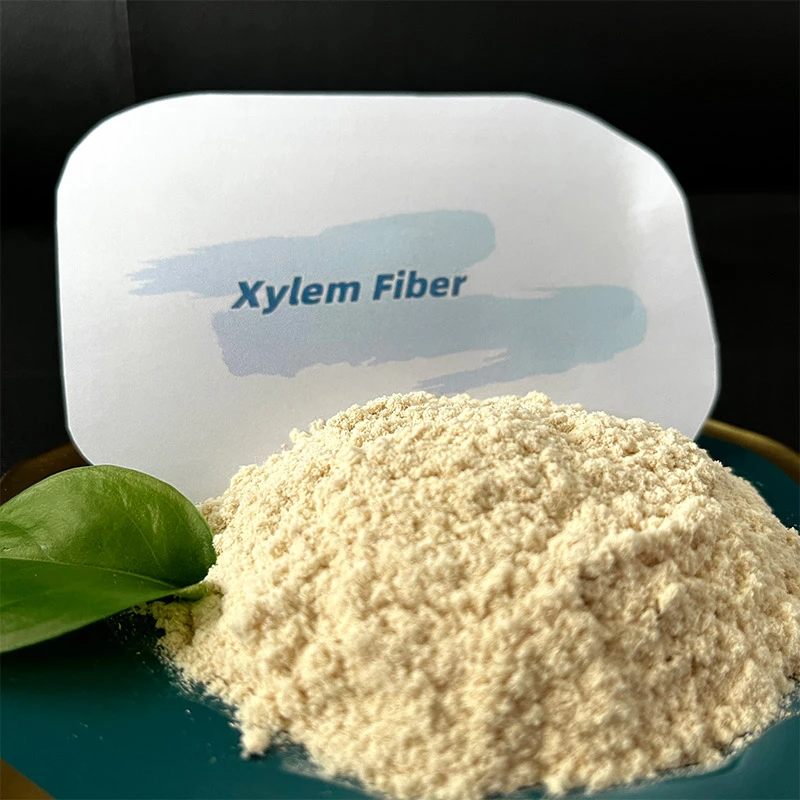
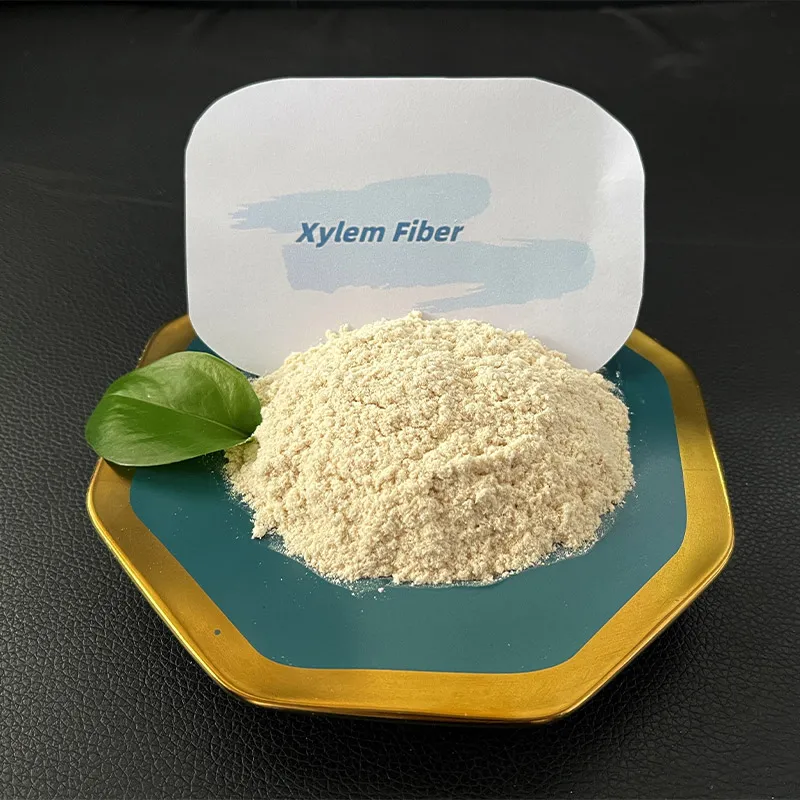
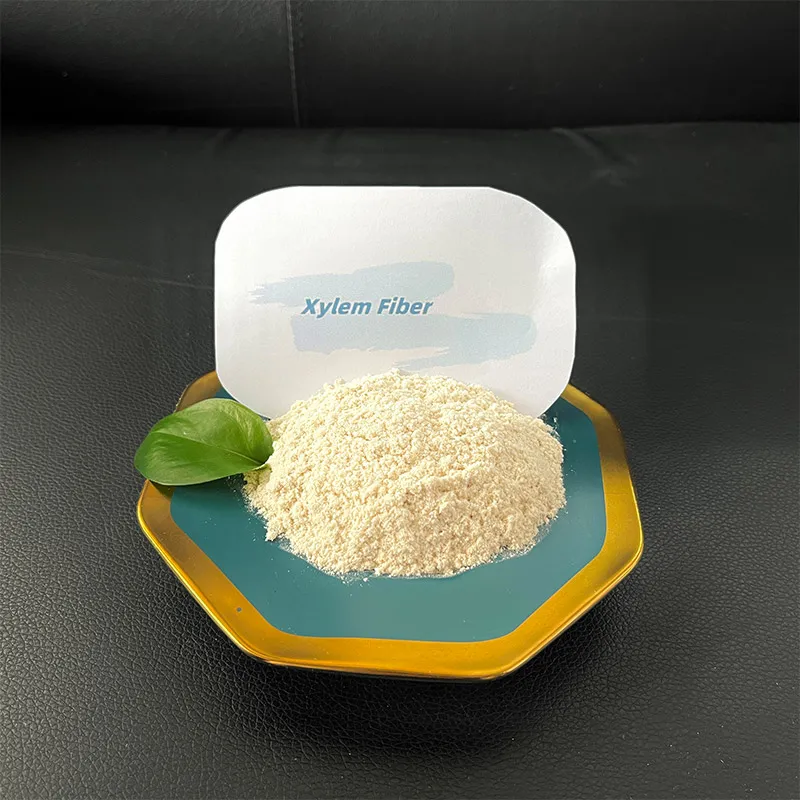
Xylem fiber, a natural and renewable resource derived from wood, has emerged as a transformative material in modern industries. This organic flocculent fiber undergoes advanced chemical treatments and mechanical processing to become a high-quality product with diverse applications. From construction to asphalt manufacturing, xylem fiber enhances material performance while promoting environmental sustainability. This article explores the features, technical specifications, applications, and the company behind this innovative solution, Xylem Fiber.
Understanding Xylem Fiber
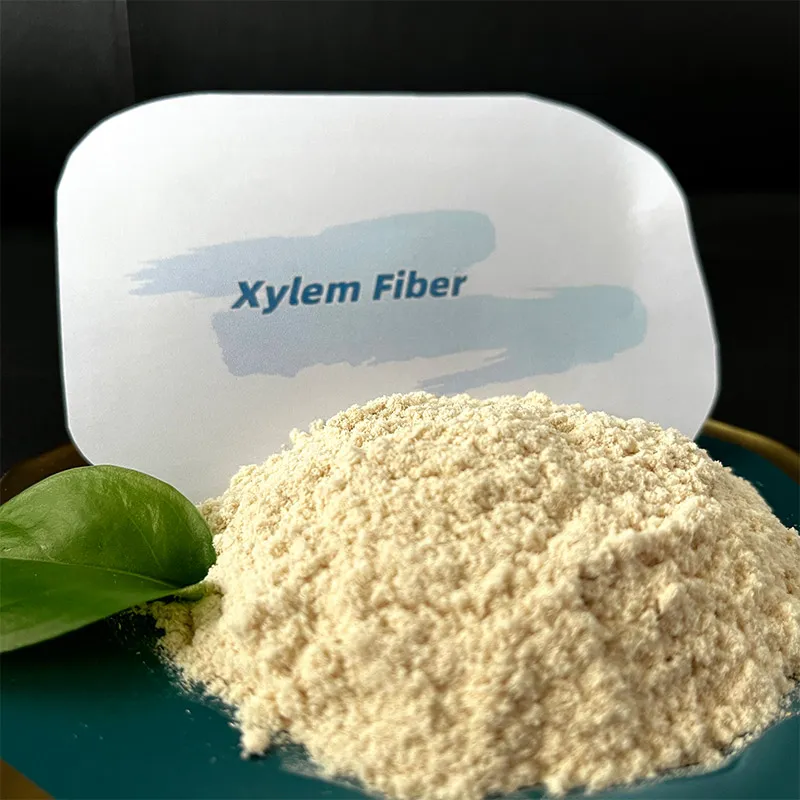
Xylem fiber is extracted from wood through a meticulous process that combines chemical treatments and mechanical refinement. This results in a versatile material with exceptional properties. Unlike traditional synthetic fibers, xylem fiber is biodegradable, reducing environmental impact. Its unique structure allows it to improve the strength, durability, and workability of various materials. Xylem Fiber is a prime example of how natural resources can be harnessed for sustainable innovation.
Key Features and Benefits
The advantages of xylem fiber are manifold. Its ability to enhance the mechanical properties of concrete and mortar makes it a valuable asset in construction. Additionally, it improves the structural integrity of gypsum products and serves as an absorbent material in wood pulp sponges. In the asphalt industry, xylem fiber acts as a reinforcing agent, extending the lifespan of road surfaces. Xylem Fiber also plays a critical role in the production of medium density fiberboard (MDF), offering a sustainable alternative to conventional materials.
Technical Specifications
| Feature | Details |
|---|---|
| Material Source | Wood pulp (cellulose) |
| Processing | Chemical treatments and mechanical refinement |
| Strength | Enhances concrete and mortar durability |
| Biodegradability | 100% biodegradable in natural environments |
| Applications | Construction, asphalt, MDF, gypsum products, and household items |
Applications Across Industries
Xylem fiber's adaptability is evident in its wide range of applications. In the construction industry, it is used to reinforce concrete and mortar, reducing the need for traditional raw materials. In the asphalt industry, it improves road resilience. For MDF production, it ensures sturdy and sustainable building materials. Additionally, xylem fiber is utilized in gypsum products and biodegradable sponges, showcasing its versatility.
Company Background: Hebei Shengshi Hongbang Cellulose Technology Co., Ltd.
Founded in 2005, Hebei Shengshi Hongbang Cellulose Technology Co., Ltd. is a leading manufacturer of cellulose-based products. The company specializes in sustainable materials, with a focus on xylem fiber and related innovations. Committed to environmental responsibility, Hebei Shengshi Hongbang integrates renewable resources into its production processes, aligning with global sustainability goals. Their expertise in cellulose extraction and fiber technology positions them as a key player in the industry.
Sustainability and Environmental Impact
The use of xylem fiber directly contributes to environmental sustainability. By reducing reliance on non-renewable resources, it lowers the carbon footprint of manufacturing processes. According to the National Institute of Standards and Technology (NIST), sustainable materials like xylem fiber play a critical role in advancing green technologies. The cultivation of wood for xylem fiber also promotes responsible forestry practices, supporting ecosystem balance and combating climate change. Xylem Fiber exemplifies how innovation can drive ecological responsibility.
Conclusion
Xylem fiber represents a significant leap forward in sustainable material science. Its multifunctional properties and environmental benefits make it an ideal choice for industries seeking to reduce their ecological impact. As highlighted by NIST, the integration of natural resources like xylem fiber into modern manufacturing is essential for achieving long-term sustainability. Xylem Fiber and its manufacturer, Hebei Shengshi Hongbang, are at the forefront of this movement, offering solutions that align with global environmental standards.
References
National Institute of Standards and Technology (NIST). (n.d.). Standards for Sustainable Materials. Retrieved from https://www.nist.gov/.
Hebei Shengshi Hongbang Cellulose Technology Co., Ltd.. (n.d.). Xylem Fiber Product Page. Retrieved from https://www.sshbhpmc.com/xylem-fiber.html.