

Introduction to Xylem Fiber
Xylem fiber, a natural and renewable resource derived from wood, has emerged as a transformative material in modern industries. This organic flocculent fiber undergoes advanced chemical treatments and mechanical processing to achieve high-quality performance across multiple sectors. As global demand for sustainable solutions grows, xylem fiber stands out as a key player in reducing reliance on non-renewable resources while enhancing product durability and eco-friendliness.
Produced by HeBei ShengShi HongBang Cellulose Technology CO.,LTD., xylem fiber exemplifies the integration of traditional forestry practices with cutting-edge technology. The company, based in China, has positioned itself as a leader in cellulose-based materials, emphasizing innovation and environmental responsibility. For more details, visit their official product page.
Key Features and Technical Specifications
Xylem fiber's unique properties stem from its natural composition and advanced processing. Below is a detailed overview of its technical specifications:
| Parameter | Specification |
|---|---|
| Source Material | Wood pulp (cellulose-rich xylem tissue) |
| Processing Method | Chemical treatment, mechanical refining, and fiber separation |
| Length | Varies from 0.5mm to 5mm (customizable) |
| Surface Texture | Micro-fibrillated, with high surface area |
| Moisture Content | ≤ 10% (dried under controlled conditions) |
| Biodegradability | 100% biodegradable within 6-12 months |
| Thermal Stability | Up to 200°C (non-degradable under normal conditions) |
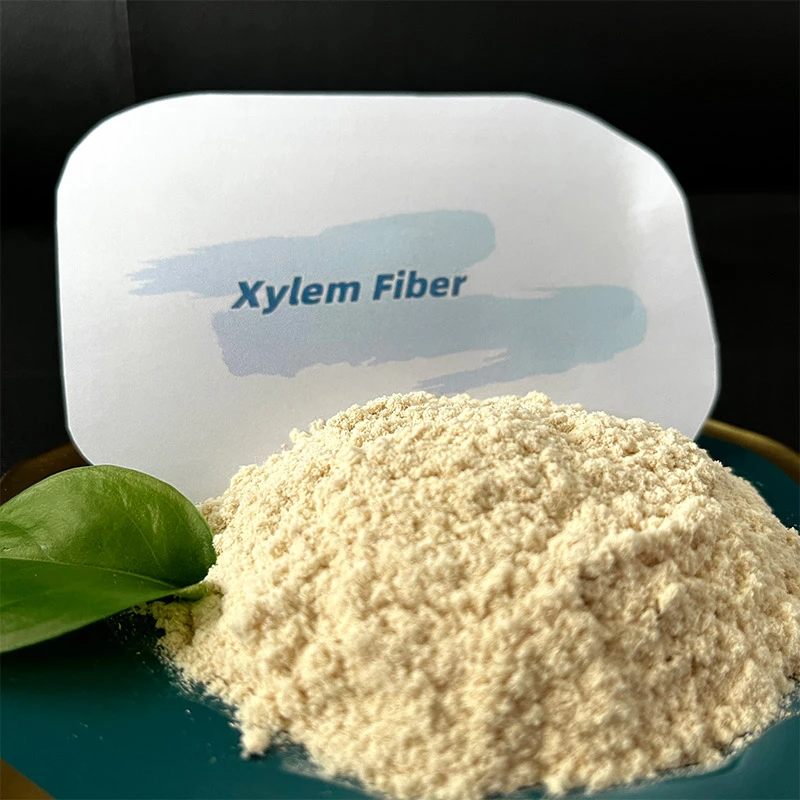
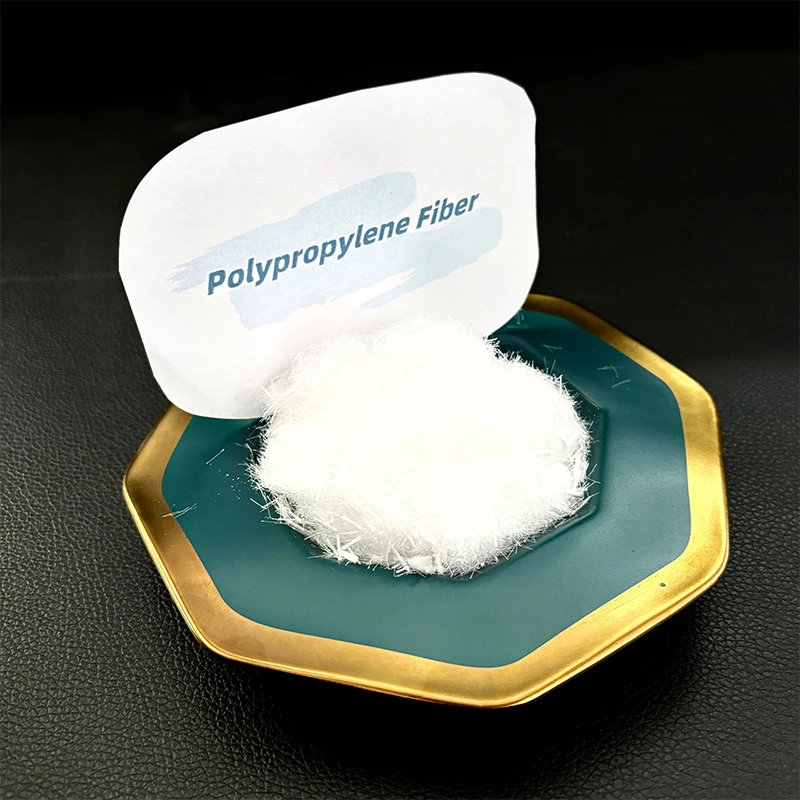
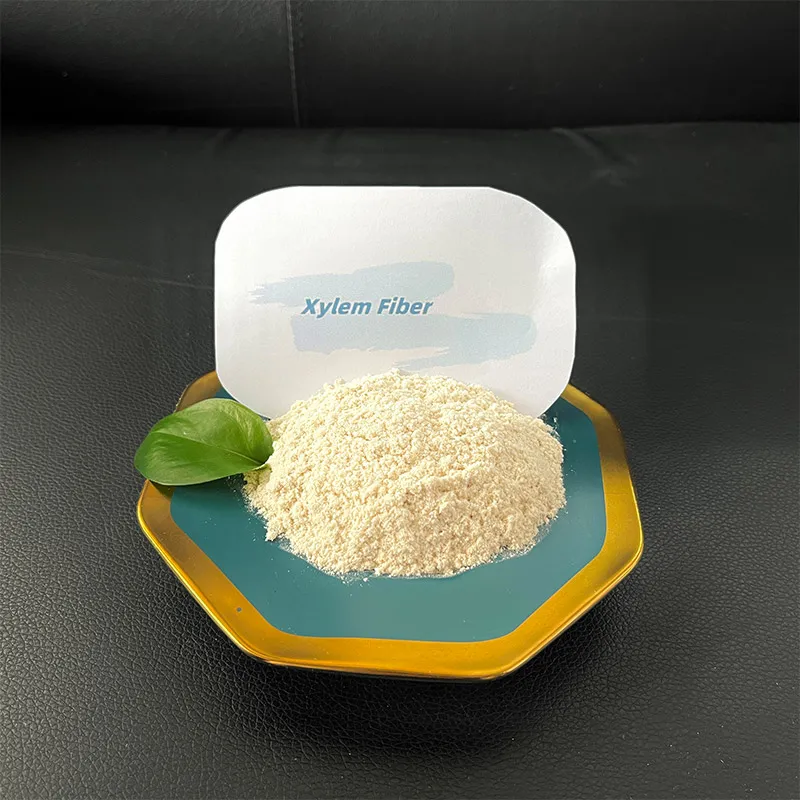
The image above illustrates the refined structure of xylem fiber, highlighting its fibrous texture and uniformity.
Applications Across Industries
Xylem fiber's adaptability has led to its adoption in diverse fields, including construction, manufacturing, and environmental technologies. Here are some of its critical applications:
1. Construction Sector
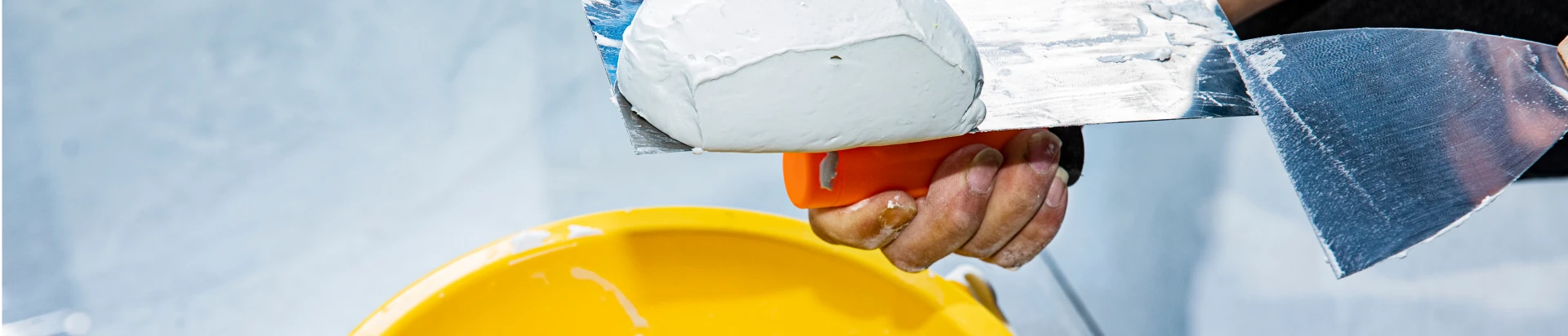
In the construction industry, xylem fiber enhances the performance of concrete and mortar mixes. Its inclusion improves compressive strength, reduces cracking, and increases durability. According to the National Institute of Standards and Technology (NIST), "Fibrous additives like xylem fiber can significantly enhance the mechanical properties of cementitious materials, aligning with sustainability goals" (NIST Reference). Additionally, it is used in gypsum products to improve workability and structural integrity.
2. Asphalt Industry
Xylem fiber acts as a reinforcing agent in asphalt production. By improving the cohesion between aggregates, it enhances the resilience of road surfaces, reducing wear and tear. This application is particularly valuable in high-traffic areas where durability is critical.
3. Medium Density Fiberboard (MDF)
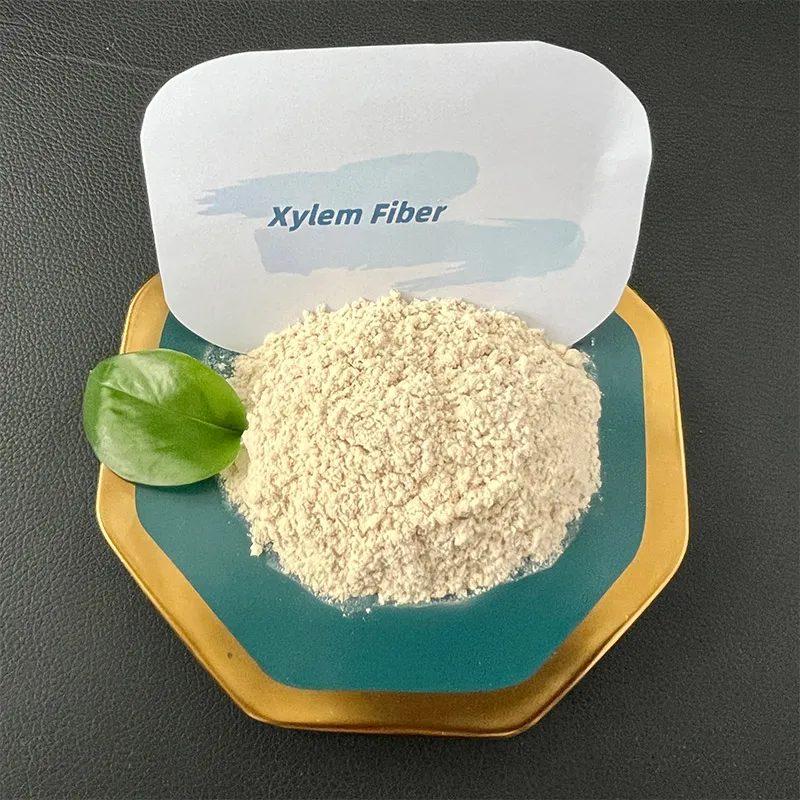
In the manufacturing of MDF, xylem fiber serves as a key ingredient, offering a sustainable alternative to traditional wood particles. The resulting panels are sturdy, lightweight, and environmentally friendly. The image below showcases the integration of xylem fiber in MDF production.
4. Wood Pulp Sponges
Xylem fiber's absorbent properties make it ideal for manufacturing biodegradable sponges. These sponges are used in household cleaning and industrial applications, offering an eco-friendly alternative to synthetic materials.
Environmental and Economic Benefits
The use of xylem fiber supports sustainable forestry practices and reduces the carbon footprint of manufacturing processes. By replacing conventional materials like synthetic fibers or non-renewable resources, industries can lower their environmental impact while maintaining product quality.
According to a study by NIST, "The adoption of natural fibers in industrial applications can reduce greenhouse gas emissions by up to 30% compared to traditional materials" (NIST Reference). This aligns with global efforts to combat climate change and promote circular economy principles.
Company Background: HeBei ShengShi HongBang Cellulose Technology CO.,LTD.
HeBei ShengShi HongBang Cellulose Technology CO.,LTD. is a leading manufacturer of cellulose-based products, specializing in xylem fiber and related materials. The company's commitment to innovation and sustainability has positioned it as a key player in the global market for eco-friendly industrial solutions.
With a focus on research and development, the company continuously improves its processing techniques to meet the evolving needs of industries. Their products are exported to over 30 countries, demonstrating the international demand for sustainable materials.
For more information about their services and product range, visit HeBei ShengShi HongBang's official website.
Future Prospects and Innovations
The potential of xylem fiber extends beyond its current applications. Researchers are exploring its use in advanced materials such as biodegradable packaging, composite materials, and even biomedical applications. As industries prioritize sustainability, the demand for xylem fiber is expected to grow significantly.
According to NIST, "The integration of natural fibers into high-performance materials is a critical area of research for future sustainable technologies" (NIST Reference). This underscores the importance of continued investment in fiber-based solutions.
Conclusion
Xylem fiber represents a paradigm shift in material science, combining the benefits of natural resources with modern technological advancements. Its versatility, environmental advantages, and economic viability make it a cornerstone of sustainable industrial practices. As industries continue to evolve, xylem fiber will play an increasingly vital role in shaping a greener future.