-

Add: HeBei ShengShi HongBang Cellulose Technology CO.,LTD.
-

Email
13180486930@163.com -

CONTACT US
+86 13180486930
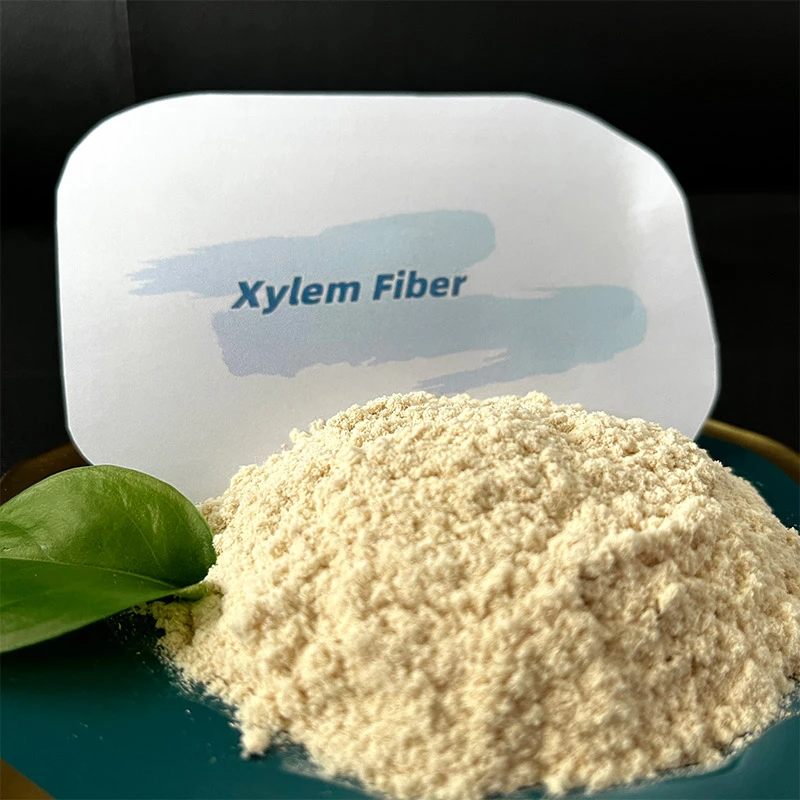
Xylem Fiber - Sustainable Building Material by HeBei ShengShi HongBang
Introduction to Xylem Fiber
Xylem Fiber, a natural and renewable resource derived from wood, has emerged as a transformative material in modern industries. This organic flocculent fiber undergoes advanced chemical treatments and mechanical processing to become a high-quality product with diverse applications. From construction to asphalt manufacturing, Xylem Fiber exemplifies the synergy between ecological responsibility and industrial innovation. HeBei ShengShi HongBang Cellulose Technology CO.,LTD., the company behind this breakthrough, has positioned itself as a leader in sustainable material solutions. This article explores the features, advantages, technical specifications, and applications of Xylem Fiber, while highlighting its role in advancing green technologies.
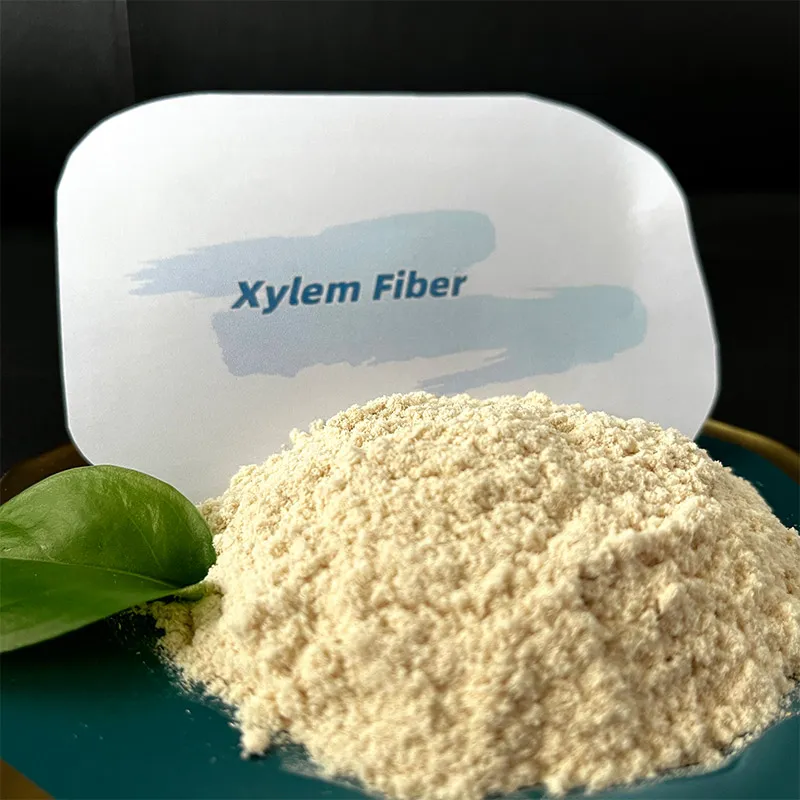
Key Features of Xylem Fiber
Xylem Fiber is distinguished by its unique properties, which make it a versatile material across multiple industries. The fiber is derived from wood pulp, a process that involves meticulous chemical treatments to enhance its structural integrity. This results in a material that is both durable and biodegradable. Its natural composition ensures minimal environmental impact, aligning with global sustainability goals. Additionally, Xylem Fiber exhibits exceptional absorbency and flexibility, making it suitable for applications ranging from construction to household products. The integration of cellulose extraction from wood techniques further amplifies its utility, offering a renewable alternative to traditional synthetic materials.
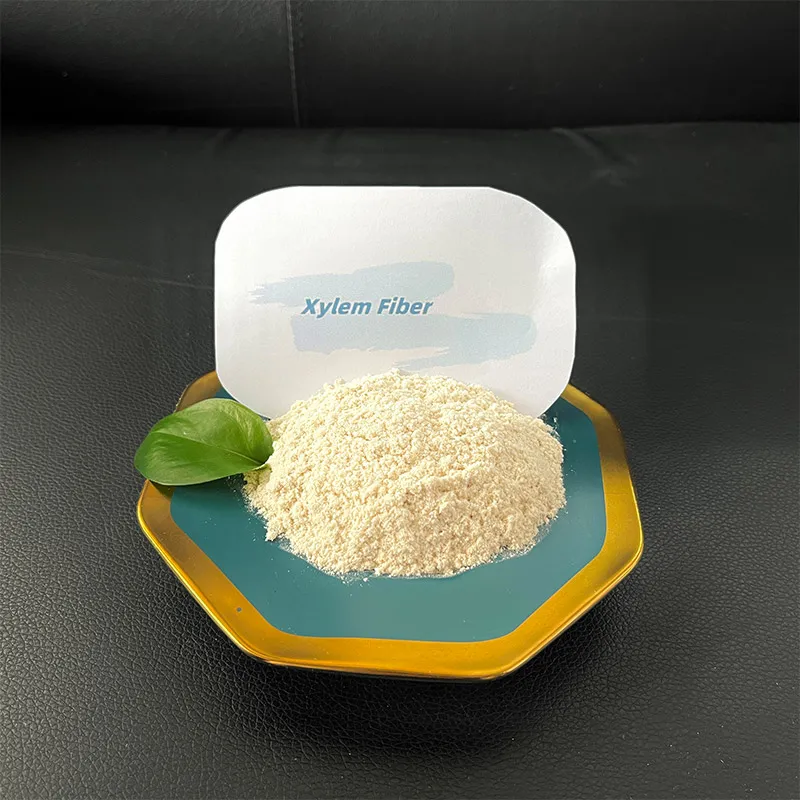
Advantages of Xylem Fiber
The advantages of Xylem Fiber extend beyond its eco-friendly nature. One of its primary benefits is its ability to enhance the strength and durability of construction materials. When incorporated into concrete and mortar mixes, Xylem Fiber improves structural integrity, reducing the need for traditional raw materials. This not only lowers costs but also minimizes the carbon footprint associated with conventional construction practices. Furthermore, its use in gypsum products and medium density fiberboard (MDF) enhances workability and resilience, making it a preferred choice for manufacturers. In the asphalt industry, Xylem Fiber acts as a reinforcing agent, prolonging the lifespan of roads and reducing maintenance expenses. The fiber’s biodegradability also makes it an ideal solution for producing wood pulp sponges, offering a sustainable alternative to plastic-based products.
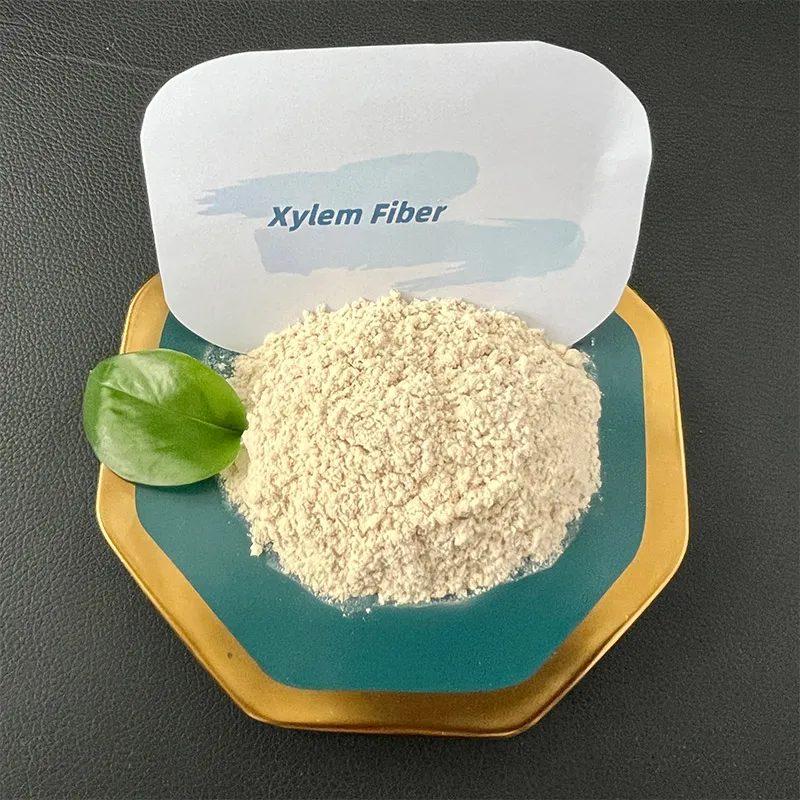
Technical Specifications of Xylem Fiber
| Parameter | Details |
|---|---|
| Material Source | Wood pulp |
| Processing Method | Chemical treatments and mechanical processing |
| Key Properties | High tensile strength, biodegradability, absorbency |
| Applications | Concrete, asphalt, MDF, gypsum products, wood pulp sponges |
| Environmental Impact | Renewable resource, reduces carbon footprint |
The technical specifications of Xylem Fiber underscore its adaptability and performance. Its high tensile strength ensures it can withstand rigorous industrial applications, while its biodegradability aligns with environmental standards. The fiber’s absorbency makes it ideal for products like sponges, and its ability to reinforce materials like concrete and asphalt highlights its engineering value. These attributes make Xylem Fiber a critical component in the transition toward sustainable manufacturing.
Application Scenarios of Xylem Fiber
Xylem Fiber’s versatility is evident in its wide range of applications. In the construction sector, it is used to enhance the properties of concrete and mortar mixes, improving their strength and durability. This reduces the reliance on non-renewable resources, such as cement, and contributes to sustainable building practices. In the production of gypsum products, Xylem Fiber enhances structural integrity, making it a preferred additive for drywall and plaster. Its role in the asphalt industry is equally significant, where it acts as a reinforcing agent, increasing the resilience of road surfaces. Additionally, Xylem Fiber is a key ingredient in medium density fiberboard (MDF), enabling the creation of durable and eco-friendly building materials. The fiber’s absorbent properties also make it a valuable component in the manufacturing of wood pulp sponges, offering a biodegradable alternative to synthetic sponges.
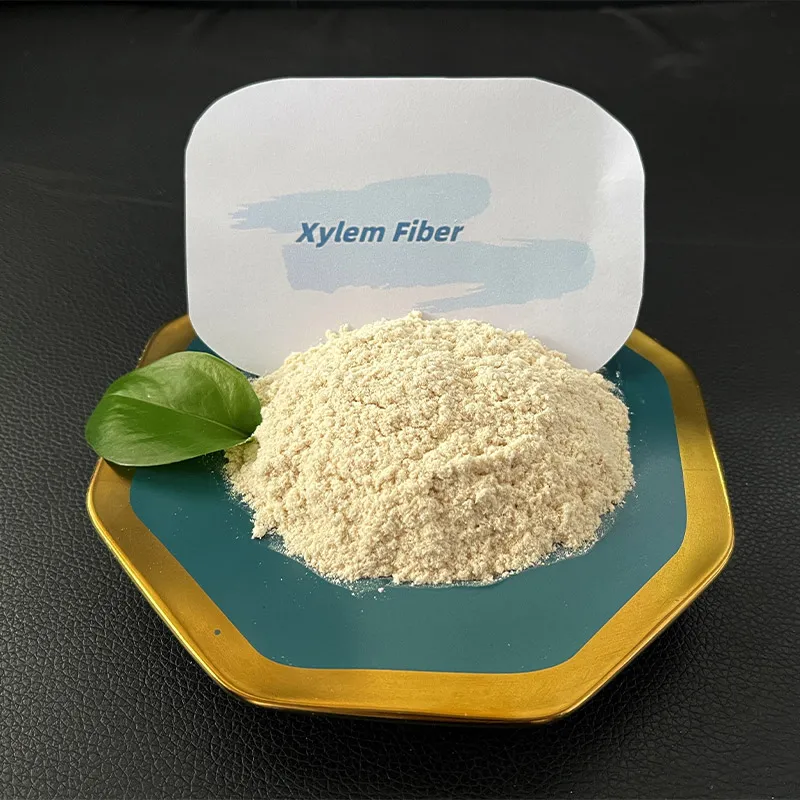
Company Background: HeBei ShengShi HongBang Cellulose Technology CO.,LTD.
HeBei ShengShi HongBang Cellulose Technology CO.,LTD. is a pioneering company in the development and production of sustainable materials. With a focus on innovation and environmental responsibility, the company has established itself as a leader in the cellulose industry. Their expertise in cellulose extraction from wood and fiber processing has enabled the creation of high-quality products like Xylem Fiber. The company’s commitment to sustainability is reflected in its practices, which prioritize renewable resources and eco-friendly manufacturing processes. By leveraging cutting-edge technologies, HeBei ShengShi HongBang Cellulose Technology CO.,LTD. continues to drive the adoption of green materials in various industries. Their contributions to the field of sustainable development have positioned them as a trusted partner for manufacturers seeking to reduce their environmental impact.
Environmental and Economic Impact
The use of Xylem Fiber has significant environmental and economic implications. By reducing the demand for non-renewable resources, it helps lower greenhouse gas emissions and conserve natural ecosystems. The cultivation and processing of Xylem Fiber also promote responsible forestry practices, ensuring that wood resources are managed sustainably. Economically, the material offers cost-effective solutions for manufacturers, as its durability and versatility reduce the need for frequent replacements. Additionally, the production of Xylem Fiber supports local economies by creating jobs in the forestry and manufacturing sectors. According to a study by the National Institute of Standards and Technology (NIST), the integration of renewable materials like Xylem Fiber can lead to a 30% reduction in the carbon footprint of construction projects. This aligns with global efforts to combat climate change and promote sustainable development.
Source: National Institute of Standards and Technology (NIST)
Future Prospects and Innovations
The future of Xylem Fiber looks promising as industries continue to prioritize sustainability. Ongoing research and development efforts are focused on expanding its applications and improving its performance. For instance, scientists are exploring ways to enhance the fiber’s thermal insulation properties, making it suitable for energy-efficient building materials. Additionally, advancements in processing technologies are expected to increase the efficiency of Xylem Fiber production, further reducing costs. As the demand for eco-friendly products grows, the role of Xylem Fiber in driving innovation will only become more significant. Companies like HeBei ShengShi HongBang Cellulose Technology CO.,LTD. are well-positioned to lead these developments, ensuring that Xylem Fiber remains at the forefront of sustainable material solutions.
Conclusion
Xylem Fiber represents a paradigm shift in the way industries approach material selection. Its combination of eco-friendliness, durability, and versatility makes it an ideal choice for manufacturers seeking sustainable alternatives. From construction to asphalt, the applications of Xylem Fiber are vast and impactful. The contributions of HeBei ShengShi HongBang Cellulose Technology CO.,LTD. in developing this innovative material highlight the importance of investing in renewable resources. As the world moves toward a greener future, Xylem Fiber stands as a testament to the potential of natural materials in driving technological and environmental progress. By embracing solutions like Xylem Fiber, industries can achieve a balance between economic growth and ecological preservation, ensuring a sustainable future for generations to come.
-
Industrial Guide to ГПМЦ целлюлоза High Performance CelluloseNewsApr.16,2026
-
Wood Cellulose Properties and Industrial Applications GuideNewsApr.09,2026
-
Does Wood Contain Cellulose A Detailed Exploration of its Composition and UsesNewsApr.07,2026
-
Understanding Wood Cellulose Meaning Applications and Future TrendsNewsApr.04,2026
-
Exploring the Potential of Wood Cellulose is wood cellulose a Sustainable MaterialNewsMar.31,2026
-
Exploring the Sustainability and Versatility of Cellulose Wood ChipsNewsMar.28,2026
-
Understanding Wood Pulp Cellulose A Comprehensive Guide to Properties and ApplicationsNewsMar.26,2026