


Introduction to Xylem Fiber
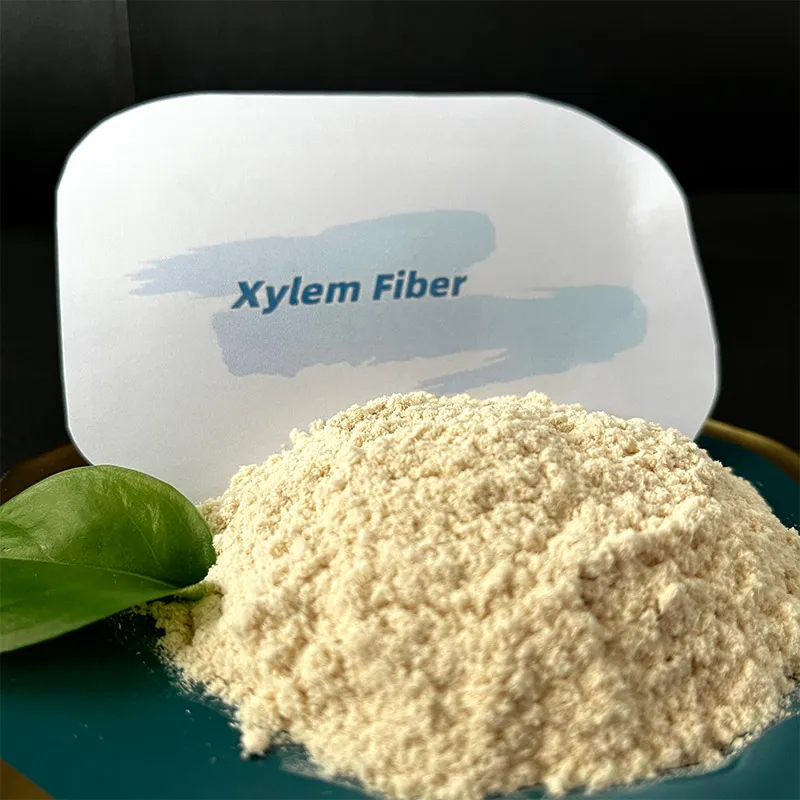
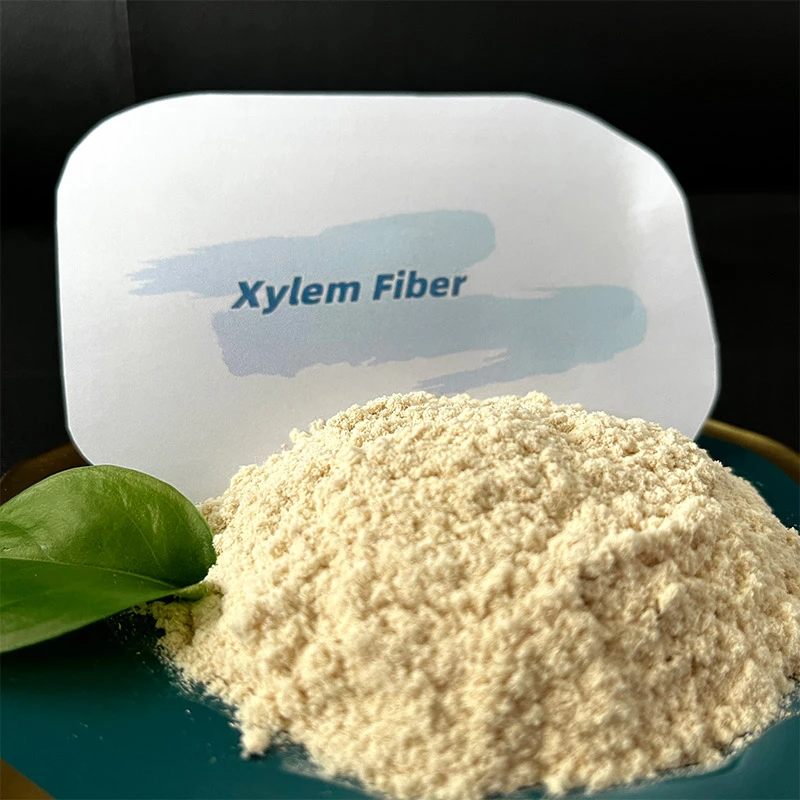
Xylem fiber, a natural and renewable resource derived from wood, has emerged as a transformative material in various industries. This organic flocculent fiber undergoes chemical treatments and mechanical processing to become a high-quality product with versatile applications. From construction to asphalt manufacturing, xylem fiber is redefining sustainability and performance. 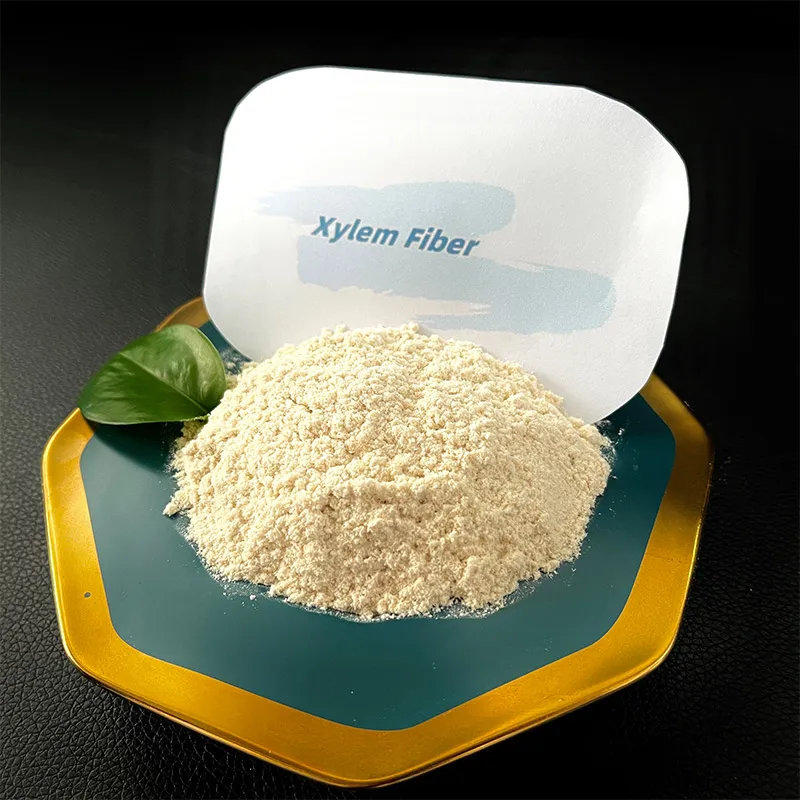
Key Features of Xylem Fiber
Xylem fiber is distinguished by its eco-friendly attributes and adaptability. Its unique properties include:
- Biodegradability: Naturally breaks down in the environment, reducing waste.
- Strength Enhancement: Improves the structural integrity of materials like concrete and MDF.
- Moisture Absorption: Ideal for applications requiring water retention, such as wood pulp sponges.
- Sustainability: Derived from renewable wood sources, promoting responsible forestry practices.
These features make it a preferred choice for industries seeking to balance performance with environmental stewardship.
Advantages of Xylem Fiber
The integration of xylem fiber into industrial processes offers significant benefits:
- Reduced Carbon Footprint: Replaces traditional materials, lowering greenhouse gas emissions.
- Cost-Effectiveness: Enhances material efficiency, reducing raw material costs.
- Improved Durability: Extends the lifespan of products like asphalt roads and concrete structures.
- Regulatory Compliance: Aligns with global sustainability standards and certifications.
According to the National Institute of Standards and Technology (NIST), sustainable materials like xylem fiber are critical for advancing green technologies (NIST, 2025). This aligns with the growing demand for eco-conscious solutions in manufacturing and construction.
Technical Specifications
| Parameter | Specification |
|---|---|
| Fiber Length | 1-5 mm (varies by application) |
| Tensile Strength | 15-25 MPa |
| Moisture Content | 5-8% (dried) |
| Biodegradability | 100% biodegradable in 6-12 months |
| Chemical Resistance | Resists mild acids and alkalis |
These specifications highlight xylem fiber's versatility and suitability for diverse industrial needs.
Application Scenarios
Xylem fiber's applications span multiple sectors, including:
Construction Industry
Enhances concrete and mortar mixes by improving strength and reducing the need for traditional aggregates. It also strengthens gypsum products, offering better workability and structural stability.
Asphalt Manufacturing
Serves as a reinforcing agent, improving the resilience of asphalt roads. This reduces maintenance costs and extends road longevity.
Wood Pulp Sponges
Provides an eco-friendly alternative to synthetic sponges, leveraging its absorbent properties for household and industrial cleaning applications.
Medium Density Fiberboard (MDF)
Key ingredient in MDF production, enabling the creation of durable, sustainable building materials for home construction.
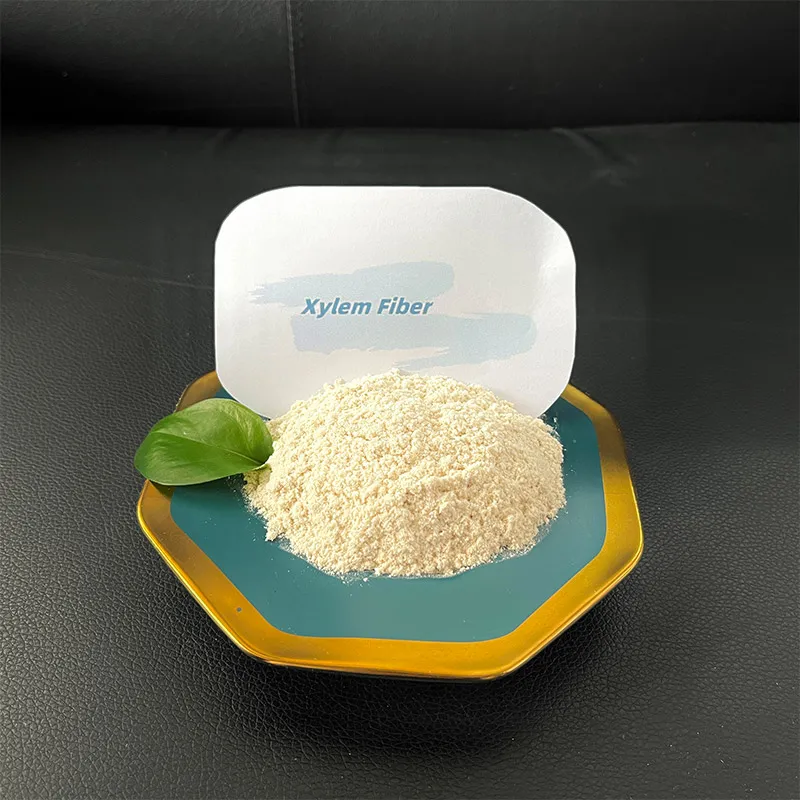
Company Background: HeBei ShengShi HongBang Cellulose Technology CO.,LTD.
Based in Xinji City, Hebei Province, HeBei ShengShi HongBang Cellulose Technology CO.,LTD. is a leading manufacturer of xylem fiber and related cellulose products. The company specializes in sustainable solutions, leveraging advanced processing techniques to deliver high-quality materials. With a commitment to environmental responsibility, HeBei ShengShi HongBang supports global efforts to reduce reliance on non-renewable resources.
As highlighted by NIST, companies like HeBei ShengShi HongBang play a pivotal role in driving innovation in sustainable manufacturing (NIST, 2025). Their expertise in cellulose extraction from wood ensures products meet rigorous industry standards.
Environmental and Economic Impact
The use of xylem fiber contributes to both environmental and economic sustainability:
- Ecosystem Balance: Promotes responsible forestry practices, ensuring long-term forest health.
- Climate Change Mitigation: Reduces carbon emissions through renewable resource utilization.
- Market Growth: Drives demand for green technologies, creating opportunities for innovation and job creation.
HeBei ShengShi HongBang’s focus on fibre made from wood pulp exemplifies how industries can align with global sustainability goals while maintaining profitability.
Future Prospects and Innovations
As industries prioritize sustainability, the potential of xylem fiber continues to expand. Research into advanced processing techniques and new applications is ongoing. For instance, xylem fiber could revolutionize cellulose wood fibers in bioplastics and composite materials. HeBei ShengShi HongBang remains at the forefront of these developments, investing in R&D to unlock new possibilities.
According to NIST, "The integration of natural fibers like xylem into modern manufacturing is a key step toward achieving a circular economy" (NIST, 2025). This underscores the importance of continued innovation in this field.
Conclusion
Xylem fiber represents a paradigm shift in material science, offering a sustainable alternative to traditional resources. Its applications across industries, combined with the expertise of companies like HeBei ShengShi HongBang, highlight its potential to drive environmental and economic progress. As the demand for eco-friendly solutions grows, xylem fiber will play an increasingly vital role in shaping a sustainable future.