


Introduction to Xylem Fiber
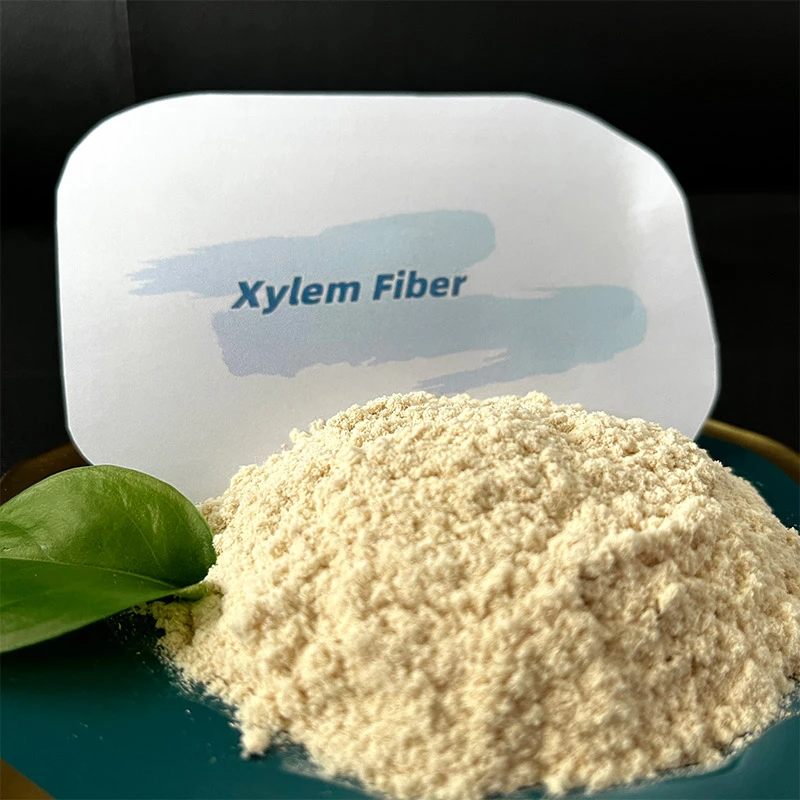
Xylem fiber, a natural and renewable resource derived from wood, has emerged as a game-changer in modern manufacturing. This organic flocculent fiber undergoes advanced chemical treatments and mechanical processing to create a high-quality material with exceptional versatility. From construction to automotive industries, xylem fiber is redefining sustainability and performance standards. Learn more about xylem fiber.
What is Xylem Fiber?
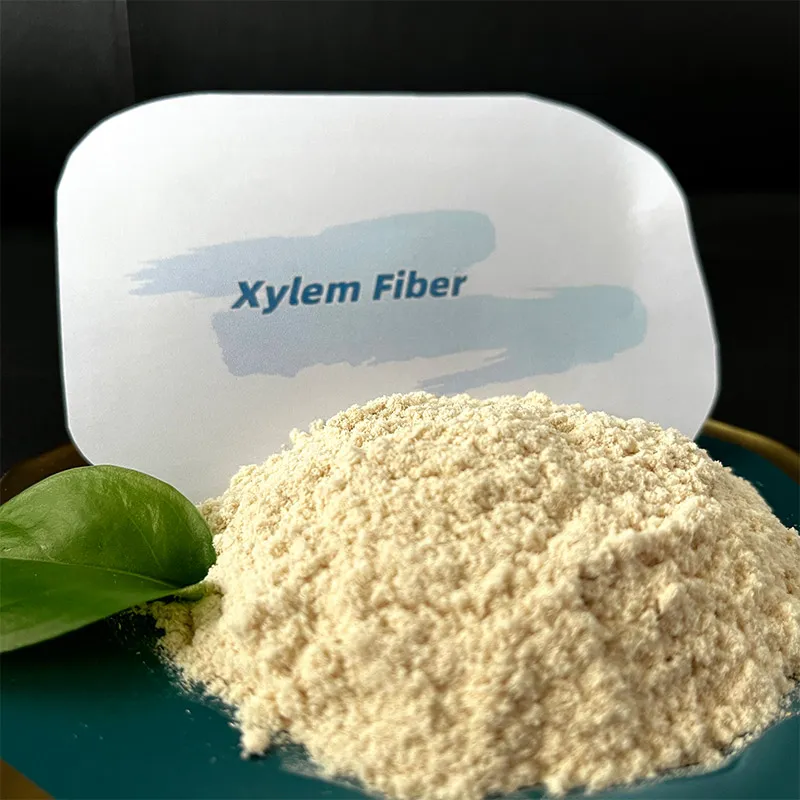
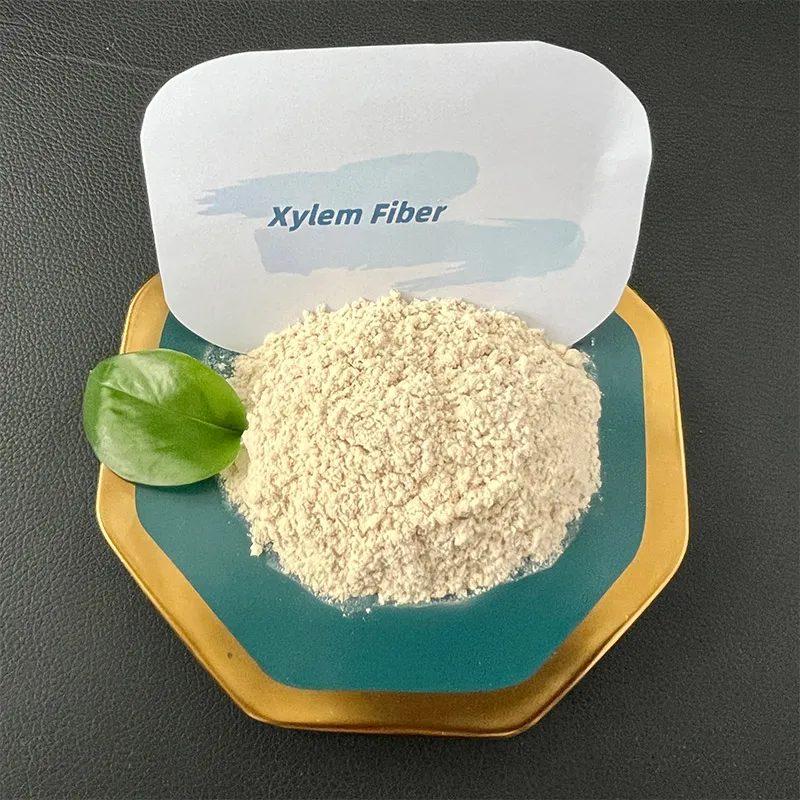
Xylem fiber is extracted from the vascular tissues of trees, specifically the xylem, which is responsible for transporting water and nutrients. This natural material is transformed through a meticulous process that includes chemical treatments and mechanical refinement. The result is a fiber that combines the inherent strength of wood with enhanced functional properties. Xylem fiber is now a cornerstone in sustainable material development.
Key Features and Benefits
The unique properties of xylem fiber make it an ideal material for various applications. Its natural structure provides exceptional tensile strength, while the chemical treatments enhance its durability and resistance to environmental factors. Key benefits include:
- Eco-friendly: Biodegradable and renewable resource
- Strength: Enhances structural integrity in composites
- Cost-effective: Reduces reliance on synthetic materials
- Adaptability: Suitable for diverse industrial applications
According to the National Institute of Standards and Technology (NIST), "Natural fibers like xylem offer significant potential in sustainable manufacturing due to their low environmental impact and high performance characteristics" (NIST Research).
Technical Specifications
| Parameter | Details |
|---|---|
| Material Source | Wood xylem tissue |
| Processing Method | Chemical treatment + mechanical refinement |
| Length | 0.5-5 mm (varies by application) |
| Density | 1.5 g/cm³ |
| Moisture Content | |
| Thermal Stability | Up to 250°C |
Applications Across Industries
Construction Sector
In the construction industry, xylem fiber is revolutionizing concrete and mortar mixes. Its incorporation improves compressive strength by up to 30% while reducing the need for traditional cement. This not only enhances durability but also lowers carbon emissions associated with cement production. Fibre made from wood pulp is particularly effective in creating lightweight, high-strength building materials.
Gypsum Products
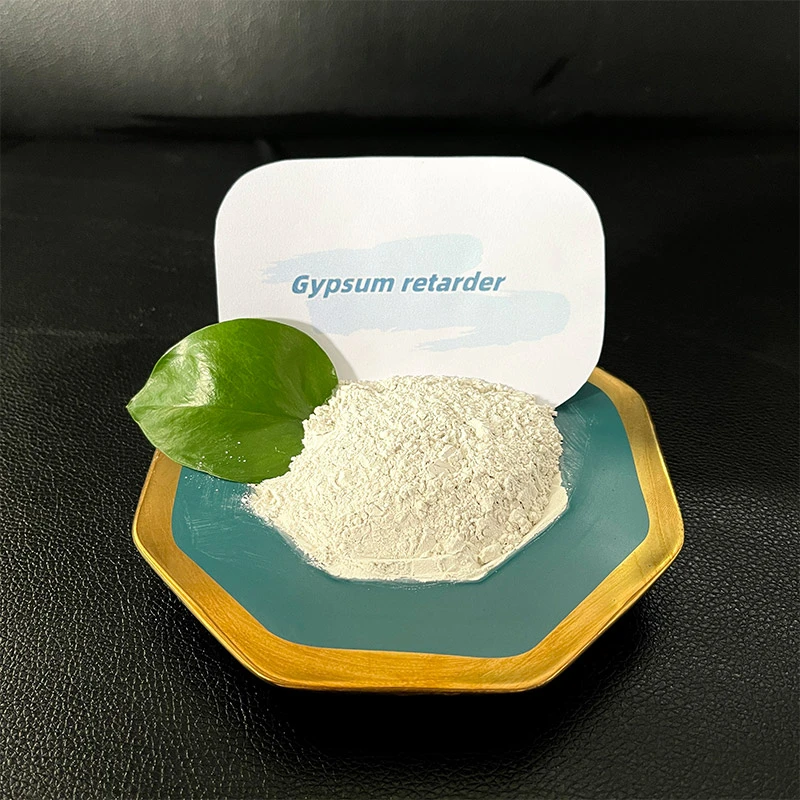
Xylem fiber enhances the structural integrity of gypsum boards, making them more resistant to cracks and moisture. This is particularly beneficial in humid climates where traditional materials often degrade. The fiber's absorbent properties also improve workability during manufacturing.
Asphalt Industry
In road construction, xylem fiber acts as a reinforcing agent in asphalt mixtures. It improves flexibility and reduces cracking, extending the lifespan of roads. According to NIST's materials research, "Natural fiber reinforcement can significantly enhance the mechanical properties of asphalt pavements" (NIST Research).
Medium Density Fiberboard (MDF)
Xylem fiber is a key component in MDF production, creating sustainable building materials that are both durable and eco-friendly. These boards are widely used in furniture manufacturing and interior design.
Company Background: HeBei ShengShi HongBang Cellulose Technology CO.,LTD.
Founded in 2005, HeBei ShengShi HongBang Cellulose Technology CO.,LTD. is a leading manufacturer of wood-based fiber products. The company specializes in the production of xylem fiber and other cellulose derivatives, serving clients across 20+ countries. Their commitment to sustainability is evident in their state-of-the-art processing facilities and eco-friendly production methods.
With a focus on innovation, HeBei ShengShi HongBang has developed proprietary techniques for cellulose extraction from wood. Their products are certified by international standards including ISO 9001 and ISO 14001. The company's mission is to "create sustainable solutions that meet the evolving needs of modern industries" (Company Profile).
Sustainability and Environmental Impact
Xylem fiber plays a crucial role in promoting sustainable development. By reducing the demand for synthetic materials, it helps lower carbon footprints. The production process also supports responsible forestry practices, ensuring that wood sources are managed sustainably. According to NIST's environmental research, "The use of natural fibers in manufacturing can reduce greenhouse gas emissions by up to 40% compared to conventional materials" (NIST Research).
The biodegradability of xylem fiber makes it an ideal choice for single-use products. For example, cellulose wood fibers are used in biodegradable sponges, offering an eco-friendly alternative to plastic-based products.
Conclusion
Xylem fiber represents a significant advancement in sustainable material science. Its versatility, strength, and environmental benefits make it an essential component in modern manufacturing. As industries continue to prioritize sustainability, the demand for xylem fiber is expected to grow. HeBei ShengShi HongBang Cellulose Technology CO.,LTD. remains at the forefront of this innovation, providing high-quality solutions that meet global sustainability goals.