-

Add: HeBei ShengShi HongBang Cellulose Technology CO.,LTD.
-

Email
13180486930@163.com -

CONTACT US
+86 13180486930
Xylem Fiber-HeBei ShengShi HongBang Cellulose Technology CO.,LTD.|Eco-Friendly Sustainable Solution&Industrial Applications
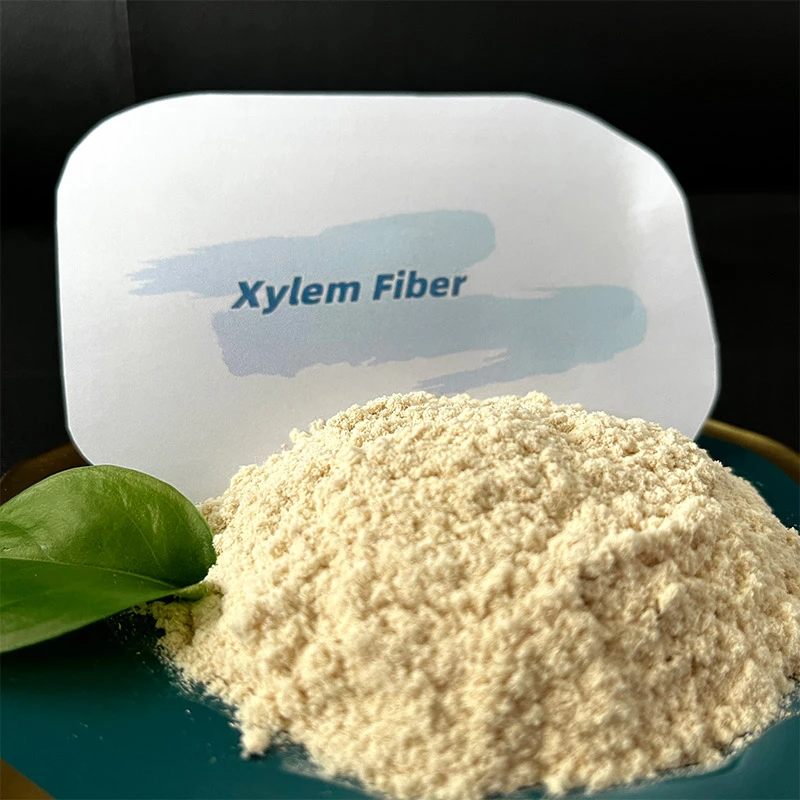
Xylem Fiber, a natural and renewable resource derived from wood, has emerged as a game-changer in various industries due to its eco-friendly attributes and versatility. This organic flocculent fiber material undergoes chemical treatments and mechanical processing to become a high-quality product suitable for a wide range of applications. From construction to asphalt, Xylem Fiber is redefining sustainability in manufacturing. Below, we explore its features, applications, and the company behind this innovative solution.
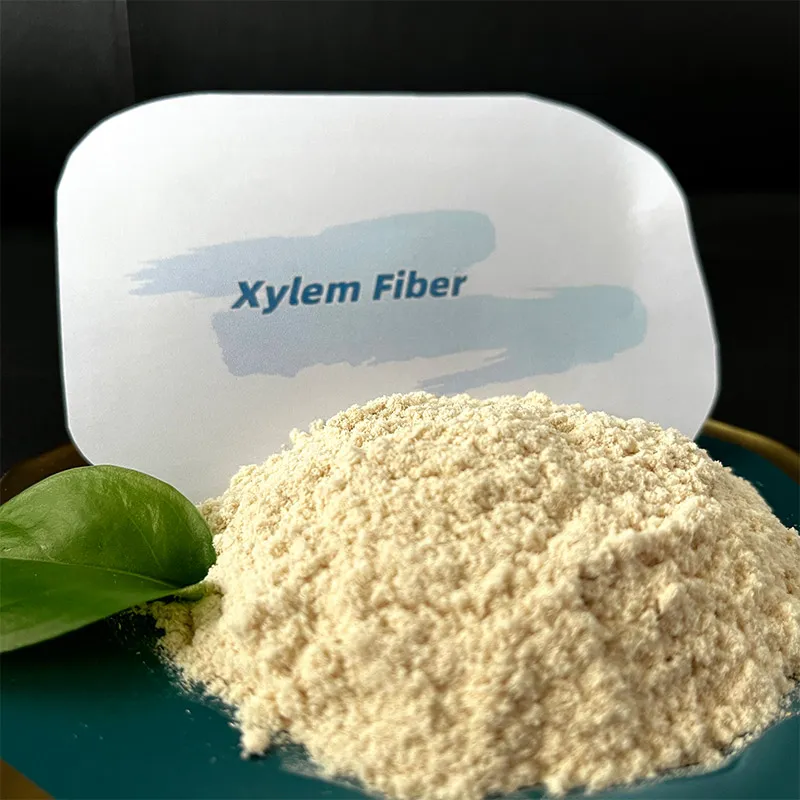
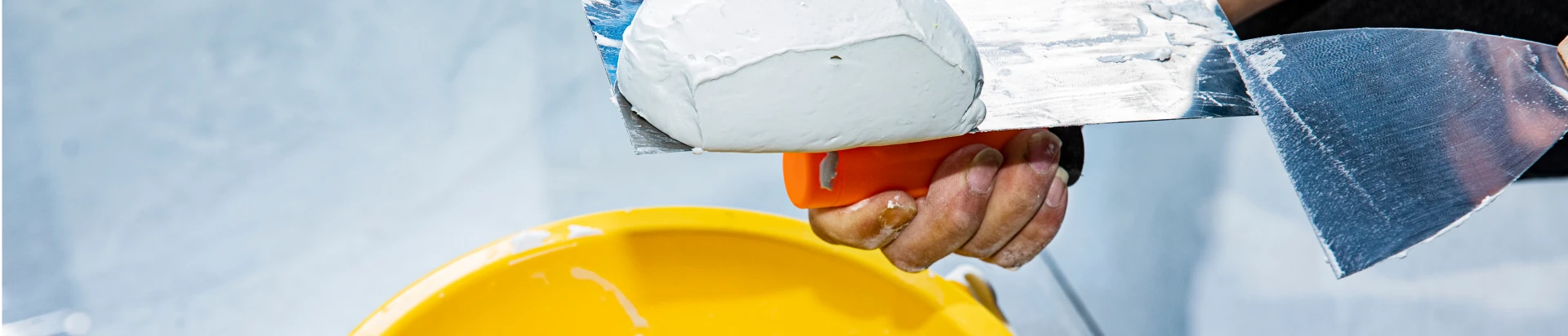
Image 1: Xylem Fiber in Action
What is Xylem Fiber?
Xylem Fiber is extracted from wood cellulose, a key component of plant cell walls. The process involves cellulose extraction from wood, where raw wood is treated to isolate the fibrous material. This fiber is then refined to enhance its properties, making it suitable for industrial use. The resulting product is biodegradable, lightweight, and highly durable, offering a sustainable alternative to synthetic materials.
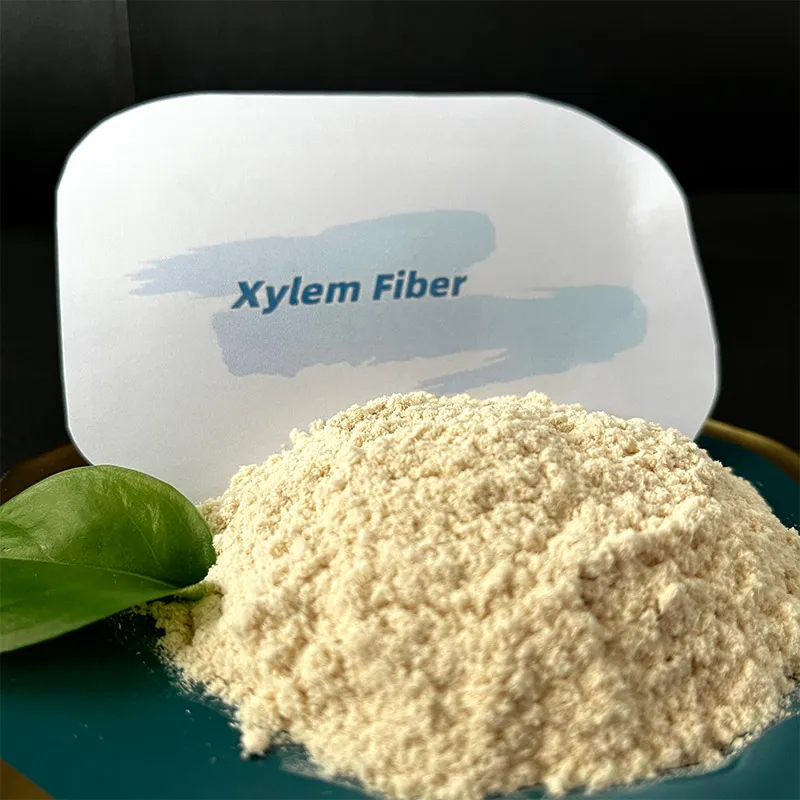
Image 2: Cellulose Wood Fibers
Key Features and Benefits
Xylem Fiber stands out due to its unique combination of eco-friendliness, versatility, and performance enhancement. Here are its core advantages:
- Environmental Sustainability: By reducing reliance on traditional raw materials, Xylem Fiber lowers the carbon footprint of manufacturing processes.
- Strength and Durability: It enhances the structural integrity of materials like concrete, mortar, and asphalt, extending their lifespan.
- Workability: Its absorbent properties improve the handling and application of products such as gypsum and wood pulp sponges.
- Renewability: As a natural resource, Xylem Fiber supports responsible forestry practices and ecosystem balance.
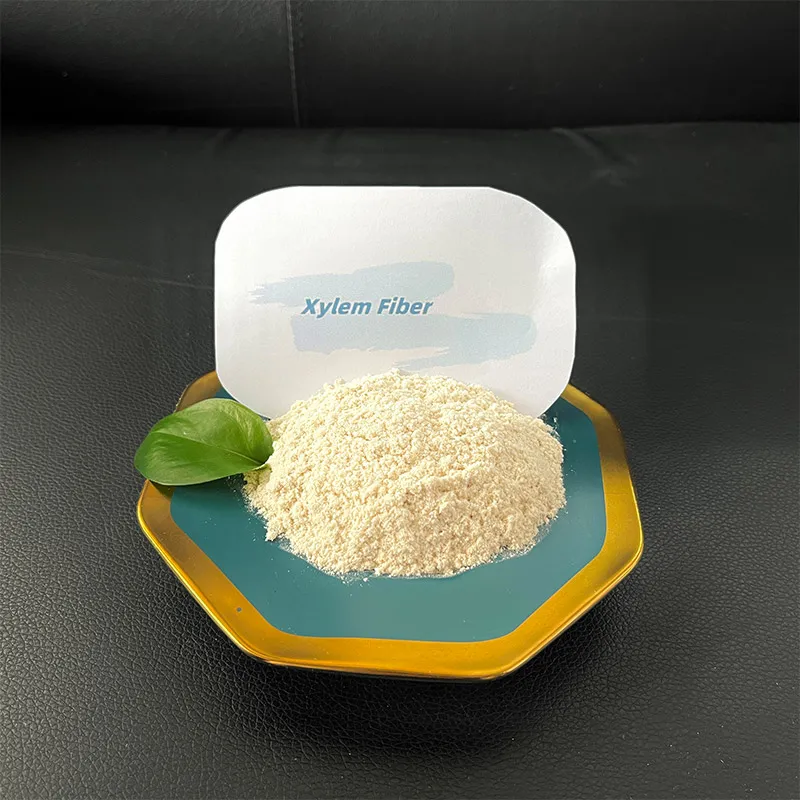
Image 3: Xylem Fiber in Industrial Applications
Technical Specifications
| Parameter | Specification |
|---|---|
| Source Material | Wood cellulose |
| Fiber Length | Varies (typically 1-5 mm) |
| Moisture Content | ≤ 10% |
| Tensile Strength | High (dependent on processing) |
| Biodegradability | 100% biodegradable under natural conditions |
| Chemical Resistance | Resistant to mild acids and bases |
Table 1: Xylem Fiber Technical Specifications
Applications Across Industries
Xylem Fiber’s adaptability makes it a valuable asset in multiple sectors:
1. Construction
In the construction industry, Xylem Fiber is used to enhance concrete and mortar mixes. Its addition improves compressive strength and crack resistance, reducing the need for traditional additives like cement. It is also a key component in medium density fiberboard (MDF), producing durable, sustainable building materials.
2. Asphalt Industry
In asphalt production, Xylem Fiber acts as a reinforcing agent, increasing the resilience and longevity of road surfaces. This reduces maintenance costs and extends the lifespan of infrastructure.
3. Gypsum Products
Xylem Fiber improves the structural integrity and workability of gypsum products, such as wallboards and plaster. Its absorbent nature ensures even distribution of moisture during manufacturing.
4. Wood Pulp Sponges
The fiber’s absorbent properties make it ideal for wood pulp sponges, offering a biodegradable alternative to synthetic sponges in cleaning and household applications.
5. Sustainable Manufacturing
By integrating Xylem Fiber into production processes, manufacturers can reduce waste and lower emissions, aligning with global sustainability goals. This is particularly relevant in industries seeking to meet NIST (National Institute of Standards and Technology) guidelines for eco-friendly materials.
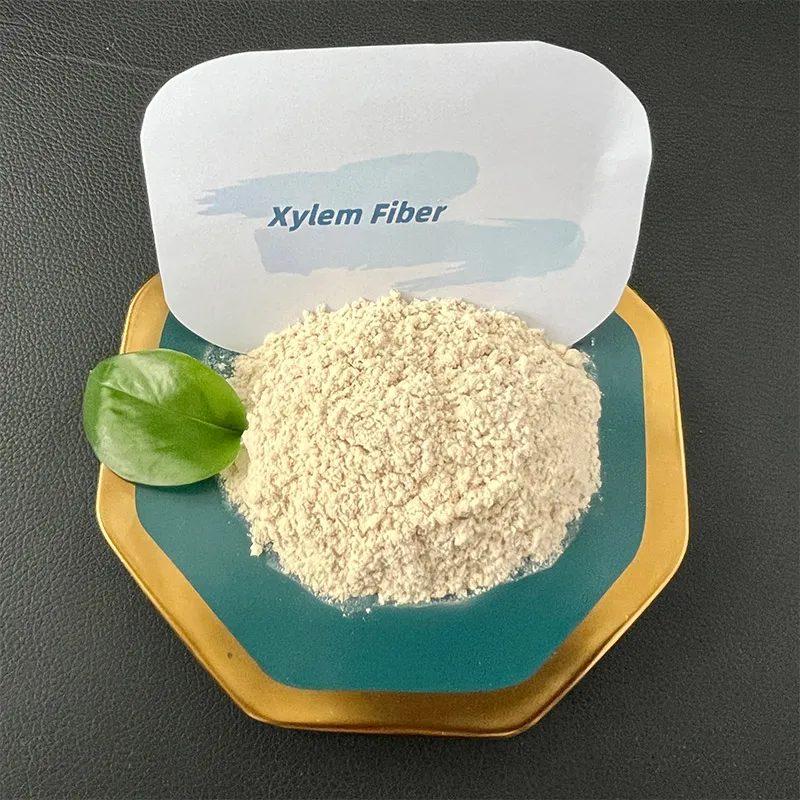
Image 4: Cellulose Extraction from Wood
Company Background: Hebei Shengshi Hongbang Cellulose Technology Co., Ltd.
The Xylem Fiber product is developed and supplied by Hebei Shengshi Hongbang Cellulose Technology Co., Ltd., a leading company in the field of cellulose wood fibers. With a focus on innovation and sustainability, the company has established itself as a trusted name in the industry. Their commitment to responsible forestry practices ensures that the raw materials used are sourced ethically, supporting ecosystem balance and climate change mitigation.
Hebei Shengshi Hongbang’s expertise in fibre made from wood pulp and cellulose extraction from wood has enabled them to produce high-quality Xylem Fiber that meets global standards. Their products are used by manufacturers worldwide, contributing to the transition toward greener technologies.
Why Choose Xylem Fiber?
As industries shift toward sustainable practices, Xylem Fiber offers a compelling solution. Its ability to enhance product performance while reducing environmental impact makes it a preferred choice for forward-thinking manufacturers. By leveraging this natural resource, companies can:
- Meet consumer demand for eco-friendly products
- Comply with regulatory standards for sustainability
- Reduce operational costs through material efficiency
- Contribute to global environmental goals
Future Prospects and Industry Impact
The potential of Xylem Fiber is vast. As research and development continue, new applications are being explored, such as biodegradable packaging and advanced composite materials. According to a 2023 report by the National Institute of Standards and Technology (NIST), the adoption of natural fibers like Xylem Fiber could reduce industrial carbon emissions by up to 20% by 2030 (NIST, 2023).
Moreover, the integration of Xylem Fiber into smart manufacturing systems is expected to drive further efficiency. By aligning with NIST’s standards for sustainable materials, companies can ensure their products meet the highest quality and environmental benchmarks.
Conclusion
Xylem Fiber represents a significant step forward in the quest for sustainable industrial solutions. Its natural origin, versatile applications, and environmental benefits make it a vital resource for modern manufacturing. As industries continue to prioritize eco-friendly practices, Xylem Fiber is poised to become a staple in the global supply chain.
For more information about Xylem Fiber and its applications, visit the official product page: Xylem Fiber Product Page. To learn about the company behind this innovation, explore Hebei Shengshi Hongbang Cellulose Technology Co., Ltd..
References
National Institute of Standards and Technology (NIST) (2023). Sustainable Materials Research Report. Retrieved from https://www.nist.gov/.
-
Industrial Guide to ГПМЦ целлюлоза High Performance CelluloseNewsApr.16,2026
-
Wood Cellulose Properties and Industrial Applications GuideNewsApr.09,2026
-
Does Wood Contain Cellulose A Detailed Exploration of its Composition and UsesNewsApr.07,2026
-
Understanding Wood Cellulose Meaning Applications and Future TrendsNewsApr.04,2026
-
Exploring the Potential of Wood Cellulose is wood cellulose a Sustainable MaterialNewsMar.31,2026
-
Exploring the Sustainability and Versatility of Cellulose Wood ChipsNewsMar.28,2026
-
Understanding Wood Pulp Cellulose A Comprehensive Guide to Properties and ApplicationsNewsMar.26,2026