


Introduction to Xylem Fiber
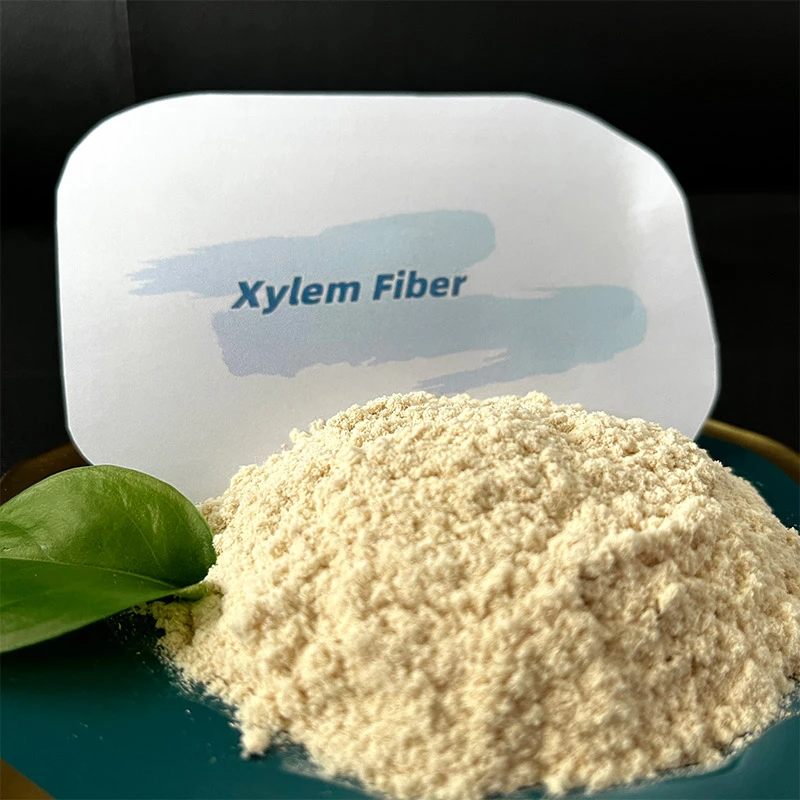
Xylem fiber, a natural and renewable resource derived from wood, has emerged as a groundbreaking material in various industries due to its eco-friendly attributes and versatility. This organic flocculent fiber undergoes chemical treatments and mechanical processing to become a high-quality product suitable for applications ranging from construction to asphalt production. As industries increasingly prioritize sustainability and resource efficiency, xylem fiber stands out as a key player in the transition toward greener technologies. For more information, visit the Xylem Fiber Product Page.
Product Overview
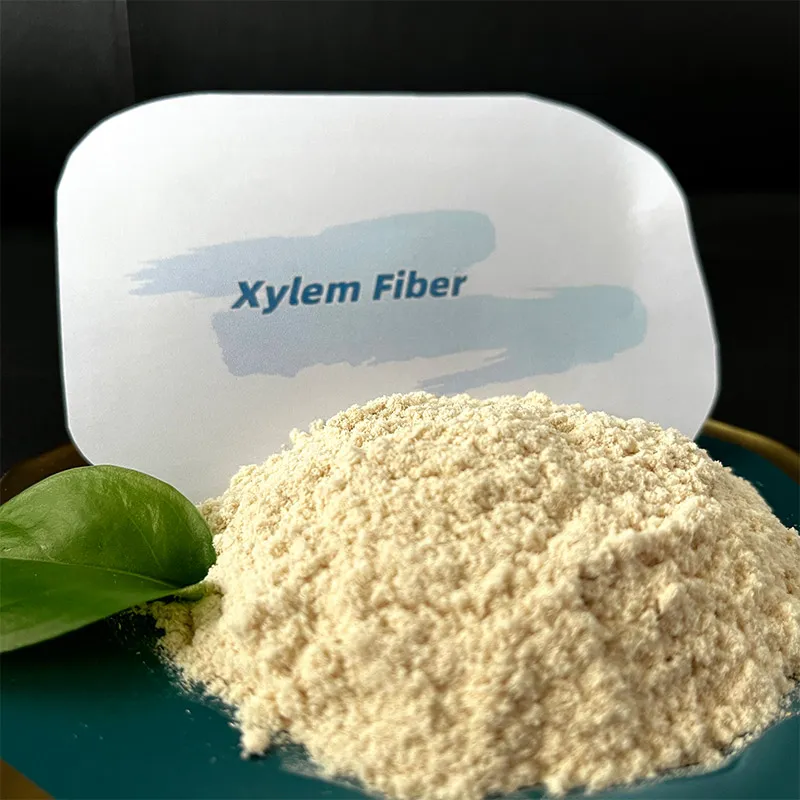
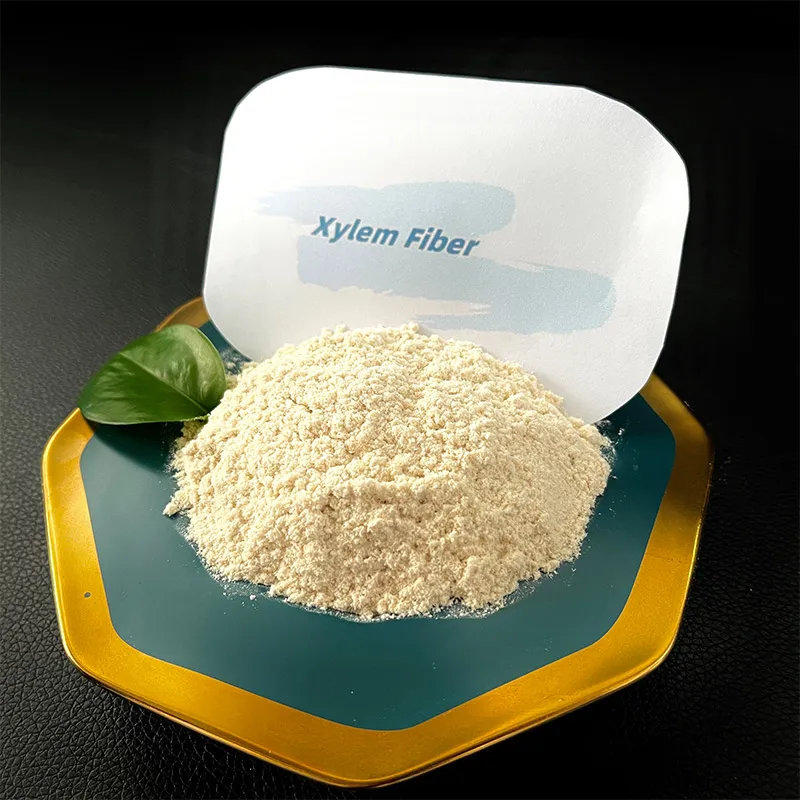
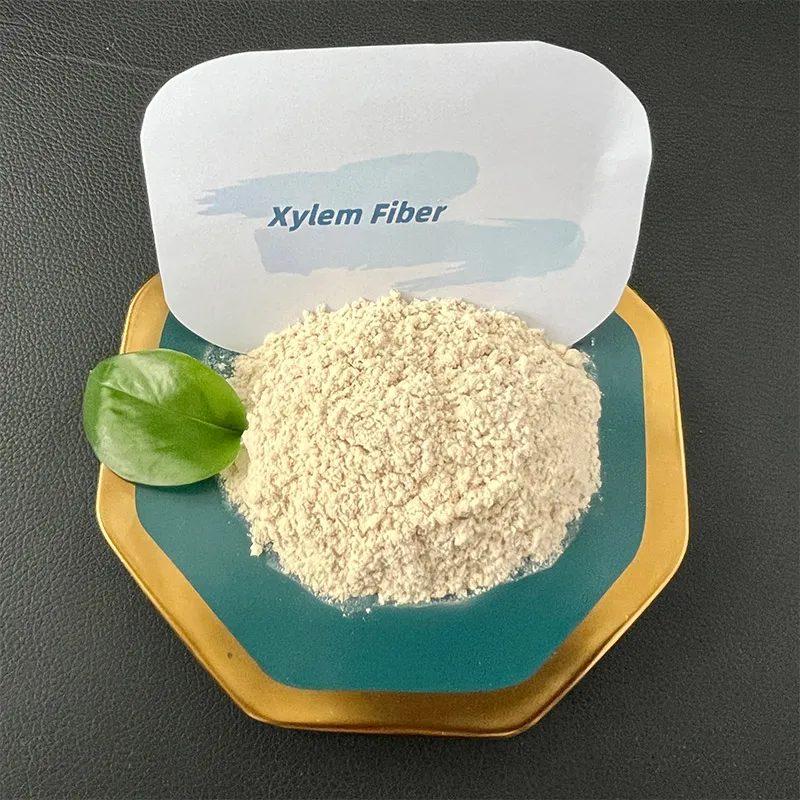
Xylem fiber is sourced from wood pulp and processed to enhance its mechanical and chemical properties. This material is biodegradable, lightweight, and highly absorbent, making it ideal for diverse applications. Its natural structure allows it to act as a reinforcing agent in construction materials, absorbent medium in household products, and stabilizer in industrial processes. The sustainability of xylem fiber is further amplified by its renewable source, reducing reliance on non-renewable resources. For a closer look, explore the product details.
Key Features and Benefits
- Eco-Friendly: Reduces carbon footprint by replacing traditional materials.
- Enhanced Durability: Improves the strength and longevity of construction materials.
- Cost-Effective: Lowers production costs while maintaining high-quality standards.
- Biodegradable: Minimizes environmental impact at the end of its lifecycle.
- Versatile: Suitable for applications in construction, asphalt, and household products.
Technical Specifications
| Parameter | Details |
|---|---|
| Fiber Length | Varies between 1-5 mm (optimized for application-specific needs) |
| Moisture Content | ≤ 10% (ensures stability during processing) |
| Tensile Strength | High, with improved load-bearing capacity in composites |
| Absorbency | High, ideal for sponges and absorbent products |
| Chemical Resistance | Resistant to common industrial chemicals |
Applications Across Industries
1. Construction Sector
Xylem fiber is widely used in concrete and mortar mixes, where it enhances flexural strength and crack resistance. Its incorporation reduces the need for cement, lowering CO₂ emissions. In gypsum products, it improves workability and structural integrity. For example, Xylem Fiber is a preferred choice for sustainable building materials.
2. Asphalt Industry
In asphalt production, xylem fiber acts as a reinforcing agent, increasing resilience and longevity of road surfaces. This reduces maintenance costs and extends the lifespan of infrastructure.
3. Medium Density Fiberboard (MDF)
Xylem fiber is a key ingredient in MDF manufacturing, providing sturdiness and sustainability. It replaces traditional adhesives and resins, aligning with eco-conscious building standards.
4. Household Products
The absorbent properties of xylem fiber make it ideal for wood pulp sponges, offering a biodegradable alternative to synthetic sponges. This aligns with the growing demand for non-toxic, sustainable household items.
Company Background: HeBei ShengShi HongBang Cellulose Technology CO., LTD.
Founded with a commitment to sustainable innovation, HeBei ShengShi HongBang Cellulose Technology CO., LTD. specializes in the production of high-quality xylem fiber and related cellulose products. The company leverages advanced processing techniques to ensure consistency, durability, and eco-friendliness in its offerings. With a focus on responsible forestry practices, the company supports ecosystem balance and climate change mitigation. Learn more about their mission at the company website.
Environmental Impact and Sustainability
The use of xylem fiber aligns with the principles of circular economy and resource efficiency. By utilizing renewable wood resources, the material reduces reliance on non-renewable raw materials. Additionally, its biodegradability ensures minimal environmental impact. According to the National Institute of Standards and Technology (NIST), sustainable materials like xylem fiber play a critical role in advancing green technologies and environmental stewardship (NIST, 2025). For more insights, visit the NIST website.
Future Prospects and Innovations
As industries continue to prioritize sustainability, the potential for xylem fiber is vast. Ongoing research focuses on improving processing techniques and expanding applications in biodegradable plastics, textiles, and packaging materials. The integration of smart technologies could further enhance its performance, making it a cornerstone of future green innovations.
Conclusion
Xylem fiber represents a paradigm shift in material science, offering a sustainable, versatile, and high-performance solution for modern industries. Its ability to enhance product quality while reducing environmental impact makes it a critical component in the global move toward eco-conscious manufacturing. By partnering with companies like HeBei ShengShi HongBang Cellulose Technology CO., LTD., industries can leverage natural resources to drive innovation and sustainability. For more information, explore the Xylem Fiber Product Page.