-

Add: HeBei ShengShi HongBang Cellulose Technology CO.,LTD.
-

Email
13180486930@163.com -

CONTACT US
+86 13180486930

HPMC (Hydroxypropyl Methyl Cellulose) | Thickener & Water Retainer
Introduction to Hydroxypropyl Methyl Cellulose HPMC
Hydroxypropyl Methyl Cellulose (HPMC) is a non-ionic cellulose ether derived from natural cellulose through a series of chemical processes. As a versatile polymer, it finds extensive application across various industries, including construction, pharmaceuticals, food, and personal care. Its unique properties, such as excellent water retention, thickening capability, film-forming characteristics, and thermal gelation, make it an indispensable additive in enhancing product performance and stability. This article delves into the technical intricacies, market dynamics, application specifics, and comprehensive value proposition of HPMC, targeting B2B decision-makers and technical professionals seeking advanced material solutions.
The strategic selection of high-quality Hydroxypropyl Methyl Cellulose HPMC is critical for achieving optimal product consistency, efficiency, and end-user satisfaction. Our focus here is to provide a detailed understanding of its manufacturing, technical advantages, and practical deployment, underpinned by rigorous quality standards and application-specific tailoring.
Industry Trends and Market Dynamics
The global market for cellulose ethers, including Hydroxypropyl Methyl Cellulose HPMC, is experiencing steady growth driven by expanding construction activities, increasing demand for sustainable building materials, and innovations in the pharmaceutical and food sectors. According to recent market analyses, the construction industry remains the largest consumer, primarily due to HPMC's role in improving the workability and performance of cement-based mortars, tile adhesives, and renders. The push for eco-friendly and high-performance building solutions further propels HPMC adoption.
In pharmaceuticals, HPMC's application as a binder, disintegrant, and controlled-release agent continues to expand with the development of novel drug delivery systems. Similarly, the food industry leverages its thickening, emulsifying, and stabilizing properties for various products, driven by consumer demand for healthier and more natural ingredients. The market is also witnessing a trend towards specialized grades of HPMC, tailored to specific rheological requirements and processing conditions, demanding higher levels of expertise and customization from manufacturers.
Technological advancements in production processes aiming for higher purity and consistency, coupled with stringent regulatory standards (e.g., FDA, EFSA approvals for food and pharma grades), are shaping competitive landscapes. Manufacturers are investing in R&D to optimize substitution patterns and molecular weights to deliver superior performance characteristics, addressing niche applications and evolving industry demands.
The Manufacturing Process of HPMC
The production of Hydroxypropyl Methyl Cellulose HPMC involves a sophisticated, multi-stage chemical synthesis designed to yield a consistent, high-purity product. The process typically begins with natural cellulose, primarily derived from wood pulp or cotton linters, which undergoes several key transformations.
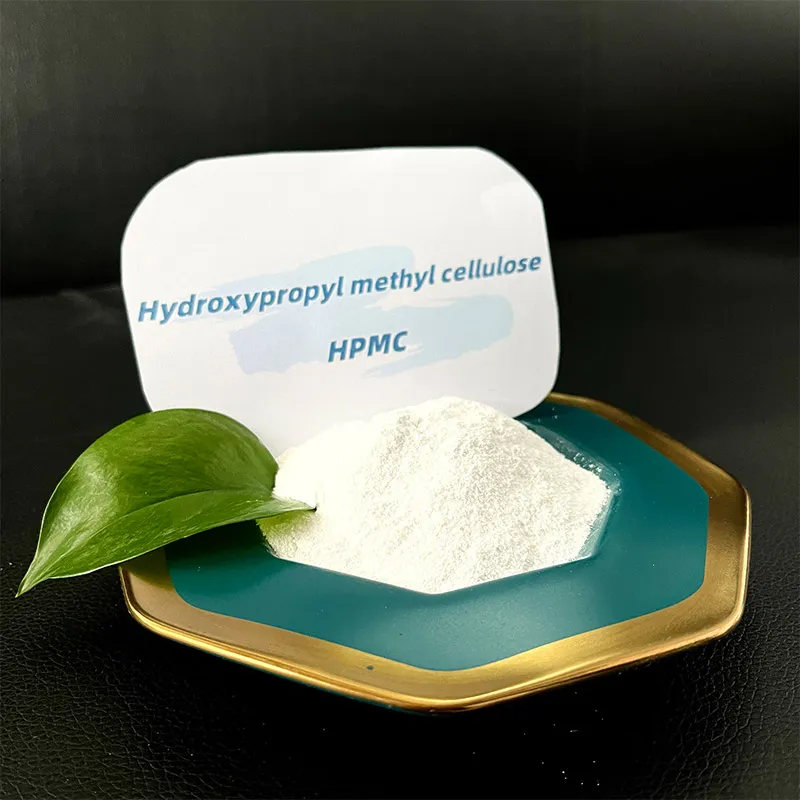
Figure 1: Illustration of a typical HPMC manufacturing facility.
Process Flow Overview:
- 1. Raw Materials Sourcing: High-grade refined cellulose (usually wood pulp) is selected for its purity and consistent fibrous structure. Other critical reagents include propylene oxide, methyl chloride, and sodium hydroxide.
- 2. Alkalization: The cellulose is steeped in a concentrated solution of sodium hydroxide (NaOH) in a reactor. This process swells the cellulose fibers and converts cellulose hydroxyl groups into highly reactive alkali cellulose. This step is crucial for the subsequent etherification reaction by increasing the accessibility of the hydroxyl groups.
- 3. Etherification: The alkali cellulose is then reacted with methyl chloride (CH₃Cl) and propylene oxide (C₃H₆O) under controlled temperature and pressure. The methyl groups and hydroxypropyl groups replace some of the hydroxyl groups on the cellulose backbone, forming methyl cellulose and hydroxypropyl cellulose linkages, respectively, creating HPMC. The degree of substitution (DS) for methyl and hydroxypropyl groups determines the final properties of the HPMC grade.
- 4. Neutralization and Purification: After the etherification reaction, the product is neutralized to remove excess alkali. The crude HPMC is then thoroughly washed with hot water to remove inorganic salts (by-products like NaCl) and unreacted reagents. This purification step is vital to achieve the high purity required for food and pharmaceutical applications, meeting standards such as USP, EP, and FCC.
- 5. Drying and Grinding: The purified HPMC is then dried to a specific moisture content and subsequently ground into a fine powder. The grinding process can be customized to produce different particle sizes, impacting the dissolution rate and workability of the final product in various applications.
- 6. Quality Control and Testing Standards: Throughout the manufacturing process, stringent quality control measures are implemented. Final products are tested against international standards such as ISO 9001 for quality management, ASTM for specific material properties, and industry-specific benchmarks for viscosity, degree of substitution, pH, moisture content, and heavy metals. This ensures consistency, performance, and safety for target industries like construction (improving workability, adhesion, and water retention in mortars), pharmaceuticals (controlled drug release, binding), and food (thickening, stabilizing). The service life of HPMC in its applied context is primarily determined by its stability against microbial degradation and hydrolysis, properties meticulously controlled during manufacturing and formulation.
Technical Specifications and Performance Parameters
The performance of Hydroxypropyl Methyl Cellulose HPMC is dictated by a range of technical specifications, which are crucial for selecting the appropriate grade for a given application. Key parameters include viscosity, degree of substitution (DS), molar substitution (MS), particle size, and solution pH. These parameters directly influence HPMC's thickening efficiency, water retention capacity, film strength, and thermal gelation properties.
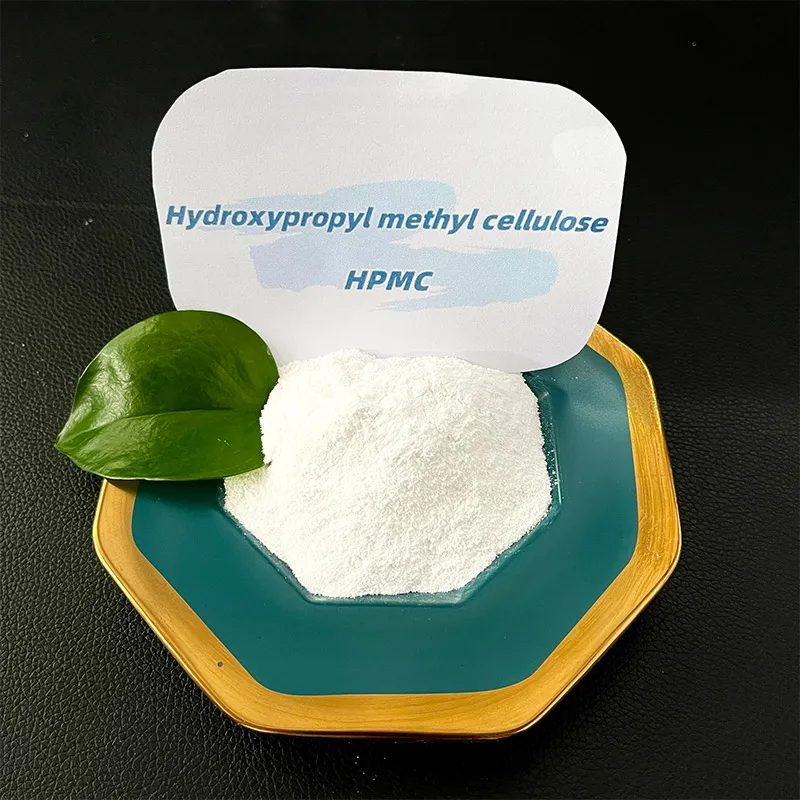
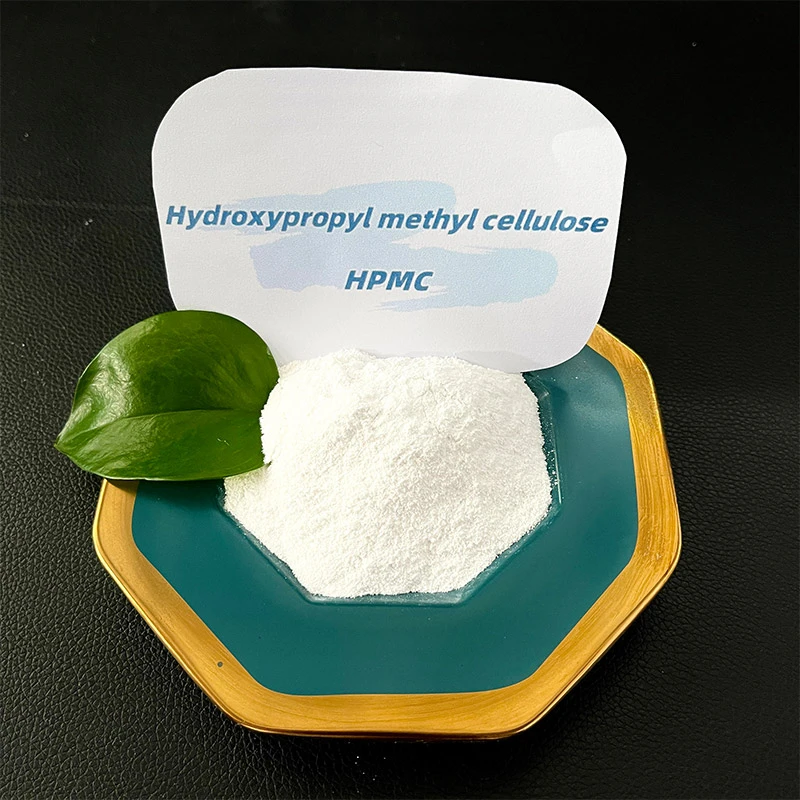
Figure 2: HPMC powder exhibiting fine, consistent texture.
Typical HPMC Product Specification Table (Construction Grade):
| Parameter | Specification Range | Test Method / Standard |
|---|---|---|
| Appearance | White or Off-white Powder | Visual Inspection |
| Viscosity (2% Solution, 20°C) | 40,000 – 75,000 mPa·s | Brookfield RVT, Spindle 6, 20 rpm |
| Methoxy Content | 19.0 – 24.0% | ASTM D1347 |
| Hydroxypropoxy Content | 4.0 – 12.0% | ASTM D1347 |
| Moisture Content | ≤ 5.0% | ISO 638 |
| pH (1% Solution) | 6.0 – 8.0 | Electrometric Method |
| Ash Content | ≤ 3.0% | ISO 3591 |
| Particle Size (>80 mesh) | ≥ 98% | Sieve Analysis |
The careful balance of methoxy and hydroxypropoxy groups within the cellulose chain dictates the hydrophilicity, solubility, and thermal gelation temperature, which are critical for application performance. For instance, high viscosity grades are preferred for thickeners in construction mortars, while lower viscosity grades are suitable for film-forming agents in coatings or tablets in pharmaceuticals. Our rigorous testing ensures adherence to these specifications, guaranteeing superior product performance and reliability.
Key Technical Advantages of HPMC
Hydroxypropyl Methyl Cellulose HPMC offers a compelling suite of technical advantages that make it a preferred additive across a multitude of industrial formulations. Its polyfunctional nature enables formulators to achieve diverse objectives from a single ingredient.
- Exceptional Water Retention: In construction materials, HPMC significantly extends the open time of mortars and tile adhesives, preventing premature drying and improving adhesion strength. This leads to reduced cracking, enhanced durability, and better workability, especially in arid or hot conditions. For example, a typical cement-based render formulated with HPMC can achieve a water retention rate of over 95%, ensuring full hydration of the cement.
- Effective Thickening and Rheology Control: HPMC acts as a highly efficient thickener, providing pseudoplastic flow characteristics to solutions. This property is vital for paints and coatings, where it prevents sagging on vertical surfaces while allowing for easy application. In pharmaceuticals, it controls the viscosity of suspensions and ophthalmics, improving stability and ease of administration.
- Superior Film Formation: HPMC forms clear, flexible, and strong films, making it ideal for tablet coatings in pharmaceuticals and protective coatings in various industries. These films can provide moisture barrier properties and controlled release characteristics for active ingredients.
- Excellent Binding Properties: As a binder, HPMC enhances the cohesion and integrity of various matrices. In ceramic extrusion, it provides green strength, and in pharmaceutical tablet formulations, it ensures tablet hardness and friability resistance.
- Thermal Gelation: Aqueous solutions of HPMC exhibit reversible thermal gelation, meaning they gel upon heating and return to a liquid state upon cooling. This property is exploited in food products for texture modification and in certain industrial applications requiring temperature-sensitive viscosity control.
These combined advantages position HPMC as a crucial component for product enhancement, offering solutions for energy saving (e.g., improved insulation material performance), corrosion resistance (e.g., protective coatings), and overall product longevity.
Application Scenarios Across Target Industries
The versatility of Hydroxypropyl Methyl Cellulose HPMC allows its deployment across a broad spectrum of industries, each benefiting from its unique functional properties.
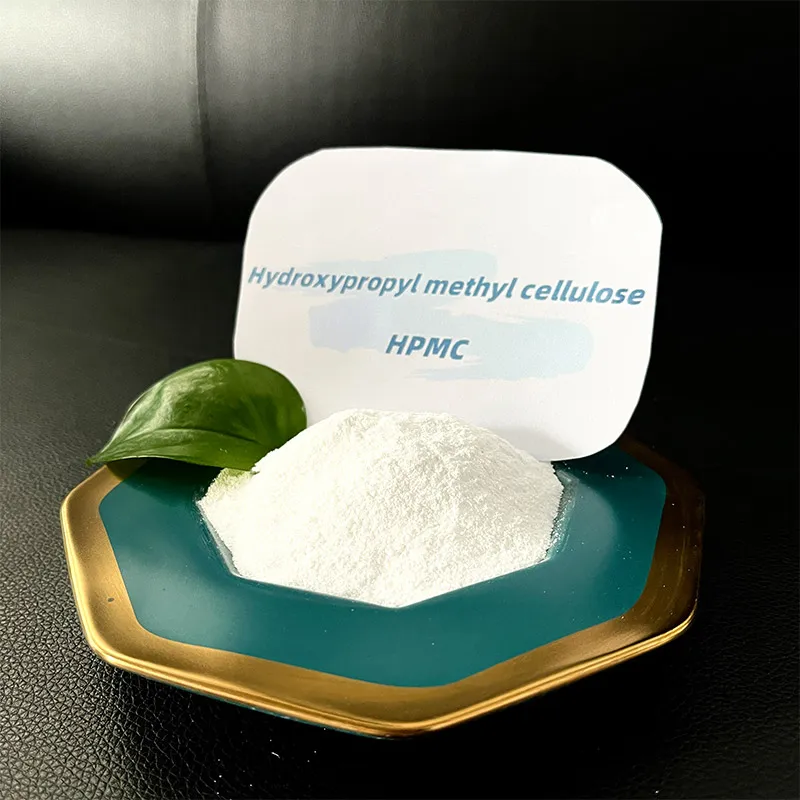
Figure 3: HPMC in construction applications, enhancing workability and adhesion.
- Construction Industry: HPMC is a cornerstone additive in dry-mix mortars. It significantly improves workability, adhesion strength, sag resistance, and water retention in tile adhesives, wall putties, renders, and self-leveling compounds. For instance, in external insulation and finish systems (EIFS), HPMC contributes to frost resistance and bond strength, extending the service life of exterior finishes. Its inclusion also aids in reducing material waste and application time.
- Pharmaceuticals: Pharma-grade HPMC serves as an excipient in oral solid dosage forms (tablets and capsules) as a binder, film-coating material, and controlled-release matrix former. Its non-toxic, non-allergenic, and physiologically inert properties make it safe for ingestion, meeting stringent FDA and EP standards. It is also used in ophthalmic solutions as a lubricant and viscosity enhancer.
- Food Industry: In food applications, HPMC acts as a thickener, stabilizer, emulsifier, and foaming agent. It can be found in baked goods, dairy products, sauces, and frozen desserts, improving texture, mouthfeel, and shelf-life. Its thermal gelation property is particularly useful in meat analogs and vegetarian products.
- Paints and Coatings: HPMC is widely used as a rheology modifier and protective colloid in water-based paints, improving brushability, sag resistance, and pigment suspension. It ensures uniform film formation and contributes to the stability of paint emulsions.
- Personal Care Products: In cosmetics and personal care formulations (shampoos, lotions, hand sanitizers), HPMC functions as a thickener, emulsion stabilizer, and film-forming agent, providing desired textures and sensory attributes.
These diverse applications underscore HPMC's role as a high-performance additive, optimizing product characteristics and contributing to efficiency and durability across critical sectors.
Vendor Comparison and Selection Criteria
Choosing the right supplier for Hydroxypropyl Methyl Cellulose HPMC is paramount for ensuring consistent product quality, reliable supply, and tailored technical support. The market offers a variety of manufacturers, each with distinct strengths.
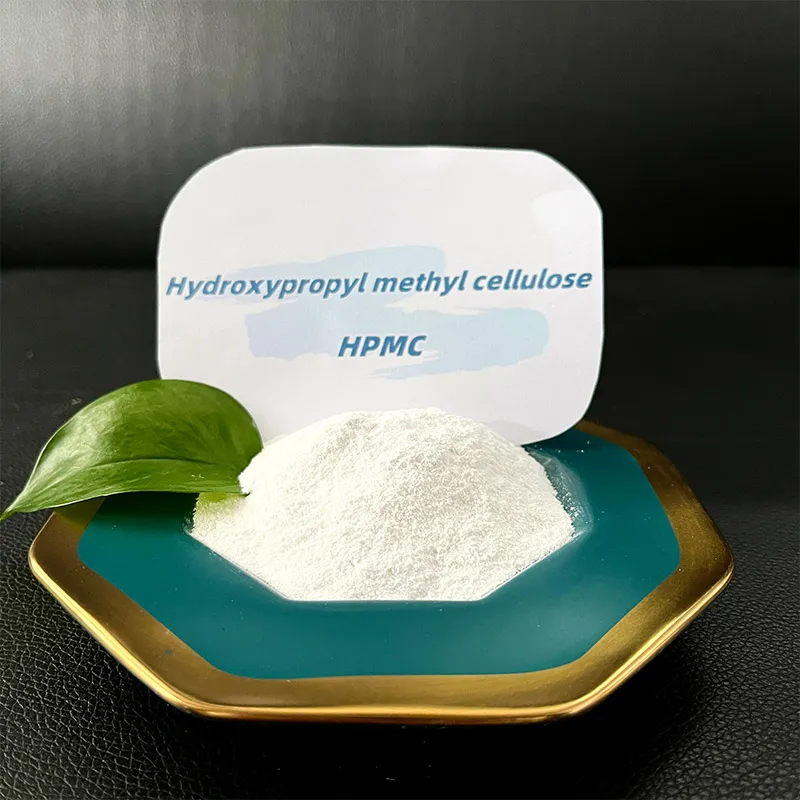
Figure 4: Quality assurance in HPMC production.
Key Vendor Comparison Parameters:
| Criterion | Premium Supplier (e.g., SSHBHPMC) | Standard Supplier |
|---|---|---|
| Product Purity & Consistency | Ultra-high purity (>99%), narrow viscosity range, batch-to-batch consistency guaranteed by ISO 9001, 14001, 45001. | Standard purity (97-98%), wider viscosity tolerance, variable consistency. |
| Technical Support & R&D | Dedicated technical team, custom formulation R&D, application labs, decades of experience (e.g., 20+ years). | Basic product data, limited customization, general support. |
| Certifications | ISO, CE, FDA, GMP, HACCP, Halal, Kosher. Comprehensive regulatory compliance. | Basic ISO, some product-specific certifications. |
| Supply Chain Reliability | Robust global logistics, multiple production sites, guaranteed lead times, strong inventory management. Long-term partner clients include major industry leaders. | Regionally focused, potential for supply chain disruptions. |
| Customization Capabilities | Extensive ability to tailor viscosity, degree of substitution, particle size, and surface treatment for specific performance needs. | Limited customization, primarily standard grades. |
When evaluating suppliers, it is critical to assess not only the product specifications but also the supplier's commitment to quality assurance, technical expertise, and ability to provide consistent supply and support. Companies with significant experience and comprehensive certifications like ISO 9001 and industry-specific accreditations (e.g., GMP for pharmaceuticals) demonstrate a higher level of trustworthiness and reliability.
Customized Solutions and Tailored Grades
Recognizing that industrial applications often require precise material characteristics, we offer extensive capabilities for customized Hydroxypropyl Methyl Cellulose HPMC solutions. Standard grades may not always perfectly align with highly specific formulation requirements, making customization a significant value-add.
Our technical team collaborates closely with clients to develop HPMC grades with tailored properties. This can involve adjusting:
- Viscosity Profile: Ranging from low (e.g., 50 mPa·s for thin coatings) to very high (e.g., 200,000 mPa·s for heavy-duty mortars), optimized for specific rheological behaviors.
- Degree of Substitution (DS/MS): Modifying the ratio of methoxy to hydroxypropoxy groups influences solubility, thermal gelation temperature, and hydrophilicity, crucial for solubility in different solvents or controlled release kinetics.
- Particle Size Distribution: Fine powders dissolve rapidly, suitable for quick-setting formulations, while coarser grades offer sustained release or controlled dissolution, impacting workability and dust suppression.
- Surface Treatment: Certain applications benefit from surface-treated HPMC, which delays initial dissolution, preventing lump formation and improving dispersion in cold water. This is particularly advantageous in high-shear mixing environments.
Our R&D department, backed by advanced analytical equipment and extensive experience, works to modify these parameters to meet stringent performance benchmarks, such as improved open time for tiling in extreme heat, enhanced sag resistance for thick-layer renders, or precise drug release profiles for pharmaceutical excipients. This bespoke approach ensures that clients receive a product perfectly integrated into their unique processes, optimizing efficiency and final product quality.
Real-World Application Case Studies
To illustrate the tangible benefits of Hydroxypropyl Methyl Cellulose HPMC, consider the following real-world applications:
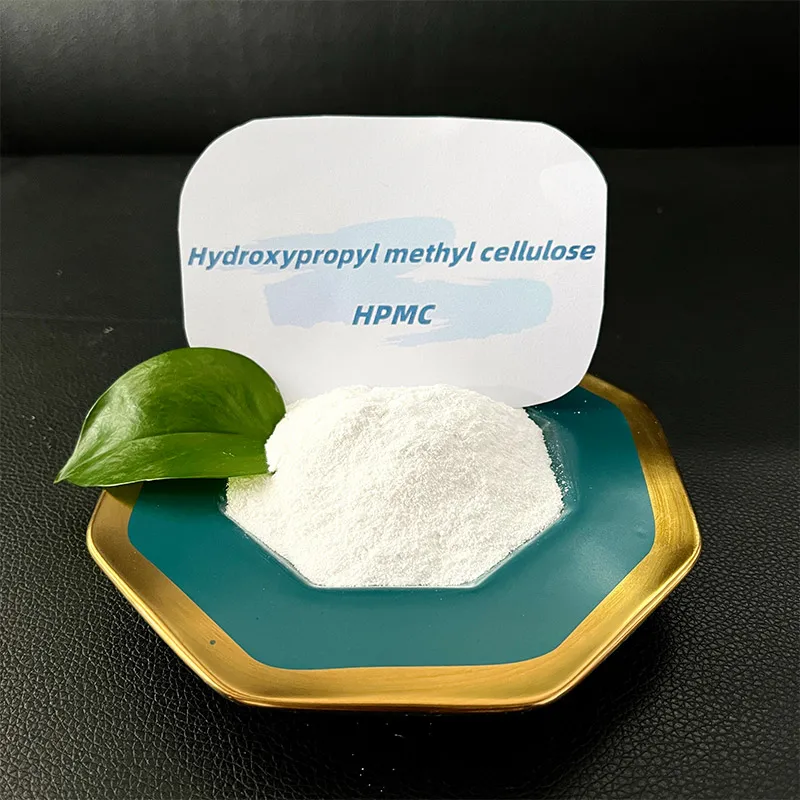
Figure 5: Advanced laboratory testing for HPMC performance.
-
Case Study 1: High-Performance Tile Adhesive for Large Format Tiles
A major construction company needed a tile adhesive for large format porcelain tiles that offered extended open time and enhanced bond strength, particularly for outdoor applications in warm climates. By incorporating a high-viscosity, surface-treated HPMC grade (75,000 mPa·s, specially modified for water retention), they achieved a 30% increase in open time (from 15 to 20 minutes at 23°C/50% RH) and a 25% improvement in tensile bond strength after immersion, significantly reducing installation time and post-installation failures. Customer feedback highlighted improved workability and reduced material waste.
-
Case Study 2: Controlled Release Pharmaceutical Tablets
A pharmaceutical manufacturer developed a sustained-release drug formulation for a hypertension medication. They utilized a specific HPMC grade with a tailored degree of substitution and a high molecular weight to form a hydrophilic matrix. This matrix ensured a consistent drug release profile over a 12-hour period, confirmed by dissolution testing adhering to USP standards. The HPMC's ability to hydrate and swell predictably was critical in achieving the desired therapeutic window and patient compliance, allowing once-daily dosing. The product received FDA approval, underscoring HPMC's reliability as a pharma excipient.
-
Case Study 3: Eco-Friendly Waterborne Paint Formulation
A leading paint manufacturer sought to improve the rheology and stability of their low-VOC waterborne interior paint. The introduction of a medium-viscosity HPMC (e.g., 20,000 mPa·s) as a primary thickener and protective colloid resulted in superior brushability, excellent sag resistance for vertical applications, and enhanced color development. The HPMC also contributed to improved storage stability by preventing pigment settling, leading to positive consumer reviews and a significant increase in market share for their eco-labeled product line.
These cases exemplify how the precise application of HPMC, often customized to specific needs, translates into significant performance enhancements and commercial success across various industries.
Ensuring Trustworthiness: FAQ, Lead Times, Warranty, and Support
Our commitment to client success extends beyond product delivery, encompassing transparent communication, robust support systems, and dependable service. We build trust through clarity in every aspect of our operations for Hydroxypropyl Methyl Cellulose HPMC products.
Frequently Asked Questions (FAQ):
Q1: What are the primary differences between HPMC and other cellulose ethers like CMC or MC?
A1: HPMC, Hydroxypropyl Methyl Cellulose, contains both hydroxypropyl and methyl groups, giving it distinct properties. Compared to Methyl Cellulose (MC), HPMC generally has better water solubility, higher thermal gelation temperature, and improved enzyme resistance. Carboxymethyl Cellulose (CMC) is an anionic cellulose ether with different thickening mechanisms and is often less resistant to salts and pH changes than non-ionic HPMC.
Q2: How do I select the correct viscosity grade of HPMC for my application?
A2: Viscosity is critical. Low-viscosity grades (e.g., 50-400 mPa·s) are suitable for thin coatings, injectables, or applications where minimal thickening is needed. Medium-viscosity grades (e.g., 4,000-20,000 mPa·s) are common in paints, some food products, and personal care. High-viscosity grades (e.g., 40,000-200,000 mPa·s) are primarily used in construction mortars, tile adhesives, and thickeners. Our technical team can provide tailored recommendations based on your specific formulation and desired rheology.
Q3: Is your HPMC compliant with food and pharmaceutical regulations?
A3: Yes, we offer specific food-grade and pharma-grade HPMC products that comply with international standards such as FDA, USP, EP, FCC, and other relevant certifications (e.g., Halal, Kosher). These grades undergo additional purification steps and rigorous testing to ensure safety and quality for sensitive applications.
Lead Time and Fulfillment:
We maintain robust inventory levels and efficient logistics networks to ensure timely delivery. Standard orders for common grades of Hydroxypropyl Methyl Cellulose HPMC typically have a lead time of 7-14 business days, depending on destination and order volume. For customized grades or bulk orders, lead times will be confirmed upon order placement, usually ranging from 3-5 weeks to accommodate specialized production. Our global distribution capabilities ensure reliable fulfillment worldwide, minimizing supply chain disruptions for our partners.
Warranty and Quality Assurance:
All our Hydroxypropyl Methyl Cellulose HPMC products are manufactured under strict ISO 9001:2015 quality management systems, alongside ISO 14001:2015 for environmental management and ISO 45001:2018 for occupational health and safety. We provide a comprehensive Certificate of Analysis (CoA) with every shipment, detailing batch-specific specifications. Our products come with a 12-month warranty from the date of manufacture, guaranteeing adherence to agreed-upon technical specifications. Any deviations are promptly addressed through our documented quality complaint resolution process, ensuring full customer satisfaction.
Customer Support and Technical Assistance:
Our commitment to partnership includes dedicated customer support and expert technical assistance. Our team of experienced chemists and application engineers is available to provide guidance on product selection, formulation optimization, and troubleshooting specific application challenges. We offer pre-sales consultation, post-sales support, and on-site technical visits when required. For immediate inquiries, please visit our contact page or reach out to your dedicated account manager.
Conclusion
Hydroxypropyl Methyl Cellulose HPMC stands as a critical and high-performing additive across diverse industries, offering unparalleled advantages in water retention, rheology control, film formation, and binding. Its continuous evolution, driven by market demands for specialized and sustainable solutions, underscores its enduring relevance. By understanding its detailed manufacturing process, comprehensive technical specifications, and broad application potential, B2B stakeholders can leverage HPMC to enhance product quality, operational efficiency, and market competitiveness. Partnering with a reputable supplier that emphasizes quality, customization, and robust technical support is key to unlocking the full potential of this versatile polymer.
References
- Rowe, R. C., Sheskey, P. J., & Quinn, M. E. (2009). Handbook of Pharmaceutical Excipients (6th ed.). Pharmaceutical Press.
- Kjellen, S. (2000). Water retention of HPMC in cement mortar: Effects of substitution and molecular weight. Nordic Pulp and Paper Research Journal, 15(5), 378-384.
- Bayer, J. (2014). Cellulose ethers in building materials: Challenges and solutions. Construction and Building Materials, 71, 350-362.
- Food and Drug Administration (FDA). (2023). Inactive Ingredient Database (IID). Retrieved from https://www.accessdata.fda.gov/scripts/cder/iig/index.cfm
- European Pharmacopoeia (Ph. Eur.). (2020). Hydroxypropylmethylcellulose monograph. European Directorate for the Quality of Medicines & HealthCare.
-
Industrial Guide to ГПМЦ целлюлоза High Performance CelluloseNewsApr.16,2026
-
Wood Cellulose Properties and Industrial Applications GuideNewsApr.09,2026
-
Does Wood Contain Cellulose A Detailed Exploration of its Composition and UsesNewsApr.07,2026
-
Understanding Wood Cellulose Meaning Applications and Future TrendsNewsApr.04,2026
-
Exploring the Potential of Wood Cellulose is wood cellulose a Sustainable MaterialNewsMar.31,2026
-
Exploring the Sustainability and Versatility of Cellulose Wood ChipsNewsMar.28,2026
-
Understanding Wood Pulp Cellulose A Comprehensive Guide to Properties and ApplicationsNewsMar.26,2026