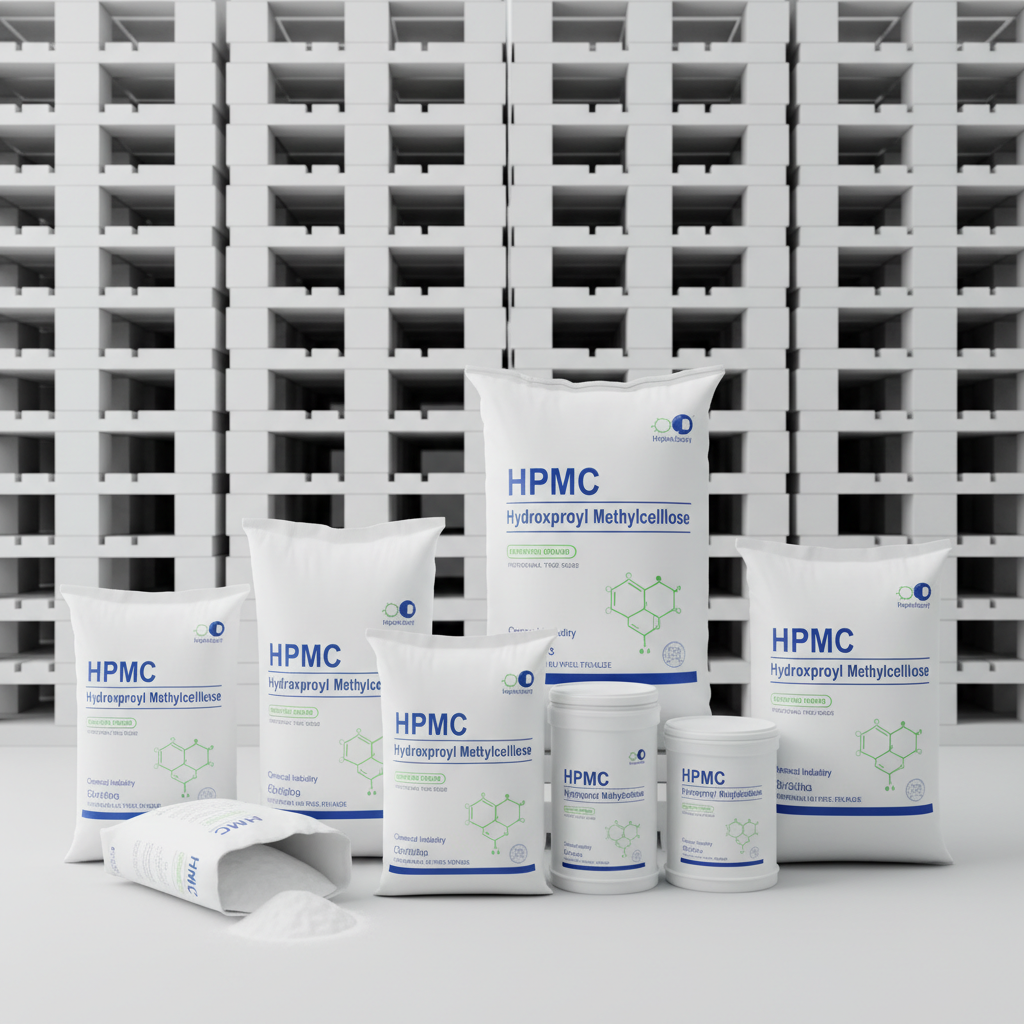
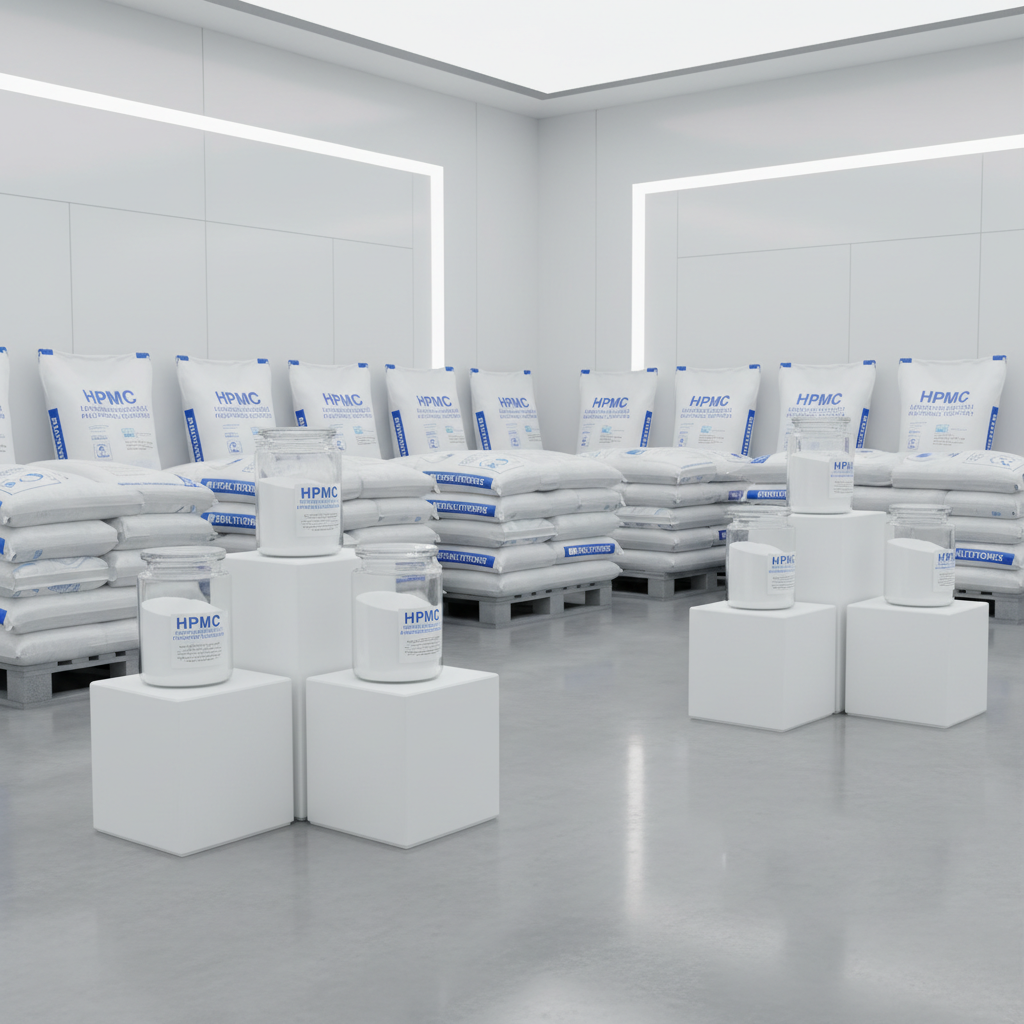
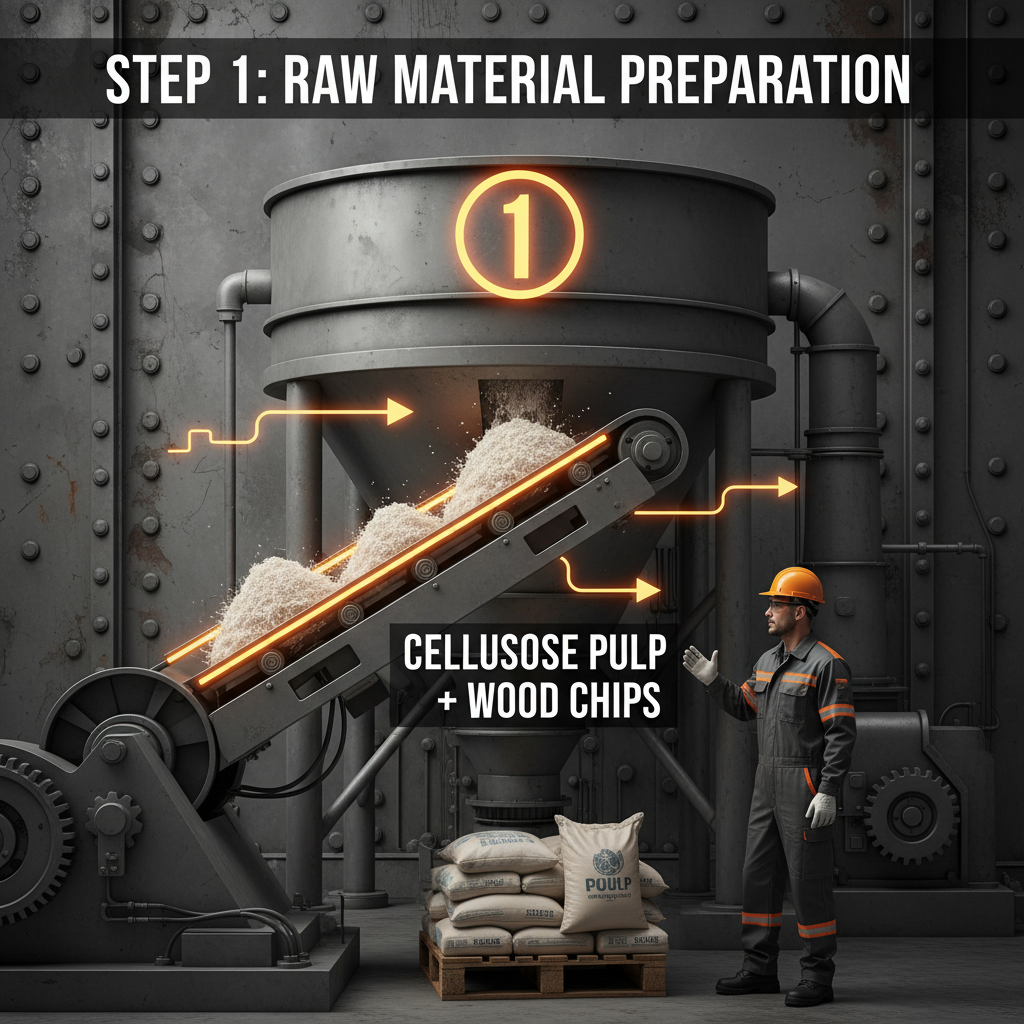
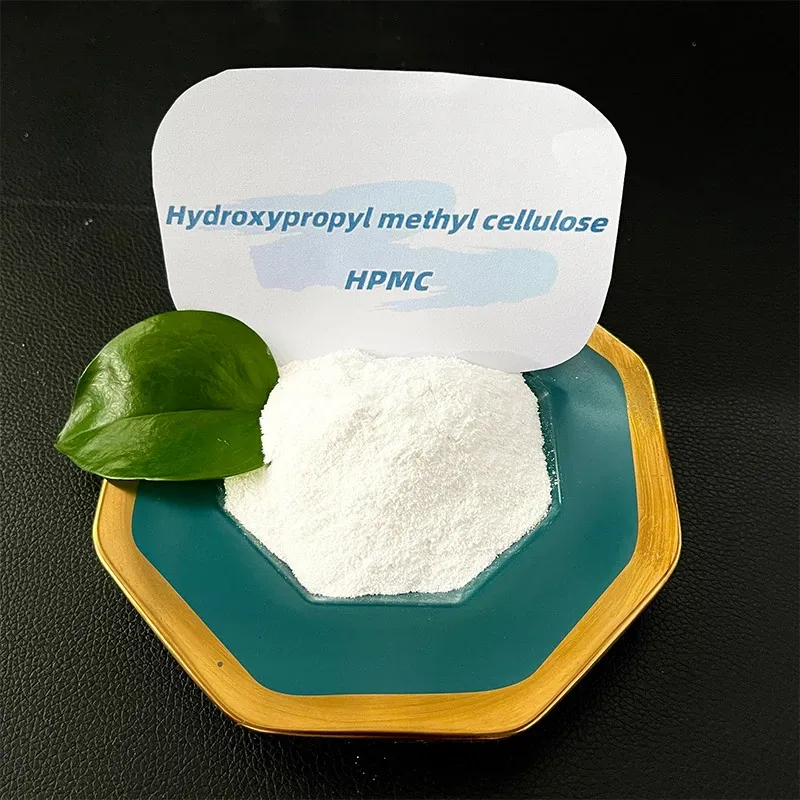
Hydroxypropyl methylcellulose (HPMC) is a versatile cellulose ether derivative gaining prominence across diverse industries globally. Its unique properties – thickening, binding, film-forming, and water retention – make it an invaluable ingredient in pharmaceuticals, construction, food, cosmetics, and more. Understanding HPMC’s capabilities is crucial for innovation and efficiency in these sectors, impacting everything from drug delivery systems to sustainable building materials.
The global demand for cellulose ethers, including HPMC, is steadily increasing, driven by expanding applications and a growing emphasis on environmentally friendly materials. The market is projected to reach significant figures in the coming years, fueled by a rising awareness of HPMC’s benefits and the continuous development of new technologies utilizing its properties. This growth necessitates a comprehensive understanding of its production, applications, and future potential.
HPMC addresses critical challenges across multiple industries. In the pharmaceutical sector, it enhances drug solubility and controlled release. In construction, it improves workability and water retention in cement-based materials. Its biocompatibility and non-toxicity make it a safe and reliable ingredient in various consumer products, offering solutions for better performance and sustainability.
Introduction to hydroxypropyl methylcellulose
Hydroxypropyl methylcellulose stands as a testament to innovative polymer chemistry, serving as a critical component in a vast array of industrial and consumer applications. Its remarkable versatility stems from its ability to modify viscosity, enhance stability, and control release mechanisms, making it an essential ingredient in industries prioritizing performance and quality.
The growing adoption of hydroxypropyl methylcellulose is not merely a trend, but a response to escalating demands for sustainable, efficient, and safe materials. As industries strive for greener solutions and enhanced product characteristics, HPMC’s biocompatibility and tunable properties position it as a frontrunner in material science advancements.
Defining hydroxypropyl methylcellulose
Hydroxypropyl methylcellulose is a non-ionic, semi-synthetic polymer derived from cellulose, a naturally abundant component of plant cell walls. It is created through chemical modification of cellulose, introducing both methyl and hydroxypropyl groups along the cellulose chain. This modification imparts unique properties, including water solubility, thickening capabilities, and film-forming characteristics.
Essentially, HPMC bridges the gap between natural polymers and synthetic alternatives, offering a biodegradable and biocompatible material that performs comparably to many synthetic polymers. It's widely used as a thickener, binder, film former, and protective colloid, functioning differently based on its degree of substitution and molecular weight.
Its connection to modern industry and humanitarian needs is profound. From ensuring the consistent viscosity of paints and coatings to stabilizing pharmaceutical formulations, and even acting as a vital component in construction materials for affordable housing, HPMC addresses a wide spectrum of challenges and contributes significantly to improved product quality and societal well-being.
Key Properties of hydroxypropyl methylcellulose
The performance of hydroxypropyl methylcellulose is defined by several key properties. First, its viscosity control capabilities are crucial for achieving desired textures and flow characteristics in diverse applications. Different grades of HPMC offer varying viscosities, allowing for precise tailoring to specific needs.
Secondly, water retention is a significant advantage, particularly in construction applications, preventing premature drying of cement mixtures and ensuring optimal curing. The third important characteristic is thermal gelation - the ability to form a gel upon heating, making it useful in applications like controlled-release drug delivery systems.
Furthermore, HPMC exhibits excellent film-forming properties, creating flexible and transparent films that are often utilized in coatings and packaging. Its chemical stability ensures it remains effective across a wide range of pH levels and temperatures, and its biocompatibility makes it safe for use in pharmaceutical and food applications. The interplay of these characteristics is what makes hydroxypropyl methylcellulose so highly sought after.
Finally, HPMC is remarkably versatile in its ability to be modified. Different degrees of substitution of methyl and hydroxypropyl groups allow for fine-tuning of properties to meet specific application requirements. This adaptability, coupled with its relatively low cost and ease of processing, contributes to its widespread adoption.
Global Applications of hydroxypropyl methylcellulose
Hydroxypropyl methylcellulose's applications span a multitude of industries globally. In the pharmaceutical industry, it serves as a binder in tablets, a film coating agent for controlled drug release, and a viscosity enhancer in liquid formulations. In construction, HPMC improves the workability of cement-based materials, increases water retention, and prevents cracking.
The food industry utilizes HPMC as a thickener, stabilizer, and emulsifier in various products, including sauces, dressings, and desserts. In cosmetics and personal care, it acts as a film former, thickener, and suspending agent in lotions, creams, and shampoos. Additionally, HPMC finds applications in paints and coatings, providing thickening, stabilizing, and film-forming properties.
Hydroxypropyl Methylcellulose Application Efficiency
Advantages and Value of hydroxypropyl methylcellulose
The tangible benefits of utilizing hydroxypropyl methylcellulose are numerous. From a cost perspective, HPMC often presents a more economical solution compared to synthetic alternatives, particularly when considering its high performance and versatility. Its sustainability profile is strong, as it’s derived from renewable cellulose resources and is biodegradable.
Beyond these economic and environmental advantages, HPMC offers significant social impact by enabling the production of safer and more effective products across various industries, ultimately contributing to improved quality of life. Its reliability and consistent performance ensure predictable results and minimize production errors, reducing waste and enhancing efficiency.
Future Trends in hydroxypropyl methylcellulose
The future of hydroxypropyl methylcellulose is intertwined with advancements in several key areas. Green chemistry initiatives are driving research into more sustainable production methods for HPMC, minimizing environmental impact. The development of modified HPMC with tailored properties for specific applications, such as targeted drug delivery systems, is also gaining momentum.
Furthermore, the integration of HPMC with nanotechnology and 3D printing technologies promises exciting new possibilities, enabling the creation of innovative materials with enhanced functionality. The increased focus on bio-based materials and circular economy principles will continue to fuel the demand for HPMC as a sustainable alternative to petroleum-based polymers.
Challenges and Solutions Regarding hydroxypropyl methylcellulose
Despite its numerous advantages, challenges remain in the broader adoption of hydroxypropyl methylcellulose. One common limitation is the potential for batch-to-batch variability in its properties, requiring careful quality control measures. Another challenge lies in optimizing its performance in highly demanding applications, such as those involving extreme temperatures or pressures.
To overcome these limitations, researchers are exploring advanced characterization techniques to ensure consistent product quality and developing new HPMC formulations with improved thermal and mechanical stability. Collaboration between manufacturers, researchers, and end-users is crucial for identifying and addressing specific application challenges, fostering continuous improvement and innovation.
Summary of Common Challenges and Solutions for Hydroxypropyl Methylcellulose
| Challenge Area |
Specific Issue |
Potential Solution |
Implementation Difficulty (1-5) |
| Production Consistency |
Batch-to-batch variability in viscosity |
Enhanced quality control and standardized manufacturing processes |
2 |
| Application Performance |
Limited thermal stability in high-temperature environments |
Development of thermally stabilized HPMC derivatives |
3 |
| Cost Competitiveness |
Higher price compared to some synthetic alternatives |
Optimizing production processes and exploring cost-effective sourcing of raw materials |
4 |
| Regulatory Compliance |
Meeting stringent regulatory requirements in specific industries |
Rigorous testing and documentation to ensure compliance with relevant standards |
3 |
| Application Specificity |
Tailoring HPMC properties for niche applications |
Customized HPMC formulations with specific degrees of substitution and molecular weights |
2 |
| Market Awareness |
Limited awareness of HPMC's potential in certain industries |
Increased marketing and educational efforts to showcase HPMC’s benefits |
4 |
FAQS
Generally, hydroxypropyl methylcellulose has a shelf life of at least five years when stored properly in a cool, dry place, away from direct sunlight. However, it's crucial to follow the manufacturer's specific recommendations, as variations in grade and packaging can influence stability. Proper storage minimizes degradation and ensures consistent performance upon use.
The molecular weight of hydroxypropyl methylcellulose directly impacts its viscosity and solution characteristics. Higher molecular weight HPMC generally results in higher viscosity solutions, providing greater thickening and binding capabilities. Lower molecular weight HPMC offers better solubility and can be used in applications where clarity and rapid dissolution are required.
Yes, hydroxypropyl methylcellulose is generally recognized as safe (GRAS) by regulatory bodies like the FDA for use in food applications within specified limits. It’s non-toxic and doesn’t contribute significant calories. However, it's essential to use food-grade HPMC that meets relevant purity standards and comply with local regulations regarding maximum allowable levels.
Both hydroxypropyl methylcellulose (HPMC) and methylcellulose are cellulose ethers, but they differ in their chemical modification. Methylcellulose contains only methyl groups, while HPMC contains both methyl and hydroxypropyl groups. This difference affects their properties: HPMC exhibits better thermal gelation and is more soluble than methylcellulose, making it more versatile for diverse applications.
Selecting the appropriate HPMC grade depends on several factors, including the desired viscosity, solubility, gelation temperature, and compatibility with other ingredients. Consulting the manufacturer's technical data sheets and conducting small-scale trials is crucial. Consider factors like pH, temperature, and the presence of salts or other additives in your formulation.
Yes, hydroxypropyl methylcellulose is considered biodegradable under certain conditions. While the rate of degradation can vary depending on factors like temperature, pH, and microbial activity, it is generally more readily biodegradable than many synthetic polymers. This characteristic makes it a more environmentally friendly option for various applications.
Conclusion
In conclusion, hydroxypropyl methylcellulose represents a remarkable achievement in polymer science, offering a uniquely versatile and sustainable solution across a wide spectrum of industries. Its ability to enhance product performance, improve process efficiency, and contribute to environmentally responsible practices makes it an indispensable material in the modern world. From pharmaceuticals and construction to food and cosmetics, HPMC’s impact is undeniable.
Looking forward, continued innovation in HPMC production and application development holds tremendous potential for addressing emerging challenges and creating new opportunities. Further research into tailored formulations, enhanced sustainability practices, and expanded applications will solidify HPMC’s position as a key material for a more sustainable and efficient future. To learn more about the benefits of HPMC for your specific needs, visit our website: www.sshbhpmc.com