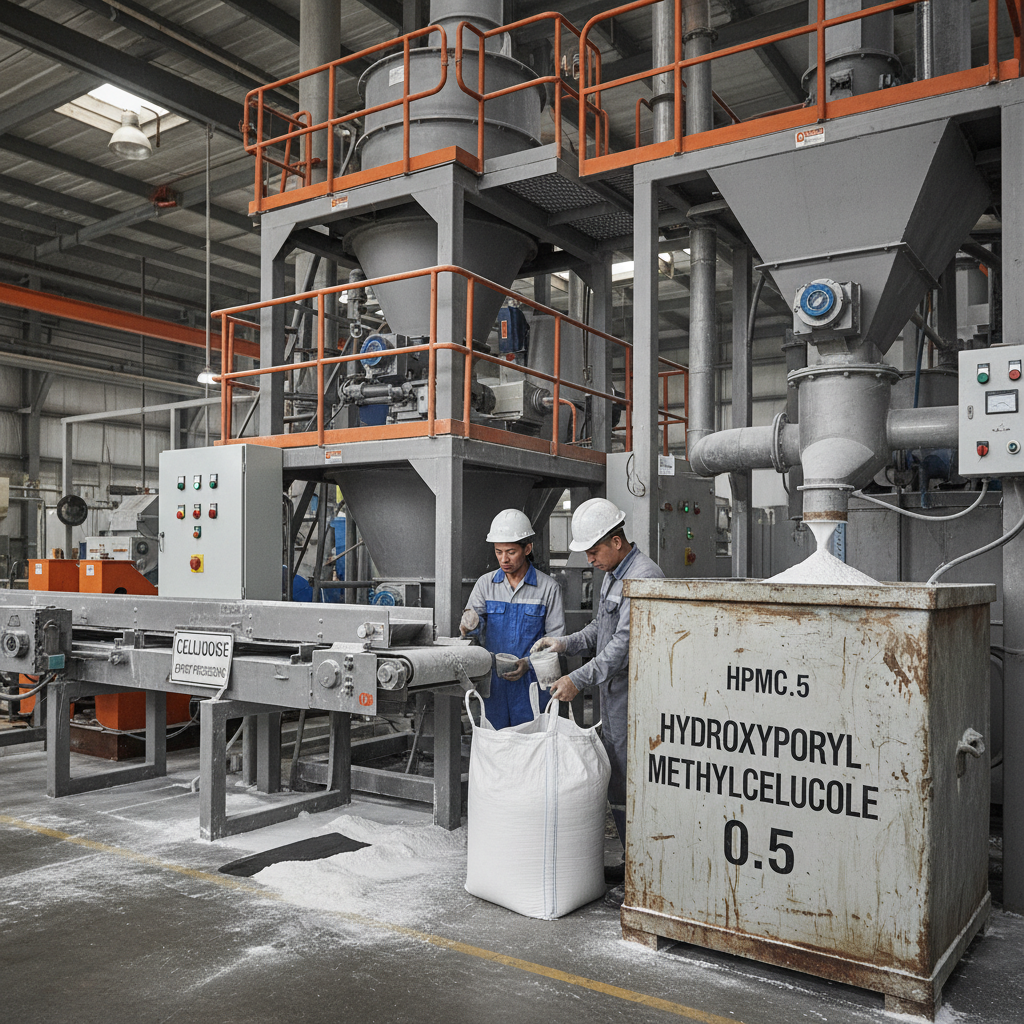
In the evolving landscape of modern chemical construction, hydroxypropyl methylcellulose 0.3 has emerged as a pivotal additive, bridging the gap between raw material stability and high-performance application. This specialized polymer, widely utilized across the non-metallic mineral products sector, provides critical rheological control and water retention that are indispensable for the integrity of contemporary building materials.
The global demand for high-efficiency construction chemicals is driven by the need for sustainable urban development and the improvement of building lifespans. Understanding the precise role of hydroxypropyl methylcellulose 0.3 allows manufacturers to optimize the workability of gypsum-based and cementitious mortars, ensuring that structural coatings and adhesives perform consistently under diverse climatic conditions.
By integrating this cellulose ether into formulations, the industry addresses the perennial challenge of shrinkage and cracking. Whether it is used in self-leveling compounds or high-end tile adhesives, hydroxypropyl methylcellulose 0.3 ensures a seamless blend of technical durability and ease of application, making it a cornerstone of the chemical building materials industry.
Global Relevance of hydroxypropyl methylcellulose 0.3
On a global scale, the construction industry is facing an unprecedented push toward efficiency and ecological responsibility. Data from ISO standards and international building councils indicate that the reduction of material waste and the increase in structural longevity are top priorities. In this context, hydroxypropyl methylcellulose 0.3 serves as a critical catalyst for these improvements, optimizing the hydration process in mineral-based products.
The challenge often lies in the variability of raw minerals; different regions produce gypsum and lime with varying purity levels. The application of hydroxypropyl methylcellulose 0.3 helps standardize the performance of these materials, ensuring that a wall putty applied in a humid tropical zone performs with the same reliability as one applied in an arid desert environment.
Technical Definition and Industrial Meaning
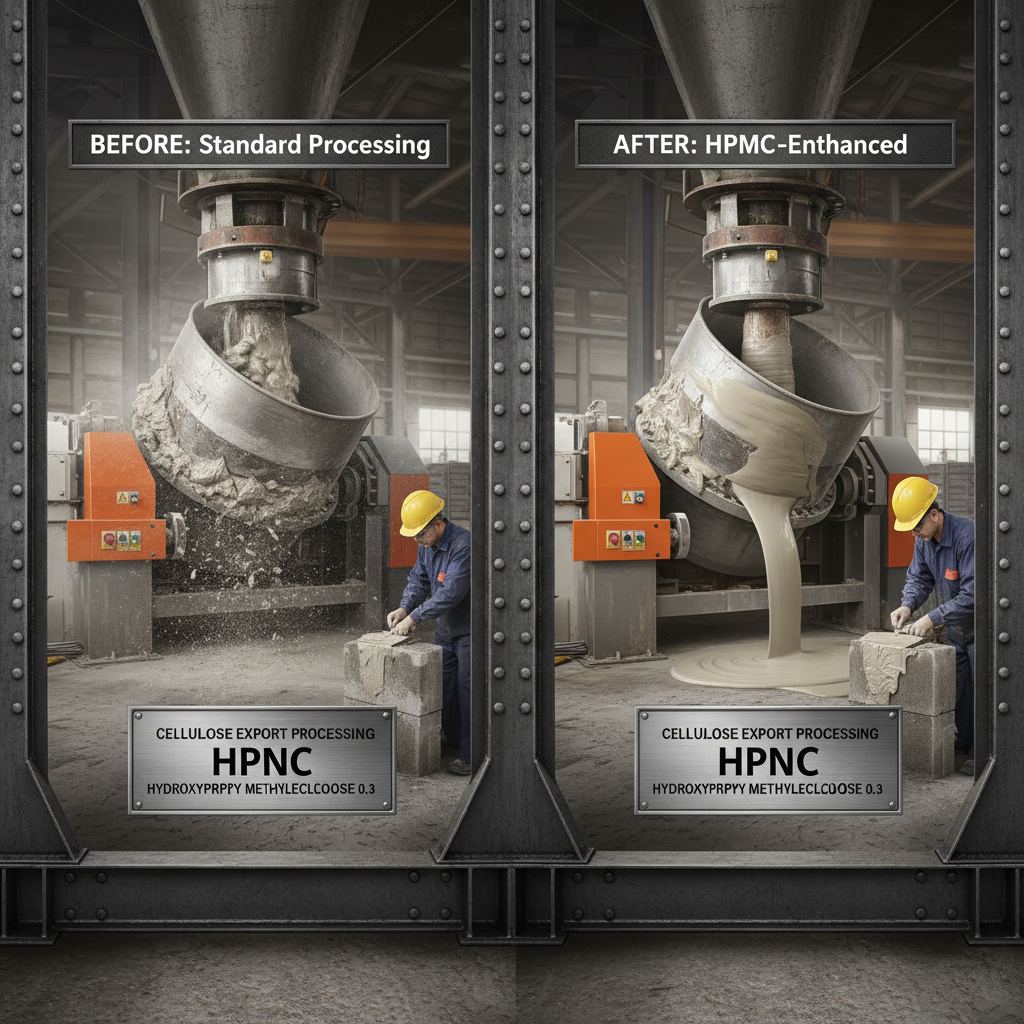
In simple technical terms, hydroxypropyl methylcellulose 0.3 is a non-ionic cellulose ether derived from natural polymer materials. Through a series of chemical modifications involving etherification, it gains the ability to act as both a thickener and a water-retaining agent. This means it can hold onto water molecules longer, preventing the "flash drying" of construction materials that leads to structural weaknesses.
Beyond the chemistry, its industrial meaning lies in its role as a "performance enhancer." For the manufacturer of chemical building materials, this additive is the difference between a product that is difficult to apply and one that glides smoothly across a surface. It transforms the physical state of the mixture, providing a pseudoplastic behavior that allows the material to flow under pressure but remain stable once in place.
Ultimately, hydroxypropyl methylcellulose 0.3 connects the raw extractive industry with the high-precision needs of modern architecture. It satisfies the humanitarian need for safer, faster, and more affordable housing by enabling the use of prefabricated and modular components that require rapid yet controlled curing.
Core Components for Material Stability
The efficacy of hydroxypropyl methylcellulose 0.3 is rooted in its superior water retention capability. This ensures that cement or gypsum can hydrate fully, which is the fundamental chemical reaction required to achieve maximum compressive strength. Without this control, water evaporates too quickly, leaving behind voids in the material.
Another critical aspect is the thickening effect provided by hydroxypropyl methylcellulose 0.3. By increasing the viscosity of the aqueous phase, it prevents the segregation of heavy mineral aggregates from the binder. This homogeneity is vital for achieving a smooth, professional finish on interior and exterior walls.
Furthermore, the compatibility of hydroxypropyl methylcellulose 0.3 with other additives, such as redispersible polymer powders (VAE) and starch ethers, allows for the creation of complex synergistic formulas. This scalability means a single base additive can be tweaked to serve various products, from high-strength adhesives to lightweight plasters.
Practical Performance Factors of HPMC 0.3
When evaluating the performance of hydroxypropyl methylcellulose 0.3, professionals look at several key metrics: open time, sag resistance, and water retention. Open time refers to the duration the material remains workable after application, a factor that directly impacts labor costs and project timelines.
Moreover, the sag resistance provided by hydroxypropyl methylcellulose 0.3 is essential for vertical applications. It ensures that heavy layers of plaster do not slide down the wall before setting, reducing the need for multiple thin coats and thereby accelerating the construction process.
Performance Comparison of hydroxypropyl methylcellulose 0.3 Variants
Global Applications and Use Cases
The versatility of hydroxypropyl methylcellulose 0.3 is evident in its widespread adoption across diverse industrial zones. In Southeast Asia, where humidity is high, it is used extensively in exterior wall coatings to prevent premature drying and cracking. In the European market, the focus is often on eco-friendly certifications, where HPMC 0.3's biodegradability makes it a preferred choice over synthetic polymers.
Beyond standard construction, in post-disaster relief operations, hydroxypropyl methylcellulose 0.3 is integrated into rapid-setting mortars used for temporary housing and infrastructure repair. This ensures that essential shelters can be erected quickly without sacrificing the basic structural integrity required to protect displaced populations from the elements.
Long-term Value and Sustainability
The adoption of hydroxypropyl methylcellulose 0.3 provides tangible economic benefits by reducing the rate of material failure. When a building's facade resists cracking for decades rather than years, the lifecycle cost of the structure drops significantly. This reliability builds trust between contractors, developers, and end-users.
From a sustainability perspective, using hydroxypropyl methylcellulose 0.3 contributes to "green building" initiatives. Because it is derived from cellulose—a renewable plant source—it reduces the carbon footprint associated with the production of purely petroleum-based additives.
Furthermore, the innovation in HPMC chemistry allows for lower dosages to achieve the same results, meaning less chemical intensity per square meter of construction. This shift toward "precision dosing" represents a logical evolution in the chemical building materials industry, balancing high performance with environmental stewardship.
Future Innovations in Cellulose Chemistry
Looking forward, the development of hydroxypropyl methylcellulose 0.3 is moving toward "intelligent" additives. Researchers are exploring polymers that can respond to temperature changes, allowing for materials that set faster in cold climates and slower in extreme heat, effectively automating the curing process through chemical intelligence.
Digital transformation is also playing a role, with AI-driven formulation software now capable of predicting the exact amount of hydroxypropyl methylcellulose 0.3 needed based on the molecular profile of the local sand and cement used in a specific project. This eliminates trial-and-error on-site and ensures optimal material efficiency.
The integration of HPMC 0.3 with nano-materials, such as graphene or nano-silica, is another frontier. These hybrid materials promise to create "ultra-high-performance" mortars that are virtually impermeable to water while maintaining the workability and ease of use that hydroxypropyl methylcellulose 0.3 provides.
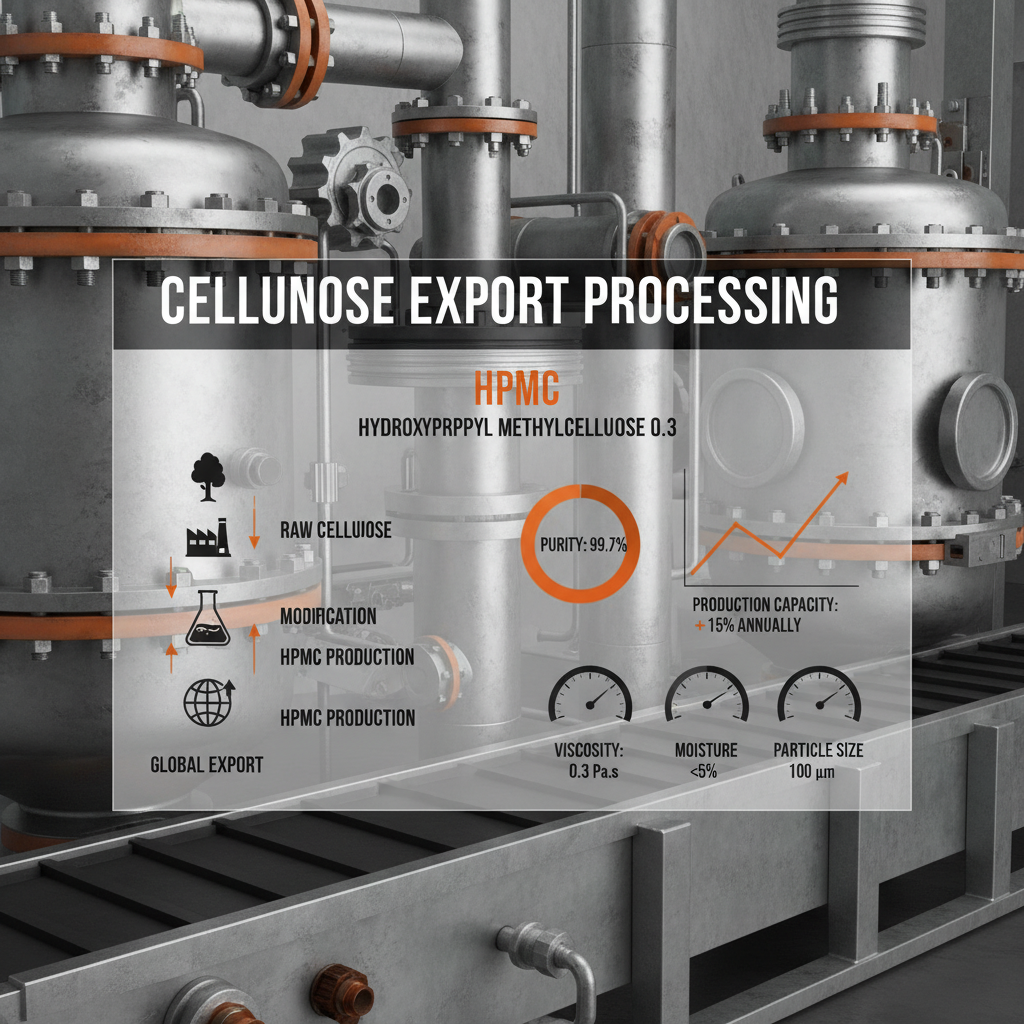
Analysis of hydroxypropyl methylcellulose 0.3 Technical Specifications
| Property Dimension |
Technical Metric |
Impact on Quality |
Industrial Rating |
| Viscosity Control |
4,000 - 200,000 mPa.s |
Prevents material segregation |
9/10 |
| Water Retention |
High Capacitance |
Eliminates shrinkage cracks |
10/10 |
| Open Time |
Extended 20-40 mins |
Increases application flexibility |
8/10 |
| Solubility |
Cold/Warm water soluble |
Ensures uniform mixing |
9/10 |
| Biodegradability |
Natural Cellulose Base |
Supports LEED certifications |
10/10 |
| Cost-Efficiency |
Low Dosage Ratio |
Reduces overall project cost |
7/10 |
FAQS
The "0.3" usually refers to a specific viscosity grade or a refined substitution level that optimizes the balance between thickening power and water retention. While standard HPMC provides general stability, hydroxypropyl methylcellulose 0.3 is often tailored for specific applications like gypsum retarders or high-end tile adhesives where precise rheology is required to prevent sagging while maintaining a smooth finish.
It works by creating a hydrophilic network that traps water within the mixture. This prevents the water from being absorbed too quickly by the substrate or evaporating into the air. By slowing down the drying process, hydroxypropyl methylcellulose 0.3 allows for a more uniform crystallization of the binder, which significantly reduces the internal tension that causes shrinkage cracks.
In many cases, yes, but it requires a dosage adjustment. hydroxypropyl methylcellulose 0.3 offers a different balance of solubility and viscosity compared to CMC or HEMC. We recommend conducting a small-scale lab test to ensure the open time and sag resistance meet your specific project requirements before a full-scale replacement.
Absolutely. Since it is derived from natural cellulose, it is biodegradable and non-toxic. Using hydroxypropyl methylcellulose 0.3 helps builders meet strict VOC (Volatile Organic Compound) emission standards, making it ideal for indoor air quality certifications and sustainable "Green Building" projects worldwide.
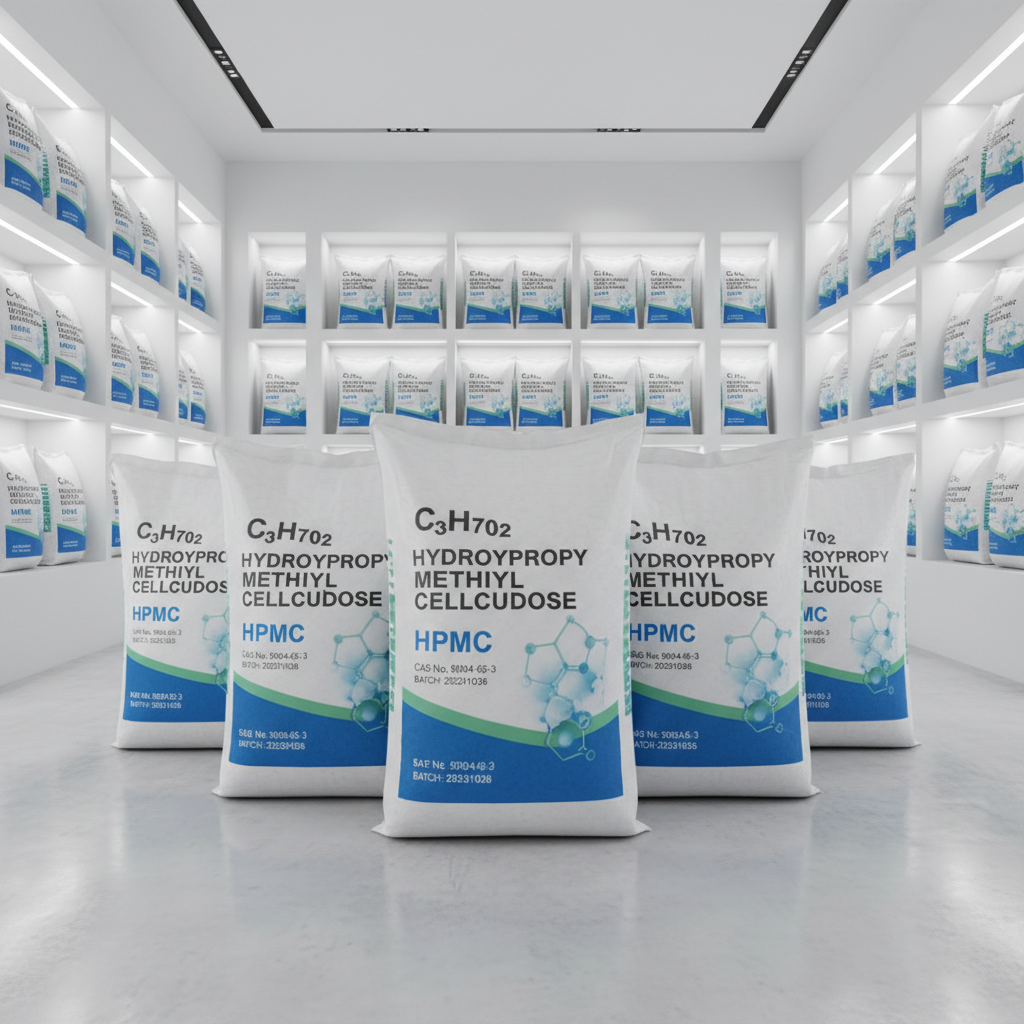
It should be stored in a cool, dry, and well-ventilated warehouse. Because it is highly hygroscopic (absorbs water from the air), the original packaging must be kept tightly sealed. Exposure to moisture can cause the powder to clump, which may lead to "fish-eyes" or lumps in the final mixed mortar, reducing the effectiveness of hydroxypropyl methylcellulose 0.3.
While it primarily affects the rheology and water retention, hydroxypropyl methylcellulose 0.3 can indirectly influence the perceived setting time by keeping the material moist longer. However, for precise control of the chemical setting time, it is typically used in conjunction with specific gypsum retarders to achieve the desired window of workability.
Conclusion
In summary, hydroxypropyl methylcellulose 0.3 represents a vital intersection of chemical engineering and practical construction needs. By providing unmatched water retention, superior viscosity control, and environmental compatibility, it ensures that modern building materials are not only easier to apply but are also more durable and sustainable. Its ability to standardize performance across varying raw material qualities makes it an indispensable tool for the global chemical building materials industry.
As the industry moves toward a future of "smart materials" and carbon-neutral construction, the role of refined cellulose ethers will only grow. We encourage manufacturers and contractors to embrace these high-performance additives to enhance the structural integrity and longevity of their projects. For more professional guidance and high-quality product sourcing, visit our website: www.sshbhpmc.com.