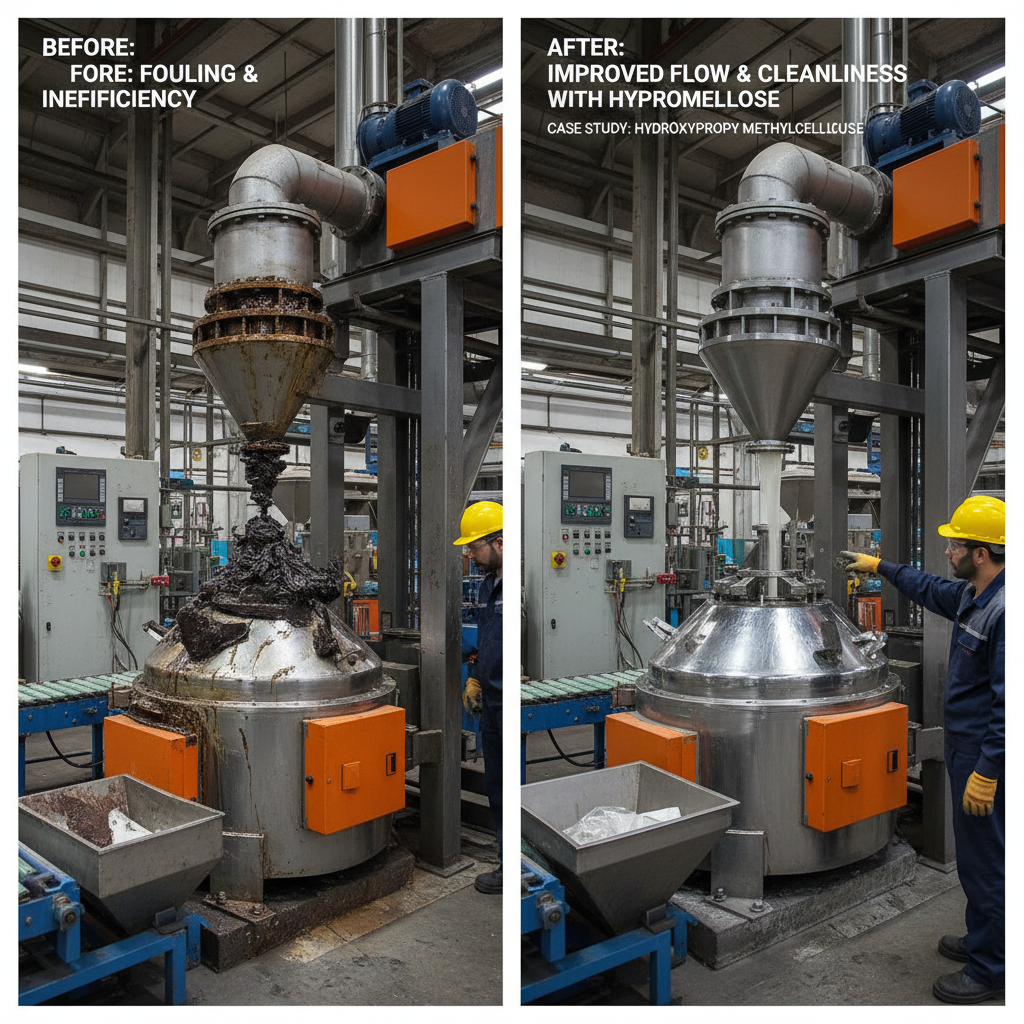


Hydroxypropyl Methylcellulose, commonly referred to as hpmc products, is a high-performance non-ionic cellulose ether derived from natural polymer materials. It serves as a critical additive in the chemical construction industry, acting as a thickener, binder, and water-retention agent to improve the stability and quality of mortar-based materials.
In modern construction, ensuring that wall putties and tile adhesives do not crack or shrink during the drying process is a primary technical challenge. These chemical additives address these pain points by controlling the rate of water evaporation and improving the overall cohesion of the material, which directly impacts the service life of the building's interior and exterior finishes.
This technical analysis will explore the functional mechanisms of hpmc products, their specific applications in construction fibers and functional additives, and a guide for procurement teams to select the correct viscosity and grade to maximize structural integrity and minimize operational costs.

1Fundamentals of HPMC in Chemical Construction

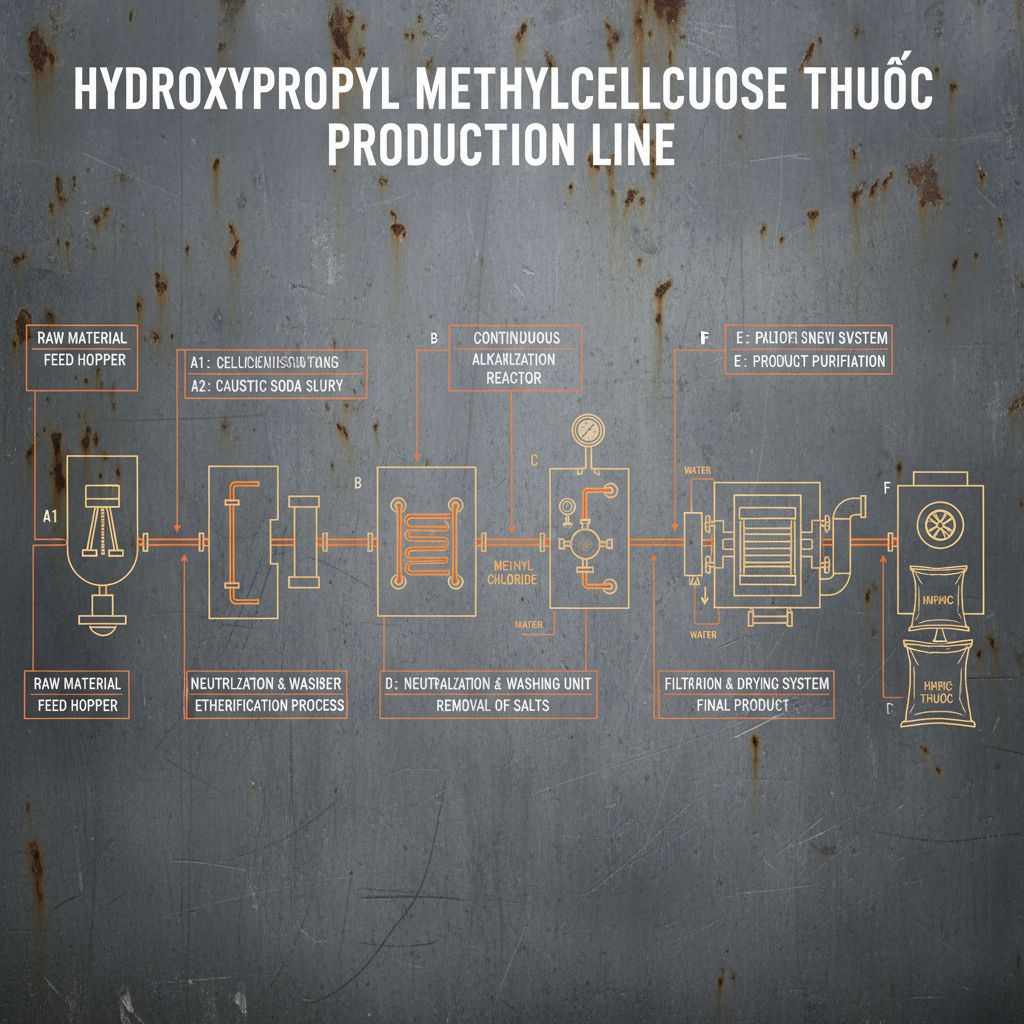
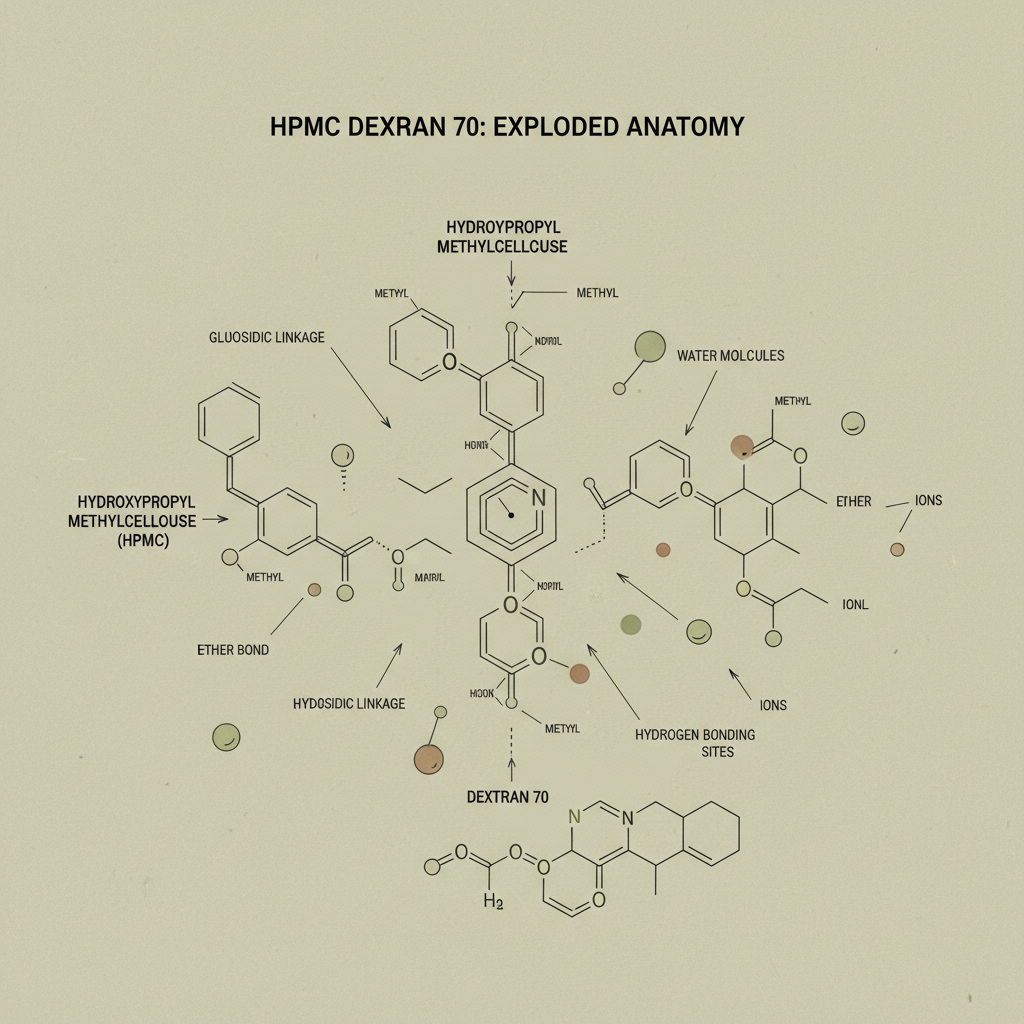
HPMC is synthesized through a series of chemical reactions involving cellulose, sodium hydroxide, and methyl chloride. In the context of the non-metallic mineral products industry, hpmc products are valued for their ability to form a stable gel and hold water within the mortar matrix. This process prevents the premature drying of cementitious materials, which is essential for the hydration of cement and the overall strength of the cured structure.
The versatility of these products allows them to be used across various viscosities, ranging from 1,000 to 200,000 mPa.s. This range enables manufacturers to customize the flow properties of their mortar, ensuring that the material is neither too fluid to sag nor too stiff to apply efficiently on vertical surfaces.
For enterprises like Hebei ShengShi HongBang Cellulose Technology CO.,LTD, utilizing a German horizontal kettle "one-step production process" ensures a consistent product quality rate, which is vital for industrial-scale applications where batch-to-batch variation can lead to significant site errors.
2Core Technical Advantages and Functional Properties
The primary advantage of hpmc products lies in their high tensile strength and strong anti-cracking effects. By creating a cohesive internal network, these additives minimize shrinkage deformation. This is particularly critical in high-humidity environments where the balance between water absorption and evaporation must be meticulously managed to prevent hairline cracks.
Furthermore, the excellent dispersibility of HPMC prevents the aggregation of particles within the mortar. This ensures a uniform distribution of additives, resulting in a smooth surface finish and consistent structural integrity across the entire application area, whether it is a small repair or a large-scale facade.
From a cost-efficiency perspective, the low dosage required to achieve these results makes HPMC a viable solution for large projects. It enhances the toughness and impact resistance of the mortar, which reduces the likelihood of splintering or peeling over the long term.
3Application Scenarios in Modern Building Materials
In the production of wall putty, hpmc products are used to prevent drying shrinkage and crazing. By enhancing the structural integrity of the finish layer, the putty resists powdering and peeling, providing a stable base for painting. This reduces the need for multiple coats and lowers labor costs during the construction phase.
For self-leveling mortars, the focus shifts to preventing delamination and enhancing floor integrity. HPMC minimizes the occurrence of micro-cracks as the floor cures, ensuring a perfectly flat and durable surface that can withstand heavy foot traffic and industrial loads without compromising its bond to the substrate.
Additionally, in tile adhesives and marble bonding, HPMC provides the necessary "open time," allowing workers to adjust the position of the tiles before the adhesive sets. This high bonding strength reduces the reliance on excessive cement and improves the overall aesthetics of the installation.
4Comparative Performance and Metrics Analysis
When evaluating the efficiency of hpmc products, the most critical metric is the water retention rate. High water retention ensures that the cement has sufficient moisture to complete its chemical hydration, which is the foundation of the material's final strength. Without this, the mortar suffers from "burning," where water evaporates too quickly, leaving a weak, porous structure.
Another key performance indicator is the viscosity stability. Stable viscosity ensures that the workability of the mortar remains constant throughout the application process. This prevents the material from becoming too thick too quickly, which would otherwise hinder the leveling process and create uneven surfaces.
hpmc products Performance Metrics
As shown in the performance metrics, the integration of high-grade HPMC significantly boosts bonding strength and sag resistance compared to industry averages. This is achieved by improving the internal cohesion of the mortar, which allows for thicker application layers without the risk of sliding or collapsing.
5Procurement Guide and Selection Criteria
Selecting the right grade of hpmc products requires a deep understanding of the final application. For instance, high-viscosity grades are typically preferred for tile adhesives to provide superior sag resistance, whereas lower-viscosity grades are often used in paints and coatings to ensure a bright, fine finish and better leveling performance.
Buyers should evaluate suppliers based on their production technology and testing capabilities. A factory employing advanced "one-step production" and having professional testing personnel can guarantee a 100% product quality rate, reducing the risk of project delays caused by material failure.
Furthermore, considering the packaging and storage is essential. HPMC should be stored in dry, well-ventilated areas, protected from direct sunlight and moisture. For large-scale procurement, 25 kg/bag packaging is the industry standard for balancing transportation efficiency and handling ease.
6Industry Trends and Innovation in Cellulose Ethers
The current trend in the chemical building materials industry is moving toward "intelligent" additives that can respond to environmental changes. Research is focusing on modified HPMC that offers even higher water retention in extreme heat, allowing for construction in arid climates without the need for constant manual wetting of the walls.
Another significant shift is the integration of HPMC with other functional additives like Redispersible Polymer Powder (VAE) and Rubber Powder. This synergy creates a composite matrix that is not only flexible and crack-resistant but also highly impermeable to water, which is critical for waterproof coatings and exterior insulation systems.
As sustainability becomes a priority, the production of cellulose ethers is evolving to use more eco-friendly solvents and energy-efficient processes. This ensures that the construction industry can meet rigorous environmental standards without sacrificing the performance and durability of the materials used.
7Product Comparison and Decision Matrix
To facilitate an informed decision, it is necessary to compare HPMC with other common cellulose ethers and additives. While HEC (Hydroxyethyl Cellulose) is excellent for paints, HPMC is superior in construction mortars due to its better alkali resistance and water-retention capabilities.
The following table provides a comparison between standard mortar, HPMC-enhanced mortar, and fiber-reinforced options to help procurement teams determine the best fit for their specific structural requirements.
| Additive Type | Primary Benefit | Best Use Case | Limitation |
|---|---|---|---|
| Standard HPMC | Water Retention | Wall Putty / Plaster | Viscosity Sensitivity |
| High-Viscosity HPMC | Sag Resistance | Tile Adhesives | Harder to Disperse |
| HEC | Thickening | Interior Paints | Lower Alkali Resistance |
| VAE Powder | Flexibility | External Insulation | Higher Material Cost |
| Polypropylene Fiber | Crack Control | Concrete Slabs | Surface Texture Impact |
| Starch Ether | Workability | Cement Mortars | Lower Water Holding |
Ultimately, the choice depends on the trade-off between cost and performance. For critical structural elements, a combination of HPMC and VAE powder is recommended, whereas for standard decorative finishes, a high-quality HPMC grade is usually sufficient to meet industry standards.
Frequently Asked Questions
Conclusion
The integration of hpmc products into construction materials is no longer optional for those seeking high-quality, durable finishes. By managing water retention and improving the rheological properties of mortar, HPMC directly prevents structural defects and enhances the longevity of the build. From wall putties to self-leveling floors, its role as a functional additive is central to modern chemical construction.
For procurement professionals and engineers seeking stable, high-performance cellulose solutions, reviewing detailed technical specifications and supplier capabilities is key. Interested parties can find comprehensive product data and customization options for various viscosities at www.sshbhpmc.com.