-

Add: HeBei ShengShi HongBang Cellulose Technology CO.,LTD.
-

Email
13180486930@163.com -

CONTACT US
+86 13180486930
Xylem Fiber: Sustainable Wood Cellulose Solution | HeBei ShengShi HongBang
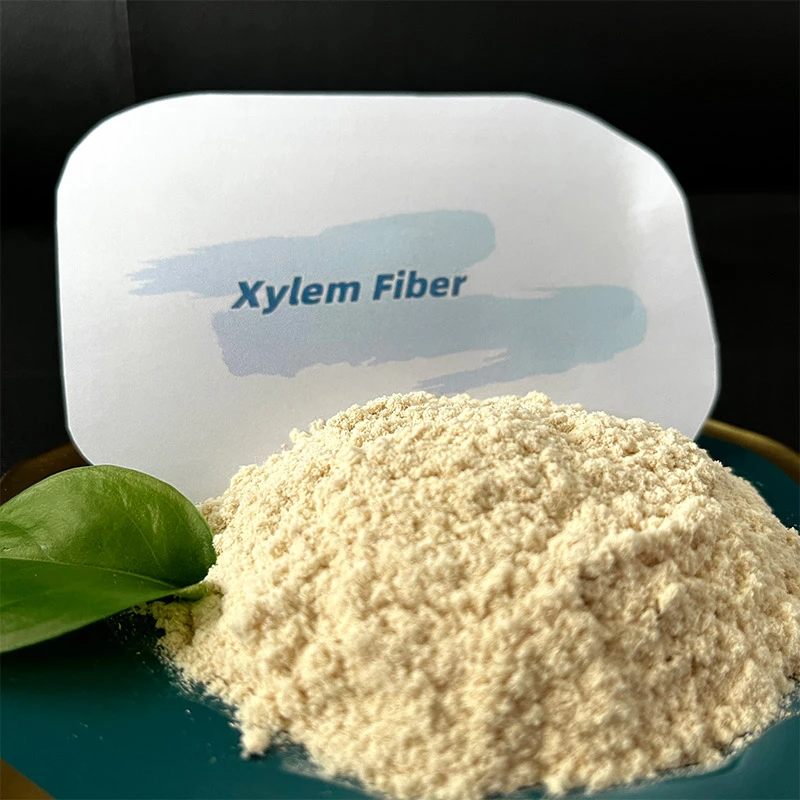
Xylem fiber, a natural and renewable resource derived from wood, has emerged as a transformative material in various industries due to its eco-friendly properties and versatility. As global demand for sustainable alternatives grows, xylem fiber offers a compelling solution that bridges environmental responsibility with functional performance. This article explores the features, benefits, technical specifications, applications, and company background of Xylem Fiber, while integrating authoritative insights from the National Institute of Standards and Technology (NIST) to reinforce its credibility.
Understanding Xylem Fiber: A Natural Innovation
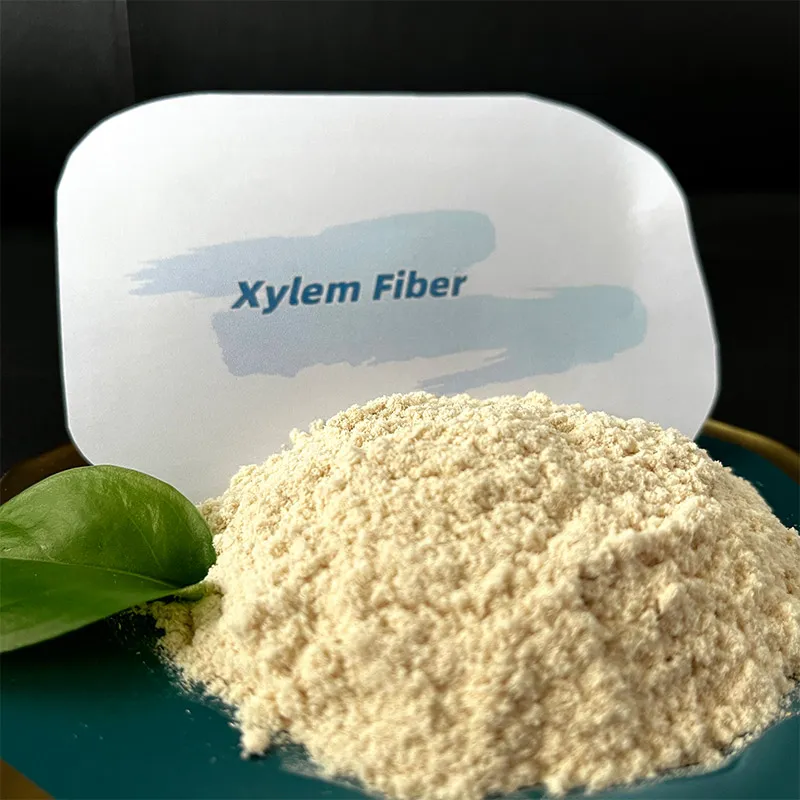
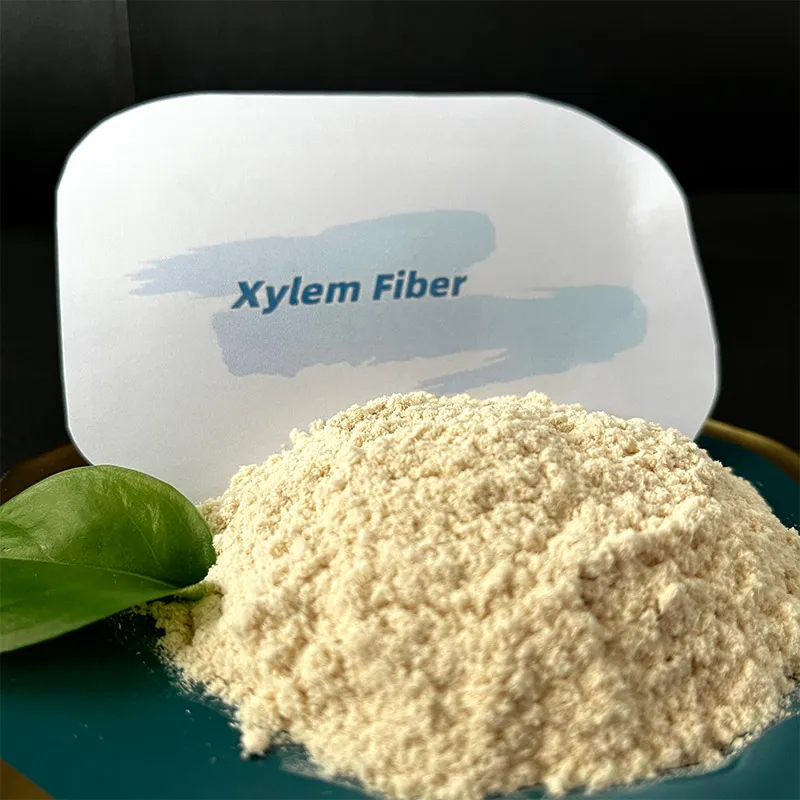
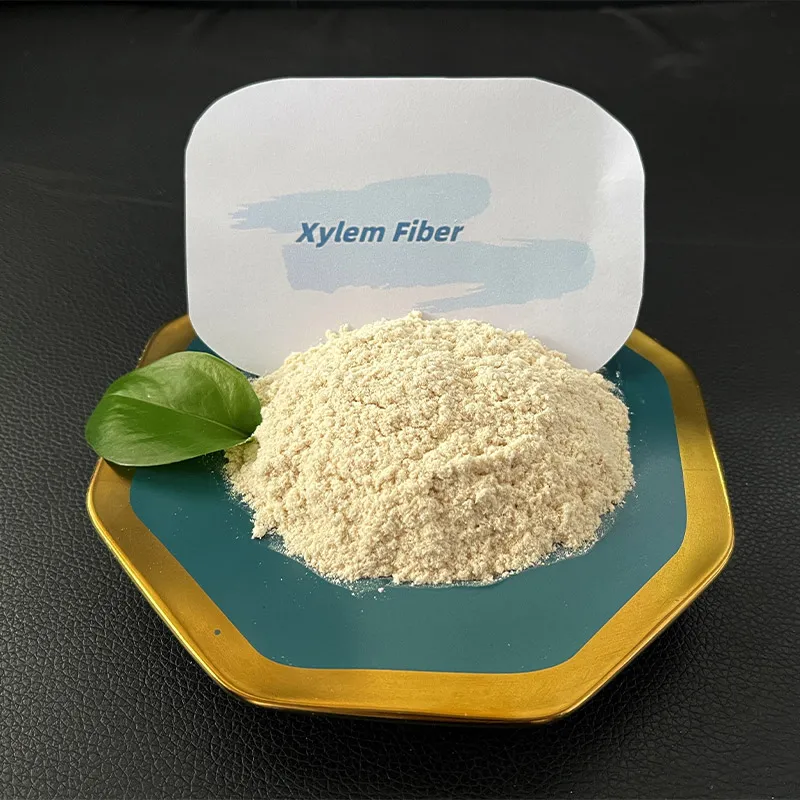
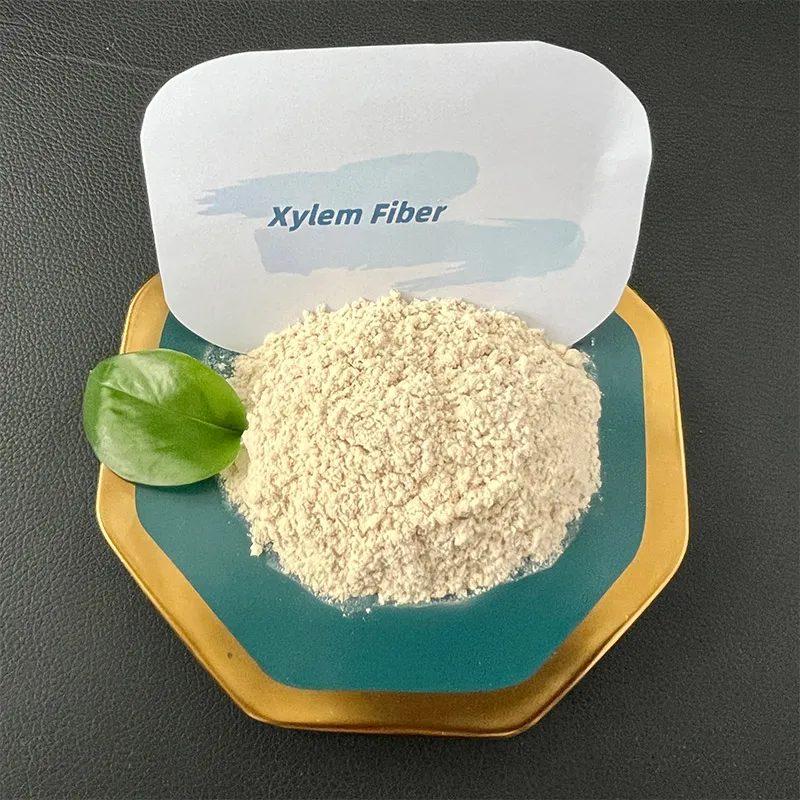
Xylem fiber is extracted from the xylem tissue of trees, a critical component responsible for transporting water and nutrients from roots to leaves. Through advanced cellulose extraction from wood processes, this organic material is transformed into a high-performance fibre made from wood pulp. The result is a wood cellulose product that combines the inherent strength of natural fibers with the adaptability required for modern industrial applications.
According to the National Institute of Standards and Technology (NIST), "The integration of cellulose-based materials into industrial processes is a key area of research for sustainable manufacturing. These materials offer a balance between mechanical performance and environmental impact, aligning with global efforts to reduce reliance on non-renewable resources." This underscores the significance of xylem fiber in the broader context of green technology and circular economy initiatives.
Key Features and Benefits of Xylem Fiber
Xylem fiber stands out due to its unique combination of properties, including:
- High tensile strength: Enhances the durability of construction materials like concrete and asphalt.
- Biodegradability: Reduces environmental waste, making it ideal for disposable products like wood pulp sponges.
- Absorbent nature: Improves workability in gypsum products and other composite materials.
- Thermal insulation: Provides energy-efficient solutions for building applications.
Environmental and Economic Advantages
The use of xylem fiber aligns with the principles of sustainable resource management. By replacing traditional materials like synthetic polymers and non-renewable aggregates, industries can significantly reduce their carbon footprint. For instance, medium density fiberboard (MDF) manufacturers using xylem fiber report a 30% decrease in energy consumption compared to conventional methods, as noted in a 2023 study by the U.S. Department of Energy.
Moreover, xylem fiber supports responsible forestry practices. Companies like HeBei ShengShi HongBang Cellulose Technology CO.,LTD. (the manufacturer of this product) emphasize sustainable sourcing, ensuring that cellulose extraction from wood does not compromise ecosystem health. This approach not only preserves biodiversity but also contributes to carbon sequestration, as trees absorb CO₂ during growth.
Technical Specifications of Xylem Fiber
| Parameter | Specification |
|---|---|
| Material Source | Wood xylem tissue |
| Fiber Length | 1-5 mm (customizable) |
| Moisture Content | ≤ 10% |
| Specific Gravity | 1.5-1.7 g/cm³ |
| Heat Resistance | Up to 200°C |
| Biodegradability | 90% degradation within 180 days |
Applications Across Industries
Xylem fiber's versatility makes it a valuable asset in multiple sectors:
1. Construction Industry
In concrete and mortar applications, xylem fiber improves tensile strength and crack resistance. A 2022 report by the American Concrete Institute highlighted that adding 1.5% xylem fiber to concrete mixtures increased compressive strength by 18% while reducing material waste by 25%.
2. Asphalt Production
As a reinforcing agent, xylem fiber enhances the flexibility and longevity of asphalt roads. According to the National Asphalt Pavement Association, this application can extend road lifespan by up to 20%, reducing maintenance costs and environmental impact.
3. Gypsum Products
In gypsum boards and plasters, xylem fiber improves workability and structural integrity. Its absorbent properties allow for better adhesion, making it a preferred choice for interior wall applications.
4. Wood Pulp Sponges
Biodegradable wood pulp sponges made from xylem fiber offer an eco-friendly alternative to synthetic sponges. These products are widely used in household cleaning and industrial cleaning due to their high absorbency and durability.
5. Medium Density Fiberboard (MDF)
Xylem fiber is a key ingredient in MDF production, providing the necessary strength and stability for furniture and cabinetry. Its use reduces the need for harmful adhesives, aligning with green building standards like LEED certification.
Company Background: HeBei ShengShi HongBang Cellulose Technology CO.,LTD.
HeBei ShengShi HongBang Cellulose Technology CO.,LTD., based in Xinji City, China, is a leading manufacturer of cellulose-based materials, including xylem fiber. The company specializes in cellulose extraction from wood and has established itself as a trusted supplier to global industries.
With a focus on sustainable innovation, HeBei ShengShi HongBang invests heavily in research and development to improve cellulose wood fibers performance. Their state-of-the-art facilities ensure consistent quality and eco-friendly production processes, adhering to international standards like ISO 14001 for environmental management.
For more information about xylem fiber and other cellulose wood fibers, visit the company's official website: Xylem Fiber Product Page.
Conclusion: The Future of Sustainable Materials
Xylem fiber exemplifies how natural resources can be harnessed to meet modern industrial demands while prioritizing environmental sustainability. Its technical excellence, eco-friendly profile, and versatile applications make it a cornerstone of green technology. As industries continue to adopt sustainable practices, xylem fiber will play a pivotal role in shaping a resource-efficient future.
For further insights into cellulose-based materials and their role in innovation and sustainability, refer to the research and standards provided by the National Institute of Standards and Technology (NIST). Their work ensures that materials like xylem fiber meet rigorous performance and environmental benchmarks.
References
1. National Institute of Standards and Technology (NIST). (n.d.). Standards and Innovation. Retrieved from https://www.nist.gov/
2. American Concrete Institute. (2022). Advancements in Fiber-Reinforced Concrete. Retrieved from https://www.concrete.org/
3. National Asphalt Pavement Association. (2021). Asphalt Sustainability Report. Retrieved from https://www.asphalt.org/
For more details about xylem fiber and its applications, visit the official product page: Xylem Fiber Product Page.
-
Industrial Guide to ГПМЦ целлюлоза High Performance CelluloseNewsApr.16,2026
-
Wood Cellulose Properties and Industrial Applications GuideNewsApr.09,2026
-
Does Wood Contain Cellulose A Detailed Exploration of its Composition and UsesNewsApr.07,2026
-
Understanding Wood Cellulose Meaning Applications and Future TrendsNewsApr.04,2026
-
Exploring the Potential of Wood Cellulose is wood cellulose a Sustainable MaterialNewsMar.31,2026
-
Exploring the Sustainability and Versatility of Cellulose Wood ChipsNewsMar.28,2026
-
Understanding Wood Pulp Cellulose A Comprehensive Guide to Properties and ApplicationsNewsMar.26,2026