-

Add: HeBei ShengShi HongBang Cellulose Technology CO.,LTD.
-

Email
13180486930@163.com -

CONTACT US
+86 13180486930
Xylem Fiber: Sustainable Innovation | HeBei ShengShi HongBang
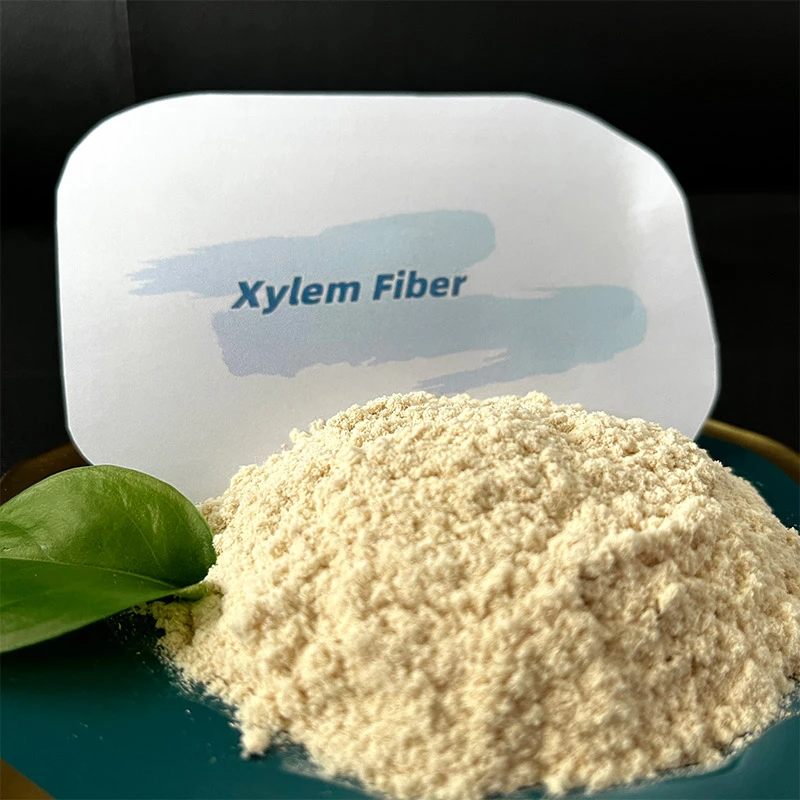
Xylem Fiber, a natural and renewable resource derived from wood, has emerged as a pivotal material in the global shift toward sustainable manufacturing. This organic flocculent fiber, processed through advanced chemical and mechanical treatments, offers a versatile solution for industries seeking eco-friendly alternatives. As environmental consciousness grows, Xylem Fiber has become a cornerstone in sectors ranging from construction to asphalt production, demonstrating its adaptability and ecological benefits. This article explores the features, applications, technical specifications, and industry impact of Xylem Fiber, while highlighting its role in shaping a greener future.
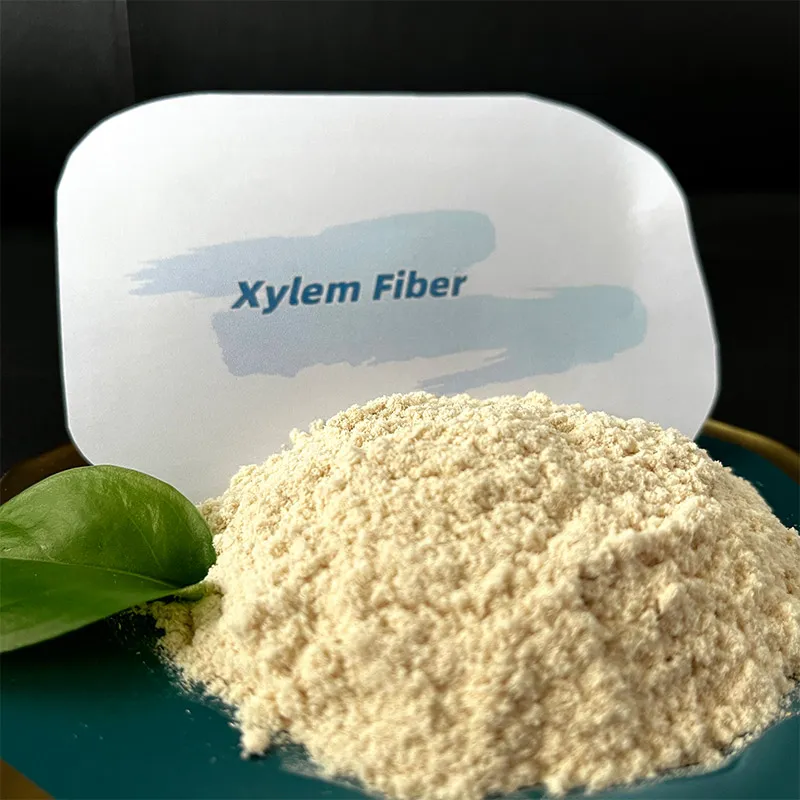
Understanding Xylem Fiber: A Natural Resource with Advanced Properties
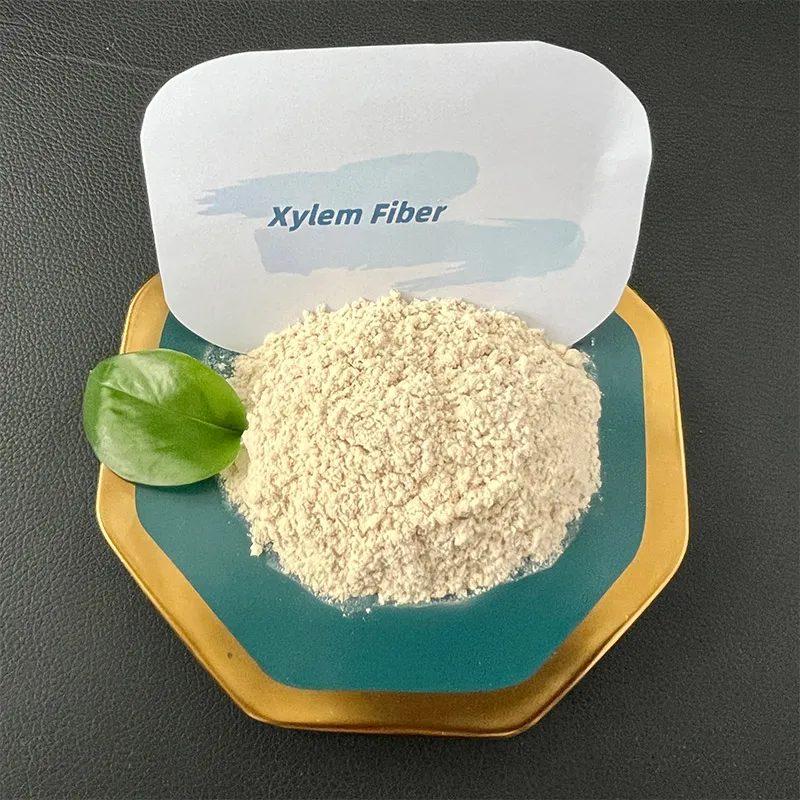
Xylem Fiber is extracted from the xylem tissue of trees, a critical component of plant vascular systems responsible for transporting water and nutrients. The production process involves chemical treatments and mechanical processing to refine the raw wood into a high-quality fiber. This transformation enhances its structural integrity, making it suitable for diverse applications. Unlike synthetic fibers, Xylem Fiber is biodegradable and renewable, aligning with global sustainability goals. Its unique properties, including high tensile strength, moisture retention, and absorbency, make it an ideal material for industrial use.
One of the most significant advantages of Xylem Fiber is its ability to reduce reliance on non-renewable resources. For instance, in the construction industry, it enhances the performance of concrete and mortar mixes by improving their strength and durability. This not only extends the lifespan of structures but also reduces the carbon footprint associated with traditional materials. Similarly, in the asphalt industry, Xylem Fiber acts as a reinforcing agent, increasing the resilience of roads and reducing maintenance costs over time.
Key Applications of Xylem Fiber in Modern Industries
The versatility of Xylem Fiber is evident in its wide-ranging applications. Below are some of the primary sectors where it plays a critical role:
1. Construction Industry
In construction, Xylem Fiber is used to improve the properties of concrete, mortar, and gypsum products. Its incorporation into these materials enhances workability, structural integrity, and resistance to cracking. For example, gypsum wallboards infused with Xylem Fiber exhibit improved dimensional stability and reduced brittleness. Additionally, Xylem Fiber contributes to energy efficiency by acting as an insulating material, reducing the need for artificial heating and cooling systems.
2. Medium Density Fiberboard (MDF) Manufacturing
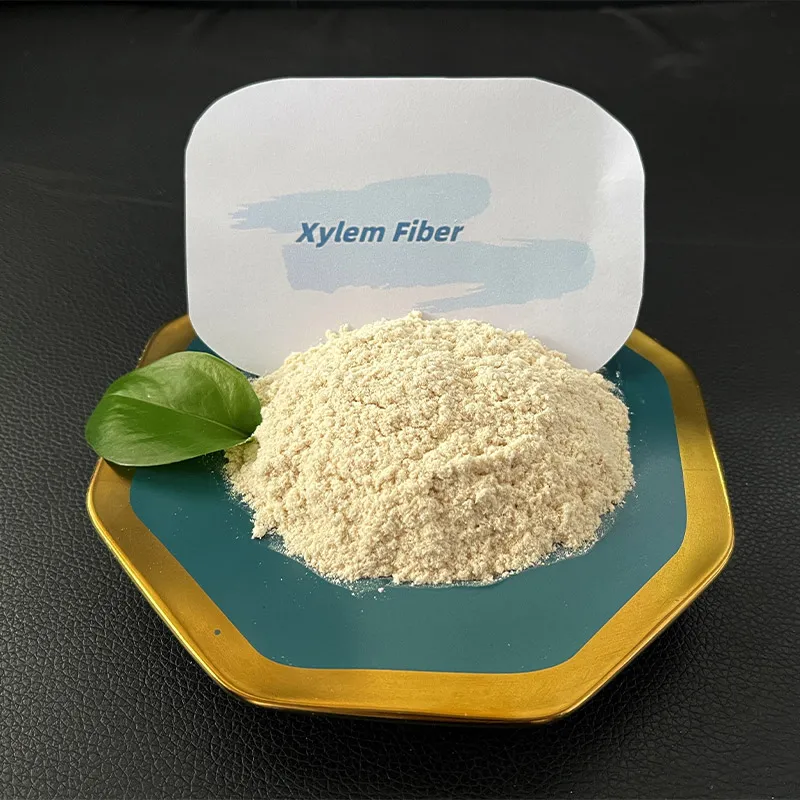
The production of medium density fiberboard (MDF) relies heavily on Xylem Fiber as a key ingredient. This fiber-based composite material is widely used in furniture, cabinetry, and interior design due to its smooth surface and uniform texture. By replacing traditional wood chips with Xylem Fiber, manufacturers can produce sustainable MDF panels that meet modern environmental standards. The use of Xylem Fiber also reduces the amount of chemical binders required, further minimizing environmental impact.
3. Asphalt and Road Construction
In the asphalt industry, Xylem Fiber serves as a reinforcing agent that improves the flexibility and longevity of road surfaces. When added to asphalt mixtures, it enhances resistance to rutting and cracking, particularly in high-traffic areas. This application not only extends the lifespan of roads but also reduces the frequency of repairs, lowering overall maintenance costs. According to the National Institute of Standards and Technology (NIST), the integration of natural fibers like Xylem Fiber into infrastructure materials can significantly improve durability and sustainability [1].
4. Wood Pulp Sponges and Cleaning Products
The absorbent properties of Xylem Fiber make it an ideal material for wood pulp sponges and biodegradable cleaning products. These sponges offer a sustainable alternative to synthetic sponges, which often end up in landfills. The biodegradability of Xylem Fiber ensures that these products decompose naturally, reducing plastic waste. Additionally, its high porosity allows for efficient absorption and cleaning, making it a popular choice in household and industrial settings.
Technical Specifications of Xylem Fiber
To better understand the performance of Xylem Fiber, the following table outlines its key technical specifications:
| Parameter | Specification |
|---|---|
| Fiber Length | 1-3 mm (varies based on processing) |
| Moisture Content | ≤ 10% |
| Tensile Strength | ≥ 15 MPa |
| Absorbency | Up to 150% of its weight |
| Chemical Resistance | Resistant to mild acids and alkalis |
| Biodegradability | 100% biodegradable in natural environments |
Company Background: HeBei ShengShi HongBang Cellulose Technology CO.,LTD.
HeBei ShengShi HongBang Cellulose Technology CO.,LTD. (辛集市盛世宏邦贸易有限公司) is a leading manufacturer and supplier of Xylem Fiber and related cellulose products. With a focus on sustainable innovation, the company has established itself as a trusted partner for industries seeking eco-friendly materials. Their commitment to responsible forestry practices ensures that the Xylem Fiber they produce is sourced from certified sustainable wood sources, minimizing environmental impact.
As a pioneer in the cellulose extraction industry, HeBei ShengShi HongBang invests in research and development to enhance the quality and versatility of their products. Their state-of-the-art processing facilities adhere to international standards, ensuring that Xylem Fiber meets the highest levels of performance and reliability. The company's dedication to sustainability is further reflected in their carbon-neutral production processes and waste reduction initiatives.
For more information about Xylem Fiber and its applications, visit the official product page or explore the company website.
Environmental and Economic Benefits of Xylem Fiber
The adoption of Xylem Fiber offers significant environmental and economic benefits. By replacing traditional materials with renewable resources, industries can reduce their carbon footprint and contribute to climate change mitigation. For example, the use of Xylem Fiber in MDF production reduces the need for non-renewable wood resources, preserving forests and biodiversity.
Economically, Xylem Fiber provides a cost-effective solution for manufacturers. Its high durability and low maintenance requirements translate to long-term savings. Additionally, the global demand for sustainable materials has created new market opportunities, allowing companies like HeBei ShengShi HongBang to expand their operations and innovate further.
Future Prospects and Industry Trends
As industries continue to prioritize sustainability, the role of Xylem Fiber is expected to grow. Emerging trends, such as circular economy models and green building certifications, are driving the adoption of eco-friendly materials. According to a report by the International Energy Agency (IEA), the construction sector alone accounts for 39% of global carbon emissions, highlighting the urgent need for low-carbon alternatives like Xylem Fiber [2].
Moreover, advancements in biotechnology and material science are unlocking new possibilities for Xylem Fiber. Researchers are exploring its potential in biodegradable packaging, medical textiles, and advanced composites. These innovations could further expand the applications of Xylem Fiber, solidifying its position as a key player in the sustainable materials market.
Conclusion
Xylem Fiber represents a transformative solution for industries seeking to balance performance, sustainability, and cost-effectiveness. Its natural origin, versatility, and eco-friendly properties make it an ideal choice for modern manufacturing. As the demand for green technologies continues to rise, Xylem Fiber is poised to play a critical role in shaping a more sustainable future.
For more information about Xylem Fiber, visit the official product page or explore the company website. Join the movement toward sustainable innovation and discover how Xylem Fiber can benefit your industry.
References
[1] National Institute of Standards and Technology (NIST). (n.d.). Sustainable Materials Research. Retrieved from https://www.nist.gov
[2] International Energy Agency (IEA). (2023). Energy Efficiency in Construction. Retrieved from https://www.iea.org
-
Industrial Guide to ГПМЦ целлюлоза High Performance CelluloseNewsApr.16,2026
-
Wood Cellulose Properties and Industrial Applications GuideNewsApr.09,2026
-
Does Wood Contain Cellulose A Detailed Exploration of its Composition and UsesNewsApr.07,2026
-
Understanding Wood Cellulose Meaning Applications and Future TrendsNewsApr.04,2026
-
Exploring the Potential of Wood Cellulose is wood cellulose a Sustainable MaterialNewsMar.31,2026
-
Exploring the Sustainability and Versatility of Cellulose Wood ChipsNewsMar.28,2026
-
Understanding Wood Pulp Cellulose A Comprehensive Guide to Properties and ApplicationsNewsMar.26,2026