-

Add: HeBei ShengShi HongBang Cellulose Technology CO.,LTD.
-

Email
13180486930@163.com -

CONTACT US
+86 13180486930
Xylem Fiber: Sustainable Innovation in Modern Industries - HeBei ShengShi HongBang Cellulose Technology CO.,LTD
Introduction to Xylem Fiber
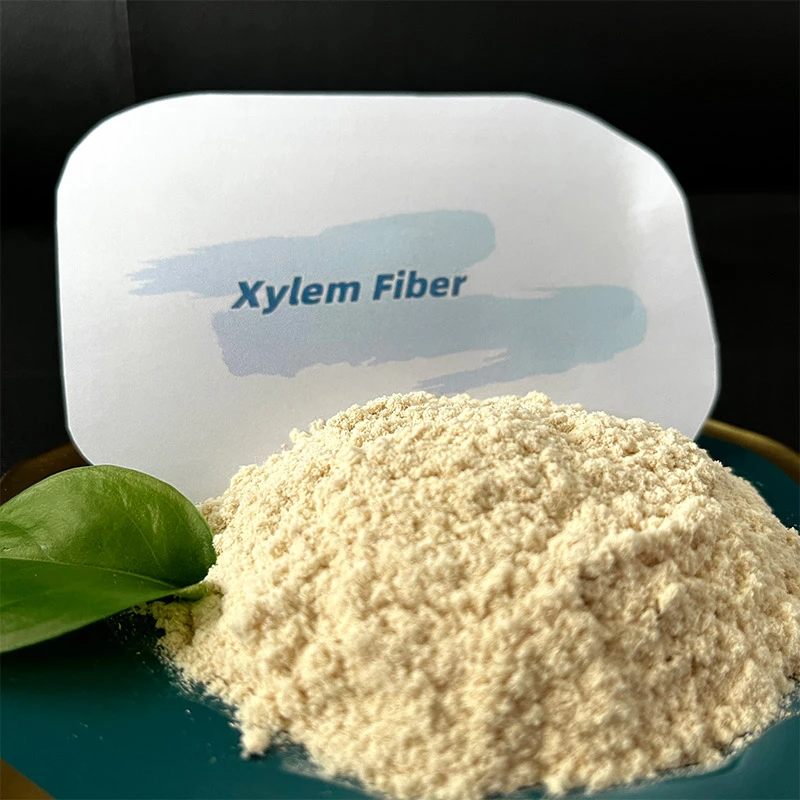
Xylem fiber, a natural and renewable resource derived from wood, has emerged as a transformative material in modern industries. This organic flocculent fiber undergoes advanced chemical treatments and mechanical processing to become a high-quality product with versatile applications. As industries increasingly prioritize sustainability, xylem fiber stands out as a key player in reducing environmental impact while enhancing material performance. In this article, we delve into the features, advantages, technical specifications, and real-world applications of xylem fiber, as well as the innovative company behind its production, HeBei ShengShi HongBang Cellulose Technology CO.,LTD.
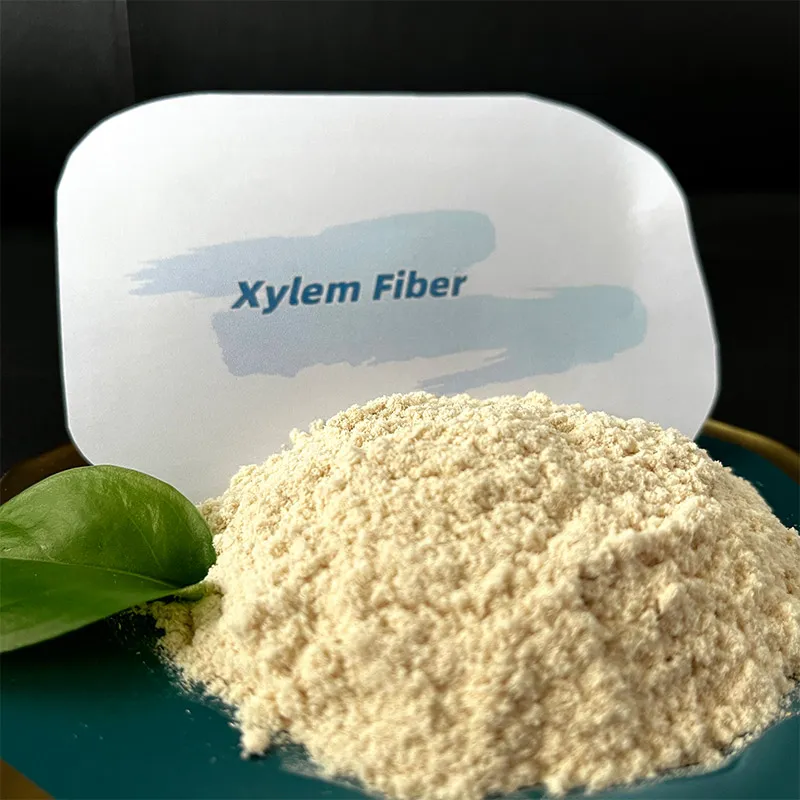
Key Features and Advantages of Xylem Fiber
Xylem fiber is distinguished by its unique combination of natural properties and engineered enhancements. Derived from wood cellulose, it is processed to optimize its structural integrity and functional versatility. Here are some of its standout features:
- Eco-Friendly Composition: As a fibre made from wood pulp, it is biodegradable and reduces reliance on non-renewable resources.
- Enhanced Material Properties: The cellulose extraction from wood process ensures the fiber’s ability to improve the strength, durability, and workability of construction materials.
- Adaptability: Its absorbent and reinforcing properties make it suitable for diverse applications, from gypsum products to medium density fiberboard (MDF).
- Sustainability: By integrating xylem fiber into manufacturing, industries can significantly lower their carbon footprint and align with global sustainability goals.
These attributes position xylem fiber as a critical component in the transition toward greener technologies, as highlighted by the National Institute of Standards and Technology (NIST) in its research on sustainable materials.
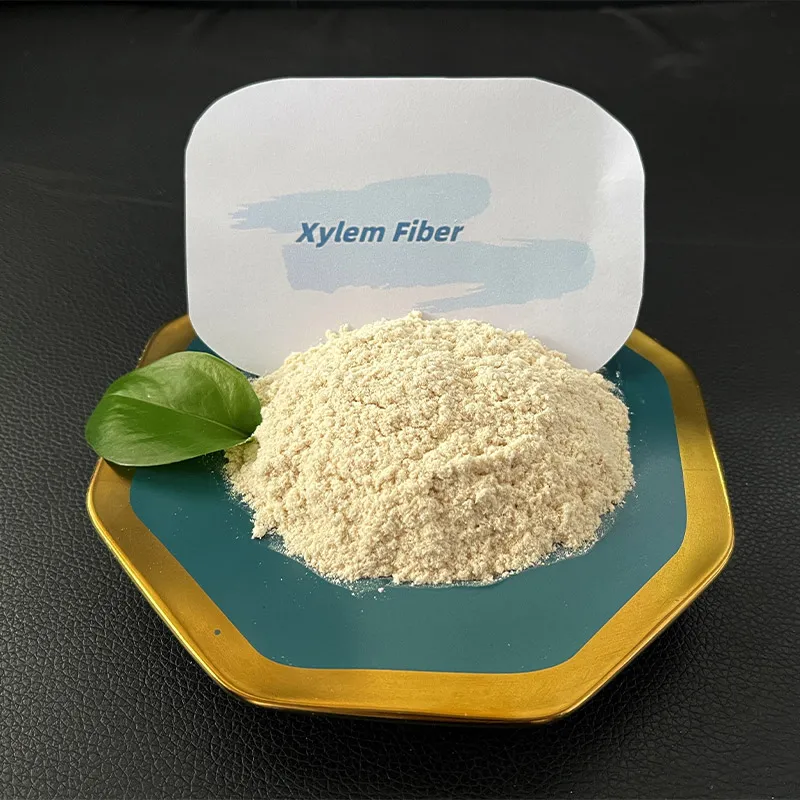
Technical Specifications of Xylem Fiber
Below is a detailed table outlining the key technical parameters of xylem fiber:
| Feature | Specification | Description |
|---|---|---|
| Source Material | Wood Pulp | Derived from sustainably sourced wood through cellulose extraction from wood. |
| Processing Method | Chemical Treatment & Mechanical Processing | Enhances fiber strength and compatibility with industrial applications. |
| Length | 1-5 mm | Optimized for uniform distribution in composite materials. |
| Moisture Content | ≤ 10% | Ensures stability and prevents degradation in construction applications. |
| Thermal Resistance | Up to 200°C | Supports high-temperature environments in industrial settings. |
| Biodegradability | 100% Biodegradable | Breaks down naturally, reducing environmental impact. |
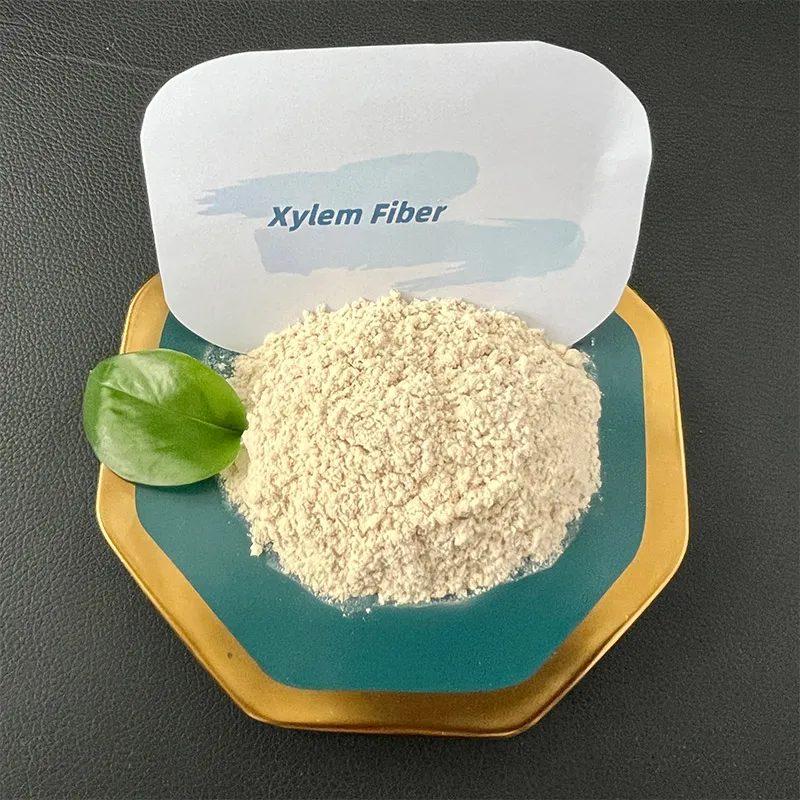
Applications of Xylem Fiber in Modern Industries
Xylem fiber is a versatile material with applications spanning multiple sectors. Below are some of its primary uses:
1. Construction Industry
Xylem fiber is a critical additive in concrete and mortar mixes. Its incorporation enhances structural strength, reduces cracking, and improves durability. According to NIST’s research on construction materials, such fibers can increase the flexural strength of concrete by up to 25% while maintaining environmental sustainability [1].
In gypsum products, xylem fiber improves workability and structural integrity, making it ideal for wallboards and insulation materials.
2. Asphalt Industry
The asphalt industry benefits from xylem fiber as a reinforcing agent. It enhances the resilience of asphalt roads, reducing wear and tear under heavy traffic. This application aligns with NIST’s guidelines on sustainable infrastructure development [2].
3. Wood Pulp Sponges
Xylem fiber is used in the production of biodegradable sponges for cleaning and household applications. Its absorbent properties make it an eco-friendly alternative to synthetic sponges.
4. Medium Density Fiberboard (MDF)
As a key ingredient in MDF, xylem fiber contributes to the production of sturdy, sustainable building materials. This aligns with the growing demand for eco-conscious home-building solutions.
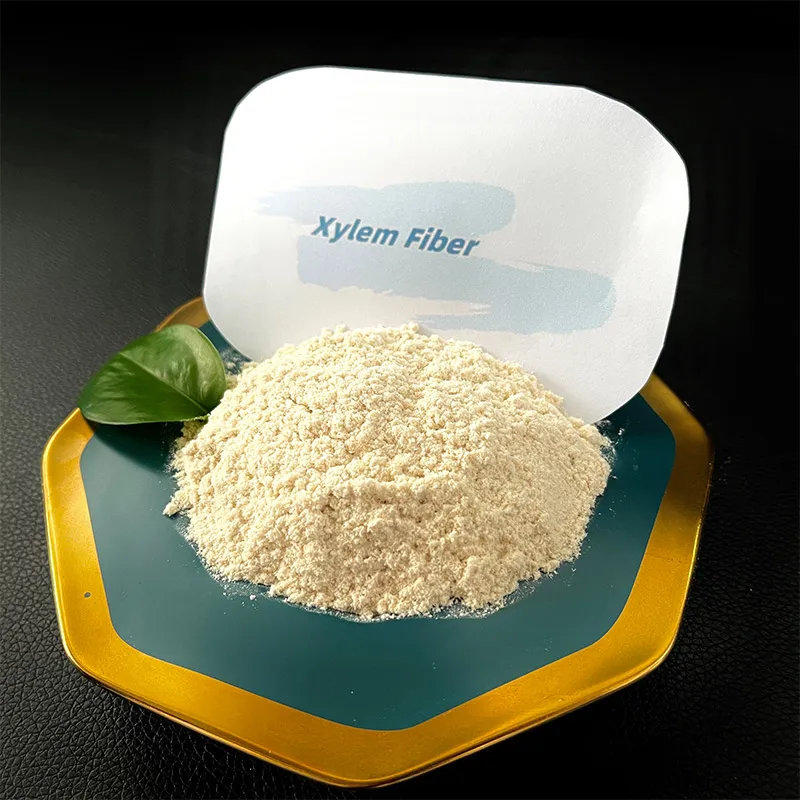
About HeBei ShengShi HongBang Cellulose Technology CO.,LTD
HeBei ShengShi HongBang Cellulose Technology CO.,LTD is a leading innovator in the production of wood cellulose and xylem fiber. Based in Xinji City, Hebei Province, the company specializes in sustainable material solutions that cater to global industries. With a commitment to responsible forestry practices, HeBei ShengShi HongBang ensures that its products support ecosystem balance and climate change mitigation.
The company’s advanced cellulose extraction from wood techniques and rigorous quality control processes position it as a trusted supplier for industries seeking eco-friendly alternatives. For more information, visit their official website: Xylem Fiber Product Page.
Conclusion: The Future of Sustainable Manufacturing
Xylem fiber exemplifies the potential of natural resources to drive innovation in sustainable manufacturing. Its ability to enhance material performance while reducing environmental impact makes it a cornerstone of modern industrial practices. As industries continue to adopt green technologies, the role of xylem fiber will only grow in significance.
By leveraging the expertise of companies like HeBei ShengShi HongBang Cellulose Technology CO.,LTD, the global community can advance toward a more sustainable future. As emphasized by NIST’s research on material science, the integration of renewable resources like xylem fiber is essential for achieving long-term environmental and economic goals [3].
-
Industrial Guide to ГПМЦ целлюлоза High Performance CelluloseNewsApr.16,2026
-
Wood Cellulose Properties and Industrial Applications GuideNewsApr.09,2026
-
Does Wood Contain Cellulose A Detailed Exploration of its Composition and UsesNewsApr.07,2026
-
Understanding Wood Cellulose Meaning Applications and Future TrendsNewsApr.04,2026
-
Exploring the Potential of Wood Cellulose is wood cellulose a Sustainable MaterialNewsMar.31,2026
-
Exploring the Sustainability and Versatility of Cellulose Wood ChipsNewsMar.28,2026
-
Understanding Wood Pulp Cellulose A Comprehensive Guide to Properties and ApplicationsNewsMar.26,2026