-

Add: HeBei ShengShi HongBang Cellulose Technology CO.,LTD.
-

Email
13180486930@163.com -

CONTACT US
+86 13180486930
Xylem Fiber: Sustainable Innovation in Modern Industries-HeBei ShengShi HongBang Cellulose Technology CO.,LTD.
Introduction to Xylem Fiber
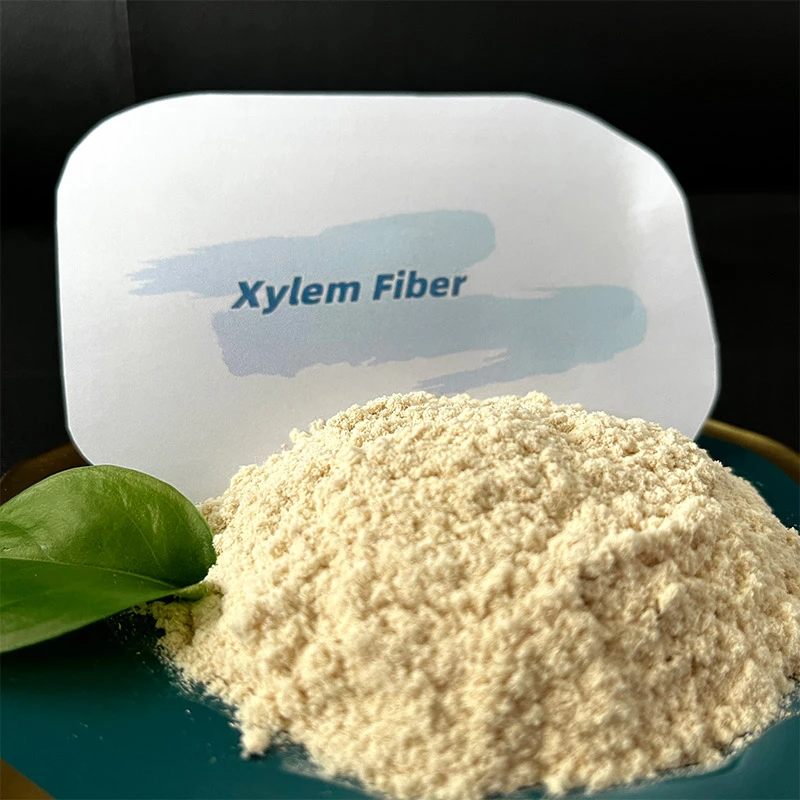
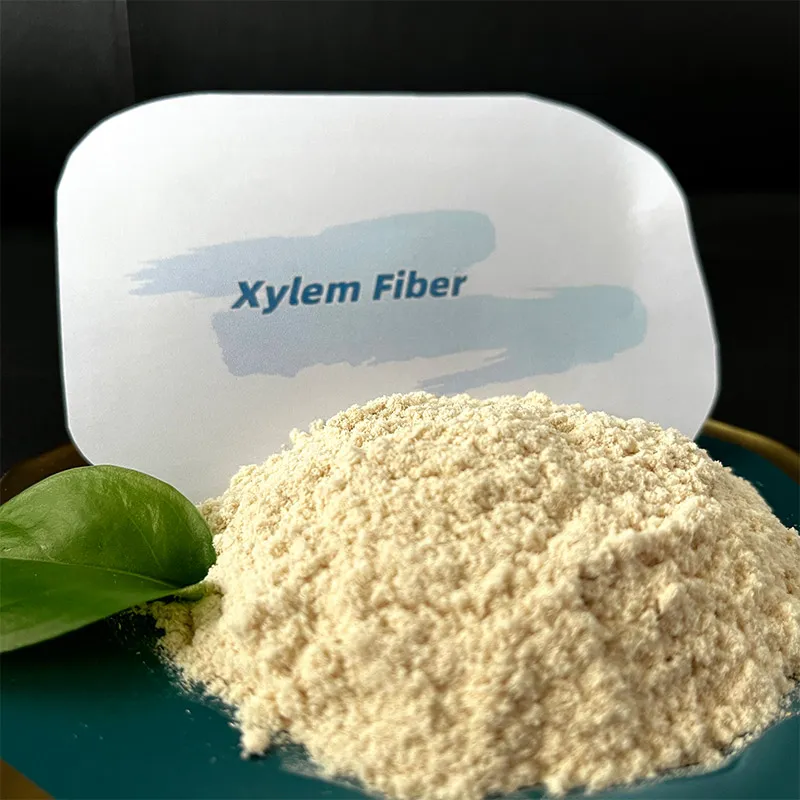
Xylem fiber, a natural and renewable resource derived from wood, has emerged as a pivotal material in modern industries. This organic flocculent fiber undergoes advanced chemical treatments and mechanical processing to become a high-quality product with versatile applications. As industries increasingly prioritize sustainability, Xylem Fiber stands out as a solution that balances ecological responsibility with enhanced performance. From construction to asphalt production, its adaptability and eco-friendly nature make it a critical component in the transition toward greener technologies.
Product Overview and Core Features
Xylem Fiber is extracted from wood through a meticulous process that involves chemical treatments and mechanical refinement. This results in a high-purity fiber that retains its natural strength and absorbency. Key features include:
- Renewable Source: Derived from sustainably harvested wood, Xylem Fiber supports responsible forestry practices.
- Enhanced Durability: When incorporated into materials like concrete and mortar, it significantly improves structural integrity.
- Eco-Friendly Properties: Reduces reliance on traditional raw materials, lowering the carbon footprint of manufacturing processes.
- Biodegradability: Ideal for applications such as wood pulp sponges, offering a sustainable alternative to synthetic products.
For a deeper understanding of Xylem Fiber, visit the official product page.
Technical Specifications
| Parameter | Details |
|---|---|
| Material Source | Wood pulp, processed through chemical and mechanical treatments |
| Length | Varies between 1-5 mm depending on application |
| Moisture Content | ≤ 10% (as per industry standards) |
| Tensile Strength | High, with enhanced load-bearing capabilities in composites |
| Biodegradability | 100% biodegradable under natural conditions |
| Chemical Resistance | Resistant to mild acids and alkalis |
Applications Across Industries
Xylem Fiber's versatility makes it indispensable in multiple sectors. Below are key applications:
1. Construction and Civil Engineering
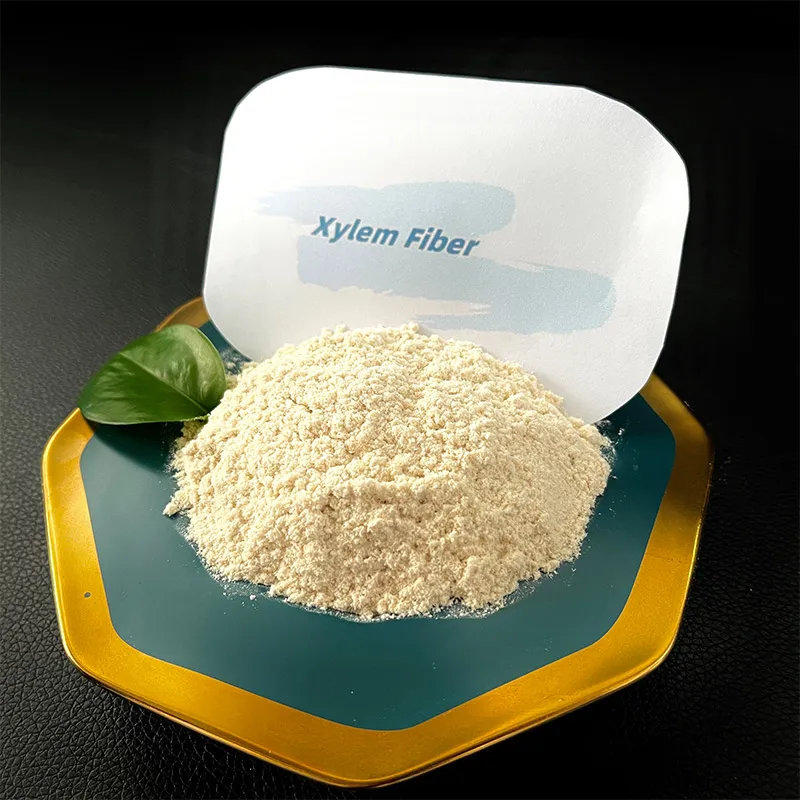
Incorporating Xylem Fiber into concrete and mortar enhances their strength and durability. This reduces the need for traditional additives like synthetic polymers, aligning with green building standards. For instance, the Xylem Fiber is used in medium density fiberboard (MDF) to produce sustainable building materials.
2. Gypsum Products
Xylem Fiber improves the structural integrity and workability of gypsum-based products. Its absorbent nature ensures even distribution, leading to high-quality finishes in wallboards and plaster applications.
3. Asphalt Industry
As a reinforcing agent, Xylem Fiber enhances the resilience of asphalt roads. This leads to longer-lasting infrastructure with reduced maintenance costs, as highlighted by the National Institute of Standards and Technology (NIST) in its research on sustainable construction materials.
4. Wood Pulp Sponges
The biodegradable properties of Xylem Fiber make it ideal for manufacturing sponges used in cleaning and household applications. These sponges offer a sustainable alternative to plastic-based products.
5. Advanced Manufacturing
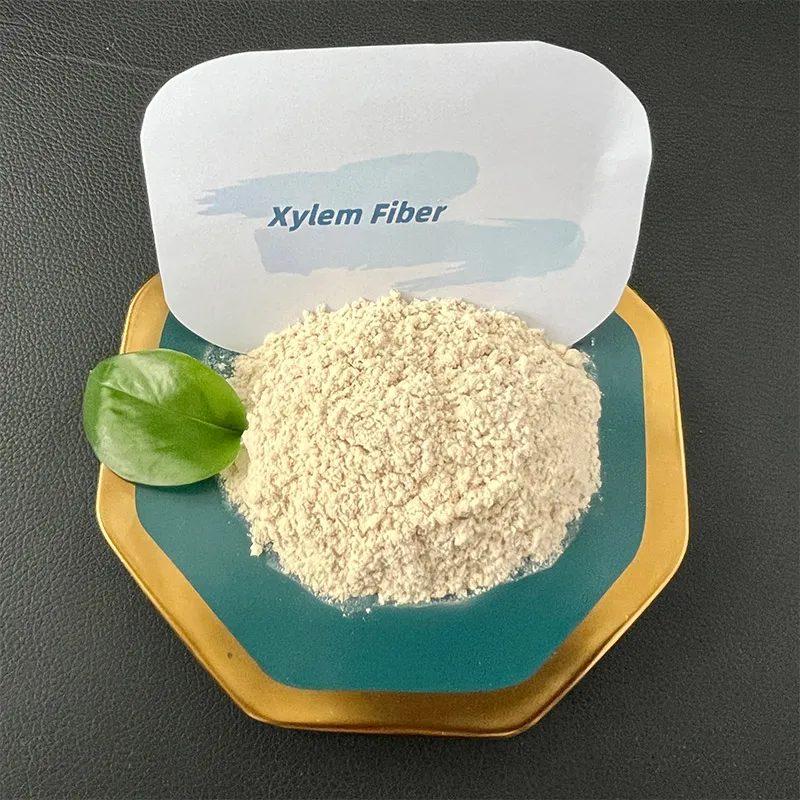
Xylem Fiber is also used in the production of cellulose wood fibers, which serve as raw materials for bioplastics and composite materials. This aligns with global efforts to reduce plastic waste, as emphasized by NIST's initiatives in sustainable materials research.
Company Background: HeBei ShengShi HongBang Cellulose Technology CO.,LTD.
HeBei ShengShi HongBang Cellulose Technology CO.,LTD. is a leading manufacturer specializing in wood cellulose and xylem fiber products. With a commitment to innovation and sustainability, the company has established itself as a key player in the global market for eco-friendly materials. Their state-of-the-art facilities and rigorous quality control processes ensure that every product meets international standards.
As a pioneer in cellulose extraction from wood, the company has developed advanced techniques to optimize fiber performance while minimizing environmental impact. Their products are widely used in construction, manufacturing, and environmental sectors, reflecting their dedication to sustainable development.
Learn more about the company's mission and products at HeBei ShengShi HongBang Cellulose Technology CO.,LTD.
Sustainability and Environmental Impact
The use of Xylem Fiber directly contributes to environmental sustainability. By reducing the demand for non-renewable resources, it helps lower greenhouse gas emissions. According to NIST's research on sustainable materials, the integration of natural fibers like xylem fiber into industrial processes is a critical step toward achieving global climate goals (NIST, 2023).
Additionally, the cultivation of wood for Xylem Fiber promotes responsible forestry practices, ensuring that ecosystems remain balanced. This aligns with the principles of circular economy, where waste is minimized, and resources are reused efficiently.
Future Prospects and Innovations
As industries continue to prioritize sustainability, the potential of Xylem Fiber is expected to expand. Ongoing research focuses on enhancing its properties for specialized applications, such as biodegradable packaging and advanced composites. The collaboration between manufacturers and institutions like NIST is crucial in driving these innovations.
For instance, NIST's work on measurement standards ensures that Xylem Fiber meets the highest quality benchmarks. This not only boosts consumer confidence but also facilitates its adoption in emerging markets.
Conclusion
Xylem Fiber represents a paradigm shift in material science, offering a sustainable alternative to traditional industrial materials. Its unique combination of strength, versatility, and eco-friendliness makes it an essential component in modern manufacturing. As industries evolve, the continued exploration and application of Xylem Fiber will play a vital role in achieving global sustainability goals.
By choosing Xylem Fiber, manufacturers can reduce their environmental impact while delivering high-quality products. For more information, visit the Xylem Fiber product page or explore the company's official website.
-
Industrial Guide to ГПМЦ целлюлоза High Performance CelluloseNewsApr.16,2026
-
Wood Cellulose Properties and Industrial Applications GuideNewsApr.09,2026
-
Does Wood Contain Cellulose A Detailed Exploration of its Composition and UsesNewsApr.07,2026
-
Understanding Wood Cellulose Meaning Applications and Future TrendsNewsApr.04,2026
-
Exploring the Potential of Wood Cellulose is wood cellulose a Sustainable MaterialNewsMar.31,2026
-
Exploring the Sustainability and Versatility of Cellulose Wood ChipsNewsMar.28,2026
-
Understanding Wood Pulp Cellulose A Comprehensive Guide to Properties and ApplicationsNewsMar.26,2026