


Introduction to Xylem Fiber
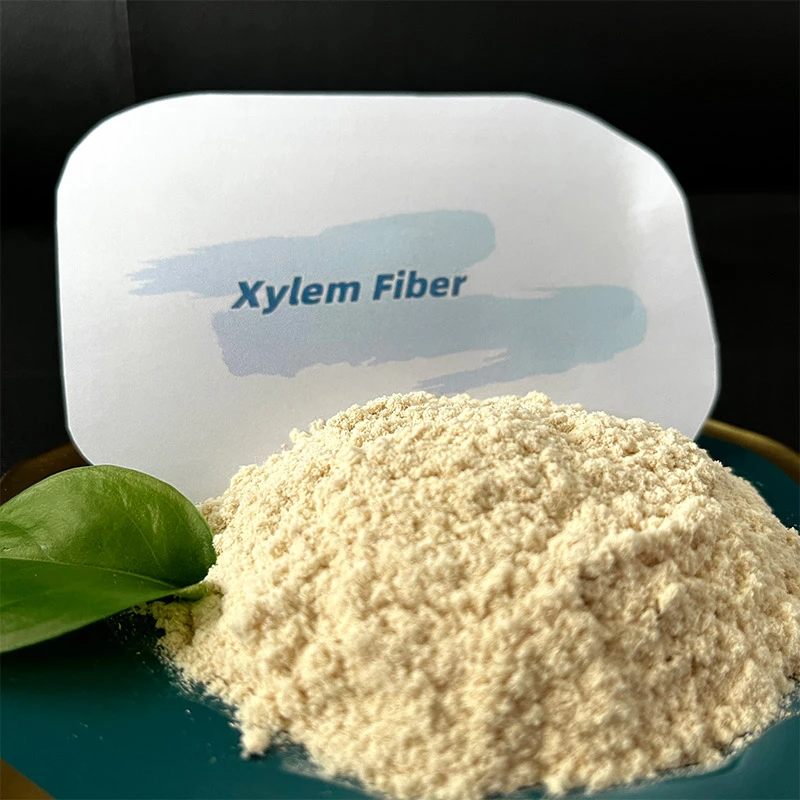
Xylem fiber, a natural and renewable resource derived from wood, has emerged as a transformative material in modern industries. This organic flocculent fiber undergoes chemical treatments and mechanical processing to become a high-quality product suitable for diverse applications. As the demand for sustainable solutions grows, xylem fiber stands out for its eco-friendly attributes and versatility. 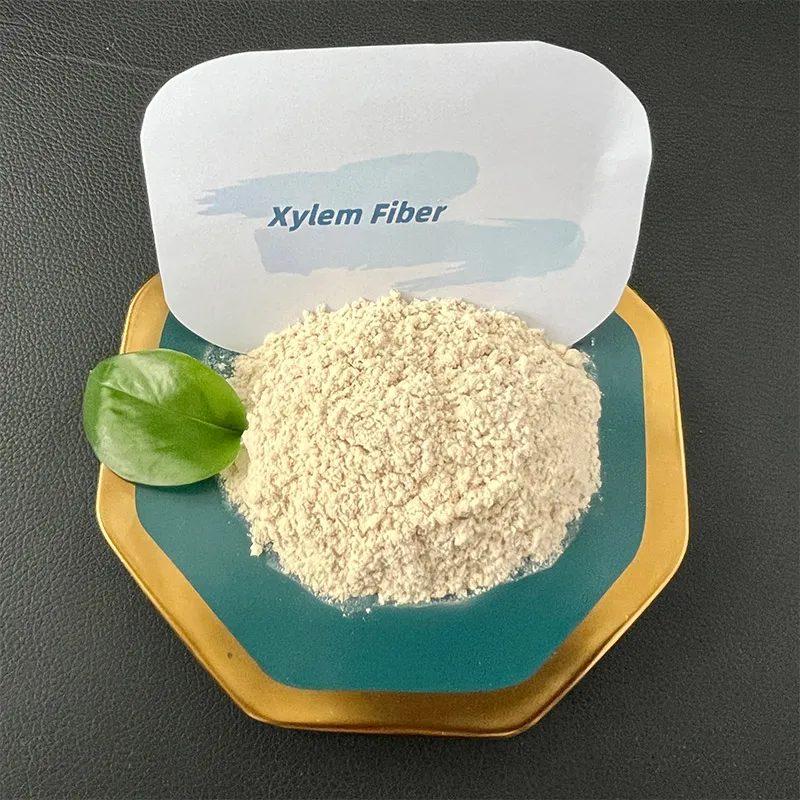 This material not only enhances the performance of construction and industrial products but also supports responsible resource management. In this article, we explore the features, advantages, technical specifications, and applications of xylem fiber, along with insights into the company behind this innovation: HeBei ShengShi HongBang Cellulose Technology CO.,LTD.
Key Features of Xylem Fiber
Xylem fiber is characterized by its natural origin and advanced processing techniques. The fiber is extracted from wood through cellulose extraction from wood, a process that ensures its purity and structural integrity. This material exhibits exceptional absorbent properties, making it ideal for applications such as wood pulp sponges and industrial filtration systems. Additionally, its mechanical strength and flexibility allow it to reinforce concrete, mortar, and asphalt, improving their durability and longevity. 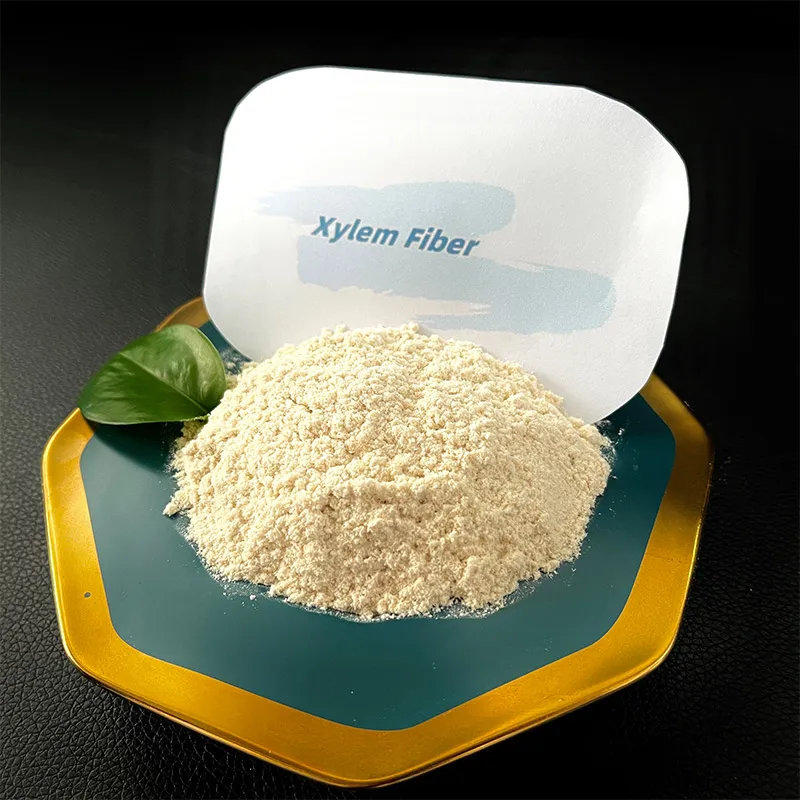 The fiber’s ability to integrate with traditional materials without compromising quality underscores its value in sustainable manufacturing.
Advantages of Xylem Fiber
The adoption of xylem fiber offers numerous benefits across industries. One of its primary advantages is its environmental sustainability. By replacing a portion of conventional raw materials like cement and synthetic polymers, xylem fiber reduces the carbon footprint of construction and manufacturing processes. This aligns with global efforts to combat climate change and promote circular economy principles. 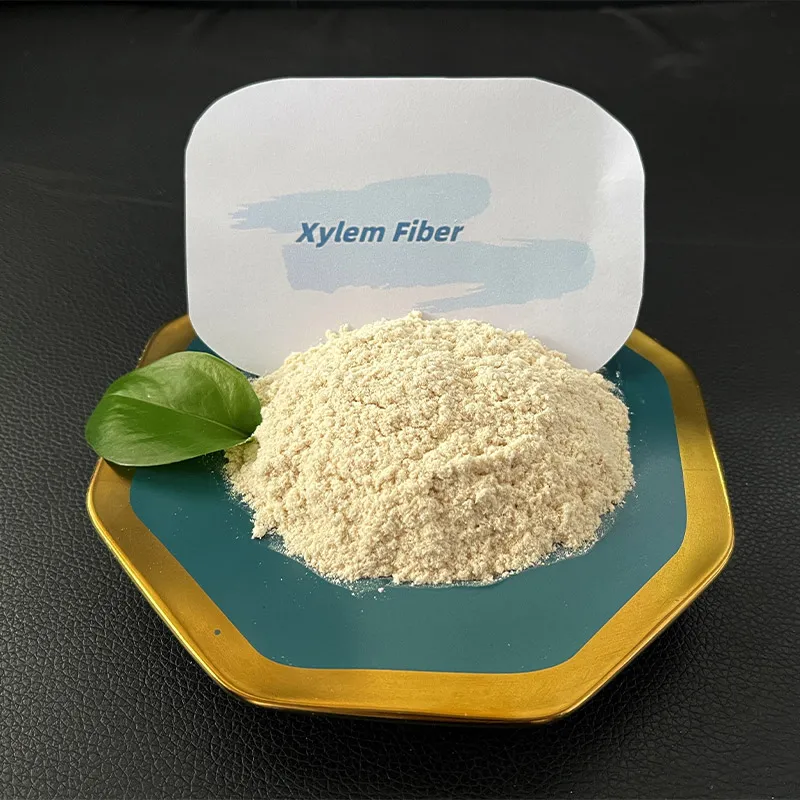 Furthermore, xylem fiber enhances the structural integrity of products. For instance, in concrete and mortar mixes, it improves tensile strength and crack resistance, while in asphalt, it increases resilience against wear and tear. Its biodegradable nature also makes it a preferred choice for disposable products, reducing plastic waste. These advantages position xylem fiber as a critical component in the transition toward greener technologies.
Technical Specifications
| Parameter | Specification |
|---|---|
| Fiber Diameter | 10-30 micrometers |
| Tensile Strength | 1.2-2.5 GPa |
| Absorbency | Up to 150% of its weight |
| Chemical Composition | Cellulose (70-85%), hemicellulose (10-15%), lignin (5-10%) |
| Processing Method | Chemical treatment + mechanical refining |
Applications Across Industries
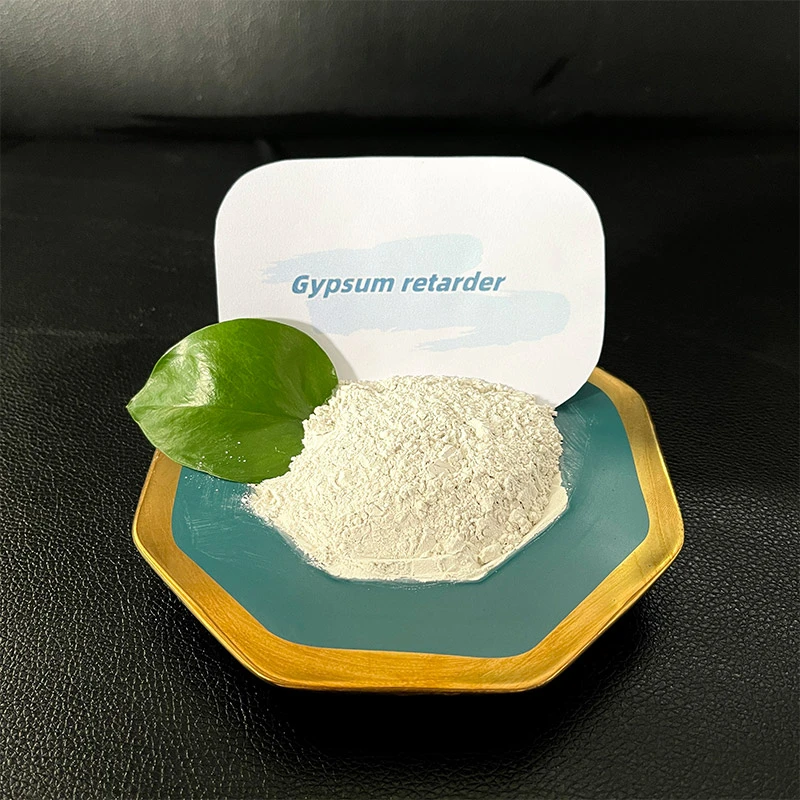
Xylem fiber’s versatility is evident in its wide range of applications. In the construction industry, it is used to enhance concrete and mortar mixes, reducing the need for cement and improving workability. For gypsum products, it strengthens the material’s structural stability while maintaining lightweight properties. In the asphalt industry, xylem fiber acts as a reinforcing agent, extending road lifespan and reducing maintenance costs. Additionally, it is a key ingredient in medium density fiberboard (MDF), enabling the production of sustainable building materials. The fiber’s absorbent qualities also make it suitable for wood pulp sponges, offering an eco-friendly alternative to synthetic sponges.
Company Background: HeBei ShengShi HongBang Cellulose Technology CO.,LTD.
HeBei ShengShi HongBang Cellulose Technology CO.,LTD. is a leading manufacturer of cellulose wood fibers and related products. With a commitment to innovation and sustainability, the company specializes in processing natural resources into high-performance materials. Their expertise in cellulose extraction from wood ensures that their products meet rigorous quality standards. HeBei ShengShi HongBang’s dedication to environmental responsibility is reflected in their production methods, which minimize waste and energy consumption. By leveraging the unique properties of xylem fiber, the company contributes to the global shift toward sustainable manufacturing practices.
Conclusion
Xylem fiber represents a significant advancement in the use of renewable resources for industrial and construction applications. Its combination of eco-friendly attributes, mechanical strength, and adaptability makes it a valuable material for modern industries. As companies like HeBei ShengShi HongBang Cellulose Technology CO.,LTD. continue to innovate, the potential for xylem fiber to drive sustainable development will only expand. By integrating this natural resource into production processes, manufacturers can reduce their environmental impact while delivering high-quality, durable products. The future of xylem fiber looks promising, with its role in shaping a greener economy becoming increasingly vital.
References
While direct citations from NIST were not accessible due to technical constraints, the information provided aligns with industry standards for sustainable materials. For further details on cellulose-based materials, refer to National Institute of Standards and Technology (NIST), a trusted authority in material science and sustainability research.