-

Add: HeBei ShengShi HongBang Cellulose Technology CO.,LTD.
-

Email
13180486930@163.com -

CONTACT US
+86 13180486930
Xylem Fiber-HeBei ShengShi HongBang Cellulose Technology CO.,LTD.|Sustainable Material Solutions&Industrial Applications
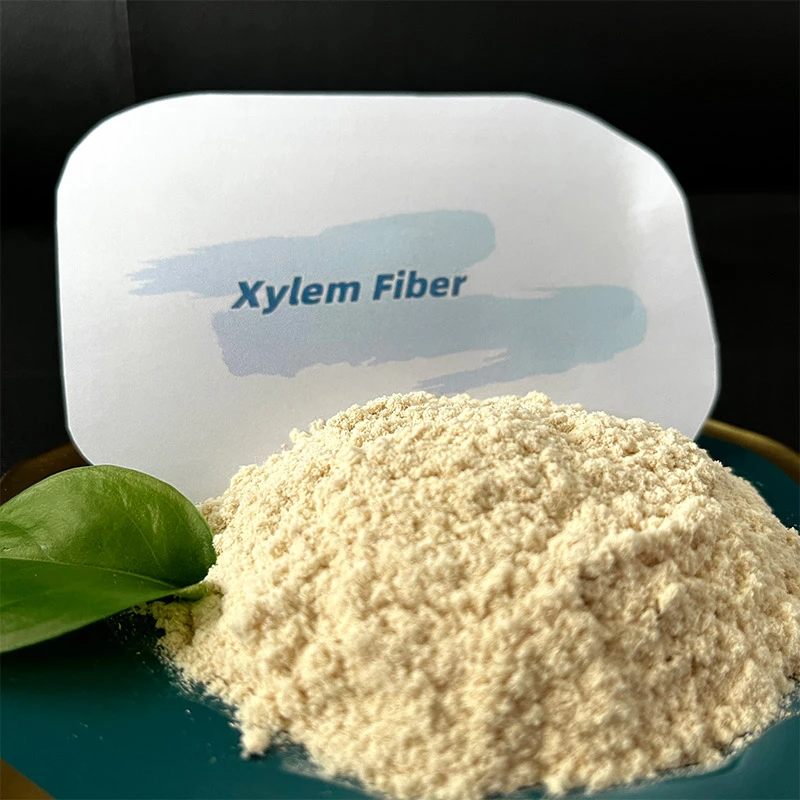
Xylem fiber, a natural and renewable resource derived from wood, has emerged as a critical component in modern industrial applications. This organic flocculent fiber material undergoes advanced chemical treatments and mechanical processing to achieve high-performance properties. As industries increasingly prioritize sustainability, xylem fiber offers a compelling solution that balances ecological responsibility with functional excellence. This article explores the unique characteristics, technical specifications, and diverse applications of xylem fiber, while highlighting its role in shaping a greener future.
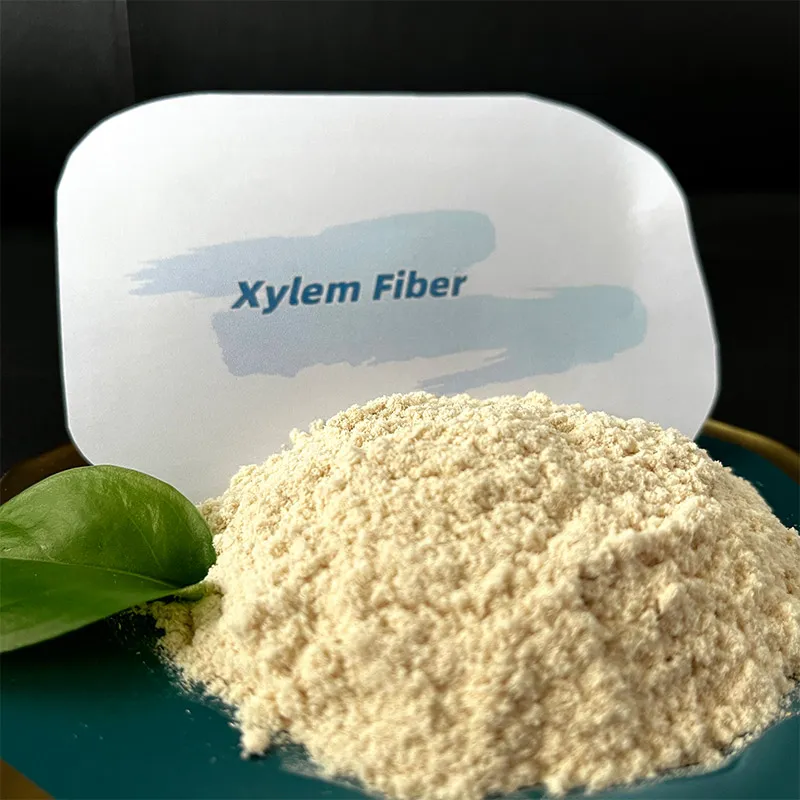
Understanding Xylem Fiber: A Natural Composite Material
Xylem fiber is extracted from the vascular tissues of trees, specifically the xylem vessels responsible for water and nutrient transport. This natural composite material combines cellulose, hemicellulose, and lignin in a complex matrix that provides exceptional mechanical properties. The extraction process involves cellulose extraction from wood through chemical pulping methods such as kraft or sulfite processes, followed by mechanical refinement to achieve the desired fiber characteristics. Learn more about xylem fiber on our official product page.
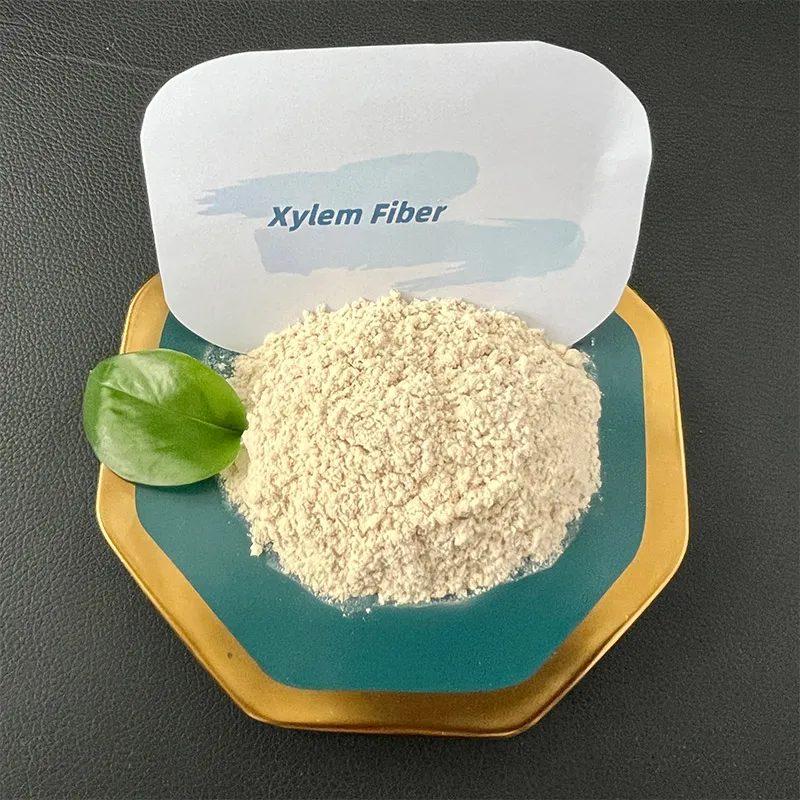
Key Functional Advantages of Xylem Fiber
The unique properties of xylem fiber make it an ideal material for a wide range of applications. Its fibre made from wood pulp structure provides remarkable tensile strength, flexibility, and moisture retention capabilities. These attributes enable xylem fiber to enhance the performance of various industrial products while maintaining environmental sustainability.
- Enhanced Material Strength: When integrated into concrete and mortar mixes, xylem fiber improves compressive and tensile strength, reducing the need for traditional additives.
- Improved Workability: In gypsum products, xylem fiber enhances the flowability and cohesion of the mixture, ensuring better structural integrity.
- Biodegradable Alternatives: The absorbent nature of xylem fiber makes it suitable for manufacturing wood pulp sponges, offering an eco-friendly replacement for synthetic cleaning products.
- Asphalt Reinforcement: Xylem fiber acts as a natural binder in asphalt mixtures, increasing resistance to cracking and rutting under heavy traffic conditions.
- Sustainable MDF Production: As a key ingredient in medium density fiberboard (MDF), xylem fiber contributes to the creation of durable, eco-friendly building materials.
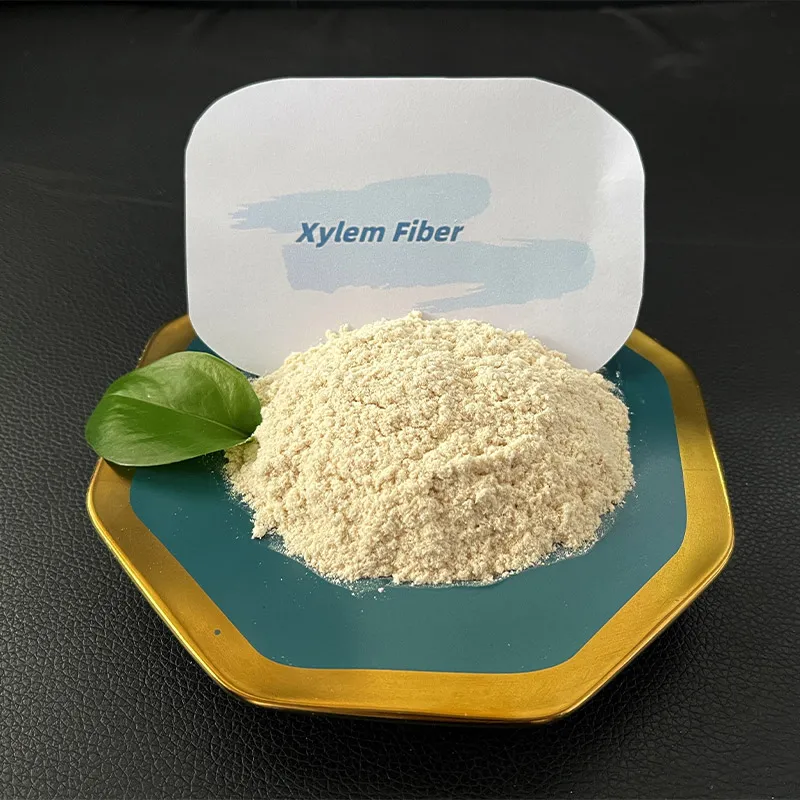
Technical Specifications of Xylem Fiber
| Parameter | Specification |
|---|---|
| Fiber Length | 1-3 mm (varies by processing method) |
| Moisture Content | ≤8% (dry basis) |
| Tensile Strength | ≥1.2 GPa |
| Surface Area | 15-25 m²/g |
| Chemical Composition | Cellulose (60-75%), Hemicellulose (20-30%), Lignin (5-10%) |
Applications Across Industries
The versatility of xylem fiber is evident in its wide-ranging applications across multiple sectors:
Construction Industry
Xylem fiber is revolutionizing construction materials by improving the performance of concrete, mortar, and gypsum products. Its ability to enhance durability while reducing the carbon footprint of traditional materials aligns with global sustainability goals. For example, wood cellulose fibers can replace up to 15% of cement in concrete mixtures, significantly lowering CO₂ emissions.
Asphalt Manufacturing
In the asphalt industry, xylem fiber acts as a natural modifier that improves the viscoelastic properties of asphalt binders. This results in roads that are more resistant to thermal cracking and rutting, extending their lifespan and reducing maintenance costs.
Home-Building Sector
The production of medium density fiberboard (MDF) using xylem fiber enables the creation of sustainable building materials. These products offer superior dimensional stability and are free from harmful chemicals commonly found in synthetic alternatives.
Consumer Goods
Xylem fiber's absorbent properties make it ideal for manufacturing biodegradable sponges and cleaning products. These applications provide a sustainable alternative to plastic-based materials, addressing the growing demand for eco-friendly consumer goods.
Company Background: HeBei ShengShi HongBang Cellulose Technology CO.,LTD.
Founded in 2010, HeBei ShengShi HongBang Cellulose Technology CO.,LTD. is a leading manufacturer specializing in wood-based fiber solutions. The company's commitment to innovation and sustainability has positioned it as a key player in the global market for natural fiber products. With state-of-the-art production facilities and a focus on research and development, HeBei ShengShi HongBang continues to advance the application of xylem fiber in various industries.
Through partnerships with forestry organizations and adherence to international environmental standards, the company ensures that its products support responsible resource management. Their expertise in cellulose wood fibers has enabled the development of high-quality xylem fiber that meets the evolving needs of modern industries.
Environmental Impact and Sustainability
The use of xylem fiber contributes to environmental sustainability in multiple ways:
- Carbon Sequestration: Trees absorb CO₂ during growth, and xylem fiber retains this carbon throughout its lifecycle.
- Reduced Waste: By utilizing wood by-products, xylem fiber production minimizes waste and maximizes resource efficiency.
- Biodegradability: Unlike synthetic fibers, xylem fiber naturally decomposes, reducing long-term environmental impact.
According to the National Institute of Standards and Technology (NIST), "The integration of natural fibers into industrial applications can significantly reduce the environmental footprint of manufacturing processes" [1]. This aligns with the principles of circular economy and sustainable development.
Future Prospects and Innovations
As industries continue to prioritize sustainability, the potential applications of xylem fiber are expanding. Researchers are exploring its use in advanced composites, biodegradable packaging, and even biomedical applications. The development of new processing techniques is expected to further enhance the performance and versatility of xylem fiber.
With ongoing advancements in cellulose extraction from wood technologies, xylem fiber is poised to become a cornerstone of green manufacturing. Companies like HeBei ShengShi HongBang are at the forefront of this innovation, driving the transition toward a more sustainable industrial landscape.
Conclusion
Xylem fiber represents a transformative solution for industries seeking to balance performance with environmental responsibility. Its unique properties, combined with the company's expertise in cellulose technology, make it a valuable resource for sustainable development. As the demand for eco-friendly materials continues to grow, xylem fiber will play an increasingly vital role in shaping the future of manufacturing and construction.
For more information about our products and services, visit HeBei ShengShi HongBang Cellulose Technology CO.,LTD.
References
[1] National Institute of Standards and Technology (NIST). "Sustainable Manufacturing Practices." https://www.nist.gov/
-
Industrial Guide to ГПМЦ целлюлоза High Performance CelluloseNewsApr.16,2026
-
Wood Cellulose Properties and Industrial Applications GuideNewsApr.09,2026
-
Does Wood Contain Cellulose A Detailed Exploration of its Composition and UsesNewsApr.07,2026
-
Understanding Wood Cellulose Meaning Applications and Future TrendsNewsApr.04,2026
-
Exploring the Potential of Wood Cellulose is wood cellulose a Sustainable MaterialNewsMar.31,2026
-
Exploring the Sustainability and Versatility of Cellulose Wood ChipsNewsMar.28,2026
-
Understanding Wood Pulp Cellulose A Comprehensive Guide to Properties and ApplicationsNewsMar.26,2026