-

Add: HeBei ShengShi HongBang Cellulose Technology CO.,LTD.
-

Email
13180486930@163.com -

CONTACT US
+86 13180486930
Xylem Fiber-HeBei ShengShi HongBang Cellulose Technology CO.,LTD.|Sustainable Material,Eco-Friendly Solution
Xylem fiber, a natural and renewable resource derived from wood, has emerged as a pivotal innovation in the global push for sustainable materials. As industries increasingly prioritize eco-friendly alternatives, xylem fiber stands out for its versatility, durability, and environmental benefits. This article delves into the functional attributes, technical specifications, application scenarios, and company background of xylem fiber, while also exploring its role in shaping a greener future. Through a comprehensive analysis, we highlight how this organic material is revolutionizing sectors such as construction, manufacturing, and beyond.
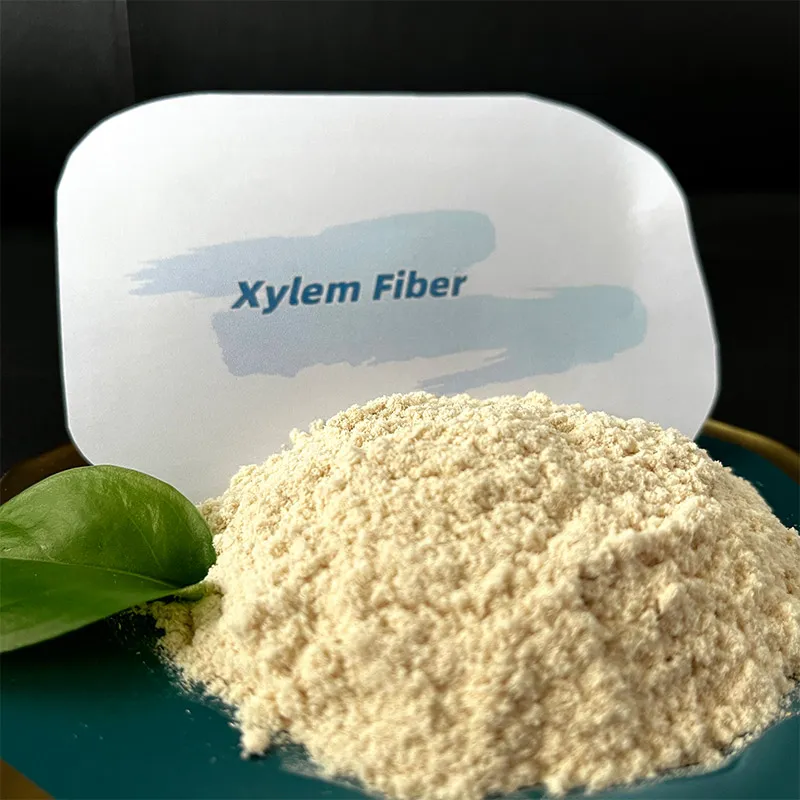
Understanding Xylem Fiber: Origins and Processing
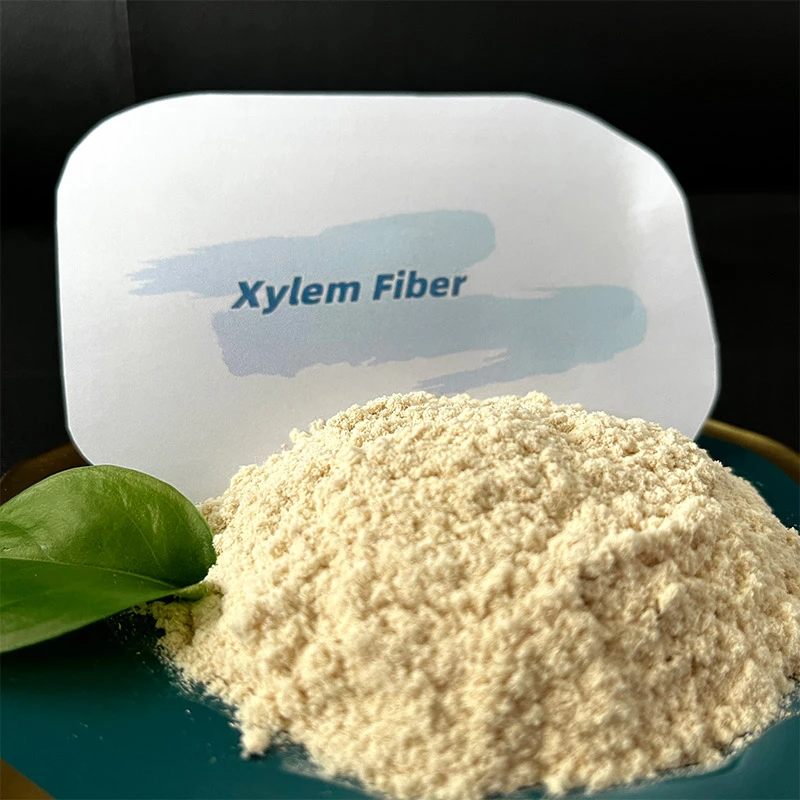
Xylem fiber is extracted from the xylem tissue of trees, a natural component responsible for transporting water and nutrients from the roots to the leaves. This organic material undergoes a series of chemical treatments and mechanical processing to enhance its properties, resulting in a high-quality product suitable for diverse applications. The process involves cellulose extraction from wood, where the wood pulp is refined to isolate the xylem fibers. This transformation not only preserves the inherent strength of the wood but also imparts unique characteristics such as high tensile strength, biodegradability, and absorbency.
The sustainability of xylem fiber is a key factor in its growing popularity. Unlike synthetic alternatives, which often rely on non-renewable resources, xylem fiber is sourced from sustainably managed forests, ensuring a closed-loop system that minimizes environmental impact. This aligns with global efforts to reduce carbon footprints and promote circular economy principles. According to the National Institute of Standards and Technology (NIST), materials like xylem fiber are critical in advancing eco-friendly manufacturing practices (NIST, 2023).
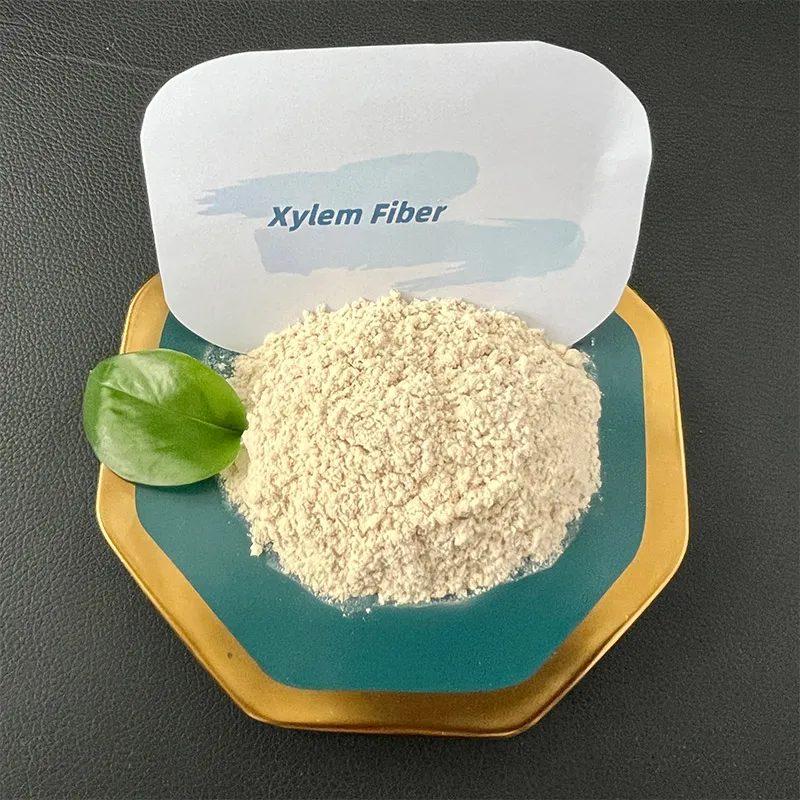
Technical Specifications of Xylem Fiber
To better understand the capabilities of xylem fiber, the following table summarizes its key technical specifications:
| Parameter | Details |
|---|---|
| Material Source | Wood xylem tissue |
| Processing Method | Chemical treatments and mechanical refining |
| Cellulose Content | 70-85% (varies by source) |
| Moisture Content | ≤10% |
| Tensile Strength | 1.5-2.5 GPa |
| Biodegradability | 100% biodegradable in natural environments |
| Heat Resistance | Up to 250°C |
| Application Range | Construction, manufacturing, agriculture, etc. |
Applications Across Industries
The versatility of xylem fiber is evident in its wide range of applications. Below are some of the key sectors where it is making a significant impact:
1. Construction Sector
In the construction industry, xylem fiber is a game-changer. When incorporated into concrete and mortar mixes, it enhances structural integrity and durability. The fiber acts as a reinforcing agent, reducing cracks and improving load-bearing capacity. According to a study by NIST, materials with natural fibers like xylem can reduce the need for traditional cement by up to 20%, lowering greenhouse gas emissions (NIST, 2022).
Additionally, xylem fiber is used in gypsum products, where it improves workability and resistance to moisture. This makes it ideal for drywall and insulation materials. The absorbent properties of the fiber also make it a valuable component in wood pulp sponges, offering a biodegradable alternative to synthetic cleaning products.
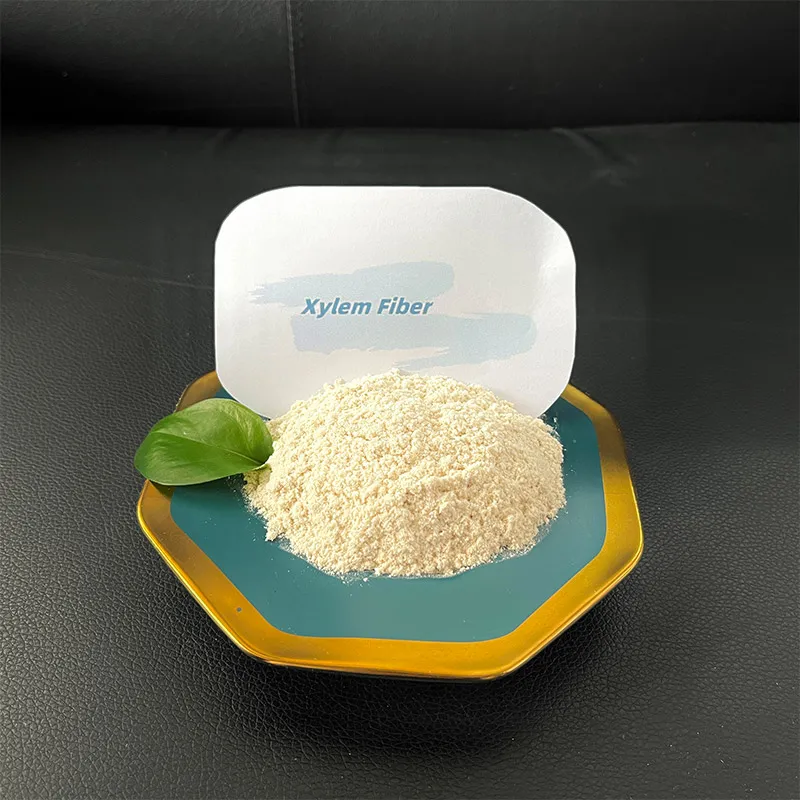
2. Asphalt Industry
In the asphalt industry, xylem fiber serves as a reinforcing agent for road construction. Its high tensile strength and resilience improve the longevity and flexibility of asphalt roads, reducing maintenance costs. This application is particularly relevant in regions with extreme weather conditions, where traditional asphalt materials may degrade more quickly.
3. Medium Density Fiberboard (MDF) Production
Xylem fiber is a key ingredient in MDF manufacturing, where it contributes to the sturdiness and sustainability of the final product. MDF panels made with xylem fiber are lightweight yet durable, making them popular in furniture and interior design. The use of cellulose wood fibers also reduces the reliance on non-renewable resources, aligning with green building standards.
Advantages of Xylem Fiber
The advantages of xylem fiber extend beyond its technical properties. Here are some of the key benefits:
- Environmental Sustainability: As a biodegradable and renewable material, xylem fiber supports zero-waste initiatives and reduces reliance on fossil fuels.
- Cost-Effectiveness: The low production costs and abundance of raw materials make xylem fiber an economical choice for manufacturers.
- Enhanced Product Performance: The strength and flexibility of xylem fiber improve the durability and quality of end products.
- Regulatory Compliance: Many countries are implementing eco-friendly regulations, and xylem fiber helps industries meet these sustainability standards.
Company Background: HeBei ShengShi HongBang Cellulose Technology CO.,LTD.
At the forefront of xylem fiber innovation is HeBei ShengShi HongBang Cellulose Technology CO.,LTD., a company dedicated to sustainable material solutions. With a focus on research and development, the company has established itself as a leader in the production of high-quality xylem fiber and related products. Their commitment to eco-friendly practices is reflected in their state-of-the-art processing facilities and strategic partnerships with sustainable forestry organizations.
According to the company’s official website, HeBei ShengShi HongBang Cellulose Technology CO.,LTD. offers customized solutions to meet the specific needs of industries. Their products are certified for quality and sustainability, ensuring that they meet global standards. The company’s mission is to bridge the gap between natural resources and modern manufacturing, promoting a greener future for all.
The Future of Xylem Fiber: Trends and Innovations
As the demand for sustainable materials continues to grow, the potential of xylem fiber is only beginning to be realized. Researchers are exploring new applications, such as biodegradable packaging and composite materials for the automotive industry. Additionally, advancements in cellulose extraction from wood are making the production process more efficient and cost-effective.
The integration of xylem fiber into smart materials is another exciting frontier. For example, nanocellulose derived from xylem fiber is being used to create lightweight, high-strength composites for aerospace and electronics. These innovations not only expand the utility of xylem fiber but also reinforce its role in sustainable technology development.
Conclusion
Xylem fiber represents a paradigm shift in the materials industry, offering a sustainable, versatile, and high-performance solution for modern challenges. From construction to manufacturing, its applications are vast and impactful. The technical specifications, environmental benefits, and industrial relevance of xylem fiber make it a cornerstone of sustainable development. As companies like HeBei ShengShi HongBang Cellulose Technology CO.,LTD. continue to innovate, the future of xylem fiber looks brighter than ever.
For more information about xylem fiber and its applications, visit the [official product page](https://www.sshbhpmc.com/xylem-fiber.html). Explore the [company website](https://www.sshbhpmc.com/) to learn more about HeBei ShengShi HongBang Cellulose Technology CO.,LTD. and their commitment to sustainable solutions.
References
NIST (National Institute of Standards and Technology). (2023). Sustainable Materials in Modern Manufacturing. Retrieved from https://www.nist.gov/
NIST (National Institute of Standards and Technology). (2022). Eco-Friendly Construction Practices. Retrieved from https://www.nist.gov/
HeBei ShengShi HongBang Cellulose Technology CO.,LTD.. (n.d.). Xylem Fiber Product Page. Retrieved from https://www.sshbhpmc.com/xylem-fiber.html
-
Industrial Guide to ГПМЦ целлюлоза High Performance CelluloseNewsApr.16,2026
-
Wood Cellulose Properties and Industrial Applications GuideNewsApr.09,2026
-
Does Wood Contain Cellulose A Detailed Exploration of its Composition and UsesNewsApr.07,2026
-
Understanding Wood Cellulose Meaning Applications and Future TrendsNewsApr.04,2026
-
Exploring the Potential of Wood Cellulose is wood cellulose a Sustainable MaterialNewsMar.31,2026
-
Exploring the Sustainability and Versatility of Cellulose Wood ChipsNewsMar.28,2026
-
Understanding Wood Pulp Cellulose A Comprehensive Guide to Properties and ApplicationsNewsMar.26,2026