-

Add: HeBei ShengShi HongBang Cellulose Technology CO.,LTD.
-

Email
13180486930@163.com -

CONTACT US
+86 13180486930
Xylem Fiber-HeBei ShengShi HongBang Cellulose Technology CO.,LTD.|Sustainable Industrial Applications&Eco-Friendly Material Solutions
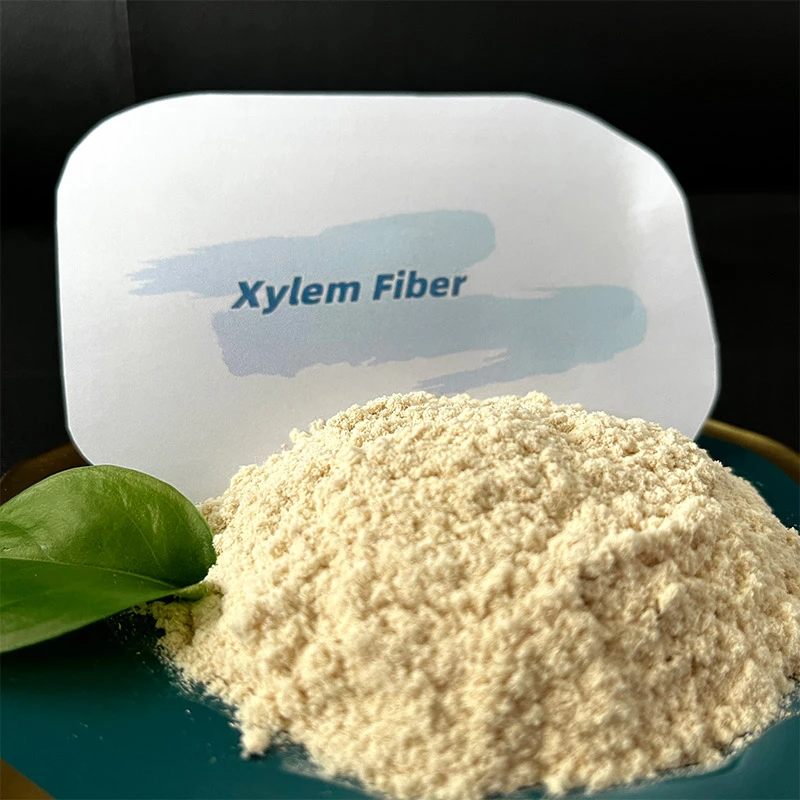
Xylem fiber, a natural and renewable resource derived from wood, has emerged as a transformative material in various industries. This organic flocculent fiber, processed through advanced chemical and mechanical techniques, offers a unique combination of eco-friendliness and versatility. As global demand for sustainable materials grows, xylem fiber stands out as a critical component in modern manufacturing, construction, and environmental conservation efforts. This article explores its technical specifications, applications, and the role of HeBei ShengShi HongBang Cellulose Technology CO.,LTD. in advancing its use.
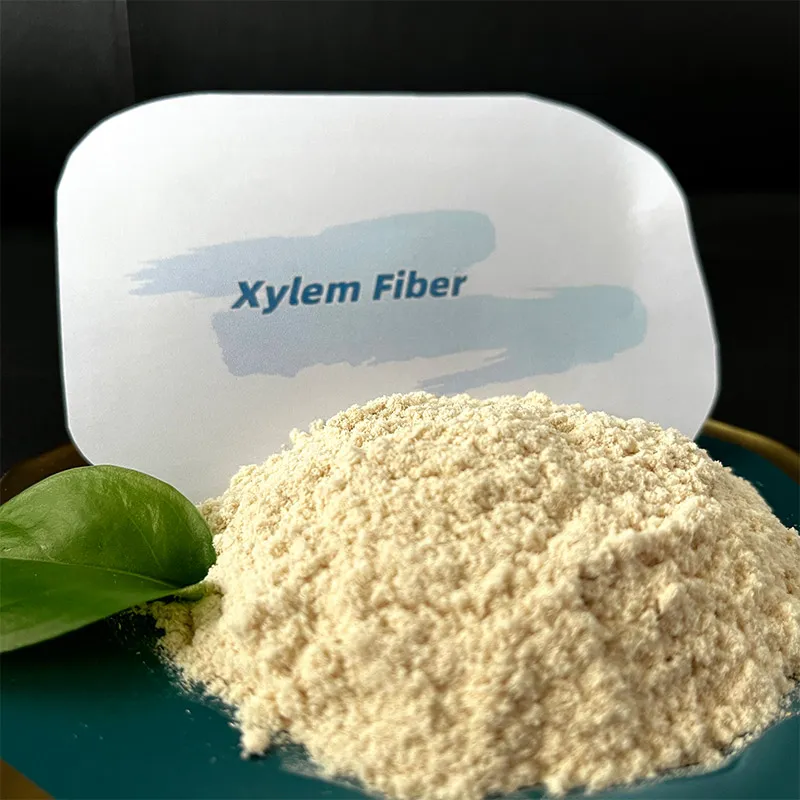
Understanding Xylem Fiber: A Natural Renewable Resource
Xylem fiber is extracted from the vascular tissue of trees, specifically the xylem, which is responsible for transporting water and nutrients. This natural material undergoes a series of treatments, including chemical processing and mechanical refinement, to enhance its structural properties. The result is a high-quality fiber that combines strength, absorbency, and biodegradability. Unlike synthetic alternatives, xylem fiber is entirely organic, making it an ideal choice for industries seeking to reduce their environmental impact.
One of the most notable characteristics of xylem fiber is its ability to improve the performance of construction materials. When incorporated into concrete, mortar, and gypsum products, it enhances durability and workability. Additionally, its absorbent nature makes it suitable for manufacturing biodegradable wood pulp sponges, while its reinforcing properties benefit the asphalt and medium density fiberboard (MDF) industries. These applications highlight its adaptability and potential to replace traditional, less sustainable materials.
Key Applications of Xylem Fiber
- Construction Industry: Enhances the strength and longevity of concrete and mortar mixes.
- Gypsum Products: Improves structural integrity and ease of application.
- Wood Pulp Sponges: Provides a biodegradable alternative for cleaning and household use.
- Asphalt Industry: Acts as a reinforcing agent to increase road resilience.
- MDF Production: Enables the creation of sustainable, durable building materials.
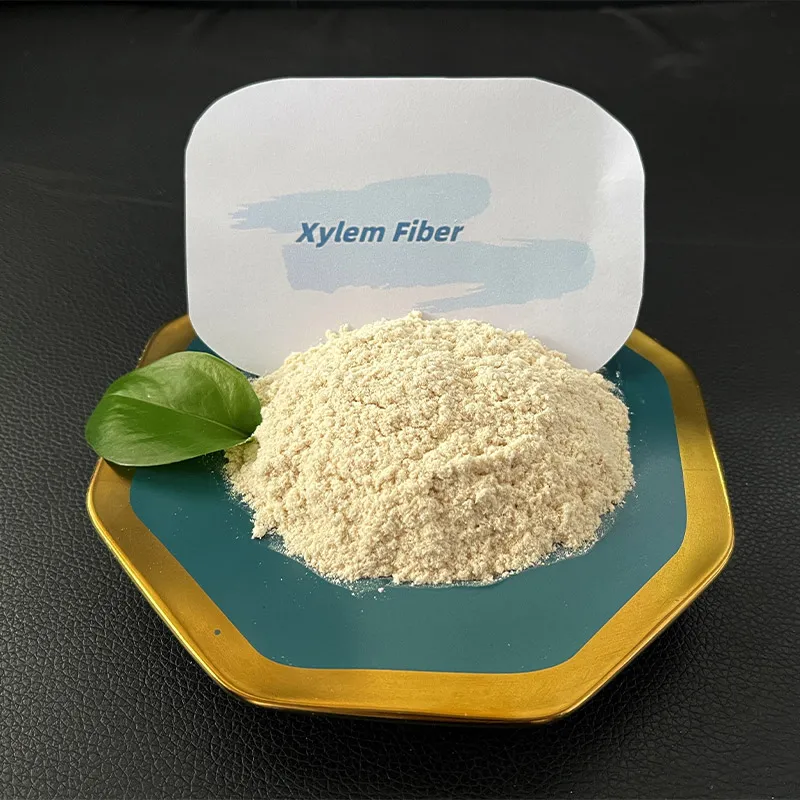
Technical Specifications and Performance Metrics
The effectiveness of xylem fiber is largely determined by its technical specifications. Below is a detailed overview of its key parameters:
| Parameter | Specification |
|---|---|
| Fiber Diameter | 15-30 micrometers |
| Length | 1-5 mm |
| Moisture Content | ≤5% |
| Tensile Strength | ≥1.5 GPa |
| Absorbency | Up to 10 times its weight |
| Biodegradability | 100% biodegradable within 180 days |
These specifications underscore xylem fiber's ability to meet rigorous industrial standards while maintaining its eco-friendly profile. Its high tensile strength and absorbency make it particularly valuable in applications requiring both durability and moisture management.
Environmental and Economic Benefits
The use of xylem fiber aligns with global sustainability goals by reducing reliance on non-renewable resources. Unlike traditional materials such as synthetic polymers or high-carbon concrete, xylem fiber is derived from sustainably managed forests, ensuring a low carbon footprint. According to the National Institute of Standards and Technology (NIST), natural fiber composites can reduce greenhouse gas emissions by up to 40% compared to conventional alternatives.
Additionally, the cultivation and processing of xylem fiber promote responsible forestry practices. By utilizing wood waste and byproducts, manufacturers can minimize deforestation and support ecosystem balance. This approach not only conserves natural resources but also creates economic opportunities in rural communities. The HeBei ShengShi HongBang Cellulose Technology CO.,LTD. exemplifies this model by integrating xylem fiber into its production processes, thereby reducing waste and enhancing product value.
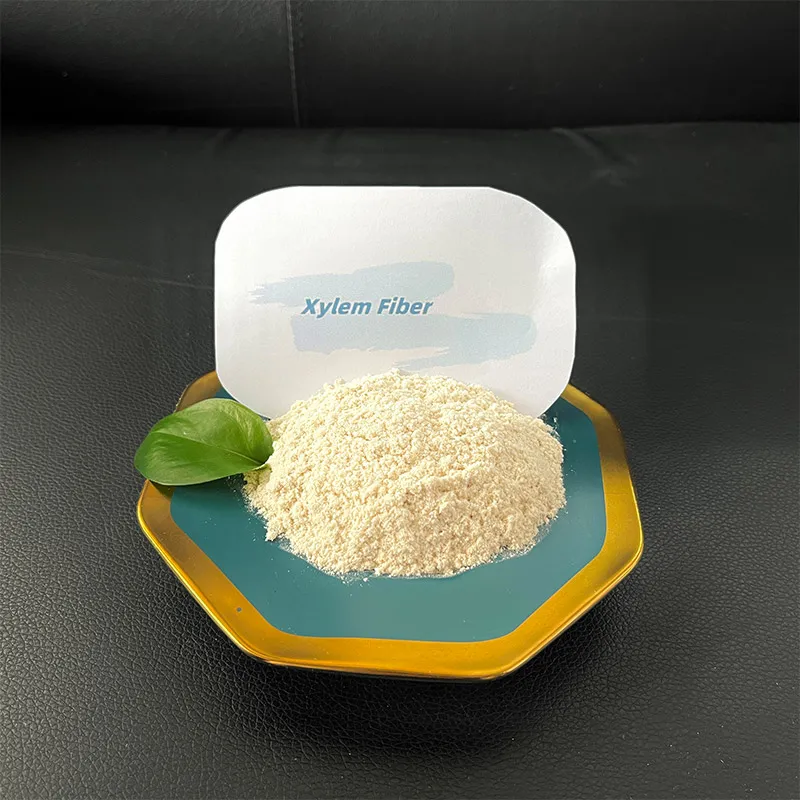
Company Background: HeBei ShengShi HongBang Cellulose Technology CO.,LTD.
As a leading innovator in cellulose technology, HeBei ShengShi HongBang Cellulose Technology CO.,LTD. has dedicated itself to developing sustainable solutions for the global market. With a focus on research and development, the company has pioneered the production of xylem fiber, ensuring its quality and versatility for diverse applications. Their commitment to environmental responsibility is reflected in their adherence to international standards for sustainable manufacturing.
The company's expertise in cellulose extraction from wood and its subsequent processing into high-performance fibers has positioned it as a key player in the renewable materials sector. By collaborating with industry leaders and academic institutions, HeBei ShengShi HongBang continues to push the boundaries of what xylem fiber can achieve. Their products are used in construction, automotive, and consumer goods industries, demonstrating the material's broad appeal and adaptability.
Future Prospects and Industry Trends
As industries increasingly prioritize sustainability, the demand for xylem fiber is expected to grow. Innovations in fiber processing and application methods will further expand its potential. For instance, researchers are exploring its use in biodegradable packaging and advanced composite materials, which could revolutionize multiple sectors. According to a 2023 report by the NIST, the global market for natural fiber composites is projected to reach $12 billion by 2030, driven by regulatory support and consumer demand for eco-friendly products.
The integration of xylem fiber into emerging technologies, such as 3D printing and smart materials, also presents exciting opportunities. Its unique properties make it a viable candidate for applications requiring both structural integrity and environmental compatibility. As manufacturers continue to innovate, xylem fiber will likely play a central role in shaping a more sustainable industrial landscape.
Conclusion
Xylem fiber represents a paradigm shift in the way industries approach material selection. Its natural origin, combined with its exceptional performance characteristics, makes it an ideal choice for a wide range of applications. From construction to consumer goods, the versatility of xylem fiber underscores its value in promoting sustainability without compromising on quality or efficiency.
As companies like HeBei ShengShi HongBang Cellulose Technology CO.,LTD. continue to advance the production and application of xylem fiber, the material's potential will only expand. By embracing renewable resources and innovative technologies, industries can contribute to a healthier planet while meeting the demands of a rapidly evolving market.
References
National Institute of Standards and Technology (NIST) (2023). "Global Market for Natural Fiber Composites." Retrieved from https://www.nist.gov/.
-
Industrial Guide to ГПМЦ целлюлоза High Performance CelluloseNewsApr.16,2026
-
Wood Cellulose Properties and Industrial Applications GuideNewsApr.09,2026
-
Does Wood Contain Cellulose A Detailed Exploration of its Composition and UsesNewsApr.07,2026
-
Understanding Wood Cellulose Meaning Applications and Future TrendsNewsApr.04,2026
-
Exploring the Potential of Wood Cellulose is wood cellulose a Sustainable MaterialNewsMar.31,2026
-
Exploring the Sustainability and Versatility of Cellulose Wood ChipsNewsMar.28,2026
-
Understanding Wood Pulp Cellulose A Comprehensive Guide to Properties and ApplicationsNewsMar.26,2026