-

Add: HeBei ShengShi HongBang Cellulose Technology CO.,LTD.
-

Email
13180486930@163.com -

CONTACT US
+86 13180486930

Xylem Fiber - HeBei ShengShi HongBang Cellulose Technology CO.,LTD.|Sustainable Construction Material&Eco-friendly Industrial Solution
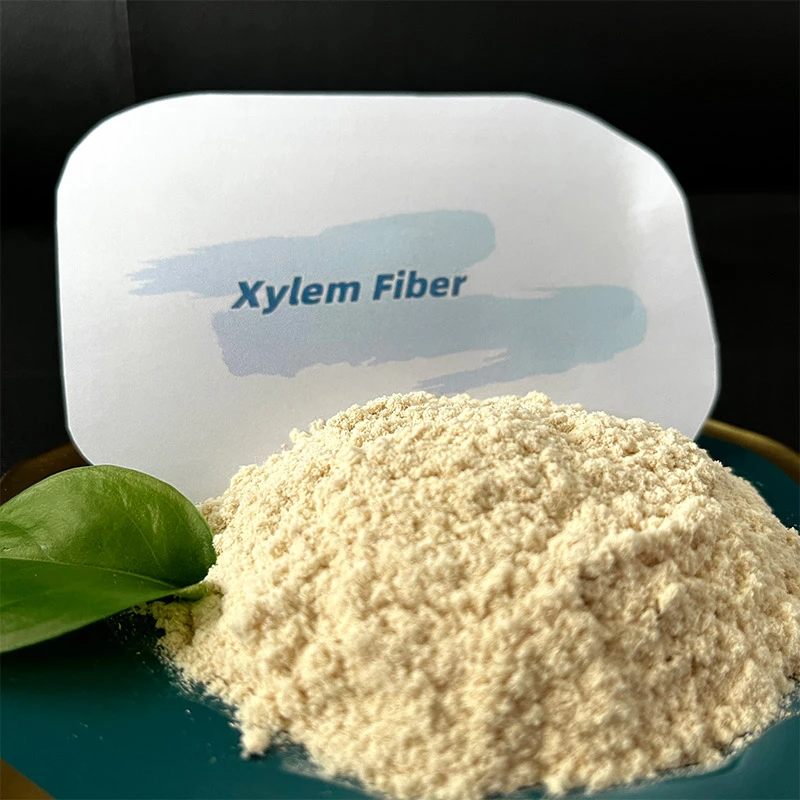
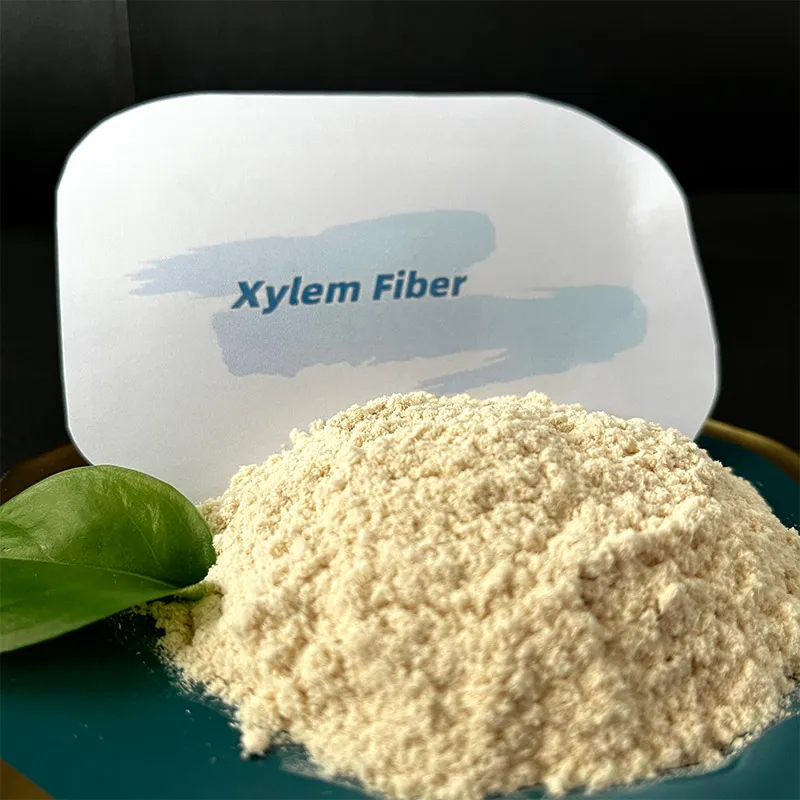
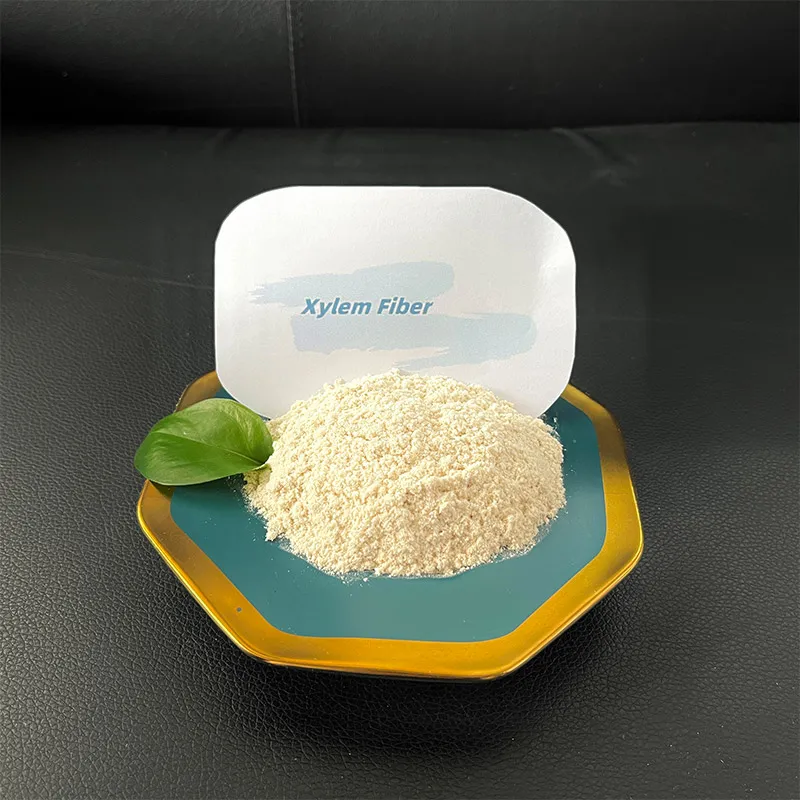
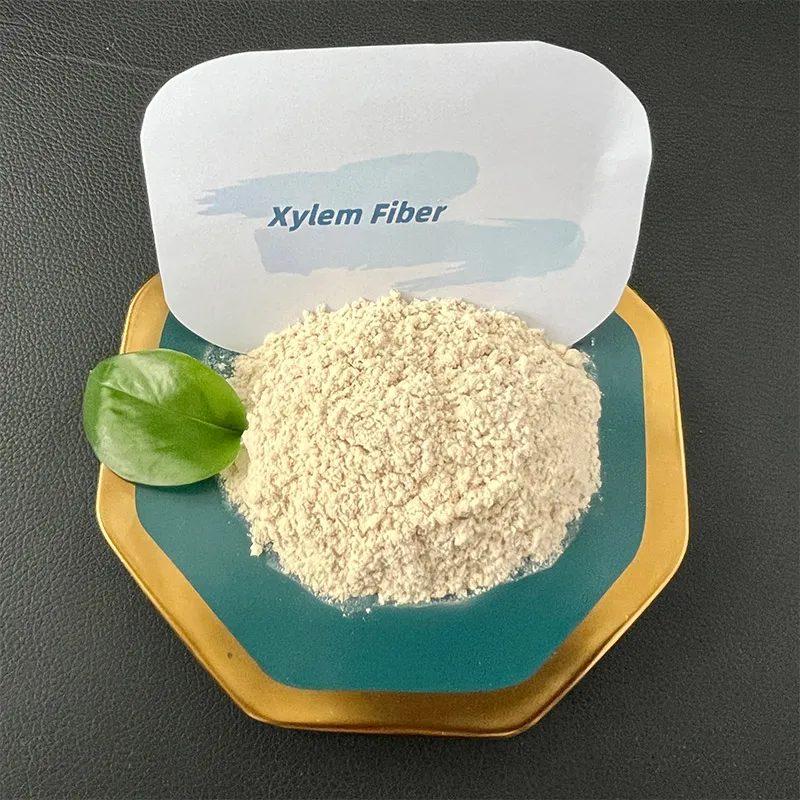
Xylem fiber, a natural and renewable resource derived from wood, has gained significant attention in various industries due to its eco-friendly attributes and versatility. This organic flocculent fiber material undergoes a series of chemical treatments and mechanical processing, transforming it into a high-quality product that is suitable for an array of applications. In the construction sector, xylem fiber plays an essential role, particularly in enhancing the properties of concrete and mortar mixes. Its incorporation into these materials not only improves their strength and durability but also contributes to environmental sustainability by reducing the amount of traditional raw materials needed.
Additionally, xylem fiber’s unique characteristics make it an invaluable component in the production of gypsum products, wherein it enhances the structural integrity and workability of the final product. The fiber’s absorbent properties also lend themselves well to the manufacturing of wood pulp sponges, offering a biodegradable alternative in various cleaning and household applications. Furthermore, its utility extends to the asphalt industry, where xylem fiber acts as a reinforcing agent, improving the resilience and longevity of asphalt roads. In the manufacturing of medium density fiberboard (MDF), xylem fiber serves as a key ingredient, enabling the production of sturdy and sustainable building materials that are increasingly being adopted in the home-building sector.
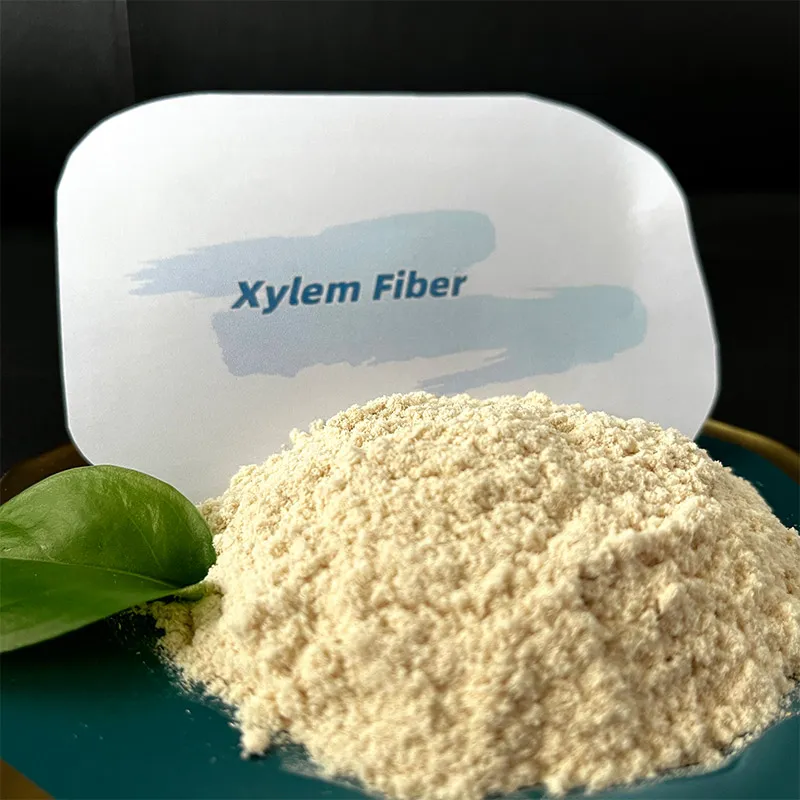
Key Features and Advantages of Xylem Fiber
Xylem fiber is celebrated for its multifunctional properties, which make it a preferred choice in various industrial applications. One of its most notable advantages is its ability to enhance the mechanical properties of construction materials. When integrated into concrete and mortar, it improves tensile strength, reduces cracking, and increases resistance to environmental stressors. This is achieved through the fiber’s unique structure, which acts as a reinforcing matrix within the material.
Another significant benefit of xylem fiber is its biodegradability. Unlike synthetic alternatives, which can persist in the environment for decades, xylem fiber breaks down naturally, reducing the ecological footprint of products it is used in. This aligns with global efforts to minimize waste and promote circular economy practices. Additionally, its renewable nature ensures that it can be sourced sustainably, supporting responsible forestry practices and reducing reliance on non-renewable resources.

Technical Specifications
| Parameter | Specification |
|---|---|
| Material Source | Sustainably sourced wood pulp |
| Processing Method | Chemical treatment and mechanical refinement |
| Fiber Length | Varies between 1-5 mm (depending on application) |
| Moisture Content | Less than 10% (as per industry standards) |
| Tensile Strength | Up to 200 MPa (for reinforced composites) |
| Biodegradability | Completely biodegradable within 6-12 months |
Applications Across Industries
Xylem fiber’s versatility is evident in its wide range of applications. In the construction industry, it is used to enhance the performance of concrete and mortar. By acting as a micro-reinforcement, it reduces the need for traditional additives like synthetic fibers or cement, thereby lowering the carbon footprint of construction projects. According to the National Institute of Standards and Technology (NIST), integrating natural fibers into construction materials can improve their durability while maintaining compliance with safety standards [1].
In the gypsum product sector, xylem fiber is employed to improve the workability and structural integrity of wallboards and plasters. Its ability to absorb and retain moisture ensures a more uniform curing process, resulting in fewer defects and higher-quality end products. For asphalt applications, xylem fiber serves as a stabilizing agent, enhancing the road’s resistance to rutting and thermal cracking. This is particularly beneficial in regions with extreme weather conditions, where traditional asphalt mixtures may degrade more quickly.
The medium density fiberboard (MDF) industry also benefits from xylem fiber. By replacing a portion of the synthetic resins typically used in MDF production, it reduces the emission of volatile organic compounds (VOCs), making the final product safer for both consumers and the environment. Furthermore, xylem fiber’s absorbent properties make it ideal for wood pulp sponges, which are increasingly being adopted in households and commercial cleaning operations as a sustainable alternative to synthetic sponges.
Company Background: HeBei ShengShi HongBang Cellulose Technology CO., LTD.
HeBei ShengShi HongBang Cellulose Technology CO., LTD. is a leading manufacturer of xylem fiber and related wood-derived products. With a commitment to sustainability and innovation, the company has established itself as a key player in the global market for eco-friendly materials. Their expertise in cellulose extraction from wood and fibre made from wood pulp has enabled them to develop high-quality products that meet the demands of modern industries.
The company’s state-of-the-art facilities and rigorous quality control processes ensure that their products adhere to international standards. By prioritizing responsible forestry practices, they contribute to the preservation of natural ecosystems while meeting the growing need for renewable resources. For more information about their products and services, visit their official website.
Environmental and Economic Benefits
The adoption of xylem fiber offers significant environmental and economic advantages. From an ecological perspective, its use reduces the demand for non-renewable resources such as synthetic polymers and traditional cement. This not only lowers greenhouse gas emissions but also minimizes the environmental impact of resource extraction and processing. According to NIST, the integration of natural fibers into industrial applications can reduce the carbon footprint of construction projects by up to 30% [1].
Economically, xylem fiber provides a cost-effective solution for manufacturers. Its availability as a locally sourced material reduces transportation costs and supports regional economies. Additionally, the reduced need for synthetic additives lowers production expenses, making it an attractive option for businesses seeking to balance profitability with sustainability.
Challenges and Future Prospects
While xylem fiber presents numerous benefits, its widespread adoption faces challenges such as variability in raw material quality and the need for specialized processing equipment. However, ongoing research and technological advancements are addressing these issues. For instance, innovations in cellulose extraction from wood have improved the consistency and efficiency of fiber production, making it more viable for large-scale applications.
The future of xylem fiber looks promising, with increasing demand for sustainable materials across industries. As companies and governments prioritize environmental responsibility, the role of xylem fiber in driving green innovation is expected to expand. By continuing to invest in research and development, manufacturers like HeBei ShengShi HongBang are poised to lead the transition toward a more sustainable industrial landscape.
Conclusion
Xylem fiber represents a transformative solution for industries seeking to balance performance with sustainability. Its unique properties, combined with its renewable nature, make it an ideal choice for a wide range of applications. From construction to automotive and beyond, the potential of xylem fiber is vast and continues to grow. As the world moves toward greener technologies, the role of xylem fiber in shaping a more sustainable future cannot be overstated.
For more information about xylem fiber and its applications, visit the product page or explore the company website.
References
[1] National Institute of Standards and Technology (NIST). "Sustainable Materials in Construction." Retrieved from https://www.nist.gov.
-
Industrial Guide to ГПМЦ целлюлоза High Performance CelluloseNewsApr.16,2026
-
Wood Cellulose Properties and Industrial Applications GuideNewsApr.09,2026
-
Does Wood Contain Cellulose A Detailed Exploration of its Composition and UsesNewsApr.07,2026
-
Understanding Wood Cellulose Meaning Applications and Future TrendsNewsApr.04,2026
-
Exploring the Potential of Wood Cellulose is wood cellulose a Sustainable MaterialNewsMar.31,2026
-
Exploring the Sustainability and Versatility of Cellulose Wood ChipsNewsMar.28,2026
-
Understanding Wood Pulp Cellulose A Comprehensive Guide to Properties and ApplicationsNewsMar.26,2026