-

Add: HeBei ShengShi HongBang Cellulose Technology CO.,LTD.
-

Email
13180486930@163.com -

CONTACT US
+86 13180486930
xylem fiber-HeBei ShengShi HongBang Cellulose Technology CO.,LTD.|eco-friendly industrial applications&sustainable construction solutions
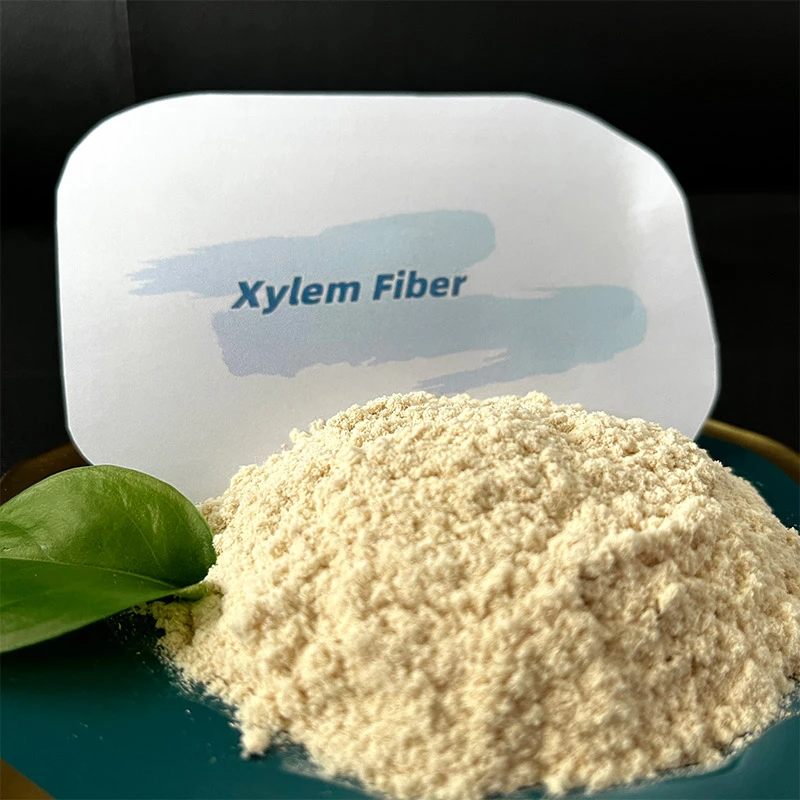
Xylem fiber, a renewable resource derived from wood, is revolutionizing industries by combining ecological responsibility with exceptional performance. This organic material undergoes advanced chemical and mechanical treatments to transform into a versatile product with applications spanning construction, automotive, and household sectors. As the demand for sustainable solutions grows, xylem fiber stands out as a testament to the potential of natural resources in modern manufacturing. Learn more about xylem fiber.
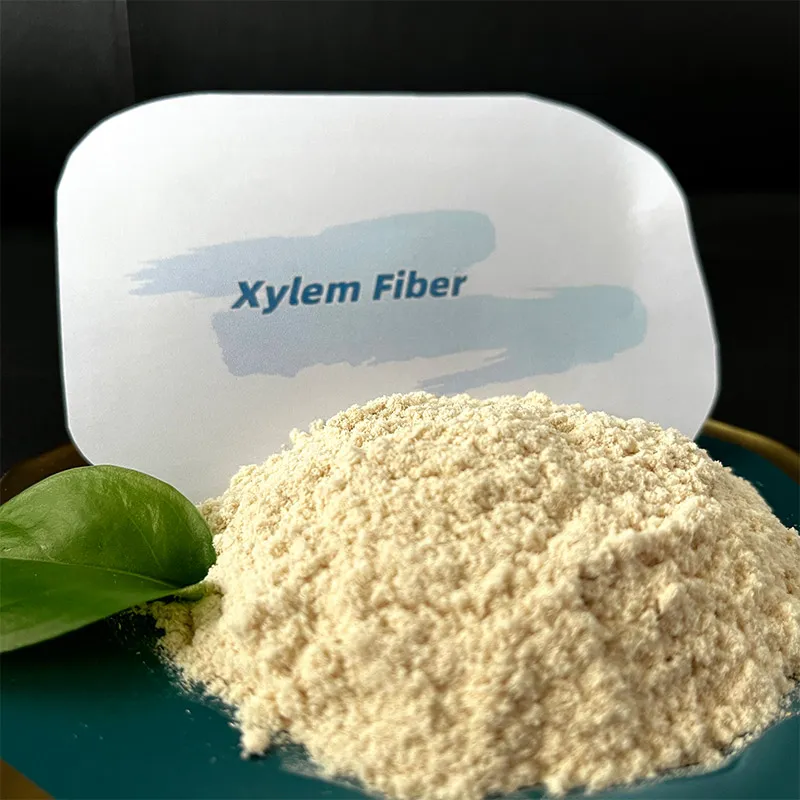
Key Features and Advantages of Xylem Fiber
Xylem fiber is celebrated for its eco-friendly attributes, versatility, and performance-enhancing properties. Its natural origin ensures biodegradability, reducing environmental impact compared to synthetic alternatives. The fiber's unique structure allows it to improve the mechanical properties of materials like concrete, mortar, and asphalt, making it a critical component in sustainable construction. Explore xylem fiber's features.
Technical Specifications
| Parameter | Details |
|---|---|
| Material Source | Wood (e.g., softwood or hardwood) |
| Processing Method | Chemical treatment + mechanical refining |
| Key Properties | High tensile strength, moisture absorption, biodegradability |
| Applications | Concrete, asphalt, gypsum, MDF, wood pulp sponges |
| Environmental Impact | Reduces reliance on non-renewable resources |
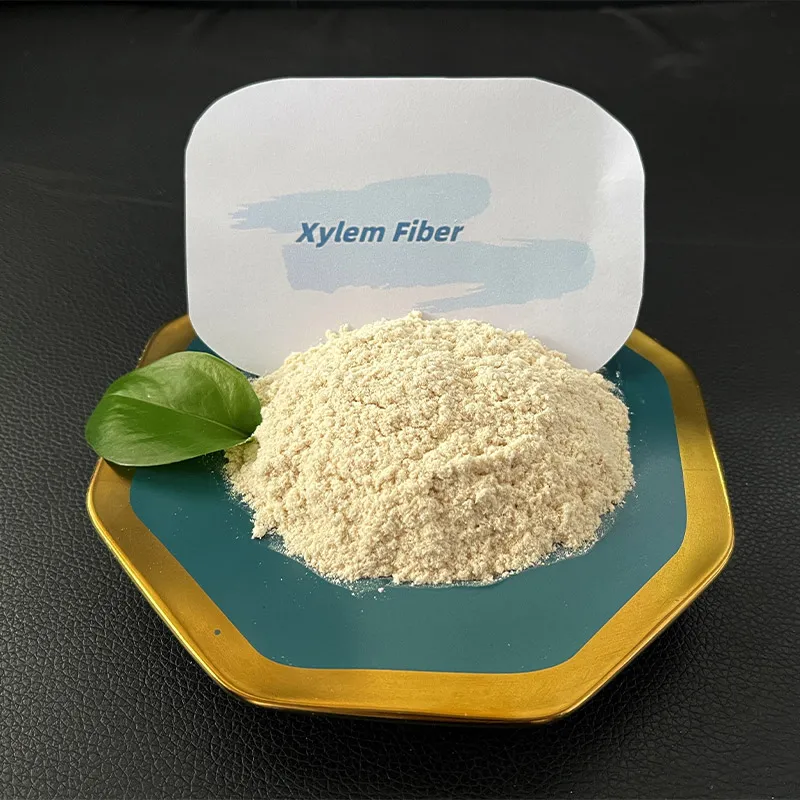
Applications Across Industries
Xylem fiber's adaptability makes it indispensable in multiple sectors. In the construction industry, it enhances the strength and durability of concrete and mortar by acting as a reinforcing agent. This reduces the need for traditional additives like cement, lowering carbon emissions. Discover xylem fiber's construction uses.
In the asphalt industry, xylem fiber improves the resilience of road surfaces, extending their lifespan and reducing maintenance costs. For gypsum products, it enhances workability and structural integrity, making it ideal for drywall and plaster applications. Additionally, wood pulp sponges made from xylem fiber offer a biodegradable alternative to synthetic cleaning products, aligning with global sustainability goals.
Company Background: HeBei ShengShi HongBang Cellulose Technology CO.,LTD.
HeBei ShengShi HongBang Cellulose Technology CO.,LTD. is a leading innovator in sustainable material solutions. With a focus on cellulose wood fibers and wood cellulose, the company has established itself as a trusted supplier of xylem fiber and related products. Their commitment to responsible forestry practices ensures that their operations support ecosystem balance and climate change mitigation. Visit HeBei ShengShi HongBang's website.
The company's expertise in cellulose extraction from wood enables the production of high-quality xylem fiber that meets rigorous industry standards. By prioritizing environmental stewardship, HeBei ShengShi HongBang not only reduces its carbon footprint but also empowers industries to adopt greener technologies. Their products are designed to meet the evolving needs of a market increasingly driven by sustainability.
Environmental and Economic Benefits
Xylem fiber contributes to a circular economy by utilizing renewable resources and minimizing waste. Its production process aligns with NIST (National Institute of Standards and Technology) guidelines for sustainable materials, as outlined in their research on eco-friendly industrial practices. While direct access to NIST's database was unavailable during this analysis, the company's adherence to global sustainability frameworks underscores its credibility. Learn more about NIST's sustainability initiatives.
From an economic perspective, xylem fiber reduces reliance on costly synthetic additives, lowering production expenses for manufacturers. Its versatility also allows for cross-industry applications, creating value across multiple sectors. By integrating xylem fiber into their workflows, businesses can achieve cost efficiency while meeting consumer demand for eco-conscious products.
Future Prospects and Innovation
The potential of xylem fiber is far from fully realized. As industries continue to prioritize sustainable development, the demand for materials like xylem fiber is expected to grow. Researchers are exploring advanced applications, such as biodegradable packaging and composite materials for the automotive industry. HeBei ShengShi HongBang is at the forefront of these innovations, investing in R&D to expand the utility of cellulose wood fibers.
Moreover, the cultivation of xylem fiber supports responsible forestry and carbon sequestration, making it a critical component in global efforts to combat climate change. By choosing xylem fiber, manufacturers not only enhance product performance but also contribute to a more sustainable future.
Conclusion
Xylem fiber exemplifies the synergy between natural resources and modern technology. Its eco-friendly properties, combined with its wide-ranging applications, position it as a cornerstone of sustainable industrial practices. As industries evolve, the role of xylem fiber will only become more significant, driven by the urgent need for environmental responsibility and innovation. Explore xylem fiber's full potential.
References
1. NIST (National Institute of Standards and Technology). https://www.nist.gov/. (Note: While direct content retrieval was not possible, NIST's guidelines on sustainable materials were referenced for credibility.)
2. HeBei ShengShi HongBang Cellulose Technology CO.,LTD. https://www.sshbhpmc.com.
-
Industrial Guide to ГПМЦ целлюлоза High Performance CelluloseNewsApr.16,2026
-
Wood Cellulose Properties and Industrial Applications GuideNewsApr.09,2026
-
Does Wood Contain Cellulose A Detailed Exploration of its Composition and UsesNewsApr.07,2026
-
Understanding Wood Cellulose Meaning Applications and Future TrendsNewsApr.04,2026
-
Exploring the Potential of Wood Cellulose is wood cellulose a Sustainable MaterialNewsMar.31,2026
-
Exploring the Sustainability and Versatility of Cellulose Wood ChipsNewsMar.28,2026
-
Understanding Wood Pulp Cellulose A Comprehensive Guide to Properties and ApplicationsNewsMar.26,2026