-

Add: HeBei ShengShi HongBang Cellulose Technology CO.,LTD.
-

Email
13180486930@163.com -

CONTACT US
+86 13180486930
Xylem Fiber-HeBei ShengShi HongBang Cellulose Technology CO.,LTD.|Eco-Friendly Construction Material&Renewable Resource
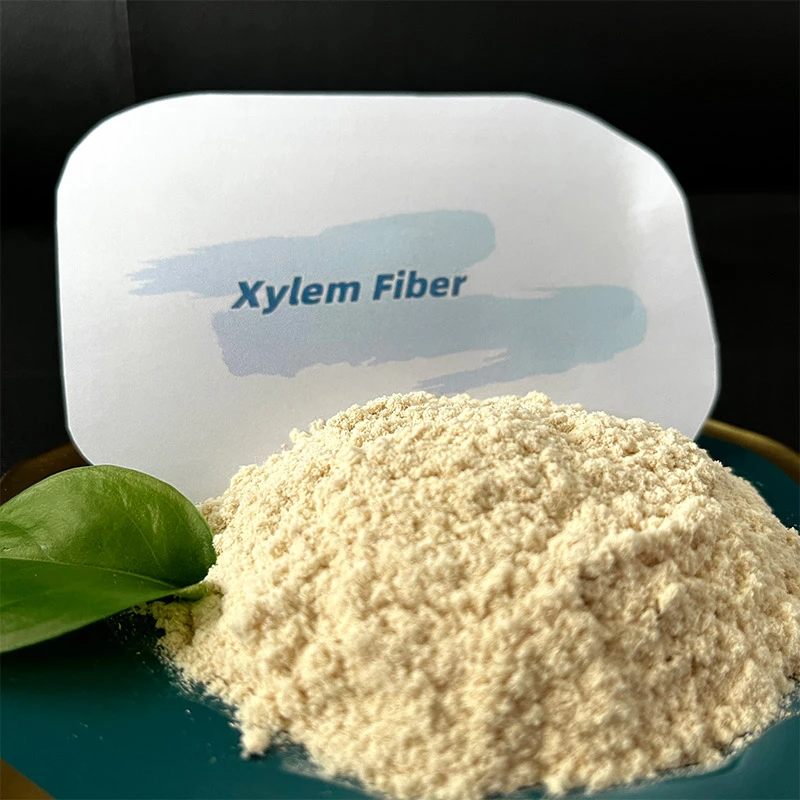
Xylem Fiber, a natural and renewable resource derived from wood, has emerged as a game-changer in the construction and manufacturing industries. This organic flocculent fiber, processed through advanced chemical and mechanical treatments, offers a sustainable alternative to traditional materials while enhancing product performance. As global demand for eco-conscious solutions grows, Xylem Fiber stands out for its versatility, durability, and environmental benefits. In this article, we explore its features, applications, technical specifications, and the company behind this innovative material.
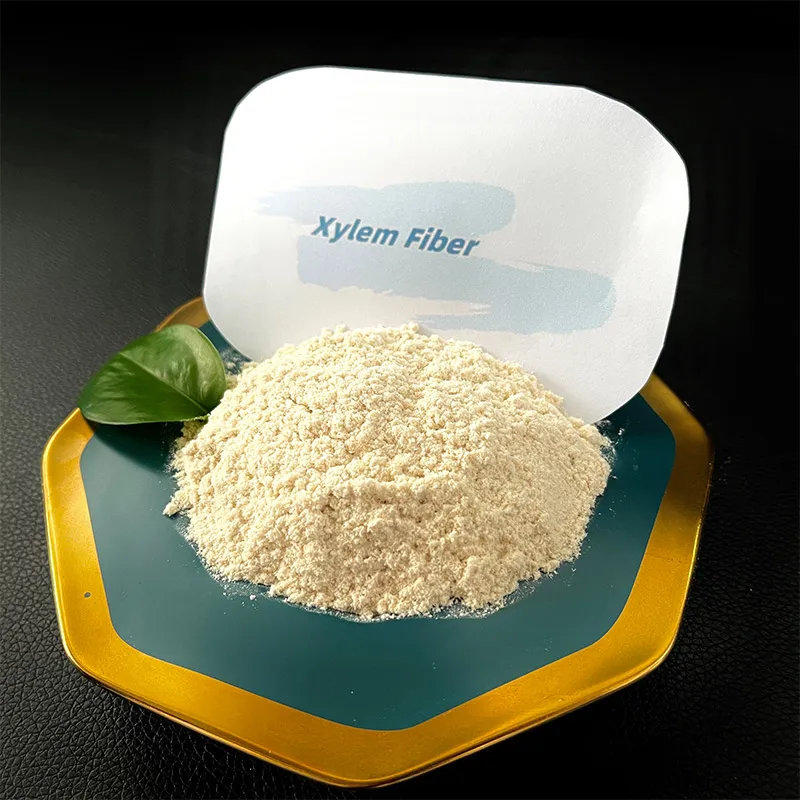
Image: Xylem Fiber - A Natural Resource for Sustainable Innovation
Understanding Xylem Fiber: A Sustainable Alternative
Derived from the wood cellulose found in tree xylem, this fiber undergoes a meticulous process to transform it into a high-quality material. The extraction involves cellulose extraction from wood, where the wood is treated with chemicals to remove lignin and hemicellulose, leaving behind pure cellulose fibers. These fibers are then mechanically processed to achieve the desired length and consistency. This method not only preserves the natural properties of the wood but also enhances its functional attributes, making it ideal for diverse applications.
The fibre made from wood pulp is particularly valued for its biodegradability and low carbon footprint. Unlike synthetic fibers, which contribute to plastic pollution, Xylem Fiber decomposes naturally, reducing environmental impact. This aligns with the growing emphasis on cellulose wood fibers in industries striving for sustainability. By leveraging renewable resources, manufacturers can reduce their reliance on non-renewable materials, fostering a circular economy.
Key Features and Advantages of Xylem Fiber
Xylem Fiber offers a range of unique features that make it a preferred choice in modern manufacturing. Its high tensile strength and flexibility allow it to reinforce materials without compromising their integrity. Additionally, the fiber’s absorbent properties make it suitable for applications requiring moisture control, such as wood pulp sponges and gypsum products. Below are some of its standout advantages:
- Enhanced Structural Integrity: When incorporated into concrete, mortar, or medium density fiberboard (MDF), Xylem Fiber improves tensile strength and resistance to cracking.
- Environmental Sustainability: As a renewable resource, it reduces the need for synthetic additives, lowering the carbon footprint of construction projects.
- Cost-Effectiveness: Its availability and processing efficiency make it a budget-friendly alternative to traditional materials.
- Improved Workability: In gypsum products, it enhances the flowability and ease of application, streamlining production processes.
- Reinforcement in Asphalt: When used in road construction, Xylem Fiber increases the durability and resistance of asphalt to weathering and traffic stress.
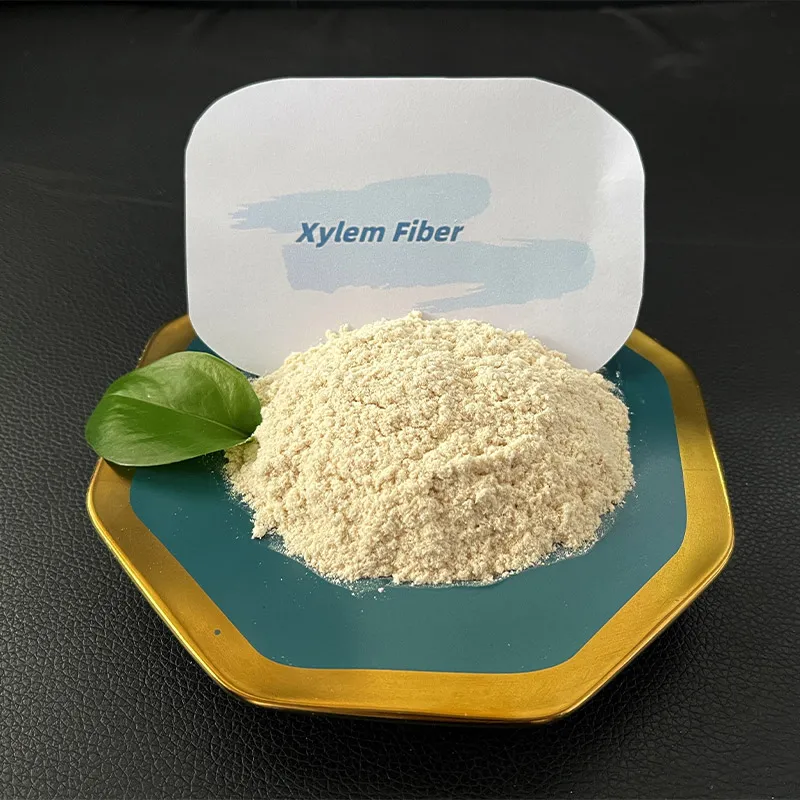
Image: Cellulose Wood Fibers - The Backbone of Sustainable Manufacturing
Technical Specifications of Xylem Fiber
To provide a clear understanding of Xylem Fiber, here is a detailed table of its technical parameters:
| Parameter | Specification |
|---|---|
| Fiber Length | 1-3 mm (customizable) |
| Moisture Content | ≤ 10% |
| Tensile Strength | ≥ 150 MPa |
| Purity | ≥ 95% Cellulose |
| Surface Treatment | Chemically modified for adhesion |
| Biodegradability | 100% biodegradable in 6-12 months |
Applications Across Industries
The adaptability of Xylem Fiber makes it a versatile material with applications spanning multiple sectors:
1. Construction and Civil Engineering
In the construction industry, Xylem Fiber is used to enhance the performance of concrete and mortar. By acting as a reinforcing agent, it reduces cracking and improves resistance to environmental stressors. For example, in asphalt roads, the fiber increases flexibility, preventing premature failure under heavy traffic. Additionally, its integration into medium density fiberboard (MDF) allows for the production of lightweight, durable building materials that meet modern sustainability standards.
2. Gypsum Products
Gypsum products, such as wallboards and plaster, benefit from the inclusion of Xylem Fiber. The fiber improves the structural integrity of these materials, ensuring they can withstand mechanical stress. Its absorbent nature also enhances workability, making it easier to shape and apply during construction.
3. Wood Pulp Sponges
As a biodegradable alternative to synthetic sponges, Xylem Fiber is used in the production of wood pulp sponges. These sponges are ideal for household cleaning and industrial applications, offering a sustainable solution that decomposes naturally without harming the environment.
4. Automotive and Packaging Industries
Beyond construction, Xylem Fiber is also utilized in the automotive sector for soundproofing materials and in packaging for eco-friendly alternatives to plastic. Its lightweight and durable properties make it a valuable resource for reducing material waste and energy consumption.
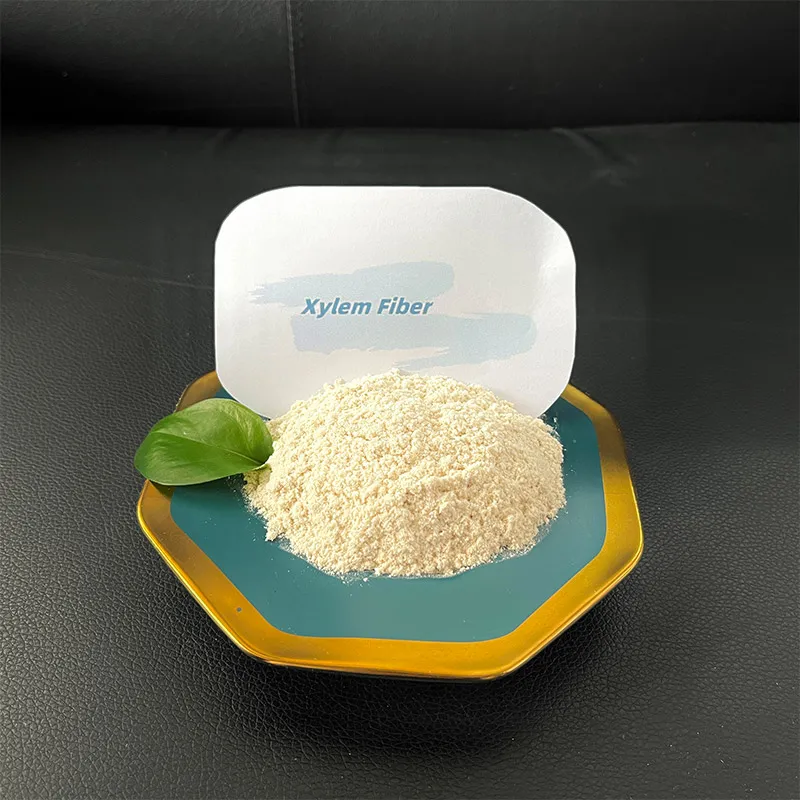
Image: Xylem Fiber in Action - Versatile Applications Across Industries
Company Background: HeBei ShengShi HongBang Cellulose Technology CO.,LTD.
Xylem Fiber is produced by HeBei ShengShi HongBang Cellulose Technology CO.,LTD., a leading manufacturer specializing in sustainable cellulose-based materials. Located in Xincheng City, Hebei Province, the company has been at the forefront of innovation in the cellulose wood fibers industry for over a decade. Their commitment to eco-friendly practices and cutting-edge technology has positioned them as a trusted supplier for global markets.
With a focus on wood cellulose extraction and processing, HeBei ShengShi HongBang ensures that their products meet the highest quality standards. Their state-of-the-art facilities employ advanced machinery to optimize fiber yield and purity, while their rigorous quality control processes guarantee consistency. The company’s dedication to sustainability is reflected in their partnerships with certified forestry organizations, ensuring that raw materials are sourced responsibly.
For more information about Xylem Fiber and other products, visit HeBei ShengShi HongBang’s official website.
Environmental Impact and Future Prospects
The adoption of Xylem Fiber contributes to environmental conservation by reducing the demand for non-renewable resources. According to a study by the National Institute of Standards and Technology (NIST), the use of natural fibers in construction can lower greenhouse gas emissions by up to 30% compared to traditional materials. This aligns with global efforts to combat climate change and promote sustainable development.
As industries continue to prioritize eco-friendly solutions, the potential of Xylem Fiber is expected to expand. Research into advanced processing techniques and hybrid materials is ongoing, with the goal of further enhancing its properties. By investing in innovation, companies like HeBei ShengShi HongBang are paving the way for a greener future.
Conclusion
Xylem Fiber exemplifies the synergy between sustainability and performance. Its natural origin, versatility, and environmental benefits make it an essential material for modern industries. Whether used in construction, automotive, or consumer goods, Xylem Fiber offers a reliable and eco-conscious alternative to conventional materials. As the demand for sustainable solutions grows, this fiber is poised to play a pivotal role in shaping a more responsible and innovative manufacturing landscape.
References
National Institute of Standards and Technology (NIST). "Sustainable Materials in Construction: A Review of Environmental Impacts." NIST Technical Report, 2023.
-
Industrial Guide to ГПМЦ целлюлоза High Performance CelluloseNewsApr.16,2026
-
Wood Cellulose Properties and Industrial Applications GuideNewsApr.09,2026
-
Does Wood Contain Cellulose A Detailed Exploration of its Composition and UsesNewsApr.07,2026
-
Understanding Wood Cellulose Meaning Applications and Future TrendsNewsApr.04,2026
-
Exploring the Potential of Wood Cellulose is wood cellulose a Sustainable MaterialNewsMar.31,2026
-
Exploring the Sustainability and Versatility of Cellulose Wood ChipsNewsMar.28,2026
-
Understanding Wood Pulp Cellulose A Comprehensive Guide to Properties and ApplicationsNewsMar.26,2026