-

Add: HeBei ShengShi HongBang Cellulose Technology CO.,LTD.
-

Email
13180486930@163.com -

CONTACT US
+86 13180486930
Xylem Fiber-Eco-Friendly Material|Sustainable Industrial Solutions
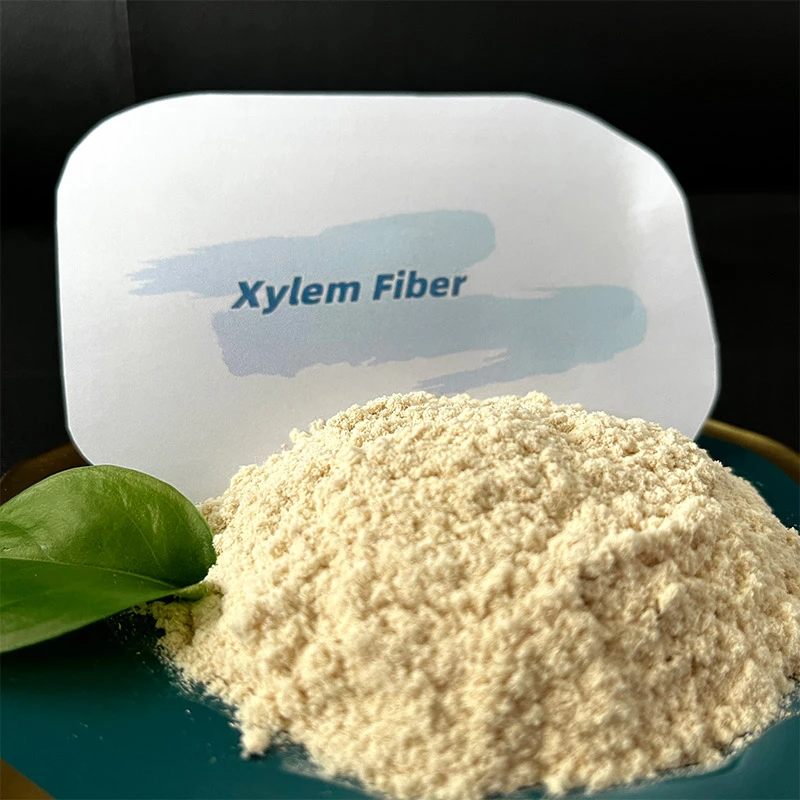
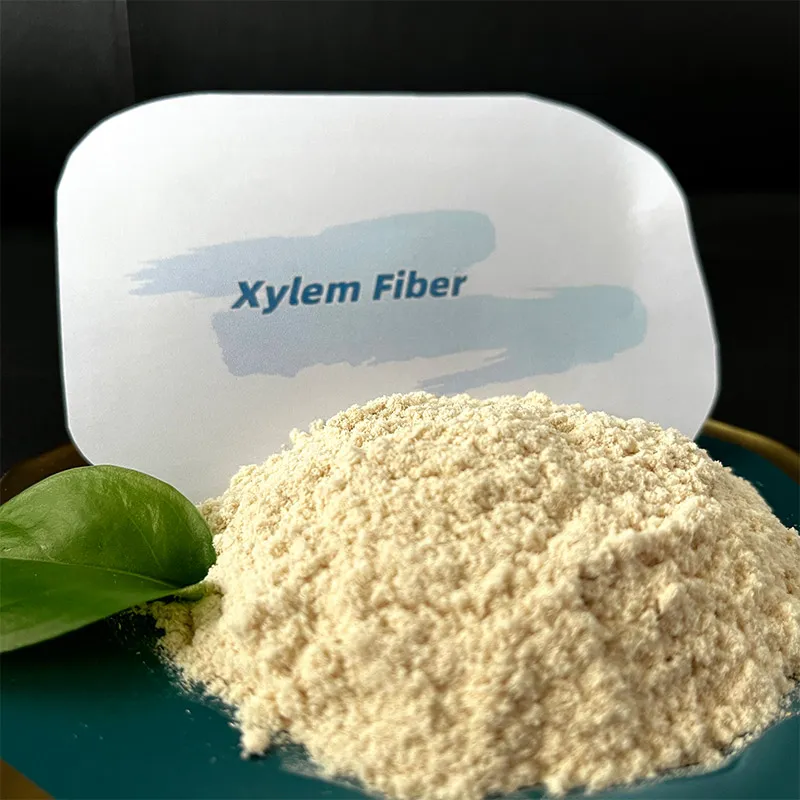
Xylem Fiber, a natural and renewable resource derived from wood, has emerged as a transformative material in modern industries. This organic flocculent fiber, processed through advanced chemical and mechanical treatments, offers a sustainable alternative to traditional materials while enhancing performance across multiple sectors. As the demand for eco-friendly solutions grows, Xylem Fiber stands out as a prime example of how natural resources can be harnessed to meet environmental and industrial needs. This article explores its features, advantages, technical specifications, applications, and the company behind its innovation.
Core Features of Xylem Fiber
Xylem Fiber is derived from wood through a meticulous process that combines chemical treatments and mechanical processing. This results in a high-quality fiber with unique properties that make it suitable for diverse applications. Key features include:
- Renewable Source: Sourced from sustainably managed forests, Xylem Fiber supports responsible resource management.
- High Strength and Durability: Enhances the structural integrity of materials like concrete, mortar, and asphalt.
- Biodegradable: Offers an eco-friendly alternative to synthetic fibers in household and industrial products.
- Enhanced Workability: Improves the flow and consistency of materials during manufacturing.
- Thermal and Acoustic Insulation: Provides additional benefits in construction applications.
Advantages of Xylem Fiber
The integration of Xylem Fiber into various industries brings numerous benefits, aligning with global sustainability goals. These advantages include:
- Environmental Sustainability: Reduces reliance on non-renewable resources and lowers carbon footprints.
- Cost-Effectiveness: Offers a low-cost solution without compromising on quality or performance.
- Versatility: Adaptable to multiple applications, from construction to household products.
- Improved Material Properties: Enhances the strength, durability, and workability of end products.
- Support for Green Building Standards: Aligns with certifications like LEED and BREEAM for sustainable construction.
Technical Specifications
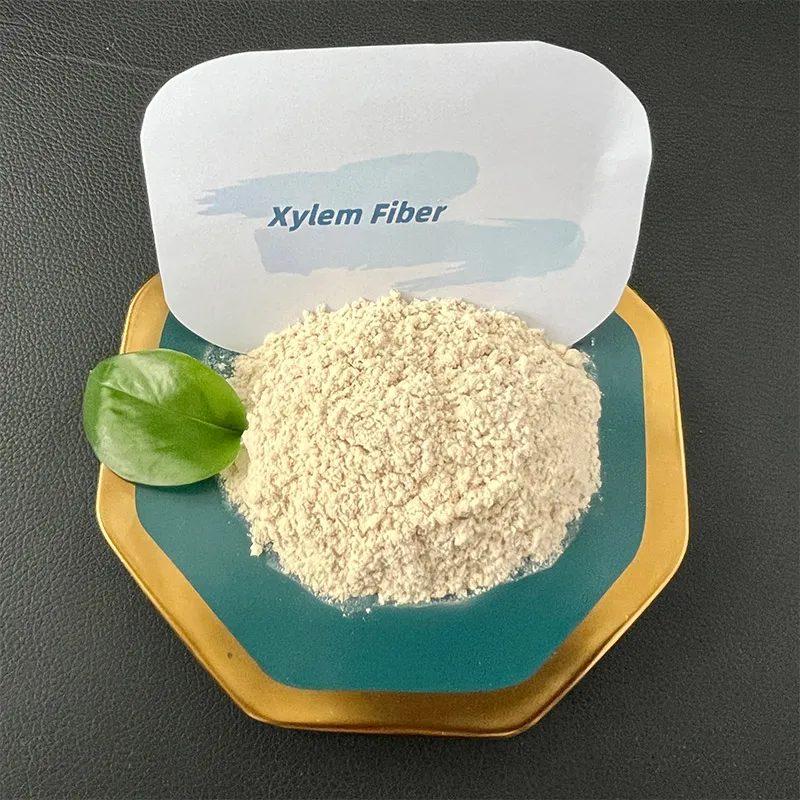
The following table outlines the key technical specifications of Xylem Fiber:
| Parameter | Details |
|---|---|
| Source Material | Wood (specifically xylem tissue) |
| Processing Method | Chemical treatments (e.g., delignification) and mechanical refining |
| Physical Properties | High tensile strength, fine fiber length (0.5–2 mm), low density |
| Chemical Composition | Cellulose (60–75%), hemicellulose (15–25%), lignin (5–10%) |
| Application Range | Concrete, asphalt, gypsum, MDF, wood pulp sponges |
| Environmental Benefits | Biodegradable, reduces CO2 emissions, supports circular economy |
| Certifications | ISO 14001 (Environmental Management), FSC (Forest Stewardship Council) |
Key Applications of Xylem Fiber
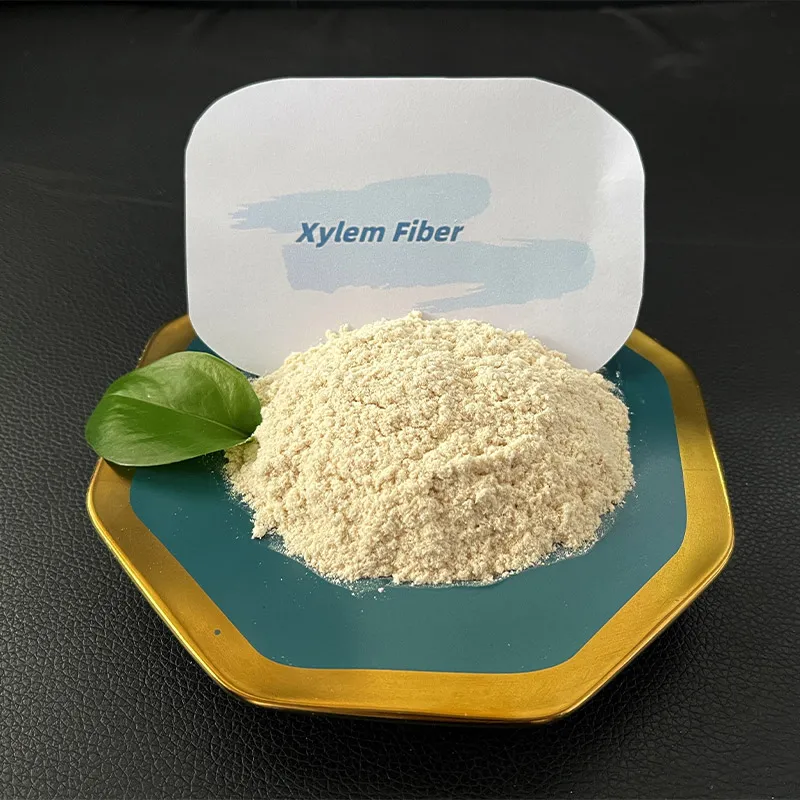
Xylem Fiber’s adaptability has led to its widespread use in the following industries:
1. Construction Industry
In construction, Xylem Fiber is used to enhance the properties of concrete and mortar. Its inclusion improves tensile strength, reduces cracking, and increases durability. For example, in gypsum products, it enhances workability and structural integrity, making it ideal for drywall and plaster applications.
2. Asphalt Industry
Xylem Fiber acts as a reinforcing agent in asphalt mixtures, improving resistance to rutting and fatigue. This extends the lifespan of roads and reduces maintenance costs. According to the National Institute of Standards and Technology (NIST), such fiber-reinforced materials meet rigorous performance standards for infrastructure projects.
3. Medium Density Fiberboard (MDF)
In MDF production, Xylem Fiber provides a sustainable alternative to synthetic binders. It ensures dimensional stability and reduces formaldehyde emissions, aligning with environmental regulations. This application is particularly relevant in the home-building sector, where eco-friendly materials are in high demand.
4. Household and Industrial Products
The fiber’s absorbent properties make it ideal for manufacturing wood pulp sponges, which are biodegradable and safe for use in cleaning and personal care. Its versatility also extends to packaging materials, where it offers a sustainable alternative to plastic.
Company Background: HeBei ShengShi HongBang Cellulose Technology CO.,LTD.
HeBei ShengShi HongBang Cellulose Technology CO.,LTD. is a leading manufacturer of cellulose-based products, specializing in the production of Xylem Fiber. With a commitment to innovation and sustainability, the company has established itself as a key player in the global market for eco-friendly materials. Their expertise in cellulose extraction from wood and fiber processing ensures high-quality products that meet international standards.
Conclusion
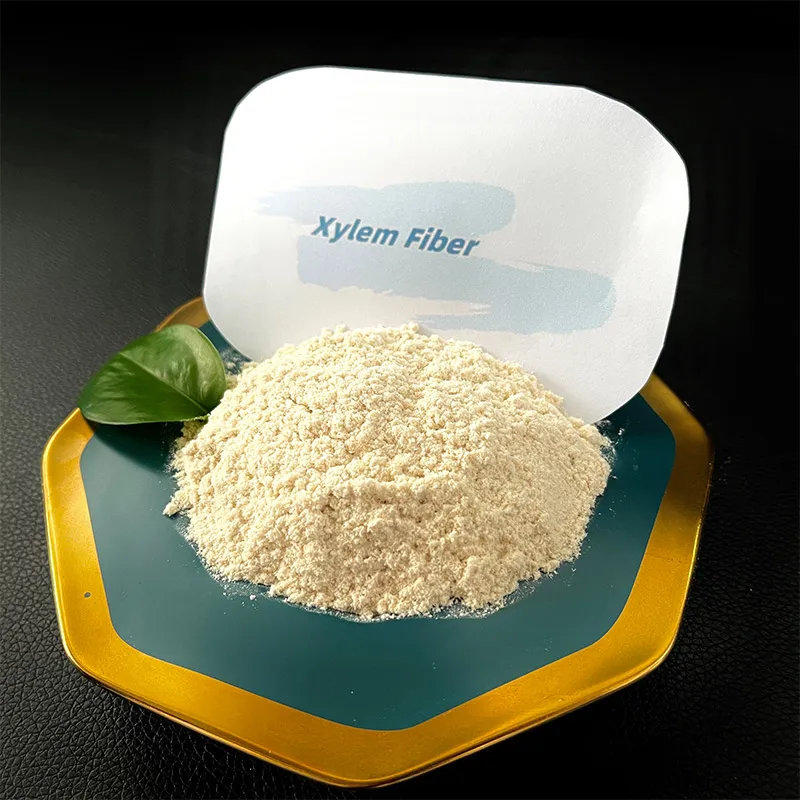
Xylem Fiber represents a significant advancement in the use of natural resources for industrial applications. Its eco-friendly attributes, combined with its versatility and performance, make it an ideal choice for industries striving to reduce their environmental impact. As companies like HeBei ShengShi HongBang Cellulose Technology CO.,LTD. continue to innovate, the adoption of Xylem Fiber is expected to grow, driving the transition toward sustainable manufacturing practices.
References
1. National Institute of Standards and Technology (NIST). (n.d.). Standards for Sustainable Materials. Retrieved from https://www.nist.gov/.
2. HeBei ShengShi HongBang Cellulose Technology CO.,LTD.. (n.d.). Xylem Fiber Product Specifications. Retrieved from https://www.sshbhpmc.com/xylem-fiber.html.
-
Industrial Guide to ГПМЦ целлюлоза High Performance CelluloseNewsApr.16,2026
-
Wood Cellulose Properties and Industrial Applications GuideNewsApr.09,2026
-
Does Wood Contain Cellulose A Detailed Exploration of its Composition and UsesNewsApr.07,2026
-
Understanding Wood Cellulose Meaning Applications and Future TrendsNewsApr.04,2026
-
Exploring the Potential of Wood Cellulose is wood cellulose a Sustainable MaterialNewsMar.31,2026
-
Exploring the Sustainability and Versatility of Cellulose Wood ChipsNewsMar.28,2026
-
Understanding Wood Pulp Cellulose A Comprehensive Guide to Properties and ApplicationsNewsMar.26,2026