-

Add: HeBei ShengShi HongBang Cellulose Technology CO.,LTD.
-

Email
13180486930@163.com -

CONTACT US
+86 13180486930
Wood Cellulose: Strong, Sustainable Fibers—Why Choose It?
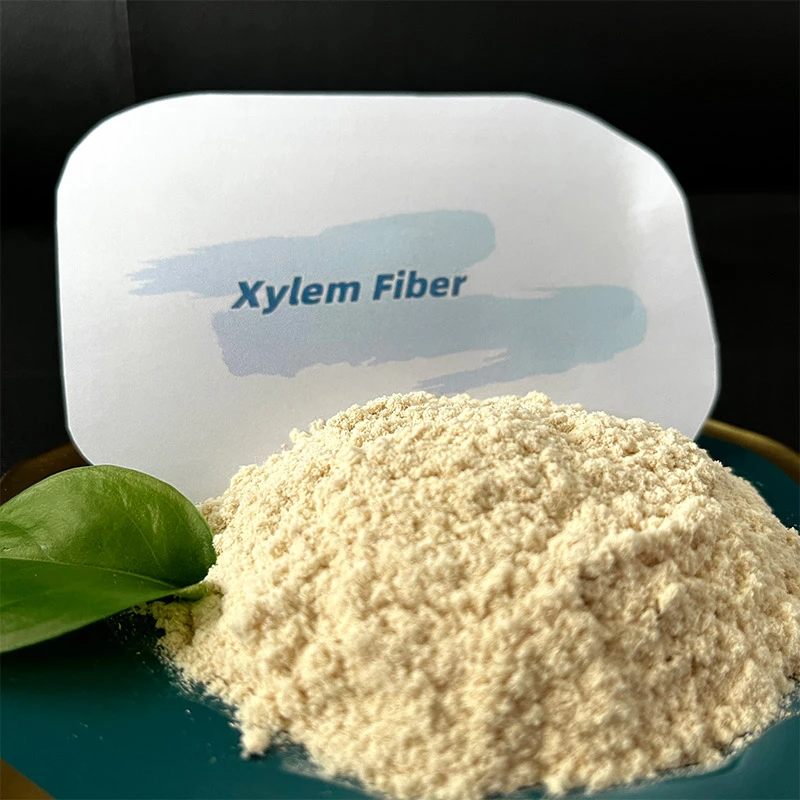
Xylem Fiber: A Practical Insider’s Guide to a Quietly Essential Material
If you work in construction additives, asphalt, coatings, filtration, or even specialty packaging, you’ve bumped into wood cellulose—maybe you called it cellulose fiber, maybe pulp, maybe just “plant fiber.” Xylem Fiber from HeBei ShengShi HongBang Cellulose Technology CO., LTD has been getting a lot of attention lately, and not by accident. To be honest, the material feels almost boring until you see what it does in a mix design or a filter bed.
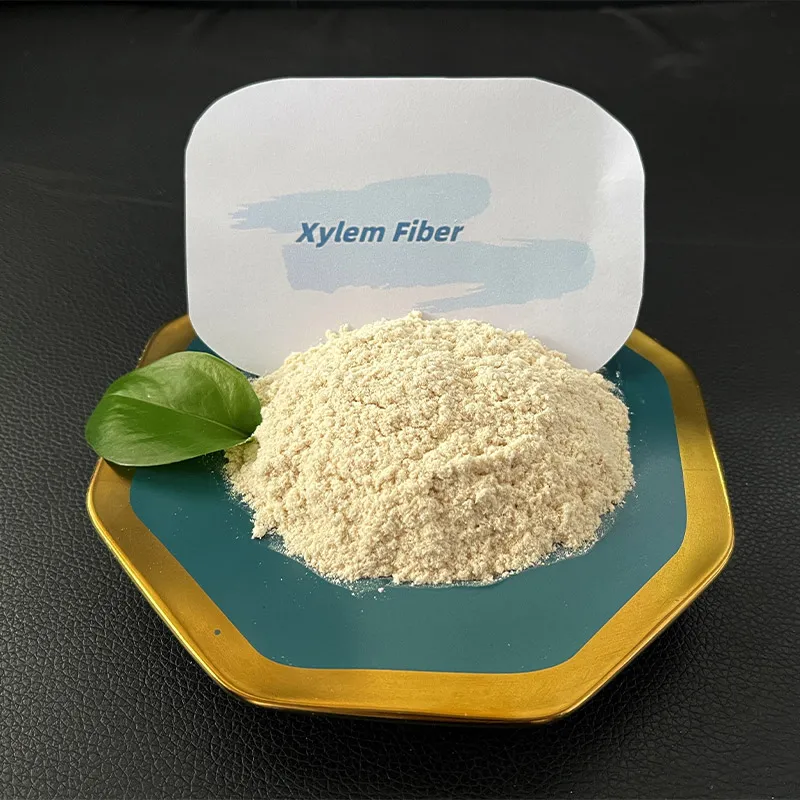
What’s driving the trend?
Two forces: decarbonization and performance. Brands want bio-based inputs, and specifiers want stable rheology and better crack control. In fact, many customers say wood cellulose stabilizes mixes with fewer surprises across seasonal temperature swings. There’s also the supply chain angle—Xylem Fiber is renewable, scalable, and doesn’t depend on petrochemical volatility.
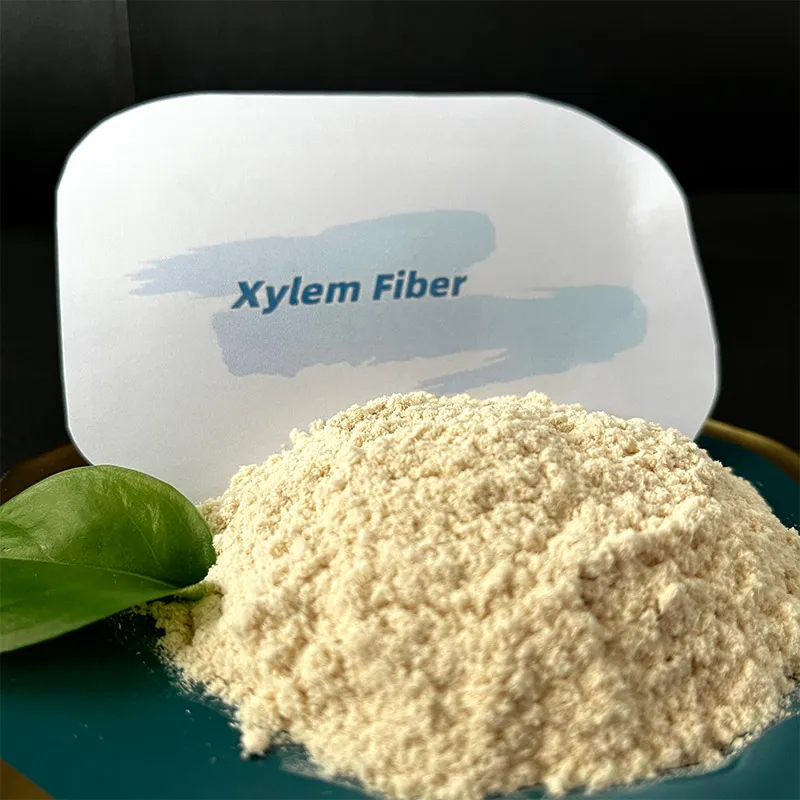
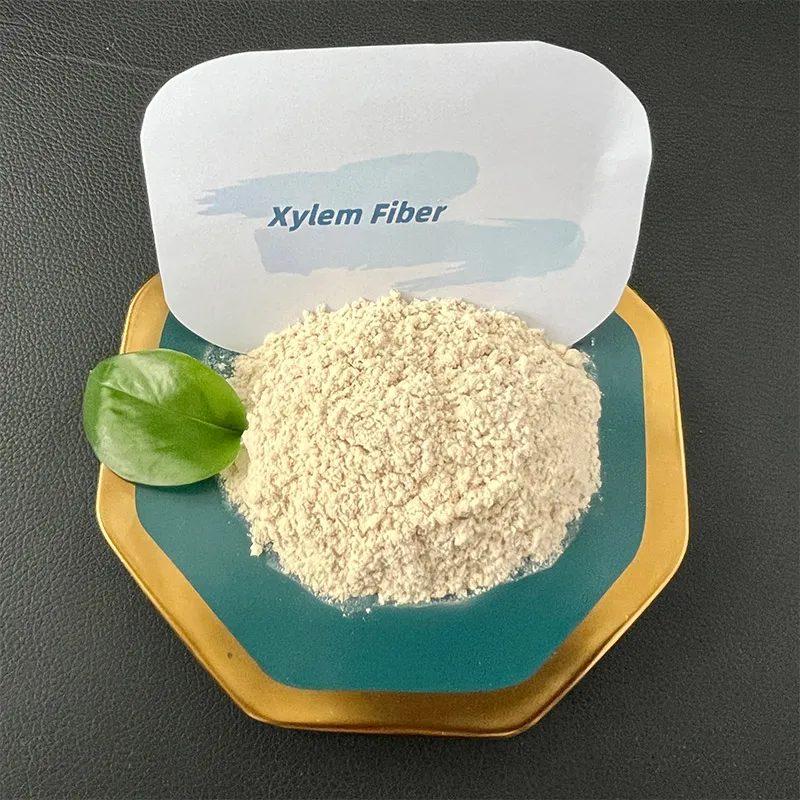
Product snapshot: Xylem Fiber
Origin: HeBei ShengShi HongBang Cellulose Technology CO., LTD, Room 1904, Building B, Wanda Office Building, JiaoYu Road, Xinji City, Hebei Province. I visited the region last year—solid industrial base, surprisingly smooth logistics.
| Spec | Xylem Fiber (typical) | Notes |
|---|---|---|
| Alpha-cellulose | ≥ 88% | TAPPI T203; batch-to-batch ≈ ±2% |
| Fiber length (weighted) | 200–800 μm | Custom cuts available |
| Moisture | 5–8% | Real-world use may vary with climate |
| Bulk density | 0.20–0.35 g/cm³ | Loose-fill |
| pH (10% slurry) | 6.0–7.5 | Neutral, helps in cementitious mixes |
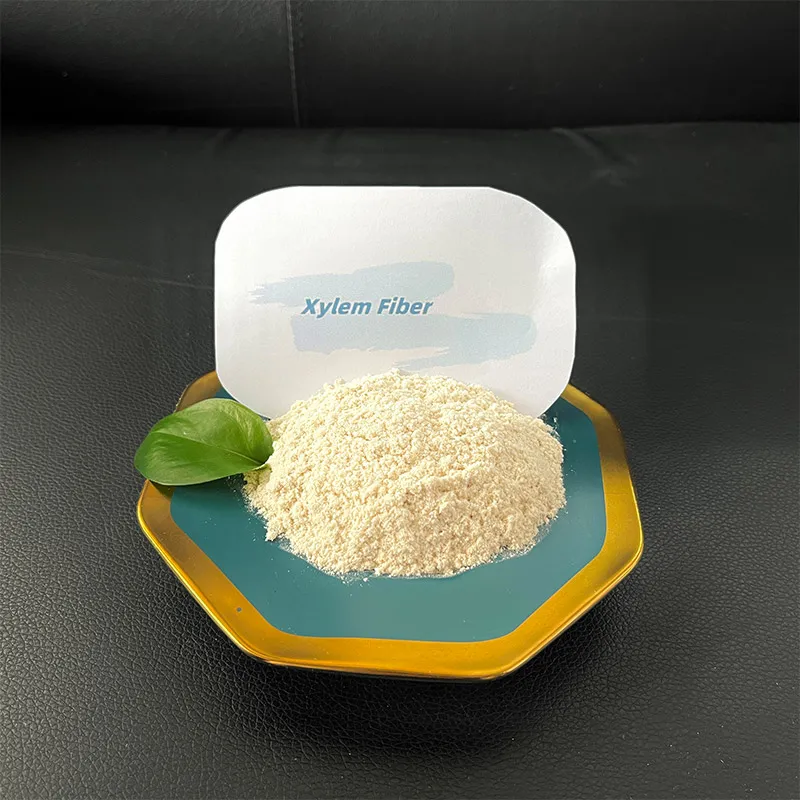
Process flow and testing
- Materials: sustainably sourced wood cellulose pulp (FSC/PEFC chain-of-custody)
- Methods: mechanical refining, fiber classification, low-temp drying, dedusting
- Key tests: TAPPI T203 alpha-cellulose; ISO 5267-1 freeness (SR); ISO 535 Cobb; ISO 1974 tear; ash/metal trace screening (ISO 17025 lab)
- Service life: asphalt 8–12 yrs contribution; cement render 10–20 yrs; filtration media depends on duty cycle
Sample data from a recent lot: SR 24–28; Cobb60 22–28 g/m²; tear index +6–9% vs control. Not record-breaking, but consistent. Consistency is everything.
Applications and advantages
- Asphalt SMA/OGFC: stabilizes bitumen, reduces drain-down; fewer rutting complaints
- Cementitious mortars: crack bridging, sag resistance, smoother trowel feel
- Paints/Coatings: rheology boost, better spatter control; plays well with latex systems
- Filtration/Absorbents: porosity tuning; surprisingly good fines retention
- Packaging and molded fiber: lightweighting with a bio-based story
Customization
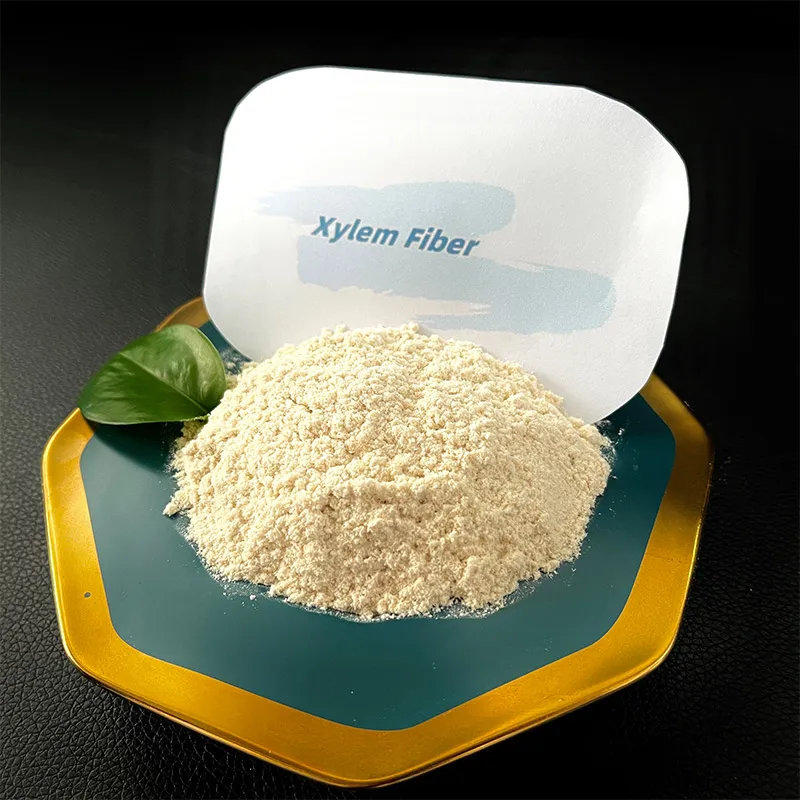
You can specify cut length distributions, moisture windows, and dust levels; food-contact variants are available on request, with ISO 9001/14001 and supplier FSC/PEFC paperwork attached. It seems that niche users appreciate pre-blended packages with mineral fillers to simplify dosing.
Vendor comparison (real-world feel)
| Vendor | Consistency | Customization | Certs | Lead time |
|---|---|---|---|---|
| Xylem Fiber (Hebei) | High (± small lot drift) | Wide: cuts, moisture, blends | ISO 9001/14001, FSC/PEFC | 2–4 weeks typical |
| Generic A (domestic) | Medium | Moderate | ISO 9001 | 1–3 weeks |
| Imported B (premium) | High | Narrow | ISO + niche food-contact | 4–8 weeks |
Field notes and case snippets
- OGFC highway, humid climate: wood cellulose cut drain-down by ~60% (ASTM D6390), rut depth down ~12% at 18 months.
- Gypsum skim coat: hairline cracking visibly reduced; panel tests showed +15% flexural at 28 days vs control.
- Waterborne satin paint: users reported “nicer roll-out” and fewer sags; KU viscosity held steady across a hot week—small win, big smiles.
Final thoughts
I guess the headline here is predictability. With wood cellulose like Xylem Fiber, you get a renewable backbone for mixes that don’t misbehave. Not glamorous—reliably effective. That’s usually what keeps projects on schedule.
Authoritative references
- TAPPI T203: Alpha-, beta-, and gamma-cellulose in pulp [1]
- ISO 5267-1: Pulp — Determination of drainability (Schopper-Riegler) [2]
- ISO 535: Paper and board — Determination of water absorptiveness (Cobb method) [3]
- FSC Chain of Custody Certification Guidance [4]
- PEFC Chain of Custody Standard [5]
- ISO 9001/14001 Management Systems for Quality and Environment [6]
- OECD 301: Ready Biodegradability Test Methods [7]
-
Industrial Guide to ГПМЦ целлюлоза High Performance CelluloseNewsApr.16,2026
-
Wood Cellulose Properties and Industrial Applications GuideNewsApr.09,2026
-
Does Wood Contain Cellulose A Detailed Exploration of its Composition and UsesNewsApr.07,2026
-
Understanding Wood Cellulose Meaning Applications and Future TrendsNewsApr.04,2026
-
Exploring the Potential of Wood Cellulose is wood cellulose a Sustainable MaterialNewsMar.31,2026
-
Exploring the Sustainability and Versatility of Cellulose Wood ChipsNewsMar.28,2026
-
Understanding Wood Pulp Cellulose A Comprehensive Guide to Properties and ApplicationsNewsMar.26,2026