-

Add: HeBei ShengShi HongBang Cellulose Technology CO.,LTD.
-

Email
13180486930@163.com -

CONTACT US
+86 13180486930
Starch Ether: Boost Dry Mortar & Tile Adhesive Performance?
starch ether,starch ether for dry mortar,starch ether price,starch ether uses,starch ether in tile adhesive is a key solution in the chemical industry industry, specifically within Specialty Chemicals and Building chemical additives. This article explores how HeBei ShengShi HongBang Cellulose Technology CO.,LTD. supports professionals with durable, high-performance products, and explains why this product is an ideal choice for businesses in these sectors.
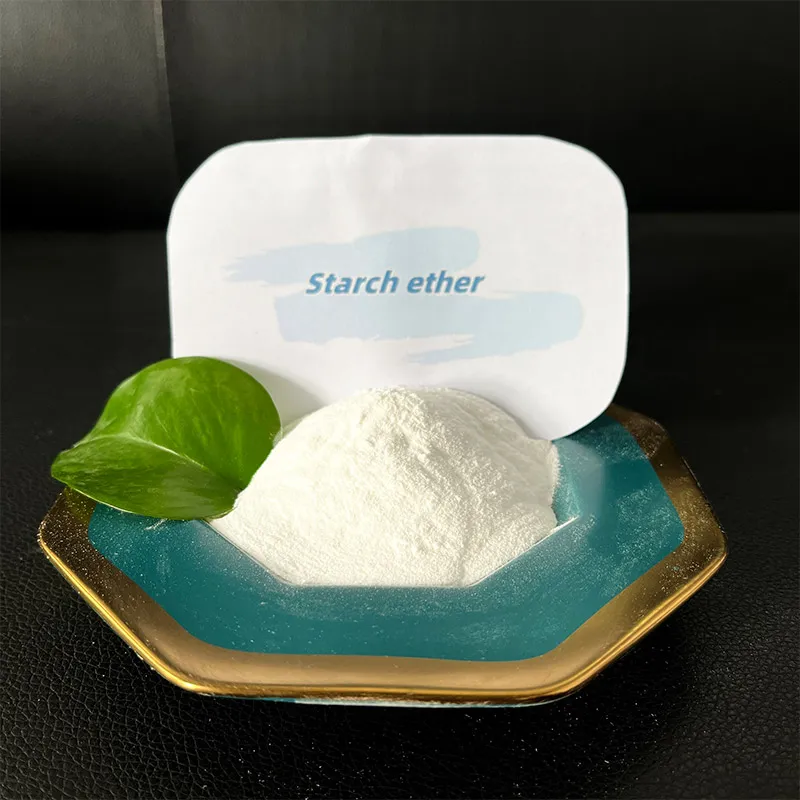
Table of Contents
- [starch ether,starch ether for dry mortar,starch ether price,starch ether uses,starch ether in tile adhesive] Overview
- Benefits & Use Cases of [starch ether,starch ether for dry mortar,starch ether price,starch ether uses,starch ether in tile adhesive] in Building chemical additives
- Cost, Maintenance & User Experience
- Sustainability & Market Trends in chemical industry
- Conclusion on [starch ether,starch ether for dry mortar,starch ether price,starch ether uses,starch ether in tile adhesive] from HeBei ShengShi HongBang Cellulose Technology CO.,LTD.
[starch ether,starch ether for dry mortar,starch ether price,starch ether uses,starch ether in tile adhesive] Overview
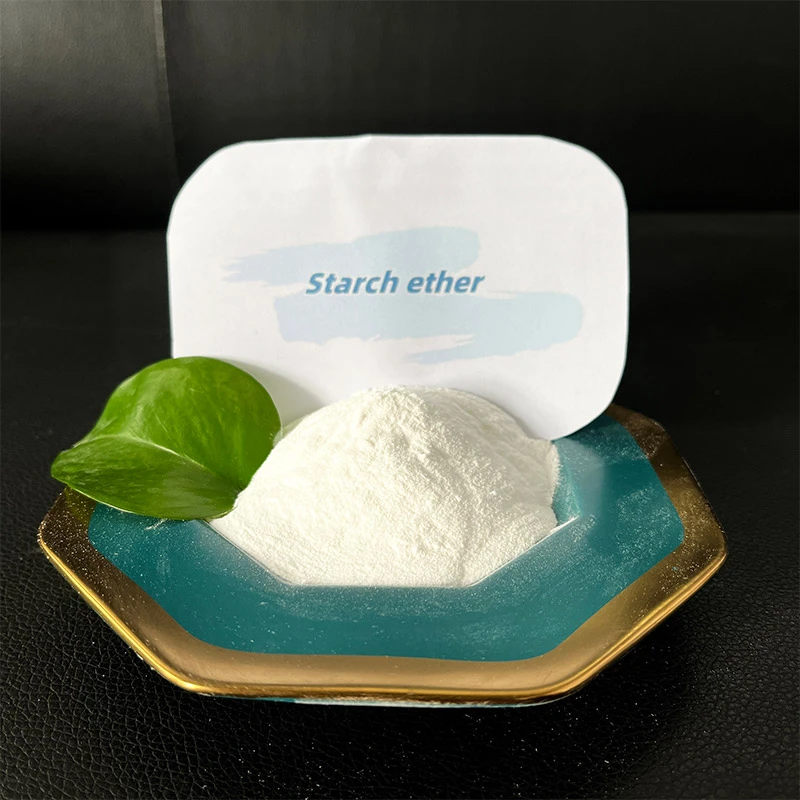
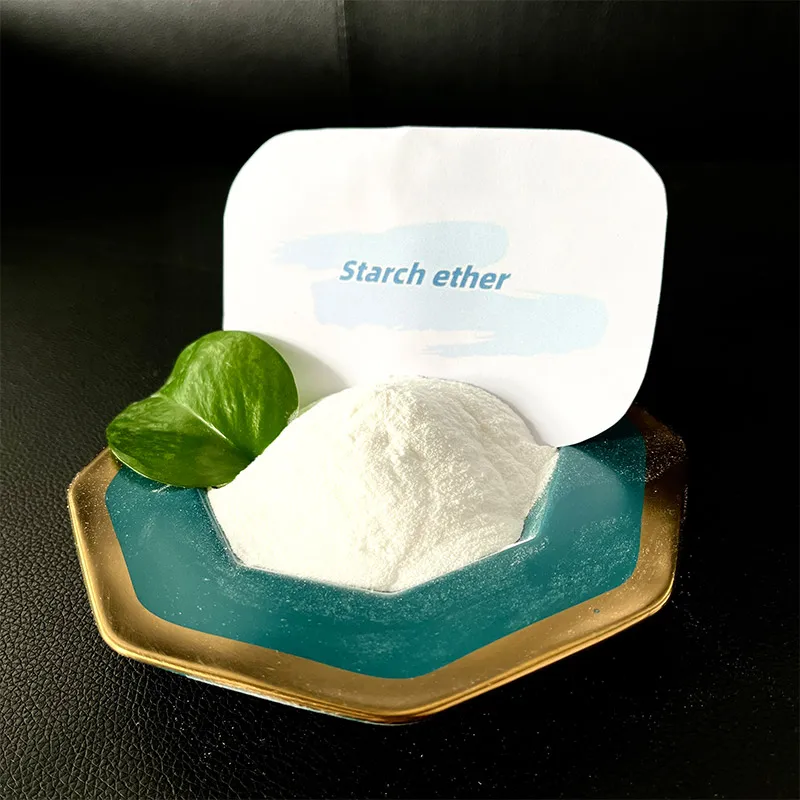
Starch ether is a plant-derived, surface-modified polymer designed to fine-tune rheology, water retention, and workability in dry-mix mortars. In Specialty Chemicals for Building chemical additives, it acts as a versatile co-thickener and slip-resistance enhancer, especially when used together with cellulose ethers such as HPMC. Typically supplied as a free-flowing white powder, starch ether disperses rapidly in dry formulations and develops pseudoplastic behavior: higher viscosity under low shear for anti-sagging, and easy flow under high shear for smooth troweling.
HeBei ShengShi HongBang Cellulose Technology CO.,LTD. engineers starch ether grades optimized for cement- and gypsum-based systems. Their materials are formulated for consistent particle size distribution, controlled moisture, and excellent compatibility with cements, fillers, and polymer binders. In practical use, typical addition levels range from 0.05% to 0.20% of total dry mix, depending on binder system, sand grading, and desired open time. Field results show reliable anti-slip performance in tile adhesives, improved finish in skim coats, and reduced stickiness during application—key benefits valued by B2B manufacturers standardizing global product portfolios.
Benefits & Use Cases of [starch ether,starch ether for dry mortar,starch ether price,starch ether uses,starch ether in tile adhesive] in Building chemical additives
For starch ether in tile adhesive, the primary gains are reduced tile slip, longer open time, and better trowel glide. In polymer-modified cementitious tile adhesives (C1/C2 classes), starch ether delivers a strong anti-sag profile at low dosages while maintaining workability and wet adhesion. Formulators also report cleaner ridges and improved wetting, aiding tile coverage and reducing rework on site.
Key starch ether uses across dry-mix systems include: gypsum and cement plasters (smoother finish, less stickiness), wall putties/skim coats (extended working time, improved spreadability), ETICS/EIFS basecoats (enhanced non-sag on verticals), and self-leveling underlayments (better anti-bleeding and stability without over-thickening at high shear). Compared with relying solely on cellulose ethers, starch ether for dry mortar brings a unique rheological profile that helps optimize total polymer cost while lifting application feel and surface quality.
HeBei ShengShi HongBang Cellulose Technology CO.,LTD. leverages deep formulation know-how to tailor grades that balance viscosity build, slump control, and compatibility with redispersible powders. Their technical team supports lab screening, pilot batching, and on-site adjustments so B2B decision makers can shorten development cycles and reach target specifications faster.
Cost, Maintenance & User Experience
When evaluating starch ether price, it’s best to consider total cost of ownership. Because effective dosage is typically below 0.2%, the impact per metric ton of finished dry mortar is modest, yet the performance lift—reduced sag, smoother troweling, and lower application effort—can materially reduce callbacks and on-site waste. Many formulators also optimize cellulose ether dosage after introducing starch ether, maintaining performance while lowering overall polymer cost.
From a maintenance standpoint, material handling is straightforward: keep sealed in dry conditions, avoid humidity pickup, and follow FIFO for consistent moisture balance. The powder integrates seamlessly in standard high-speed mixers used for dry-mix production. Shelf life is typically adequate for global supply chains when stored properly in original packaging.
User feedback from Specialty Chemicals partners highlights easier application on vertical substrates, more predictable open time across seasons, and a noticeable reduction in “draggy” feel during troweling. Production teams value batch-to-batch uniformity, enabling tighter QC windows and fewer formulation tweaks. Overall, the ROI manifests through fewer on-site issues, smoother production, and greater end-user satisfaction.
Sustainability & Market Trends in chemical industry
As a plant-based, low-VOC additive, starch ether aligns with the sector’s move toward safer, more sustainable building chemicals. It enables high-performance mortars without relying solely on higher polymer loadings, helping formulators hit targets for workability and anti-sag while managing embodied carbon and cost. It also supports compliance with evolving regulations aimed at minimizing emissions and improving indoor air quality.
Market momentum favors dry-mix systems due to construction productivity, consistency, and reduced jobsite variability. In this context, starch ether uses are expanding—from tile adhesives to gypsum plasters and façade systems—while demand remains sensitive to commodity swings that influence starch ether price (such as crop yields, energy, and logistics). HeBei ShengShi HongBang Cellulose Technology CO.,LTD. responds with supply resilience, technical substitution pathways, and close collaboration on local sourcing to stabilize formulations across regions.
Forward-thinking R&D at HeBei ShengShi HongBang Cellulose Technology CO.,LTD. focuses on next-generation rheology control—balancing slip resistance, open time, and trowelability for both cement and gypsum chemistries—so B2B decision makers can meet performance specs and sustainability targets in rapidly evolving codes and standards.
Conclusion on [starch ether,starch ether for dry mortar,starch ether price,starch ether uses,starch ether in tile adhesive] from HeBei ShengShi HongBang Cellulose Technology CO.,LTD.
For building chemical additives, starch ether delivers measurable value: superior anti-sag control, smoother application, and reliable open time across climates. Whether optimizing a new tile adhesive or refining a plaster, starch ether for dry mortar helps hit performance and cost targets while supporting sustainability goals. HeBei ShengShi HongBang Cellulose Technology CO.,LTD. stands out with consistent quality, technical support, and supply reliability.
Contact us: email: 13180486930@163.com
Visit our website: https://www.sshbhpmc.com
-
Industrial Guide to ГПМЦ целлюлоза High Performance CelluloseNewsApr.16,2026
-
Wood Cellulose Properties and Industrial Applications GuideNewsApr.09,2026
-
Does Wood Contain Cellulose A Detailed Exploration of its Composition and UsesNewsApr.07,2026
-
Understanding Wood Cellulose Meaning Applications and Future TrendsNewsApr.04,2026
-
Exploring the Potential of Wood Cellulose is wood cellulose a Sustainable MaterialNewsMar.31,2026
-
Exploring the Sustainability and Versatility of Cellulose Wood ChipsNewsMar.28,2026
-
Understanding Wood Pulp Cellulose A Comprehensive Guide to Properties and ApplicationsNewsMar.26,2026