-

Add: HeBei ShengShi HongBang Cellulose Technology CO.,LTD.
-

Email
13180486930@163.com -

CONTACT US
+86 13180486930


Add: HeBei ShengShi HongBang Cellulose Technology CO.,LTD.
CONTACT US
+86 13180486930
Selecting a reliable source for cellulose ethers often comes down to a balance between chemical purity and consistent viscosity. In the architectural sector, these additives are not merely fillers but are the primary agents controlling water retention and workability in cementitious mortars.
The technical shift toward sustainable building materials has pushed manufacturers to refine the production of Hydroxypropyl Methyl Cellulose (HPMC), focusing on reducing volatile organic compounds while maintaining high bonding strength. This evolution is critical for addressing long-term structural issues like hollowing and detachment in ceramic tile applications.
Understanding the operational standards of a professional hpmc factory allows procurement managers to mitigate risks associated with batch-to-batch inconsistency. This article examines the technical intersection of cellulose technology and modern construction adhesives.


Cellulose ethers, specifically HPMC, function as the "water management" system within a mortar. By inhibiting the rapid absorption of water into the substrate, they prevent premature drying, which is the primary cause of shrinkage cracks in plastering and tile bonding.
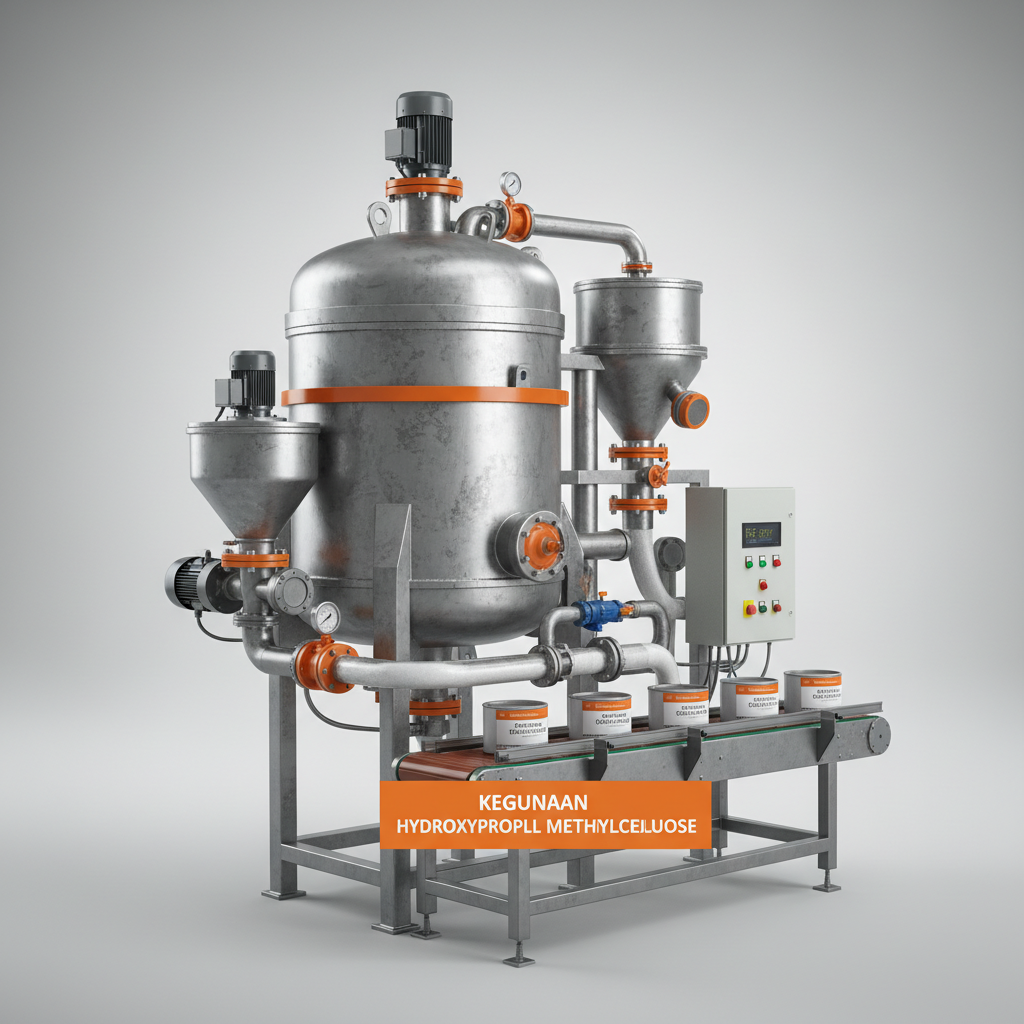
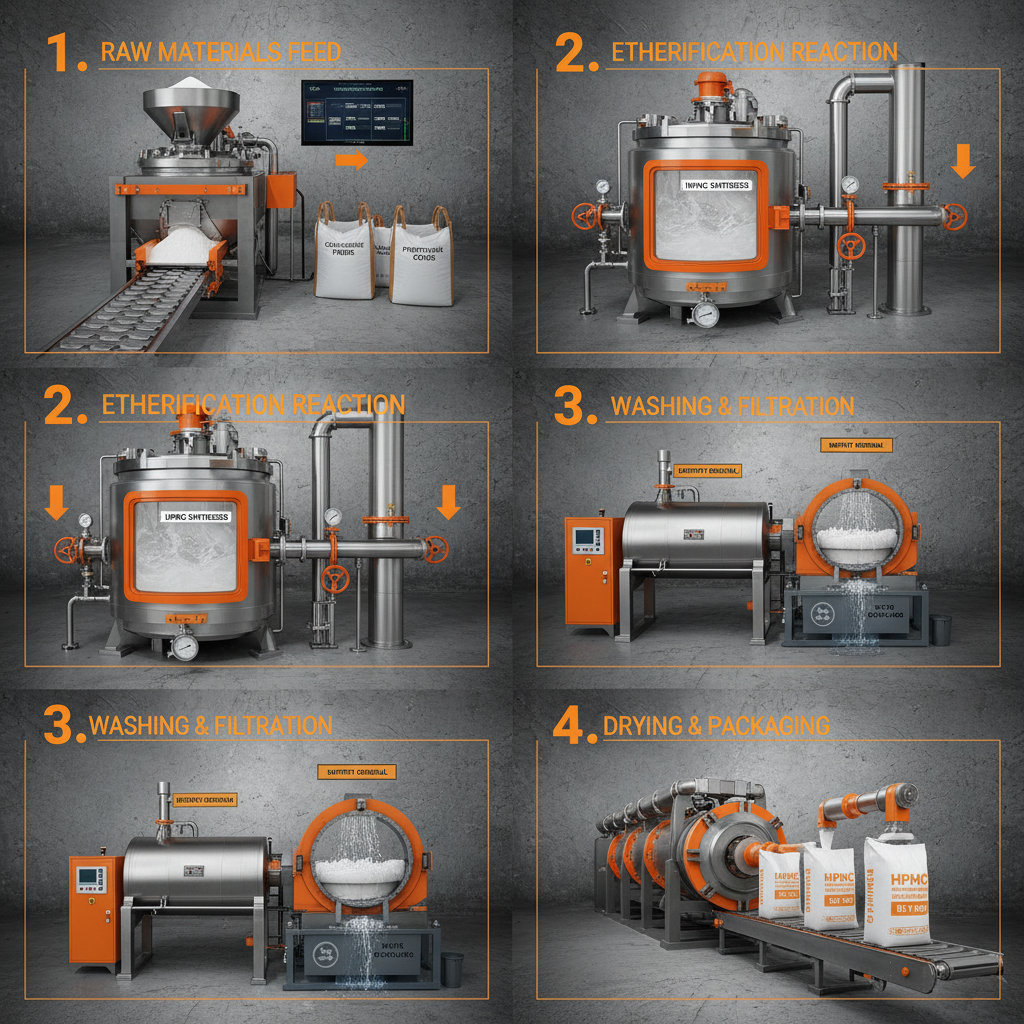
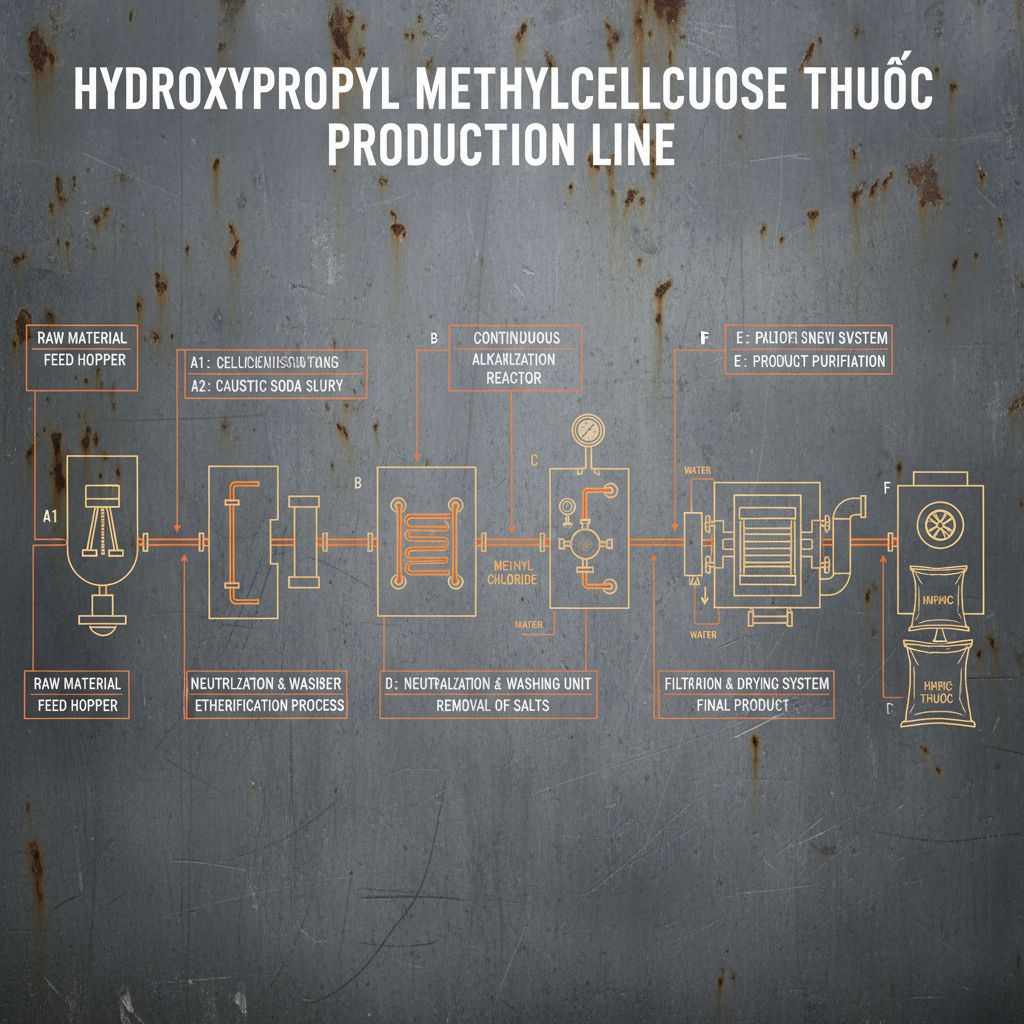
In a high-standard production environment, such as that of Hebei ShengShi HongBang Cellulose Technology CO.,LTD, the use of German horizontal kettle "one-step production processes" ensures that the polymer chain length is uniform, resulting in a 100% product quality rate that meets strict international construction standards.
The effectiveness of a tile adhesive depends on the synergistic interaction between the binder and the additive. For example, an advanced powder binder typically integrates high-quality cement and finely graded quartz sand to provide the structural skeleton, while a specially formulated polymer adhesive ensures the necessary elasticity.
To optimize this matrix, the addition of hydroxypropyl methylcellulose at a ratio of 1-2 kilograms per ton is essential. This precise dosage enhances the "open time" of the adhesive, allowing installers to adjust tiles without the mortar skinning over too quickly, thereby improving the overall bond strength.
The blending process requires precision mixing machinery to ensure that additives like VAE redispersible powder and HPMC are evenly distributed. Improper dispersion leads to "weak spots" in the adhesive layer, which can manifest as localized detachment or hollowing over time.
Common failures in architectural decoration—such as cracking, leakage, and tile detachment—are often the result of inadequate rheology control. When a mortar lacks sufficient water retention, the cement cannot hydrate fully, leading to a brittle structure.
The strategic integration of HPMC and polymer binders transforms a rigid cement paste into a flexible adhesive matrix capable of absorbing thermal expansion and contraction stresses.
By utilizing a refined formulation, professionals can effectively eliminate the "hollowing" effect. This is achieved by ensuring the adhesive maintains a consistent volume during the curing process, providing full contact between the ceramic tile and the substrate.
When assessing the quality of a binder, industry professionals look at specific performance indices: water retention, sag resistance, and open time. A high-performance additive should provide a balance where the mortar is fluid enough for easy application but stable enough to prevent the tiles from slipping.
The following relative assessment illustrates how different additive concentrations impact the operational characteristics of a standard cement-based adhesive system.
In a typical industrial setting, the versatility of the binder is paramount. For instance, by adjusting the water-to-powder ratio, users can tailor the consistency for different substrates—from highly absorbent concrete blocks to non-absorbent porcelain tiles. This adaptability is often compared to the convenience of instant preparations, significantly reducing labor time.
Furthermore, the integration of specialized additives like Rubber powder-821 allows for enhanced flexibility in areas prone to vibration or temperature fluctuations, making it a preferred choice for high-traffic commercial flooring where durability is non-negotiable.
The chemical construction industry is shifting toward "green" chemistry. Modern formulation standards now strictly prohibit the use of harmful substances such as free formaldehyde, benzene, toluene, and xylene. The goal is to eliminate Volatile Organic Compounds (VOCs) to ensure healthier indoor air quality.
This commitment to sustainability is reflected in the production of high-purity HPMC. By utilizing a clean chemical industry park environment and advanced filtration, manufacturers can produce cellulose ethers that are biodegradable and environmentally benign.
Architects and builders are increasingly specifying materials that meet these eco-friendly criteria, not only to comply with regulations but to meet the growing consumer demand for sustainable housing.
When evaluating a potential partner or hpmc factory, the focus should shift from price to stability. A supplier that can maintain consistent viscosity across thousands of tons is more valuable than one offering a lower entry price with variable quality.
Key evaluation factors include the production technology (e.g., one-step vs. multi-step processes) and the availability of comprehensive testing equipment. A factory that rejects traditional malicious adulteration and provides a one-stop service from production to after-sales is typically more reliable for large-scale projects.
The following table provides a comparative framework for evaluating different additive strategies based on specific project requirements.
| Project Requirement | Primary Additive | Key Technical Goal | Relative Suitability |
|---|---|---|---|
| High Absorbency Substrate | HPMC High Viscosity | Maximize Water Retention | Critical |
| Large Format Tiles | VAE / Polymer Powder | Increase Shear Strength | High |
| Exterior Facades | Rubber Powder-821 | Thermal Expansion Buffer | Essential |
| Rapid Installation | Low Viscosity HPMC | Optimize Flowability | Moderate |
| Eco-Certified Build | VOC-Free Cellulose | Indoor Air Quality | Mandatory |
| Budget Housing | Starch Ether Blend | Cost-Effective Thickening | Moderate |
Hydroxypropyl Methyl Cellulose (HPMC) is a non-ionic cellulose ether that provides superior water retention and thickening properties compared to basic ethers. In construction, it is specifically engineered to control the hydration rate of cement, preventing the mortar from drying too quickly, which ensures a stronger bond and reduces the risk of shrinkage cracks.
The open time refers to the period during which the adhesive remains tacky enough to bond with the tile. Increasing the HPMC dosage (typically between 1-2 kg per ton) increases the water-holding capacity of the mortar. This delays the evaporation of water, thereby extending the open time and allowing installers more flexibility for precise placement.
Focus on production consistency and technical transparency. A professional factory should utilize advanced equipment like horizontal kettles for a stable one-step process. Check for their capacity to provide a range of viscosities (e.g., 1-200,000 mPa.s) and their commitment to VOC-free formulations, as this ensures both structural performance and environmental compliance.
While Rubber Powder serves as an innovative binder composed of cement, quartz sand, and polymer adhesives, it performs best when combined with HPMC. The HPMC acts as a modifier that elevates the application qualities, providing the necessary fluidity and water retention that the base binder alone might lack in challenging environmental conditions.
Green certifications require materials with low or zero emissions of hazardous air pollutants. By using cellulose ethers produced without benzene, toluene, or free formaldehyde, manufacturers help projects reduce their overall VOC footprint. This contributes directly to the Indoor Environmental Quality (IEQ) credits required for such certifications.
Yes. In hot, arid climates, higher viscosity HPMC is often required to combat rapid water loss. Conversely, in humid environments, a different grade may be used to maintain workability. Professional factories offer customized production to align the product's rheological properties with the specific temperature and humidity profiles of the target market.
The transition toward high-precision chemical additives marks a significant turning point for the non-metallic mineral products industry. By moving away from generic fillers and embracing engineered solutions like HPMC and customized polymer binders, the construction sector can effectively eliminate chronic issues such as tile detachment and structural cracking.
Ultimately, the quality of a building's finish is only as reliable as the chemistry behind its adhesives. Partnering with a manufacturer that prioritizes technical stability and environmental safety ensures that modern architectural projects are not only aesthetically pleasing but structurally enduring and ecologically responsible.