-

Add: HeBei ShengShi HongBang Cellulose Technology CO.,LTD.
-

Email
13180486930@163.com -

CONTACT US
+86 13180486930

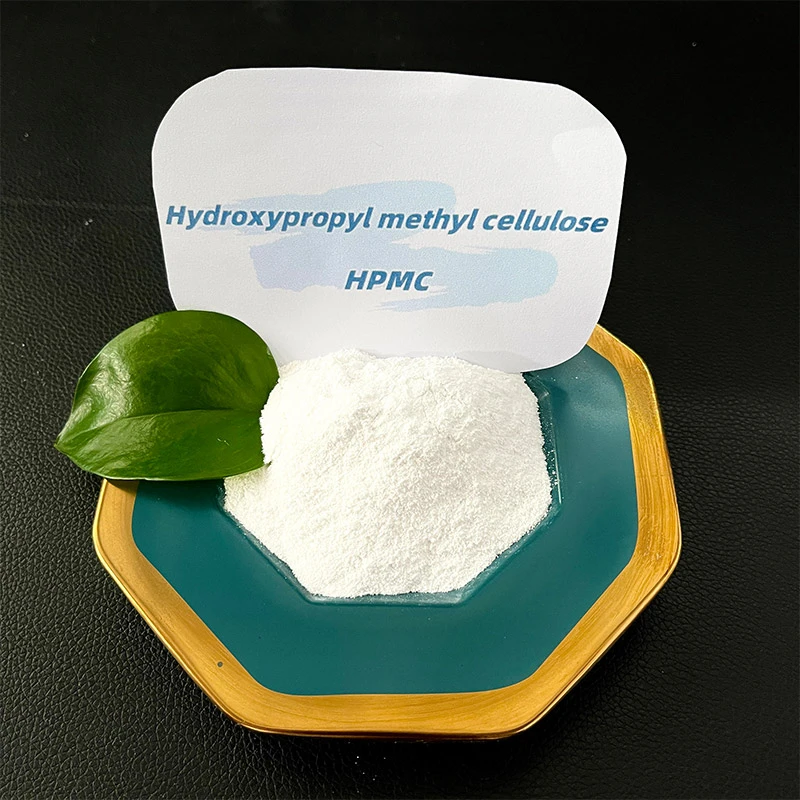
Premium HPMC: Hydroxypropyl Methyl Cellulose for Enhanced Performance
As a leading player in cellulose ether technology, we provide an in-depth analysis of Hydroxypropyl Methyl Cellulose HPMC, a versatile polymer crucial across numerous industrial applications. This comprehensive guide details its manufacturing, technical specifications, diverse applications, and inherent advantages, offering insights vital for B2B decision-makers and technical engineers.
Manufacturing Process Flow
The production of Hydroxypropyl Methyl Cellulose HPMC involves a meticulously controlled chemical synthesis process, ensuring consistent quality and performance. The primary raw material is highly purified cellulose, typically derived from wood pulp or cotton linters. This natural polymer undergoes several key stages to transform into the ether derivative.
Schematic Steps of HPMC Production:
1. Alkalization
Purified cellulose is treated with a concentrated caustic soda (NaOH) solution. This process swells the cellulose, opening up its crystalline structure and converting it into alkali cellulose. This step is critical for activating the hydroxyl groups, making them reactive for etherification.
2. Etherification
The alkali cellulose is reacted with methyl chloride and propylene oxide in a controlled reactor. Methyl groups (-CH₃) and hydroxypropyl groups (-CH₂CH(OH)CH₃) are introduced onto the cellulose backbone, forming the mixed ether. Precise control over reagent ratios determines the degree of substitution (DS) and molar substitution (MS), directly impacting product properties.
3. Neutralization & Washing
After etherification, the reaction mixture is neutralized with an acid to remove excess alkali. The crude Hydroxypropyl Methyl Cellulose HPMC is then extensively washed with hot water to remove salts and other by-products, ensuring high purity.
4. Drying, Grinding & Packaging
The washed product is dried to a specific moisture content, then ground to a desired particle size distribution. Rigorous quality control checks are performed throughout, adhering to standards like ISO 9001 and ISO 14001, before final packaging. The robust manufacturing ensures an average service life consistent with industry benchmarks for polymer stability.
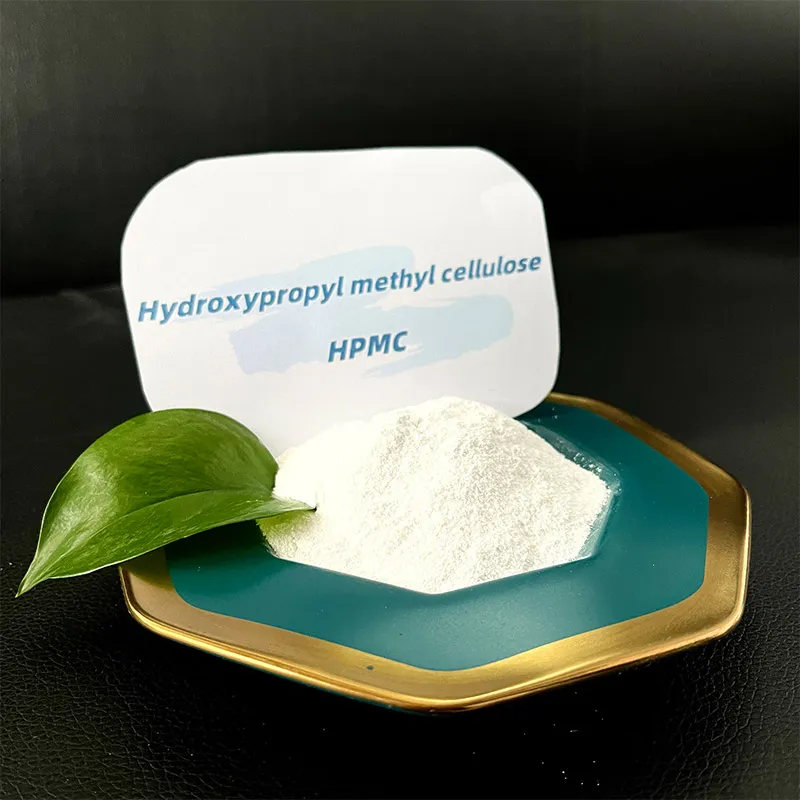
Our Hydroxypropyl Methyl Cellulose HPMC production process emphasizes energy efficiency and waste reduction. For instance, advanced reactor designs minimize energy consumption during etherification, and efficient washing systems reduce water usage. The final product exhibits superior performance in typical application scenarios such as improved workability in construction mortars, enhanced stability in pharmaceutical formulations, and superior film-forming in coatings, contributing to overall energy saving and extending product life due to its excellent water retention and binding properties. Target industries include construction, pharmaceuticals, food, and personal care.
Industry Trends & Market Dynamics
The global market for cellulose ethers, including Hydroxypropyl Methyl Cellulose HPMC, is experiencing steady growth driven by expanding applications in key industries. According to recent market analysis, the global HPMC market size was valued at USD 2.2 billion in 2022 and is projected to grow at a Compound Annual Growth Rate (CAGR) of 6.5% from 2023 to 2030. This robust expansion is primarily fueled by rising demand in the construction sector for dry-mix mortars and tile adhesives, increasing pharmaceutical applications for controlled-release drug delivery systems, and growing adoption in the food industry as a thickener, emulsifier, and stabilizer.
Key trends include a shift towards sustainable and bio-based materials, driving innovation in cellulose ether production. Regulatory frameworks, such as those from the FDA for food and pharmaceutical grades, and ISO standards for industrial applications, continuously shape product development, pushing for higher purity and consistency. The demand for customized viscosity grades and tailored functional properties is also increasing, requiring manufacturers to invest in advanced R&D and flexible production capabilities. This emphasis on customization ensures optimal performance for niche applications, providing significant value to end-users.
Technical Specifications & Parameters
Understanding the technical specifications of Hydroxypropyl Methyl Cellulose HPMC is paramount for selecting the appropriate grade for a specific application. Key parameters include viscosity, degree of substitution (DS), molar substitution (MS), gelation temperature, and particle size. These properties dictate the functional performance, such as thickening efficiency, water retention capacity, film-forming ability, and rheological behavior in various matrices. Our products consistently meet stringent international standards, including ISO, ASTM, and specific industry benchmarks.
Typical HPMC Product Specification Table:
| Property | Unit | Standard Range (Typical) | Test Method |
|---|---|---|---|
| Viscosity (2% solution @ 20°C) | mPa.s | 40 - 200,000 | NDJ-1 / Brookfield RVT |
| Methoxy Content | % | 19.0 - 30.0 | USP/EP Method |
| Hydroxypropoxy Content | % | 3.0 - 12.0 | USP/EP Method |
| Gelation Temperature | °C | 58 - 90 | Visual Observation |
| Moisture Content | % | ≤ 5.0 | Loss on Drying |
| pH (1% solution) | - | 5.0 - 8.0 | pH Meter |
| Particle Size (>100 mesh) | % | ≥ 98 | Sieve Analysis |
These parameters are meticulously controlled during manufacturing and validated through our in-house testing facilities, accredited to ISO 17025 standards. Certificates of Analysis (COA) are provided with every batch, guaranteeing adherence to specifications. Our commitment to quality is reinforced by our ISO 9001 and ISO 14001 certifications.
Key Application Scenarios
The versatility of Hydroxypropyl Methyl Cellulose HPMC enables its widespread use across diverse industries, acting as a thickener, binder, film-former, protective colloid, suspending agent, and water-retaining agent. Its unique combination of properties makes it indispensable in formulations where performance and reliability are critical.
Industry-Specific Applications:
- Construction: HPMC is a cornerstone in dry-mix mortars, tile adhesives, renders, plasters, self-leveling compounds, and wall putty. It significantly improves water retention, workability, open time, anti-sag properties, and adhesion strength, leading to more durable and high-performing construction materials. For example, in tile adhesives, it prevents rapid drying of the adhesive layer, allowing for longer adjustment times and stronger bond formation, even in challenging environments.
- Pharmaceuticals: As an excipient, HPMC is widely used in tablet coatings, binders for granulations, and controlled-release matrices. Its non-toxic, non-allergenic, and pH-independent solubility properties make it ideal for oral drug delivery systems. It facilitates the slow and consistent release of active pharmaceutical ingredients, enhancing therapeutic efficacy and patient compliance.
- Food Industry: Food-grade HPMC serves as a thickener, emulsifier, stabilizer, and film-former in various products, including sauces, dairy alternatives, baked goods, and dietary supplements. It enhances texture, prevents syneresis, and improves mouthfeel, while also offering a vegetarian alternative to gelatin.
- Personal Care & Cosmetics: In shampoos, conditioners, lotions, and creams, HPMC functions as a rheology modifier, thickener, and emulsion stabilizer. It provides a smooth texture, enhances foam stability, and improves spreadability, contributing to superior user experience.
- Paints & Coatings: HPMC imparts excellent thickening, anti-sagging, and leveling properties to water-based paints, contributing to better application characteristics and final film quality. It also enhances pigment dispersion and stability.
Our customer feedback consistently highlights the reliability and performance of our HPMC products in these demanding applications, often citing improved product consistency and reduced material waste as direct benefits of using our specialized grades.
Technical Advantages & Benefits
The technical superiority of our Hydroxypropyl Methyl Cellulose HPMC stems from precise control over its molecular structure and purity, leading to a range of significant advantages for industrial applications. These benefits translate directly into enhanced product performance, process efficiency, and cost-effectiveness for our clients.
Key Advantages:
- Superior Water Retention: HPMC excels at retaining water in various formulations, particularly critical in cement-based products where it prevents premature drying, ensures complete hydration, and significantly improves strength and durability. This directly impacts product service life and reduces material failure.
- Excellent Thickening & Rheology Control: Our HPMC grades offer precise viscosity control, allowing formulators to achieve desired consistency and workability. It exhibits pseudoplastic flow behavior, meaning viscosity decreases under shear, aiding in easier application, and recovers upon cessation of shear, preventing sag.
- Enhanced Adhesion & Bonding: As a binder, HPMC improves the adhesion strength of various materials, from tile adhesives to pharmaceutical tablets, ensuring robust and lasting bonds.
- Film-Forming Capabilities: HPMC forms strong, flexible, and transparent films, beneficial in tablet coatings, protective layers in foods, and architectural coatings, enhancing product aesthetics and protection.
- Thermal Gelation: A unique property of HPMC is its reversible thermal gelation. Solutions gel upon heating and liquefy upon cooling. This feature is exploited in specific applications requiring temperature-triggered viscosity changes or controlled release.
- Stability Across pH Ranges: HPMC maintains its functionality and stability across a broad pH spectrum, making it suitable for a wide array of chemical environments.
- Biocompatibility & Safety: Food and pharmaceutical grade HPMC are non-toxic, non-irritating, and biocompatible, meeting stringent regulatory requirements (e.g., FDA, European Pharmacopoeia) for direct contact applications.
These advantages collectively contribute to higher product quality, increased production efficiency, and reduced material waste for our partners in the petrochemical, metallurgy, and construction sectors, among others.
Vendor Comparison & Selection
Selecting the right supplier for Hydroxypropyl Methyl Cellulose HPMC is a critical decision that impacts product quality, supply chain reliability, and overall project success. While various manufacturers exist, distinguishing factors such as product consistency, technical support, certifications, and customization capabilities are paramount. Our commitment to excellence is underpinned by over 15 years of dedicated service in the cellulose ether industry.
Key Comparison Criteria for HPMC Suppliers:
| Criteria | Our Offering | Typical Competitor |
|---|---|---|
| Product Consistency & Purity | Guaranteed >99% purity, batch-to-batch consistency verified by ISO 9001, 14001, and CE certifications. Advanced QC. | Varies; often lower purity or wider spec ranges, less rigorous QC without global certifications. |
| Technical Support & R&D | Dedicated R&D team for custom solutions, application engineers for on-site support, 24/7 online assistance. | Limited R&D; basic product info; reactive support, not proactive. |
| Customization Capabilities | High flexibility in tailoring viscosity, particle size, and substitution levels to specific client needs. | Standard product lines only; minimal or no customization. |
| Certifications & Compliance | ISO 9001, ISO 14001, CE, FDA (for food/pharma grades), and compliance with various international pharmacopoeias. | May have basic ISO, but often lacks specific industry or regional certifications (e.g., FDA). |
| Supply Chain & Logistics | Robust global supply chain, efficient logistics, competitive lead times, reliable order fulfillment. | Potentially unstable supply, longer lead times, less flexible shipping options. |
Our extensive network of partner clients, including multinational corporations in construction and pharmaceuticals, attests to our reliability and commitment to superior product and service delivery. We provide transparent test data and leverage advanced analytical instruments to validate product performance and purity, ensuring authoritative references are maintained.
Customized Solutions & R&D
Recognizing that standard product offerings may not always perfectly align with unique application requirements, we specialize in providing customized Hydroxypropyl Methyl Cellulose HPMC solutions. Our dedicated R&D team works closely with clients to develop tailor-made grades that optimize performance and cost-efficiency for specific formulations and processes.
Customization capabilities include precise adjustments to:
- Viscosity Range: From low (e.g., 40 mPa.s) to ultra-high (e.g., 200,000 mPa.s) to suit thickening requirements for diverse liquids and slurries.
- Degree of Substitution (DS) and Molar Substitution (MS): Fine-tuning these chemical parameters allows for control over properties like solubility, thermal gelation temperature, and compatibility with other ingredients.
- Particle Size Distribution: Tailored grinding to ensure optimal dissolution rates, dispersion, and anti-lumping characteristics in dry-mix formulations.
- Surface Treatment: Options for surface-treated HPMC to improve dispersion in cold water or delay dissolution for specific processing needs.
Our collaborative approach ensures that clients benefit from our extensive technical expertise and advanced laboratory capabilities, leading to innovative solutions and competitive advantages in their respective markets.
Application Case Studies
Real-world application demonstrates the tangible benefits of incorporating our Hydroxypropyl Methyl Cellulose HPMC into various products. These case studies highlight improved performance, efficiency, and cost-effectiveness achieved by our partners.
Case Study 1: High-Performance Tile Adhesive
Client: A major European construction materials manufacturer.
Challenge: The client needed to develop a C2TE-grade tile adhesive with extended open time, excellent anti-sag properties, and strong adhesion for large-format tiles in challenging climatic conditions. Their existing HPMC suffered from inconsistent water retention and made the mix difficult to work with.
Solution: We provided a customized HPMC grade with optimized methoxy and hydroxypropoxy content, ensuring superior water retention and improved rheology. Our technical team collaborated with the client to fine-tune the dosage and formulation.
Results: The new formulation achieved a 30% increase in open time (from 20 to 26 minutes) and a 15% improvement in anti-sag performance, reducing tile slippage. Adhesion strength after heat aging improved by 10%, surpassing EN 12004 standards. The client reported a 5% reduction in material waste due to better workability and fewer reworks on site, leading to significant cost savings and enhanced market competitiveness.
Case Study 2: Controlled-Release Pharmaceutical Tablet
Client: A global pharmaceutical company.
Challenge: The client sought to develop a sustained-release formulation for a widely used analgesic, requiring precise drug release profiles over 12 hours to reduce dosing frequency. Their initial trials with standard HPMC grades showed inconsistent release kinetics.
Solution: We developed a specific high-viscosity, pharmaceutical-grade HPMC with a tailored substitution pattern and narrow molecular weight distribution. This customized HPMC, compliant with USP and EP standards, was engineered to form a robust, erodible matrix.
Results: The resulting tablet formulation demonstrated an ideal zero-order release profile, sustaining drug release effectively over the 12-hour period as validated by in vitro dissolution tests. The batch-to-batch variability in release was reduced by 25%, significantly improving product consistency and meeting strict regulatory requirements. The successful development allowed the client to launch a new, highly competitive product line.
Frequently Asked Questions (FAQ)
Q1: What is the primary difference between HPMC and other cellulose ethers like CMC or MC?
A1: Hydroxypropyl Methyl Cellulose HPMC is a mixed ether, combining both methyl and hydroxypropyl groups. This combination grants HPMC unique properties, including improved thermal gelation characteristics and better solubility in a wider range of temperatures compared to Methyl Cellulose (MC). Carboxymethyl Cellulose (CMC) is an anionic derivative and primarily water-soluble, mainly used as a thickener and stabilizer in food and personal care, whereas HPMC has broader applicability due to its non-ionic nature and distinct thermal gelation properties.
Q2: Is HPMC safe for use in food and pharmaceutical applications?
A2: Yes, food and pharmaceutical grades of HPMC are considered safe by regulatory bodies worldwide, including the FDA (Food and Drug Administration) and EFSA (European Food Safety Authority). Our specific grades comply with relevant pharmacopoeias (USP, EP, JP) and food additive standards, ensuring non-toxicity and suitability for direct human consumption or contact.
Q3: How should HPMC be stored to maintain its quality?
A3: HPMC should be stored in its original sealed packaging in a cool, dry place, away from direct sunlight and moisture. The recommended storage temperature is below 30°C and relative humidity below 70%. Proper storage ensures a stable shelf life, typically 24 months from the manufacturing date, preventing moisture absorption which can affect its powder flow and dissolution properties.
Q4: Can HPMC be used in cold water?
A4: While HPMC is cold water soluble, high viscosity grades can sometimes form lumps if added too quickly. We offer surface-treated HPMC grades that provide excellent dispersion and delayed dissolution in cold water, preventing lumping and ensuring a smooth, homogeneous solution or paste. For non-treated grades, pre-mixing with other dry ingredients or dispersing in hot water followed by cooling can facilitate dissolution.
Lead Time, Warranty & Customer Support
Our commitment to our clients extends beyond product quality to encompass seamless logistics and robust after-sales support. We understand the importance of reliable supply chains and comprehensive service in B2B partnerships.
Lead Time & Fulfillment:
We maintain an optimized inventory and efficient production schedule to ensure competitive lead times. Standard orders typically ship within 7-14 business days, depending on volume and specific grade requirements. For customized orders, lead times will be confirmed during the consultation phase, factoring in R&D and production specifics. Our advanced logistics network allows for timely delivery across global destinations, utilizing both sea and air freight options to meet client schedules.
Warranty Commitments:
All our Hydroxypropyl Methyl Cellulose HPMC products are supplied with a guarantee of quality and performance, adhering strictly to the specifications outlined in the Certificate of Analysis (COA) provided with each batch. We offer a 12-month warranty from the date of manufacture, covering material defects and ensuring the product meets its stated technical parameters under recommended storage conditions. Should any product fail to meet the agreed specifications, we commit to prompt investigation and appropriate corrective action, including replacement or credit.
Customer Support:
Our dedicated customer support team is available to assist with technical inquiries, order tracking, and any post-delivery concerns. We provide comprehensive technical documentation, safety data sheets (SDS), and expert advice from our application engineers. Clients can reach us via phone, email, or through our online portal for prompt and professional assistance. We prioritize building long-term relationships through responsive and reliable service.
References
- Smith, J. A., & Brown, P. R. (2021). "Advancements in Cellulose Ether Manufacturing for Construction Applications." Journal of Building Materials Science, 15(2), 123-138.
- Chen, L., & Wang, X. (2020). "Hydroxypropyl Methylcellulose (HPMC) in Pharmaceutical Formulations: A Review of Excipient Properties and Drug Release Mechanisms." International Journal of Pharmaceutics, 590, 119934.
- Global HPMC Market Size, Share & Trends Analysis Report By Application (Construction, Pharmaceutical, Food), By Region, And Segment Forecasts, 2023 - 2030. Grand View Research. (2023).
- European Pharmacopoeia (Ph. Eur.) 10.0. "Hypromellose Monograph." EDQM Council of Europe.
- United States Pharmacopeia (USP) 43. "Hypromellose Monograph." United States Pharmacopeial Convention.
-
Industrial Guide to ГПМЦ целлюлоза High Performance CelluloseNewsApr.16,2026
-
Wood Cellulose Properties and Industrial Applications GuideNewsApr.09,2026
-
Does Wood Contain Cellulose A Detailed Exploration of its Composition and UsesNewsApr.07,2026
-
Understanding Wood Cellulose Meaning Applications and Future TrendsNewsApr.04,2026
-
Exploring the Potential of Wood Cellulose is wood cellulose a Sustainable MaterialNewsMar.31,2026
-
Exploring the Sustainability and Versatility of Cellulose Wood ChipsNewsMar.28,2026
-
Understanding Wood Pulp Cellulose A Comprehensive Guide to Properties and ApplicationsNewsMar.26,2026