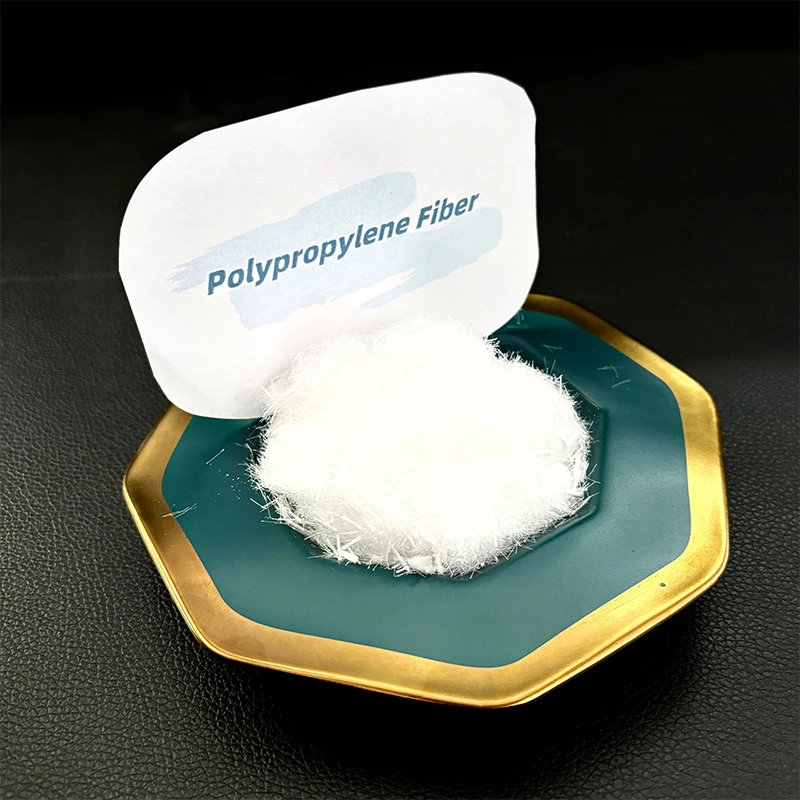
-

Add: HeBei ShengShi HongBang Cellulose Technology CO.,LTD.
-

Email
13180486930@163.com -

CONTACT US
+86 13180486930
Polypropylene Fiber for Concrete—Anti-Crack, Durable
Polypropylene Fiber for Concrete: what’s working on real job sites in 2025
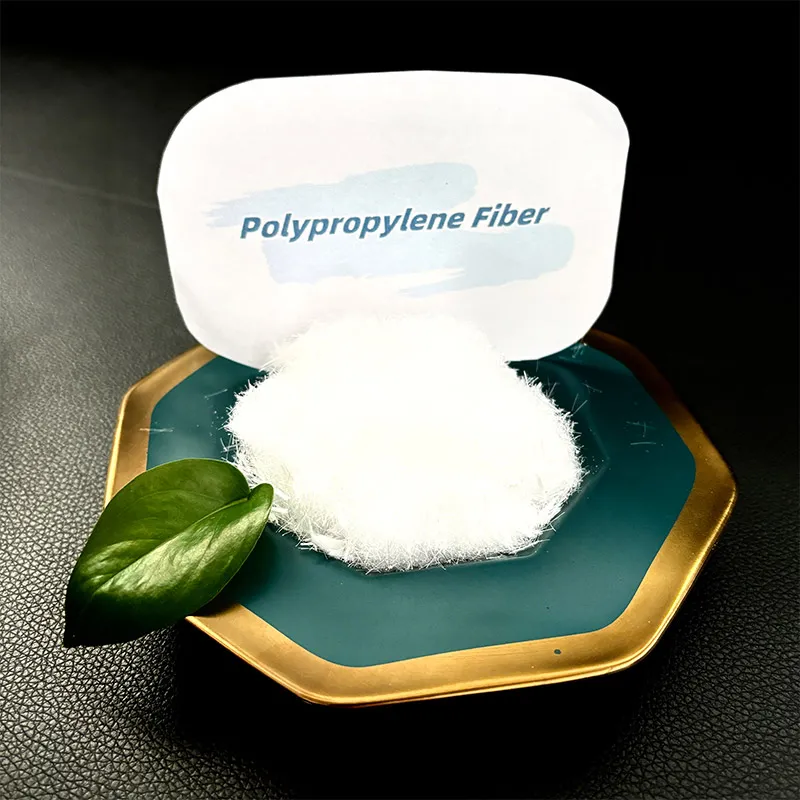
I’ve been in and around concrete plants long enough to know a small additive can change the whole story. Case in point: polypropylene fiber. It’s not flashy, but it quietly fixes the headaches—plastic shrinkage, spalling, impact damage—that keep project managers up at night.
What’s trending (and why it matters)
Specifiers are moving from steel mesh to polypropylene fiber in slabs-on-ground, precast panels, and tunnel shotcrete. Frankly, it’s the maintenance math: fewer early-age cracks and no corrosion pathway. Many contractors tell me finishability has improved with the right dosage and mix water control—yes, technique still matters.
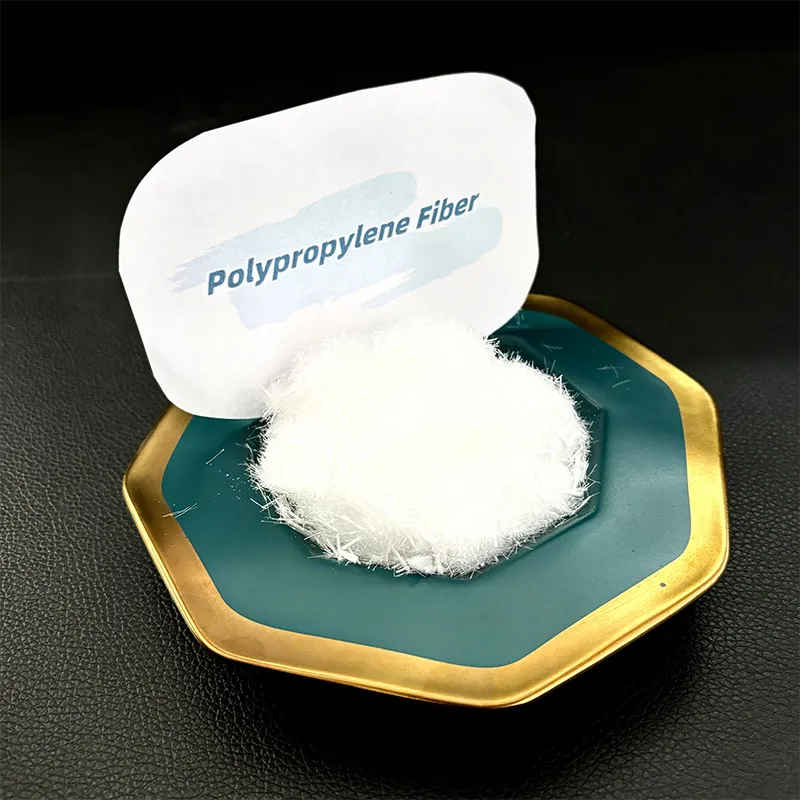
Core specs (field-proven, lab-checked)
| Parameter | Typical Value (≈ / around) |
|---|---|
| Polymer grade | Isotactic PP, high-crystallinity |
| Fiber type / cut length | Monofilament, 6 / 12 / 19 mm (custom on request) |
| Diameter (denier) | ≈ 18–40 μm (≈ 1.5–6 dtex) |
| Density | ≈ 0.91 g/cm³ (floats in water) |
| Tensile strength / Modulus | ≈ 350–650 MPa / 3.5–10 GPa |
| Melting point | ≈ 160–165°C |
| Recommended dosage | 0.6–1.2 kg/m³ (real-world use may vary) |
Testing standards followed: ASTM C1116, EN 14889-2, ACI 544 guidance; fiber tensile via ASTM D3822; plastic shrinkage per ASTM C1579. In practical mixes, we’ve seen plastic-shrinkage crack area drop ≈70–90% versus control, and rebound in dry-mix shotcrete reduced by around 10–15% when finishing practice is consistent.
How it’s made (quick process flow)
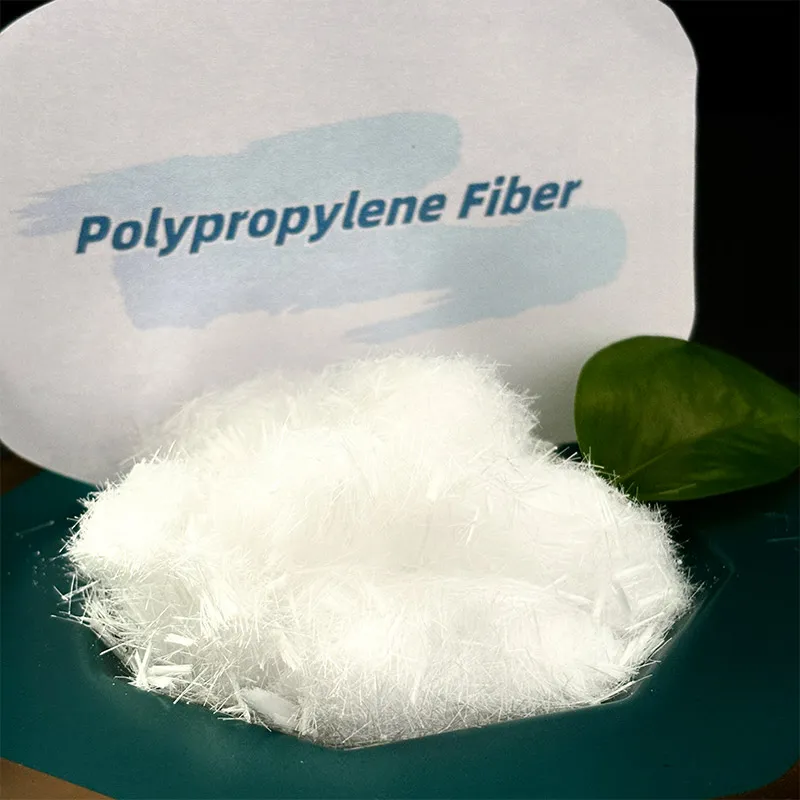
polypropylene fiber starts with virgin PP pellets—melt-spun, hot-drawn for strength, precision-cut, then surface-treated for dispersion. QC checkpoints include linear density, length tolerance (±0.5 mm typical), alkali resistance in saturated Ca(OH)₂, and clump-dispersion tests in cement slurries. Service life? In concrete’s alkaline pore solution, PP is stable; we estimate ≥50-year performance in typical structural environments, assuming sound cover and mix design.
Where it shines
- Industrial floors and warehousing slabs: fewer early cracks, better impact resistance.
- Tunnel and slope shotcrete: toughness, reduced rebound, safer application.
- Precast panels, pipes, blocks: micro-crack control during demold and transport.
- Pavement overlays and toppings: improved durability; no rust risk.
- Coastal and wastewater structures: chemical inertness is a quiet win.
Customers say finishing is “surprisingly smooth” when fibers are added last and mixed for 3–5 minutes. To be honest, overdosing can fuzz the surface—so stay within the spec unless you’re targeting high-toughness applications.
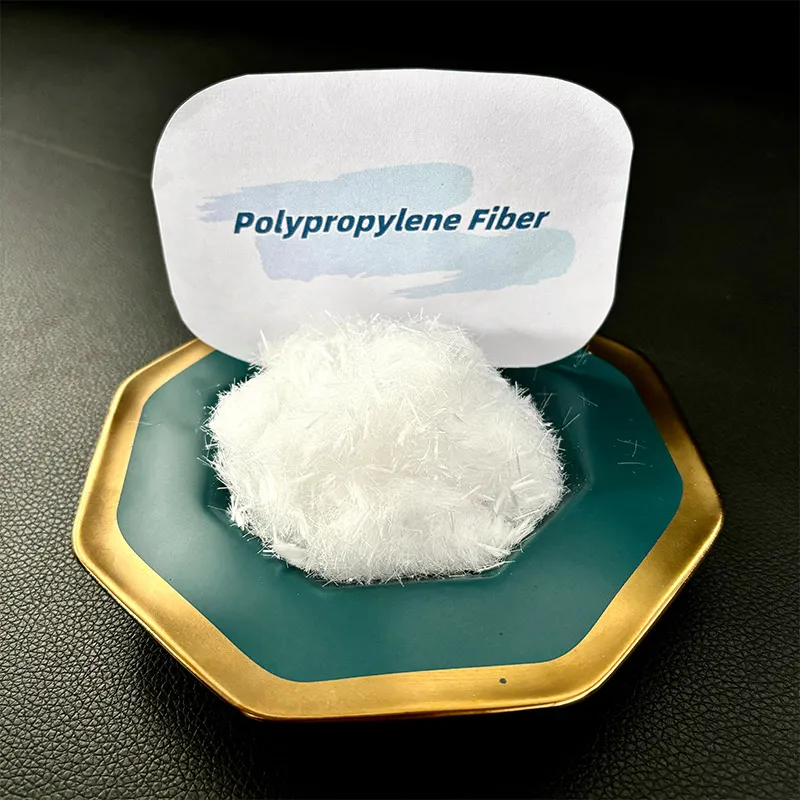
Vendor snapshot (what to look for)
| Vendor | Certs | Consistency (CV%) | Customization | Lead time |
|---|---|---|---|---|
| HeBei ShengShi HongBang | ISO 9001; EN 14889-2 conformity | ≈ Low (good) | Length/denier/color; private label | ≈ 7–12 days |
| General trader | Varies | Medium | Limited | ≈ 2–4 weeks |
| Low-cost OEM | Often none | High (variable) | Minimal | Uncertain |
Customization and logistics
Options for polypropylene fiber: 3–24 mm cut, 1.5–8 dtex, embossed or plain surface, natural or colored, water-soluble bags for batching, with mix design support. Origin: HeBei ShengShi HongBang Cellulose Technology CO., LTD, Room 1904, Building B, Wanda Office Building, JiaoYu Road, Xinji City, Hebei Province.
Real projects (short notes)
- 20,000 m² logistics floor, North China: 0.9 kg/m³ polypropylene fiber, saw-cut joints at 6 m; plastic crack area down ≈80% vs control.
- Metro shotcrete, 12 km segment: 1.0 kg/m³; rebound reduced ≈12%, surface scaling complaints basically disappeared.
- Coastal pier patching: 12 mm fiber at 0.6 kg/m³; freeze–thaw mass loss improved ≈20% after 300 cycles (lab validation; site conditions vary).
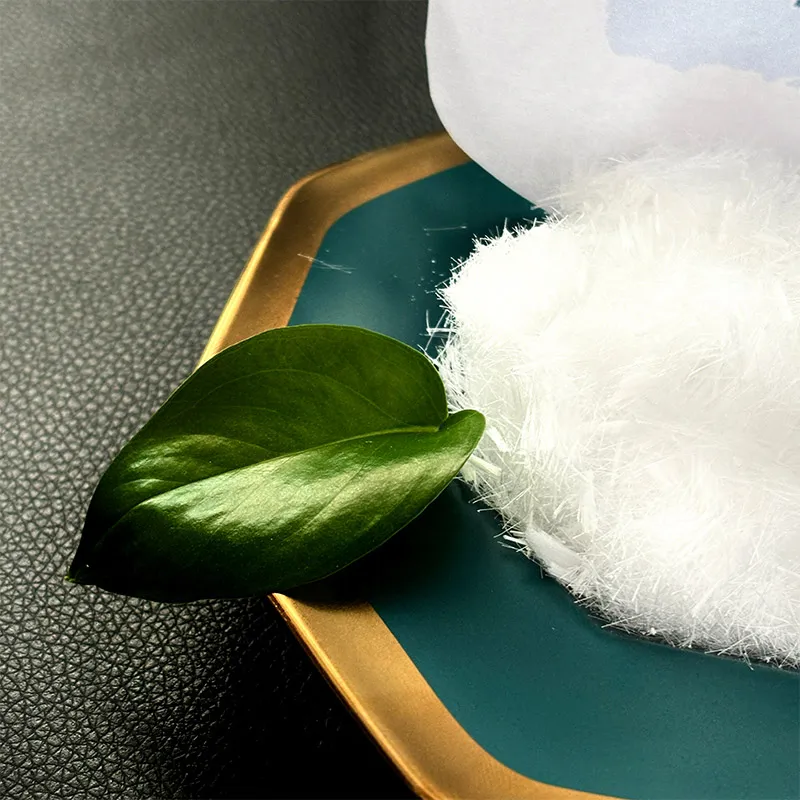
Note: Always verify compatibility with your cement, aggregates, admixtures, and placement method. Mock-ups save pain later—trust me.
Authoritative references
- ASTM C1116/C1116M – Standard Specification for Fiber-Reinforced Concrete
- EN 14889-2 – Fibres for concrete: Polymer fibres
- ACI 544.1R & ACI 544.4R – Reports/Guide on Fiber-Reinforced Concrete
- ASTM C1579 – Evaluating Plastic Shrinkage Cracking of Restrained FRC
- ISO 9001:2015 – Quality management systems (manufacturing QA)
-
Industrial Guide to ГПМЦ целлюлоза High Performance CelluloseNewsApr.16,2026
-
Wood Cellulose Properties and Industrial Applications GuideNewsApr.09,2026
-
Does Wood Contain Cellulose A Detailed Exploration of its Composition and UsesNewsApr.07,2026
-
Understanding Wood Cellulose Meaning Applications and Future TrendsNewsApr.04,2026
-
Exploring the Potential of Wood Cellulose is wood cellulose a Sustainable MaterialNewsMar.31,2026
-
Exploring the Sustainability and Versatility of Cellulose Wood ChipsNewsMar.28,2026
-
Understanding Wood Pulp Cellulose A Comprehensive Guide to Properties and ApplicationsNewsMar.26,2026