-

Add: HeBei ShengShi HongBang Cellulose Technology CO.,LTD.
-

Email
13180486930@163.com -

CONTACT US
+86 13180486930
Is Cellulose Wood Fiber a Sustainable and Versatile Material Solution
Is Cellulose Wood Fiber a Sustainable Solution? A Deep Dive
Cellulose wood fiber is gaining traction as a versatile and eco-friendly material across various industries. From packaging to construction, its sustainable properties are attracting attention. This article will explore the benefits, applications, and manufacturing processes of cellulose wood fiber, providing a comprehensive overview for businesses and environmentally conscious consumers. Understanding its potential is crucial for making informed decisions about material choices and contributing to a more sustainable future.
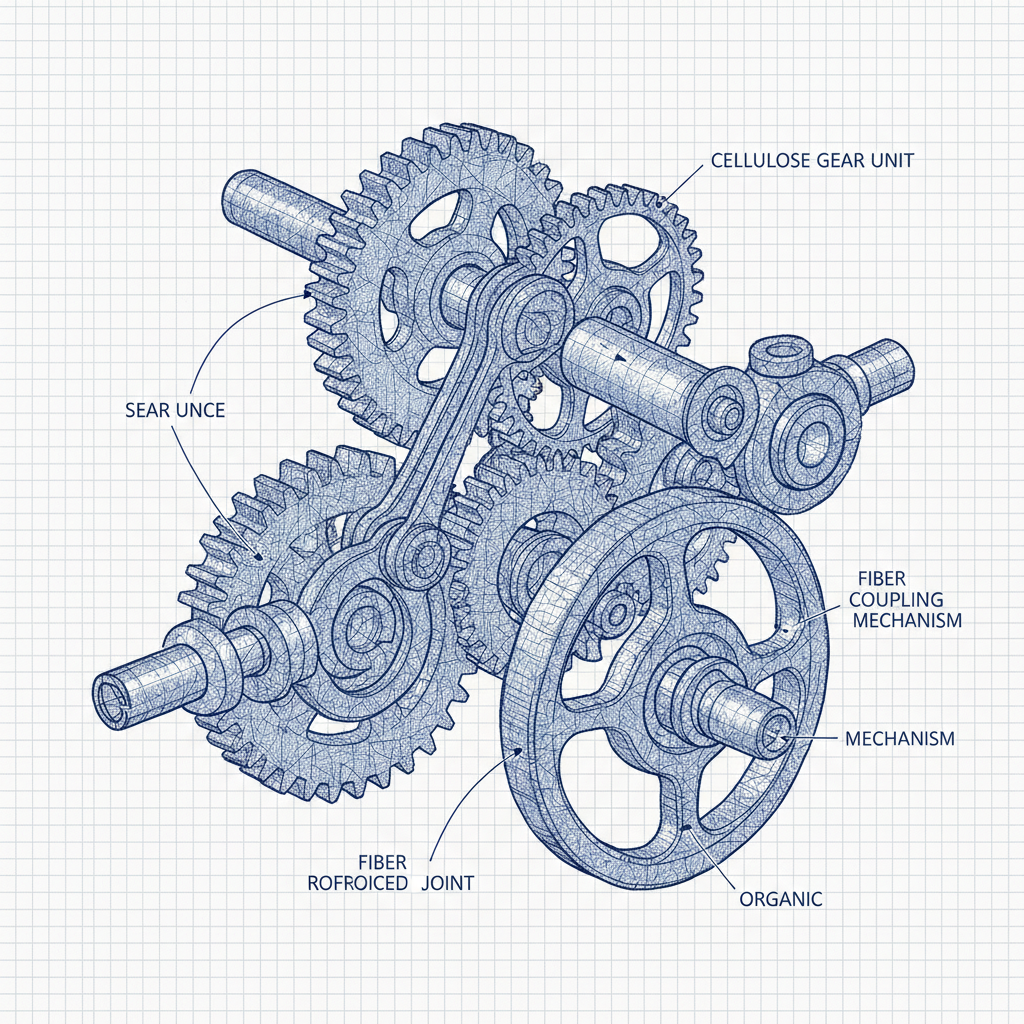
What is Cellulose Wood Fiber?
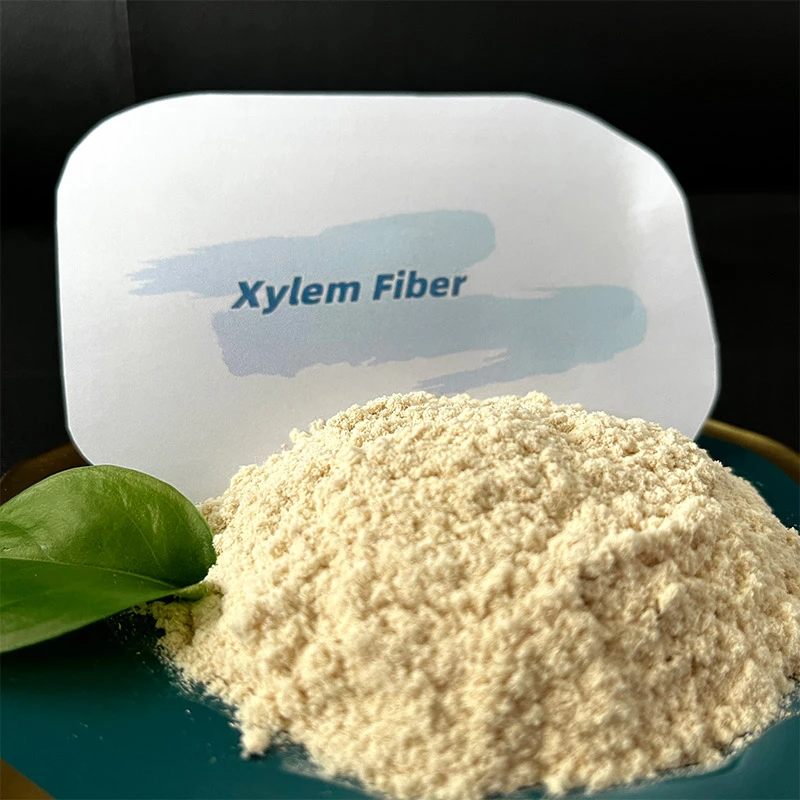
Cellulose wood fiber (CWF) is a natural polymer derived from wood pulp. It's essentially purified cellulose, the main structural component of plant cell walls. Unlike traditional wood products, CWF is processed to isolate and refine the cellulose fibers, creating a versatile material with unique properties. The manufacturing process typically involves mechanical or chemical pulping, followed by bleaching and purification. This results in a lightweight, strong, and highly absorbent material suitable for a wide range of applications. SSHBHPMC specializes in producing high-quality cellulose wood fiber for diverse industrial needs.
Key Highlights: CWF is a renewable, biodegradable, and compostable material, making it an environmentally responsible alternative to many conventional materials.
The Benefits of Using Cellulose Wood Fiber
The advantages of utilizing cellulose wood fiber are numerous. Firstly, it's a highly sustainable resource, derived from responsibly managed forests. Secondly, CWF is biodegradable and compostable, reducing landfill waste. Compared to plastics, it has a significantly lower carbon footprint during production. Furthermore, CWF boasts excellent absorbent properties, making it ideal for applications like spill control and absorbent pads. Its lightweight nature also reduces transportation costs and energy consumption. The material can be easily molded and shaped, offering design flexibility. Explore the range of CWF products offered by SSHBHPMC.
Sustainability Advantages:
• Renewable resource from managed forests
• Biodegradable and compostable
• Lower carbon footprint than plastics
• Reduces landfill waste
Cellulose Wood Fiber vs. Other Materials: A Comparative Look
When considering material choices, comparing CWF to alternatives is essential. While plastics offer versatility, they pose significant environmental challenges due to their non-biodegradability and reliance on fossil fuels. Cotton, while natural, requires substantial water and land resources for cultivation. CWF offers a compelling balance, providing similar performance characteristics with a far smaller environmental impact. Compared to synthetic fibers, CWF is a renewable and sustainable option. SSHBHPMC’s cellulose wood fiber stands out for its purity and consistent quality.
Applications of Cellulose Wood Fiber
The versatility of cellulose wood fiber shines through its diverse applications. It's commonly used in packaging as a cushioning and void-fill material, offering a sustainable alternative to plastic bubble wrap. In the construction industry, CWF is incorporated into insulation materials, providing thermal and acoustic properties. It's also found in absorbent products like spill control pads, diapers, and feminine hygiene products. Furthermore, CWF is used as a thickening agent in paints and coatings, and as a filler in composite materials. The possibilities are continuously expanding as researchers discover new ways to harness its unique properties.
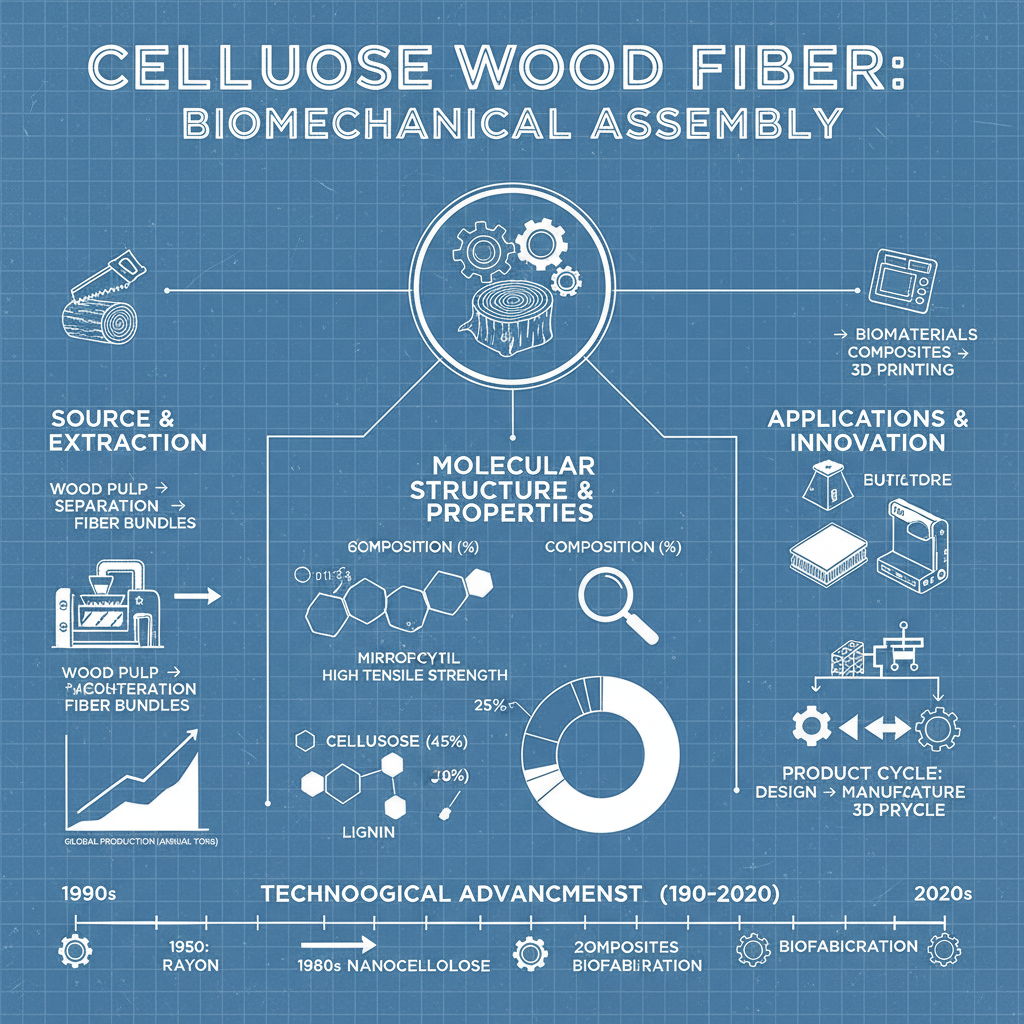
Future Trends and Innovations in Cellulose Wood Fiber Technology
Research and development efforts are focused on enhancing the properties of CWF and expanding its applications. Nanocellulose, a refined form of CWF, is gaining attention for its exceptional strength and unique characteristics. It's being explored for use in advanced materials, biomedical applications, and electronics. Innovations in processing techniques are also improving the efficiency and sustainability of CWF production. As the demand for eco-friendly materials grows, cellulose wood fiber is poised to play an increasingly significant role in shaping a more sustainable future. SSHBHPMC is committed to driving these innovations.
Conclusion: Embracing a Sustainable Future with Cellulose Wood Fiber
Cellulose wood fiber represents a promising path toward a more sustainable future. Its renewable nature, biodegradability, and versatile properties make it an attractive alternative to conventional materials. By embracing CWF, businesses and consumers can contribute to a circular economy and reduce their environmental impact. Learn more about the sustainable solutions offered by SSHBHPMC.
Frequently Asked Questions (FAQs)
Is cellulose wood fiber truly biodegradable?
Yes, cellulose wood fiber is fully biodegradable under composting conditions. It breaks down naturally into harmless components, returning to the environment without leaving behind harmful residues. The biodegradation process is influenced by factors like temperature, moisture, and the presence of microorganisms. Industrial composting facilities provide optimal conditions for rapid degradation, but CWF can also decompose in home compost piles, although the process may take longer.
Where does the wood for cellulose wood fiber come from?
The wood used for CWF production typically comes from sustainably managed forests, often utilizing by-products from the pulp and paper industry. This ensures that the raw material is sourced responsibly and doesn't contribute to deforestation. SSHBHPMC prioritizes sourcing wood from certified sustainable forests that adhere to strict environmental standards.
What are the main applications of cellulose wood fiber?
CWF has a wide range of applications, including packaging (void fill, cushioning), absorbent products (spill control, hygiene products), construction materials (insulation), and as a component in composite materials. It's also used as a thickening agent in paints and coatings. The ongoing research continues to reveal new and innovative uses for this versatile material.
Is cellulose wood fiber more expensive than traditional materials?
The cost of CWF can vary depending on the grade and quantity purchased. While it may sometimes be slightly more expensive than some conventional materials like plastic, the long-term benefits – including its sustainability, biodegradability, and potential for cost savings in waste management – often outweigh the initial cost difference. Contact SSHBHPMC for a detailed price quote and a cost-benefit analysis.
-
Industrial Guide to ГПМЦ целлюлоза High Performance CelluloseNewsApr.16,2026
-
Wood Cellulose Properties and Industrial Applications GuideNewsApr.09,2026
-
Does Wood Contain Cellulose A Detailed Exploration of its Composition and UsesNewsApr.07,2026
-
Understanding Wood Cellulose Meaning Applications and Future TrendsNewsApr.04,2026
-
Exploring the Potential of Wood Cellulose is wood cellulose a Sustainable MaterialNewsMar.31,2026
-
Exploring the Sustainability and Versatility of Cellulose Wood ChipsNewsMar.28,2026
-
Understanding Wood Pulp Cellulose A Comprehensive Guide to Properties and ApplicationsNewsMar.26,2026