-

Add: HeBei ShengShi HongBang Cellulose Technology CO.,LTD.
-

Email
13180486930@163.com -

CONTACT US
+86 13180486930

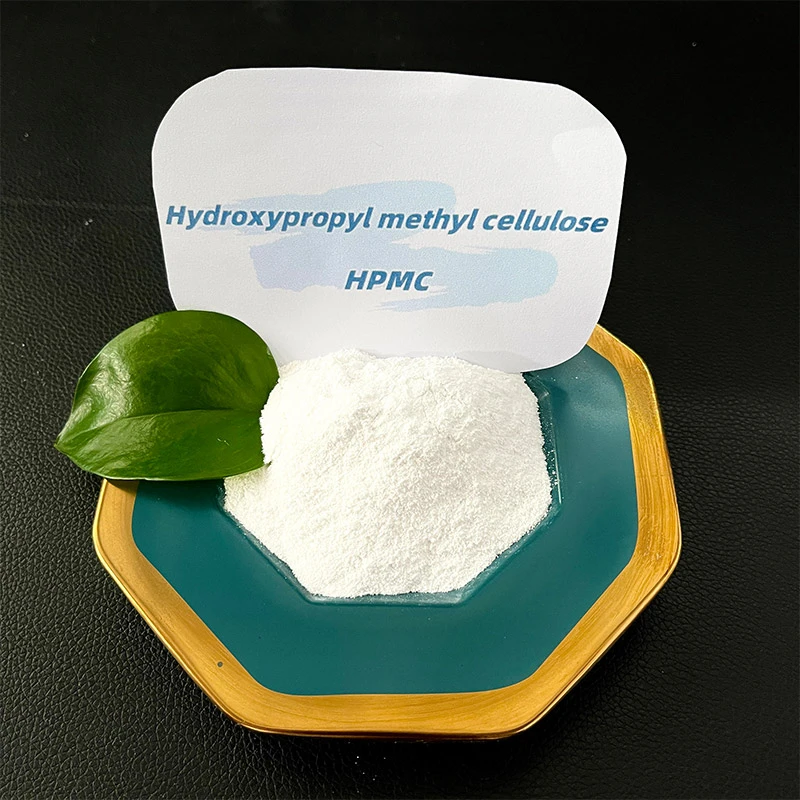
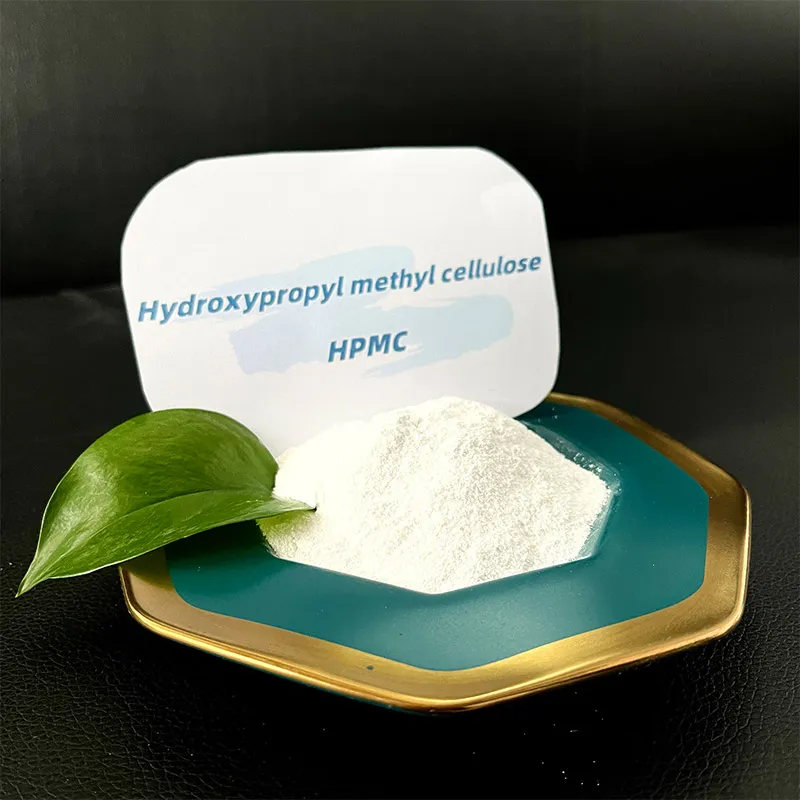
Hydroxypropyl Methyl Cellulose HPMC—High Water Retention?
What I’m Seeing in Hydroxypropyl Methyl Cellulose Right Now
If you work in dry-mix mortars, pharma tablets, or even detergent pods, you’ve probably bumped into Hydroxypropyl Methyl Cellulose HPMC more than once. It’s a non-ionic cellulose ether—yes, derived from natural cellulose—and it keeps getting more attention as the “quiet” performance enhancer in countless formulations. Honestly, adoption is accelerating across construction chemicals and high-viscosity personal care because of supply stability and cost-to-value. Many customers say the workability gains are immediate; I tend to agree.
Origin and who’s behind it
From HeBei ShengShi HongBang Cellulose Technology CO., LTD (Room 1904, Building B, Wanda Office Building, JiaoYu Road, Xinji City, Hebei Province). I’ve toured similar facilities; the process is rigorous and surprisingly clean. Their pitch is consistent rheology, tight particle size control, and fast redispersion in cement-alkali environments.
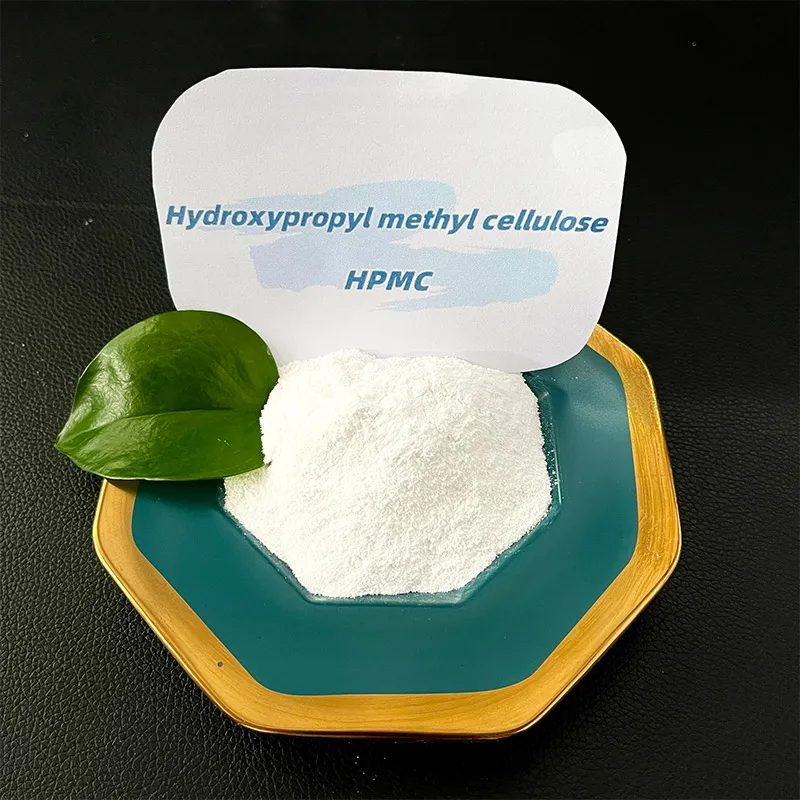
How it’s made (short version, no fluff)
- Materials: refined cotton, NaOH (alkalization), methyl chloride (MC), propylene oxide (PO), purified water.
- Method flow: alkalization → etherification (MC+PO) → neutralization → washing to remove salts → drying → milling → sieving → packaging.
- QA/testing: viscosity (Brookfield, 2% w/w, 20°C), methoxyl/hydroxypropyl content, moisture, pH, ash, sieve residue, gel temperature.
- Service life: ≈24 months in dry, sealed bags; avoid >30°C and humidity. Real-world use may vary.
- Industries: tile adhesive, EIFS/ETICS, gypsum putty, self-leveling; tablets (binder), ophthalmics, toothpaste; shampoos, detergents, coatings.
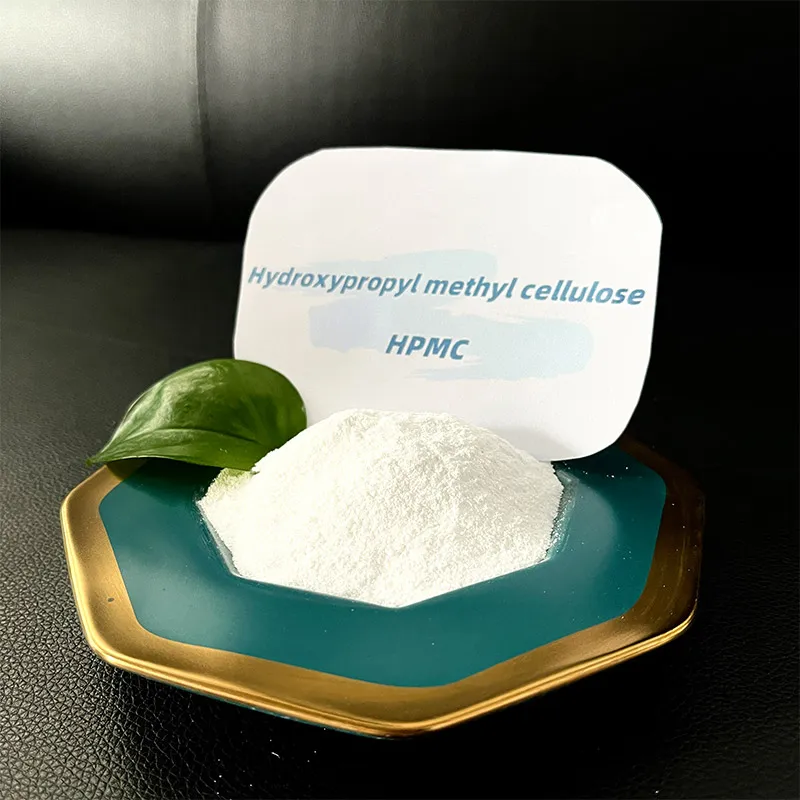
Product specifications (typical)
| Parameter | Spec (≈) |
|---|---|
| Viscosity (2% w/w, 20°C) | 400–200,000 mPa·s (multiple grades) |
| Methoxyl (DS) | 19–24% |
| Hydroxypropyl (MS) | 4–12% |
| Moisture | ≤5% |
| pH (1% sol.) | 6.0–8.5 |
| Gel temperature | 60–75°C |
| Sieve residue (100 mesh) | ≤1% |
| Bulk density | 0.30–0.50 g/cm³ |
Note: measured by Brookfield LV, spindle/time per internal SOP; actual plant results vary with salts and mixing energy.
Why formulators pick it
- Water retention and open time in cement systems (EN 12004 tile standards).
- Anti-sag, better trowelability; smoother edges on putties.
- Tablet binding/film formation meeting USP/Ph. Eur. monographs.
- Electrolyte tolerance; stable viscosity in laundry detergents—surprisingly robust.
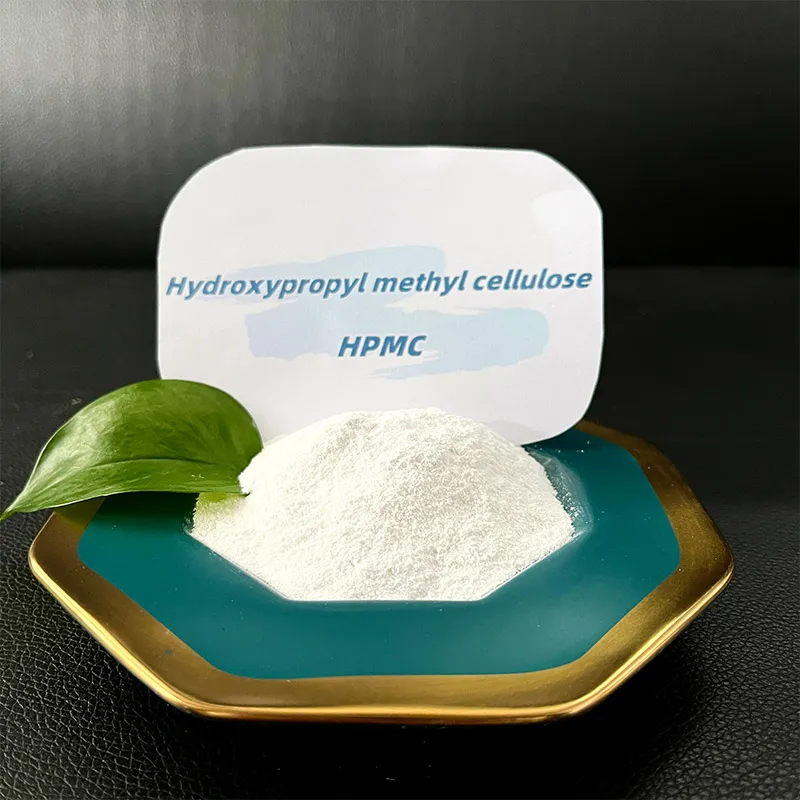
Vendor snapshot (what buyers compare)
| Vendor | Certs | Strength | Viscosity Range | MOQ |
|---|---|---|---|---|
| HeBei ShengShi HongBang | ISO 9001; REACH prereg. | Construction focus; cost-value | 400–200,000 | ≈1 MT |
| Dow (METHOCEL) | ISO, GMP sites | Global supply, pharma grades | Low to ultra-high | Varies |
| Ashland (Benecel) | ISO, EXCiPACT | Tablets, coatings uniformity | Wide | Varies |
Applications and quick data
- Tile adhesive: +0.2–0.35% Hydroxypropyl Methyl Cellulose HPMC → open time +10–15 min; slip ≤0.5 mm (EN 12004).
- Self-leveling: 0.05–0.1% improves edge cohesion; flow per ASTM C1437: 115–130% with stable ring.
- Gypsum putty: 0.2–0.3% → sag drop by ≈30%, smoother knife feel (shop-floor feedback).
- Tablets: 2–5% binder; disintegration tuned via viscosity grade (USP-NF compliant grades available).
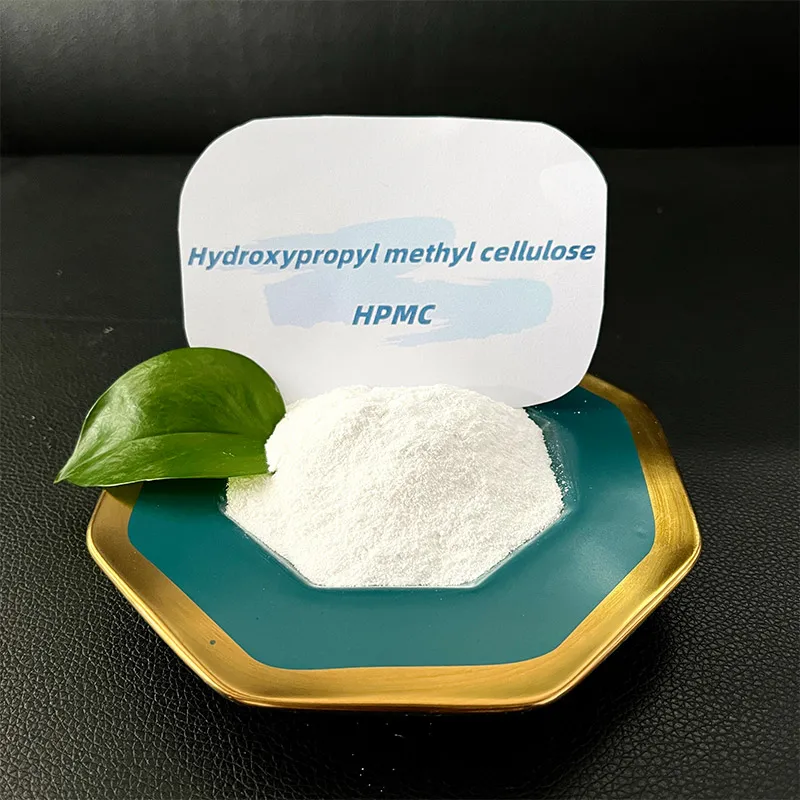
Customization and QC
For Hydroxypropyl Methyl Cellulose HPMC, you can specify viscosity windows, substitution ratios, surface treatment for fast wetting, and targeted gel temp. Batch COAs usually list Brookfield data, moisture, mesh residue, and heavy metals when applicable. Incoming QC on your side? I’d validate viscosity at your ionic strength, not just DI water.
Mini case studies
- Eastern EU tile factory: switched to 60,000 mPa·s grade; open time +12 min; consumer complaints on “grab” fell 40% in 2 months.
- Generic IR tablet line: replaced PVP with Hydroxypropyl Methyl Cellulose HPMC binder at 3%; friability down from 0.9% to 0.3% while keeping disintegration at 9–12 min.
Standards and compliance
Typical references: EN 12004 (tile adhesives), ASTM C1437 (flow), ISO 9001 for QMS, USP/Ph. Eur. Hypromellose monographs, plus REACH where required. To be honest, don’t skip pilot mixes; salts and fillers can nudge viscosity more than you expect.
Citations
- ASTM C1437 – Standard Test Method for Flow of Hydraulic Cement Mortar.
- EN 12004 – Adhesives for tiles: Requirements, evaluation of conformity.
- USP–NF Monograph: Hypromellose (Hydroxypropyl Methylcellulose).
- ISO 9001:2015 – Quality Management Systems Requirements.
-
Industrial Guide to ГПМЦ целлюлоза High Performance CelluloseNewsApr.16,2026
-
Wood Cellulose Properties and Industrial Applications GuideNewsApr.09,2026
-
Does Wood Contain Cellulose A Detailed Exploration of its Composition and UsesNewsApr.07,2026
-
Understanding Wood Cellulose Meaning Applications and Future TrendsNewsApr.04,2026
-
Exploring the Potential of Wood Cellulose is wood cellulose a Sustainable MaterialNewsMar.31,2026
-
Exploring the Sustainability and Versatility of Cellulose Wood ChipsNewsMar.28,2026
-
Understanding Wood Pulp Cellulose A Comprehensive Guide to Properties and ApplicationsNewsMar.26,2026