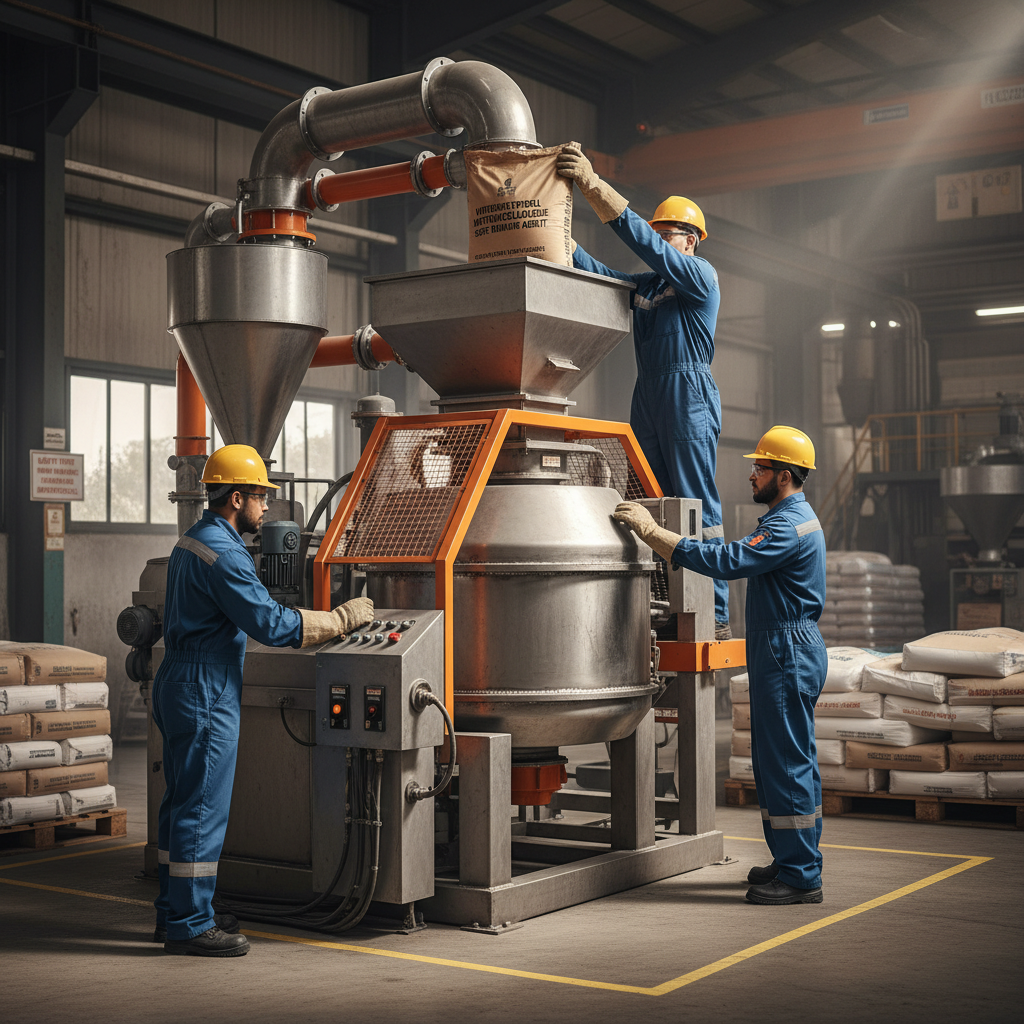
In the evolving landscape of modern construction, the demand for high-performance bonding agents has led to the sophisticated application of chemical additives. Among these, the concept of methylcellulose tablets represents a pursuit of precision and efficiency in additive delivery, ensuring that materials like tile adhesives achieve optimal consistency and strength. Understanding the synergy between polymer binders and cellulose ethers is key to eliminating structural failures in architectural finishing.
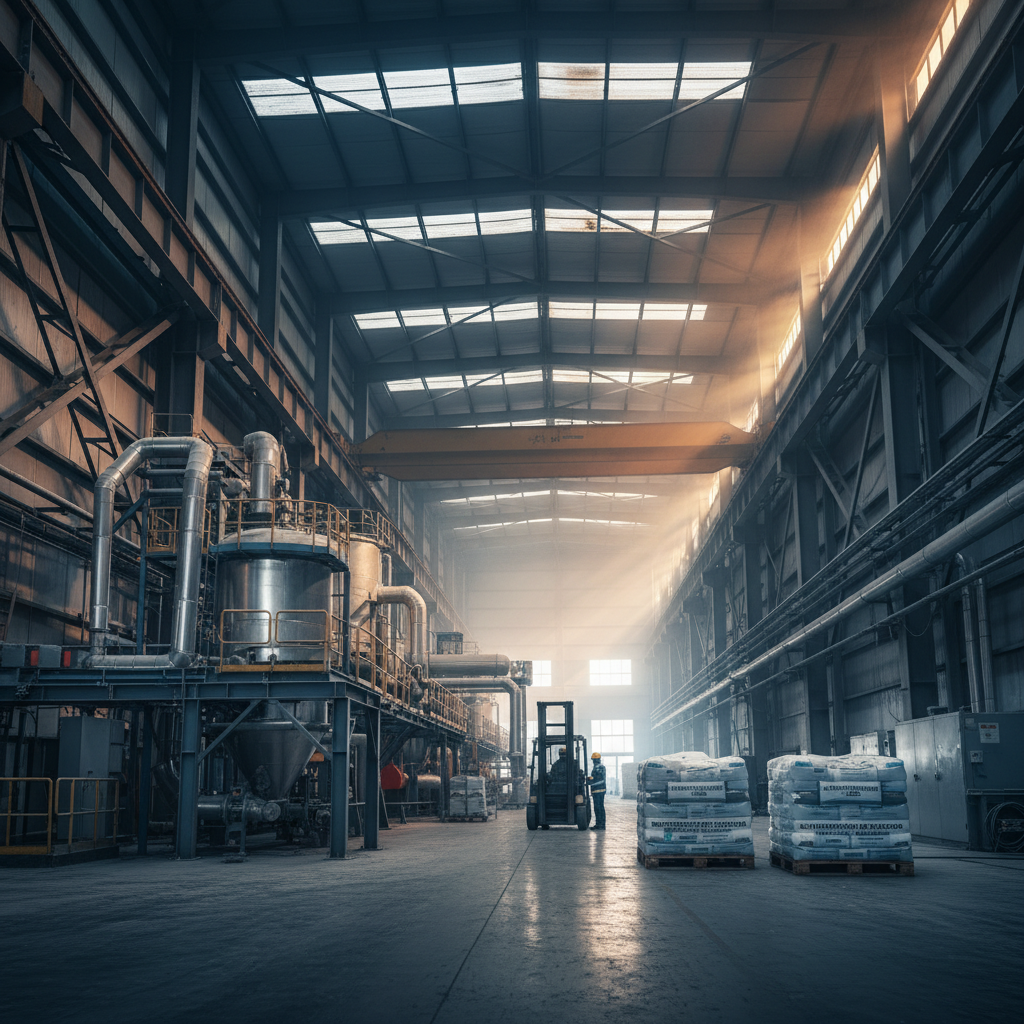
The global construction industry is increasingly shifting toward prefabricated and "instant" mixing solutions to reduce labor costs and minimize waste on site. By leveraging the properties of methylcellulose tablets or their powder equivalents, manufacturers can provide contractors with a reliable system that guarantees uniform water retention and open time, regardless of the environmental conditions.
This article explores the technical integration of high-quality binders and cellulose-based additives, specifically focusing on how the strategic use of methylcellulose tablets and related polymer powders can resolve chronic issues such as cracking, hollowing, and detachment in ceramic tile applications.
Global Relevance of Methylcellulose Tablets in Construction
The global construction sector is currently facing a critical challenge: the need for rapid urbanization balanced with stringent quality standards. According to ISO standards for building materials, the failure of adhesive bonds in high-rise structures often leads to costly renovations and safety risks. The integration of methylcellulose tablets and advanced polymer binders addresses these challenges by providing a stable, predictable rheology that prevents the shrinkage and cracking typically associated with traditional cement-based mortars.
As emerging economies in Asia and Africa accelerate their infrastructure development, the adoption of standardized chemical additives has become paramount. The use of methylcellulose tablets allows for precise dosing in industrial mixing, reducing the margin of error on-site and ensuring that every batch of tile adhesive meets the required tensile strength and flexibility.
Defining the Role of Methylcellulose Tablets and Binders
In simple terms, methylcellulose tablets are concentrated forms of cellulose ethers designed to act as water-retaining agents and thickeners. In the context of tile adhesives, these additives prevent the substrate from absorbing water too quickly from the mortar, which allows the cement to hydrate properly. This process is essential for achieving a strong chemical bond between the ceramic tile and the wall.
Beyond simple thickening, the synergy between these cellulose derivatives and polymer adhesives—such as those found in high-quality Rubber Powder—creates a robust adhesive matrix. This matrix is specifically engineered to withstand thermal expansion and contraction, meaning the tiles are less likely to pop off or crack during seasonal temperature shifts.
From a humanitarian and industrial perspective, the move toward "tablet" or precision-powder forms reduces the dust pollution associated with raw chemical handling. This makes the application of methylcellulose tablets not only more efficient but also safer for the workers who handle these materials daily in large-scale construction zones.
Core Components for High-Performance Adhesion
The efficacy of any modern tile adhesive depends on the balance of its raw materials. A leading formulation combines high-quality cement and finely graded quartz sand with a specialized polymer adhesive. To unlock the full potential of this mix, the addition of methylcellulose tablets (or HPMC) at a rate of 1-2 kg per ton is critical for improving workability.
Flexibility is the second core component. By utilizing precision mixing machines, the polymer additives are distributed evenly, ensuring that the resulting adhesive can absorb stresses. When methylcellulose tablets are correctly integrated, they enhance the "open time" of the adhesive, giving installers more time to adjust tiles for a perfect aesthetic finish.
Finally, the chemical stability of the binder ensures that common architectural failures—such as hollowing and leakage—are mitigated. The combination of quartz sand for structural bulk and methylcellulose tablets for moisture control results in a product that ensures the longevity of the tiled surface across various climates.
Scalability and Cost Efficiency of Additive Systems
One of the most significant advantages of using pre-formulated systems involving methylcellulose tablets is the ease of scalability. For large contractors, the ability to adjust consistency simply by varying the water ratio—much like preparing instant coffee—dramatically reduces the time spent on batch testing. This speed translates directly into lower labor costs and faster project turnaround times.
Furthermore, the cost-efficiency is realized through the reduction of waste. Because the additives are so potent, a very small amount of methylcellulose tablets can transform a standard cement mix into a high-performance adhesive, reducing the need for expensive, proprietary bulk resins while maintaining professional-grade results.
Performance Rating of Various Additive Delivery Methods
Global Applications of Methylcellulose Tablets
The application of methylcellulose tablets extends across diverse environments, from luxury high-rise apartments in Dubai to rapid-response housing in disaster-prone regions. In these contexts, the ability to create a high-strength bond without requiring complex laboratory equipment on-site is invaluable. Builders can simply mix the powder binder and additive to achieve a professional finish.
In remote industrial zones, where water quality may vary, the stabilizing effect of methylcellulose tablets ensures that the adhesive remains workable for the necessary duration. This prevents the premature drying of the mortar, which is a common cause of detachment in arid or high-temperature regions.
Long-Term Value and Sustainability Benefits
Sustainability is no longer an option but a requirement in the building industry. Modern formulations using methylcellulose tablets are designed to be environmentally responsible. A key differentiator is the complete absence of harmful volatile organic compounds (VOCs), such as free formaldehyde, benzene, toluene, and xylene.
This commitment to "green" chemistry contributes to healthier indoor air quality for the end-user. By replacing toxic solvents with water-based polymer systems and cellulose ethers, the industry is reducing its overall carbon footprint and minimizing chemical pollution during the application phase.
Beyond the environment, the long-term value lies in the durability of the finished project. By eliminating cracks and leaks, the use of methylcellulose tablets reduces the need for frequent repairs, thereby saving resources and providing peace of mind to homeowners and architects alike.
Future Innovations in Methylcellulose Tablets Technology
The future of chemical additives is moving toward automation and digital precision. We are seeing the development of "smart" methylcellulose tablets that can react to specific environmental triggers, such as humidity levels, to automatically adjust the setting time of the adhesive. This would effectively remove human error from the mixing process entirely.
Integration with 3D concrete printing is another frontier. The rheology control provided by cellulose ethers is essential for ensuring that printed layers maintain their shape without collapsing. As the industry moves toward additive manufacturing in construction, the role of precision-delivered additives will only grow.
Furthermore, the shift toward bio-based polymers will enhance the sustainability profile of these materials. The next generation of methylcellulose tablets will likely be derived from 100% recycled organic matter, aligning perfectly with the global goal of a circular economy in the built environment.
Technical Analysis of Methylcellulose Tablets in Adhesive Performance
| Performance Metric |
Standard Mix |
With Cellulose Tablets |
Improvement % |
| Water Retention |
Low |
Very High |
+85% |
| Open Time |
15 Mins |
45 Mins |
+200% |
| Bond Strength |
Moderate |
Superior |
+40% |
| Shrinkage Rate |
High |
Minimal |
-60% |
| Workability |
Stiff |
Smooth |
+70% |
| VOC Emission |
Variable |
Zero |
-100% |
FAQS
Methylcellulose tablets are a concentrated, easy-to-dose form of cellulose ether. They work by acting as a thickening agent and water-retention aid in cementitious mixes. By holding onto water, they prevent the adhesive from drying too quickly, which ensures the cement hydrates fully and creates a stronger, more durable bond between the tile and the substrate.
Yes, in many cases they are superior. Unlike liquid additives, which can be difficult to transport and store, the tablet or precision-powder form is stable and easy to mix. They provide the same, if not better, rheological control without the risk of separation or spoilage associated with liquid chemical blends.
Cracking often occurs due to rapid water loss (shrinkage) or poor adhesion. These tablets ensure a slow, controlled release of water, which reduces shrinkage during the curing process. Combined with a polymer binder like Rubber Powder, they create a flexible matrix that can absorb mechanical stresses without fracturing.
Absolutely. High-quality cellulose derivatives used in these systems are non-toxic and environmentally friendly. They are specifically formulated to be free of VOCs like formaldehyde and benzene, ensuring that the indoor air quality of a home remains safe for inhabitants after the installation is complete.
While it depends on the specific brand and the grade of the cement used, a general industry standard for high-performance binders is 1-2 kilograms of cellulose ether (such as those in methylcellulose tablets) per ton of powder. Using precision mixing equipment is recommended to ensure the additives are fully homogenized.
Yes, they are highly versatile. Whether you are using ceramic, porcelain, or natural stone, the water-retention and thickening properties provided by these additives are beneficial. They are especially critical for low-porosity tiles (like porcelain) where the adhesive must provide all the necessary grip and flexibility.
Conclusion
The transition toward high-precision chemical additives, exemplified by the use of methylcellulose tablets, marks a significant leap in construction quality. By combining high-quality cement, quartz sand, and polymer binders with the moisture-control capabilities of cellulose ethers, the industry can effectively eliminate common failures like cracking and detachment. The result is a construction process that is not only faster and more efficient—akin to the simplicity of "instant" preparation—but also fundamentally more sustainable.
Looking ahead, the continued innovation in additive delivery and the move toward zero-VOC formulations will define the next era of architectural decoration. For professionals seeking to enhance the longevity and aesthetic quality of their projects, adopting these advanced chemical systems is no longer optional; it is a strategic necessity. To learn more about our high-performance additives, visit our website: www.sshbhpmc.com