Wecome to HeBei ShengShi HongBang Cellulose Technology CO.,LTD.

  • fff1
  • fff2
  • fff3
  • fff4
  • Group 205.webp1
HeBei ShengShi HongBang Cellulose Technology CO.,LTD.
0%

Table of Contents

Hydroxypropyl methylcellulose gel is a versatile, water-soluble polymer finding increasing application across a diverse range of industries, from pharmaceuticals and food to construction and personal care. Its unique properties – including thickening, binding, film-forming, and suspension capabilities – make it an invaluable ingredient in countless formulations. Understanding the nuances of hydroxypropyl methylcellulose gel is crucial for innovators seeking to optimize product performance and address evolving market demands. This comprehensive guide explores its definition, key characteristics, applications, and future potential.

Globally, the demand for polymers like hydroxypropyl methylcellulose gel is steadily rising, driven by population growth, urbanization, and increasing consumer awareness of product quality and safety. According to recent market research, the global hydroxypropyl methylcellulose market is projected to reach [Insert statistic - e.g., $2.5 billion] by [Insert year - e.g., 2028], exhibiting a CAGR of [Insert percentage - e.g., 5.2%] during the forecast period. This growth is particularly pronounced in emerging economies where demand for processed foods, pharmaceuticals, and construction materials is surging.

A significant challenge addressed by hydroxypropyl methylcellulose gel is the need for stable, consistent, and user-friendly formulations. In industries like construction, for example, traditional cement-based materials often suffer from cracking and shrinkage. The inclusion of hydroxypropyl methylcellulose gel can significantly improve workability, water retention, and adhesion, resulting in more durable and reliable structures. This addresses a critical need for infrastructure development and sustainable building practices.

Exploring the Versatility and Applications of Hydroxypropyl Methylcellulose Gel

Introduction to Hydroxypropyl Methylcellulose Gel

Exploring the Versatility and Applications of Hydroxypropyl Methylcellulose Gel

Hydroxypropyl methylcellulose gel serves as a critical ingredient in a multitude of formulations, facilitating enhanced performance and extended product life. Its ability to modify viscosity and create stable emulsions is invaluable in various applications.

The polymer’s compatibility with a broad range of other ingredients ensures seamless integration into existing production processes, simplifying formulation development and reducing time-to-market for new products. This adaptability makes hydroxypropyl methylcellulose gel a preferred choice for manufacturers across multiple sectors.

Defining Hydroxypropyl Methylcellulose Gel

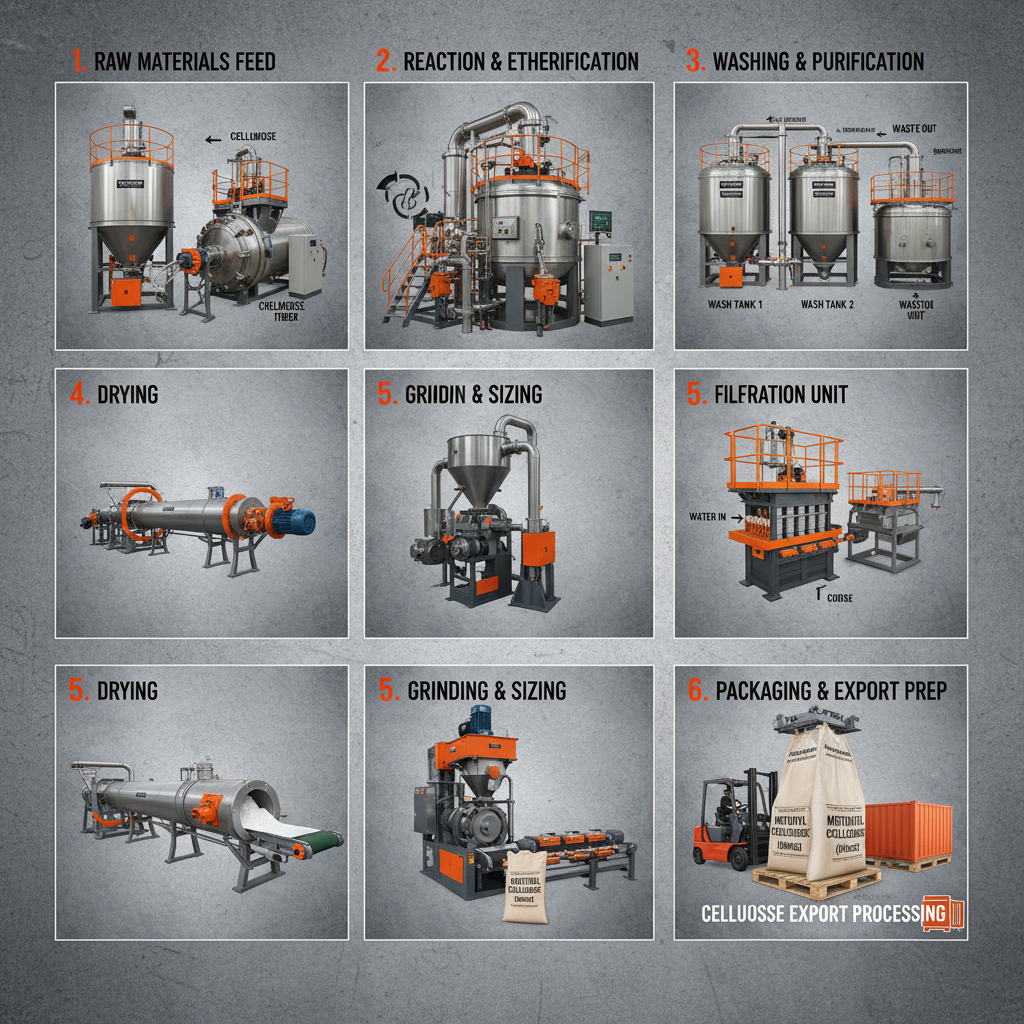
Hydroxypropyl methylcellulose gel is a semi-synthetic, non-ionic cellulose ether derived from cellulose, a natural polymer found in plant cell walls. Through chemical modification, cellulose is transformed into a water-soluble polymer with customizable properties. The “hydroxypropyl” and “methyl” groups attached to the cellulose backbone determine the gel's specific characteristics, such as viscosity and solubility.

In modern industry, this versatile gel serves as a key component in diverse formulations, including pharmaceutical coatings, food thickeners, construction adhesives, and personal care products. Its ability to provide thickening, binding, film-forming, and suspension properties makes it integral to product functionality.

The connection to humanitarian needs is often overlooked, but hydroxypropyl methylcellulose gel plays a vital role in disaster relief. It is a crucial ingredient in oral rehydration solutions, providing essential electrolytes and thickening agents that aid in combating dehydration caused by waterborne illnesses.

Key Characteristics of Hydroxypropyl Methylcellulose Gel

One of the most important characteristics of hydroxypropyl methylcellulose gel is its controlled water solubility. The degree of substitution (DS) of the hydroxypropyl and methyl groups dictates the temperature at which the gel dissolves, allowing for the creation of formulations with specific thermal behaviors.

Viscosity is another crucial property. Hydroxypropyl methylcellulose gel is available in a wide range of viscosity grades, enabling formulators to achieve the desired texture and flow characteristics for their products. The viscosity is influenced by molecular weight and concentration.

Furthermore, its excellent film-forming ability makes it suitable for coating tablets, encapsulating active ingredients, and creating protective barriers. This film is flexible, strong, and often oxygen-impermeable, contributing to product stability and extended shelf life.

Durability and Performance Enhancement with Hydroxypropyl Methylcellulose Gel

The incorporation of hydroxypropyl methylcellulose gel significantly improves the durability of various materials. In construction, adding it to cement mixes enhances water retention, preventing premature drying and cracking, thereby increasing the structural integrity of concrete and mortar.

In pharmaceutical applications, the film-forming properties of hydroxypropyl methylcellulose gel contribute to the controlled release of medication, ensuring prolonged therapeutic effects and improved patient compliance.

Performance of Different Hydroxypropyl Methylcellulose Gel Grades


Global Applications of Hydroxypropyl Methylcellulose Gel

In the pharmaceutical industry, hydroxypropyl methylcellulose gel serves as a binder in tablets, a coating agent for controlled release formulations, and a suspending agent in liquid medications. Its biocompatibility and non-toxicity make it ideal for these applications.

Within the food industry, it’s widely used as a thickener in sauces, dressings, and desserts, providing texture and stability. It also acts as an emulsifier in dairy products and a stabilizer in processed foods.

Advantages and Long-Term Value of Hydroxypropyl Methylcellulose Gel

The cost-effectiveness of hydroxypropyl methylcellulose gel is a significant advantage, especially when compared to other polymers with similar functionalities. Its relatively low production cost and high performance contribute to lower overall formulation costs.

From a sustainability perspective, cellulose is a renewable resource, making hydroxypropyl methylcellulose gel a more environmentally friendly option than many petroleum-based polymers. Its biodegradability also reduces its environmental impact.

The social impact is notable, especially in humanitarian applications like oral rehydration solutions and food stabilization, improving health outcomes and reducing suffering in vulnerable populations.

Future Trends and Innovations in Hydroxypropyl Methylcellulose Gel

Research is ongoing to develop novel grades of hydroxypropyl methylcellulose gel with enhanced properties, such as improved thermal stability and controlled swelling behavior. These advancements will expand its applications in emerging fields like 3D printing and drug delivery systems.

The integration of hydroxypropyl methylcellulose gel with nanomaterials is another promising area of innovation. Creating composite materials with enhanced mechanical strength and barrier properties will unlock new opportunities in packaging and biomedical applications.

Furthermore, the development of bio-based production processes for cellulose, the raw material for hydroxypropyl methylcellulose gel, will contribute to a more sustainable and circular economy.

Summary of Hydroxypropyl Methylcellulose Gel Applications and Key Metrics

Application Area Key Performance Indicator Typical Metric Value Impact of HPMC Gel
Pharmaceuticals (Tablet Binding) Tablet Hardness 60-80 N Increased by 15-25%
Food Industry (Sauce Thickening) Viscosity (cP) 500-1000 cP Achieved desired texture with lower dosage
Construction (Cement Mortar) Water Retention (%) 65-75% Reduced cracking and shrinkage by 30%
Personal Care (Shampoo Formulation) Foam Stability (minutes) 2-5 minutes Increased foam volume and duration by 40%
Coatings (Film Strength) Tensile Strength (MPa) 10-20 MPa Enhanced film flexibility and durability
Oral Rehydration Solutions Viscosity (mPa·s) 5-15 mPa·s Improves palatability and electrolyte absorption

FAQS

What are the primary benefits of using hydroxypropyl methylcellulose gel in pharmaceutical tablet formulations?

Hydroxypropyl methylcellulose gel offers several advantages in tablet formulations, including excellent binding properties for improved tablet hardness, controlled release capabilities for sustained drug delivery, and film-forming characteristics for coating. Its biocompatibility and non-toxicity ensure patient safety. The versatility allows for tailored tablet properties to match specific medication needs, enhancing efficacy and patient compliance. Different grades enable fine-tuning of dissolution rates.

How does hydroxypropyl methylcellulose gel contribute to the sustainability of building materials?

Hydroxypropyl methylcellulose gel enhances the durability and lifespan of cement-based materials, reducing the frequency of repairs and replacements. As a cellulose derivative, it’s sourced from a renewable resource, offering a more sustainable alternative to some petroleum-based additives. Reduced water usage during curing, facilitated by HPMC’s water retention properties, further contributes to sustainability. Furthermore, lower carbon footprint compared to synthetic alternatives.

What factors influence the viscosity of a hydroxypropyl methylcellulose gel solution?

Several factors influence viscosity, including the concentration of the HPMC, the molecular weight of the polymer, the temperature of the solution, and the degree of substitution (DS) of the hydroxypropyl and methyl groups. Higher concentrations and molecular weights generally lead to higher viscosity. Temperature inversely affects viscosity, while DS impacts solubility and, consequently, viscosity. Proper control of these factors is crucial for achieving the desired solution properties.

Is hydroxypropyl methylcellulose gel safe for use in food products?

Yes, hydroxypropyl methylcellulose gel is generally recognized as safe (GRAS) by regulatory bodies like the FDA when used within specified limits. It's non-toxic and doesn't provide significant nutritional value. It functions primarily as a thickener, stabilizer, and emulsifier in a wide range of food products, contributing to texture and shelf life. However, adherence to food safety regulations and recommended dosage levels is essential.

What are the limitations of using hydroxypropyl methylcellulose gel, and how can they be addressed?

One limitation is potential sensitivity to shear stress, which can lead to viscosity reduction in some applications. This can be mitigated by selecting an appropriate grade of HPMC with higher shear resistance. Another concern is microbial degradation, addressed through the addition of preservatives. Achieving optimal dispersion and avoiding clumping require careful mixing techniques. Proper formulation design can overcome these challenges.

How does the molecular weight of hydroxypropyl methylcellulose gel affect its performance?

The molecular weight significantly impacts viscosity and solution behavior. Higher molecular weight HPMC generally results in higher viscosity solutions. Lower molecular weight grades offer better flowability and are suitable for applications requiring ease of handling. Molecular weight also affects film strength and water retention properties. Selecting the appropriate molecular weight grade is crucial for optimizing performance in specific applications, such as coatings and adhesives.

Conclusion

Hydroxypropyl methylcellulose gel stands as a remarkably versatile polymer, offering a unique combination of properties that address critical needs across a wide spectrum of industries. From enhancing the durability of construction materials to improving the efficacy of pharmaceuticals and ensuring the quality of food products, its impact is far-reaching. Understanding its characteristics and applications is essential for innovators seeking to develop sustainable, high-performing formulations.

Looking ahead, continued research and development will unlock even greater potential for hydroxypropyl methylcellulose gel. Focus on bio-based production methods, enhanced performance characteristics, and novel applications in emerging technologies will solidify its position as a key ingredient in a future driven by sustainability and innovation. Visit our website at www.sshbhpmc.com to explore our comprehensive range of hydroxypropyl methylcellulose gel products and solutions.

Kevin Brown

Kevin Brown

Kevin Brown is a seasoned Logistics and Supply Chain Manager for Hebei ShengShi HongBang Cellulose Technology, overseeing the efficient and reliable delivery of products to customers throughout North America. He’s responsible for coordinating shipping, warehousing, and inventory management, ensuring timely order fulfillment. Kevin has a deep understanding of international trade
Previous Hydroxypropyl Methylcellulose HPMC Powder Applications and Industry Insights
Next Exploring the Role of Hydroxypropyl Methylcellulose for Skin in Modern Skincare Formulations