-

Add: HeBei ShengShi HongBang Cellulose Technology CO.,LTD.
-

Email
13180486930@163.com -

CONTACT US
+86 13180486930

Exploring Cellulose Wood A Sustainable and Versatile Building Material
Cellulose Wood: A Sustainable and Versatile Material
In today’s environmentally conscious world, sustainable materials are gaining prominence across various industries. Cellulose wood, also known as fiberboard or wood-plastic composite (WPC), is emerging as a compelling alternative to traditional wood products. This article delves into the properties, manufacturing process, applications, and benefits of cellulose wood, highlighting its potential to revolutionize numerous sectors. We will explore why cellulose wood is becoming a favored material for eco-friendly and cost-effective solutions.
What is Cellulose Wood and How is it Made?
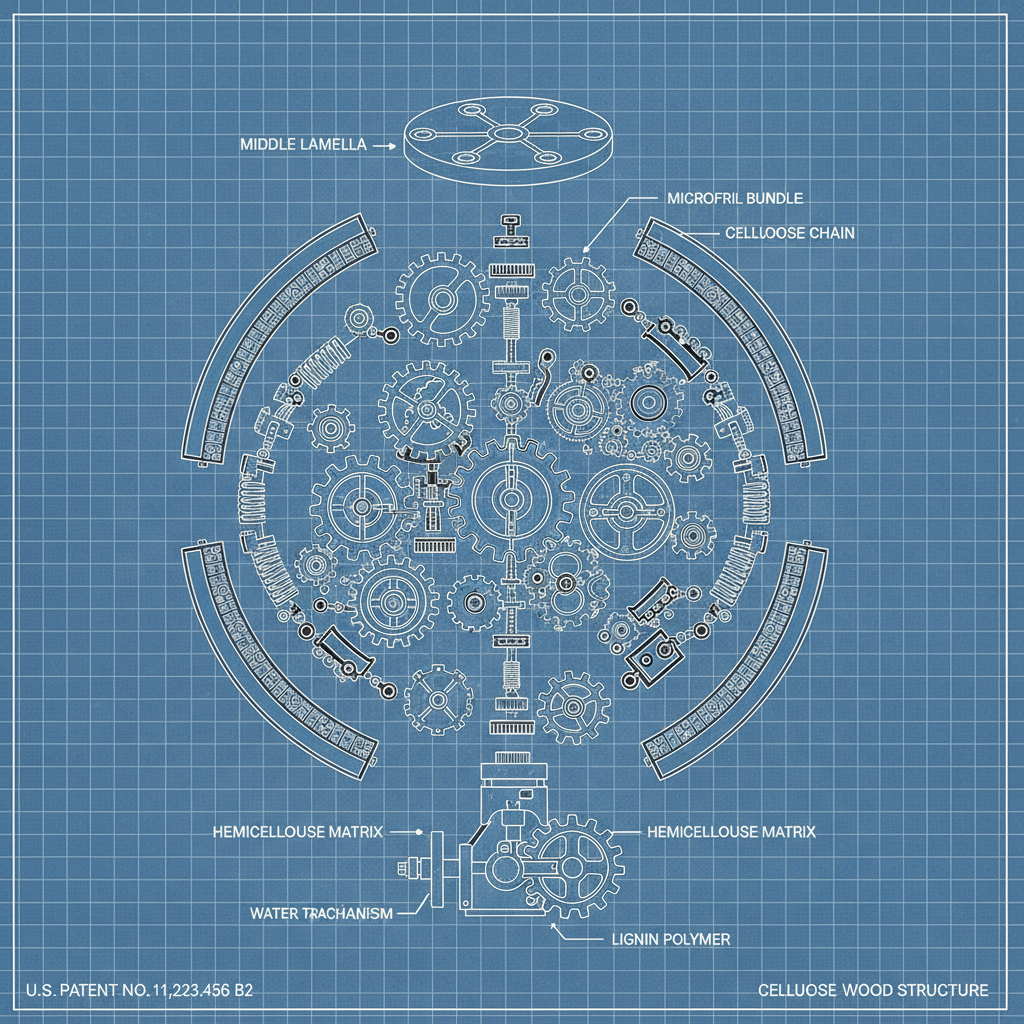
Cellulose wood isn’t technically “wood” in the traditional sense. It’s an engineered material primarily composed of wood fibers – specifically cellulose – combined with plastics and other additives. The manufacturing process begins with collecting wood waste, such as sawdust, wood chips, or recycled paper. These materials are then broken down into their constituent fibers. These fibers are then mixed with thermoplastic polymers (like polyethylene, polypropylene, or polyvinyl chloride) and various additives, like pigments, lubricants, and UV stabilizers. The mixture is then heated and pressed into desired shapes, creating a durable and versatile material. SSHBHPMC specializes in producing high-quality cellulose wood products tailored to meet diverse industry needs.
Key Highlights: Cellulose wood is an engineered material made from wood fibers and plastics, offering a sustainable alternative to traditional wood products.
Cellulose Wood vs. Traditional Wood: A Comparative Analysis
When comparing cellulose wood to traditional wood, several key differences emerge. Cellulose wood offers increased resistance to moisture, rot, and insect infestation, making it ideal for outdoor applications. It’s also more consistent in density and dimensions, reducing waste during manufacturing. Furthermore, utilizing wood waste in its production contributes to a circular economy and reduces deforestation. While traditional wood boasts a natural aesthetic, cellulose wood can be customized with various colors and finishes. Understanding these distinctions is crucial for selecting the optimal material for your specific project.
Comparative Benefits:
• Moisture Resistance: Cellulose wood excels, while natural wood is susceptible to damage.
• Durability: Cellulose wood offers high resistance to rot and insects.
• Consistency: Cellulose wood provides uniform density and dimensions.
• Sustainability: Utilizes wood waste and reduces deforestation.
The Diverse Applications of Cellulose Wood
The versatility of cellulose wood extends to a wide range of applications. In the construction industry, it’s used for decking, fencing, siding, and window frames. The furniture sector utilizes it for creating durable and weather-resistant outdoor furniture. Packaging industries leverage its lightweight and protective properties for creating pallets and crates. Furthermore, cellulose wood finds applications in automotive components, landscaping features, and even musical instruments. SSHBHPMC can tailor cellulose wood formulations to meet the specific demands of each application.
Benefits of Choosing Cellulose Wood
Selecting cellulose wood offers numerous benefits. Its sustainability, stemming from utilizing recycled materials and reducing reliance on virgin wood, appeals to environmentally conscious consumers. The material’s durability and resistance to weathering translate to lower maintenance costs and a longer lifespan. Its versatility allows for a wide range of design options. Furthermore, cellulose wood is often more cost-effective than traditional hardwoods, offering a viable solution for budget-conscious projects. Ultimately, SSHBHPMC's cellulose wood products provide a responsible and high-performing alternative.
Understanding the Future of Cellulose Wood
The future of cellulose wood is bright, with ongoing research and development focused on enhancing its properties and expanding its applications. Innovations in polymer technology are leading to even more durable and weather-resistant formulations. Increasing demand for sustainable building materials will drive further adoption of cellulose wood across various industries. As awareness of its benefits grows, cellulose wood is poised to become a cornerstone of eco-friendly construction and manufacturing. SSHBHPMC is committed to staying at the forefront of these advancements and delivering cutting-edge cellulose wood solutions.
Conclusion: A Sustainable Choice for a Better Future
Cellulose wood presents a compelling solution for businesses and consumers seeking sustainable and high-performing materials. Its versatility, durability, and environmental benefits make it an ideal choice for a wide array of applications. By embracing innovative materials like cellulose wood, we can contribute to a more sustainable and responsible future. Learn more about our cellulose wood products at SSHBHPMC.
Frequently Asked Questions (FAQs)
Is cellulose wood waterproof?
While not entirely waterproof, cellulose wood is highly resistant to moisture absorption. The addition of plastics during manufacturing significantly reduces its susceptibility to water damage, making it suitable for outdoor applications. However, prolonged exposure to standing water should be avoided. The level of water resistance varies depending on the specific formulation and plastic content.
What is the environmental impact of cellulose wood production?
Cellulose wood has a significantly lower environmental impact compared to traditional wood production. It utilizes wood waste and recycled materials, reducing deforestation and landfill waste. The manufacturing process requires less energy and water than producing virgin wood products. However, the production of plastics does have an environmental footprint, so choosing formulations with recycled plastic content can further minimize the impact.
Can cellulose wood be painted or stained?
Yes, cellulose wood can be painted or stained, but proper preparation is crucial. It's recommended to apply a primer specifically designed for composite materials to ensure good adhesion. Use high-quality exterior paints or stains for outdoor applications to provide UV protection and maintain the color. Avoid using oil-based paints as they may not adhere well.
What are the typical applications of cellulose wood in the marine industry?
Due to its excellent resistance to moisture and rot, cellulose wood is increasingly used in marine applications. Common uses include boat decking, trim, and interior components. It's a viable alternative to traditional teak or other hardwoods that are prone to decay in saltwater environments. However, it’s important to select a formulation specifically designed for marine use with enhanced UV protection and water resistance.
-
Industrial Guide to ГПМЦ целлюлоза High Performance CelluloseNewsApr.16,2026
-
Wood Cellulose Properties and Industrial Applications GuideNewsApr.09,2026
-
Does Wood Contain Cellulose A Detailed Exploration of its Composition and UsesNewsApr.07,2026
-
Understanding Wood Cellulose Meaning Applications and Future TrendsNewsApr.04,2026
-
Exploring the Potential of Wood Cellulose is wood cellulose a Sustainable MaterialNewsMar.31,2026
-
Exploring the Sustainability and Versatility of Cellulose Wood ChipsNewsMar.28,2026
-
Understanding Wood Pulp Cellulose A Comprehensive Guide to Properties and ApplicationsNewsMar.26,2026