

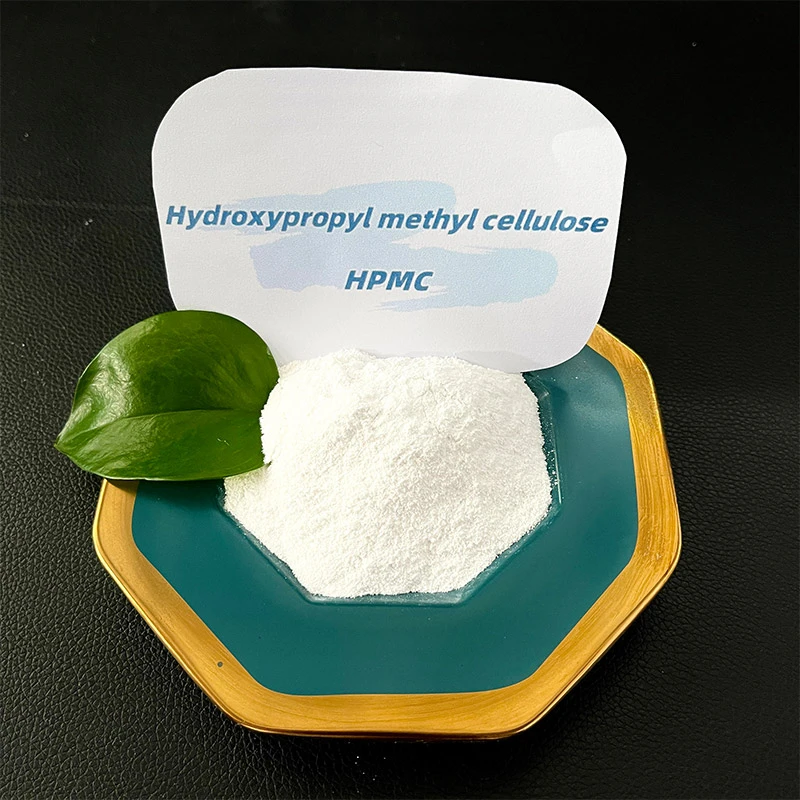
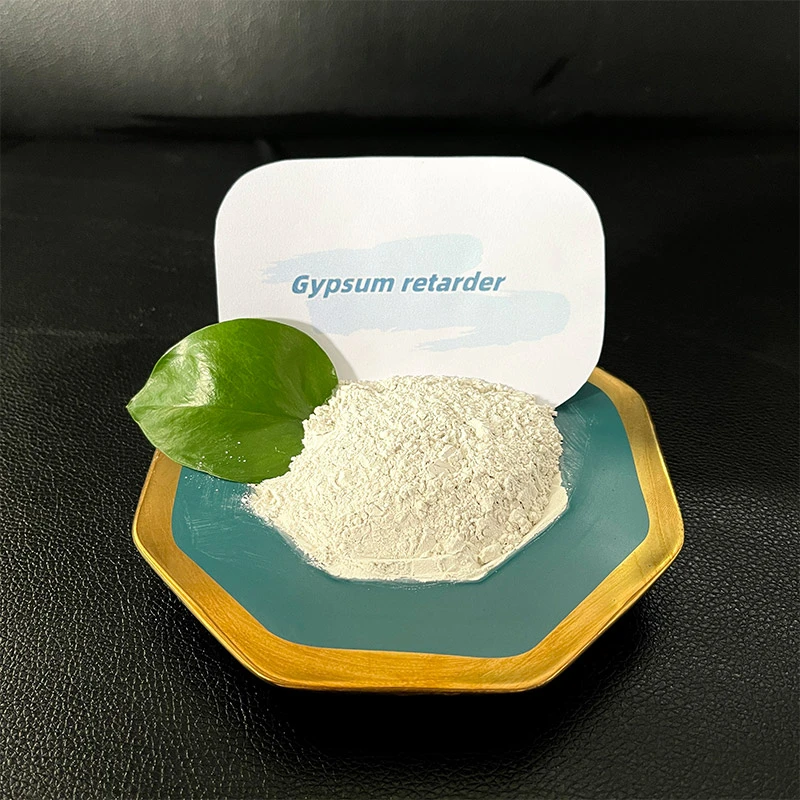
Indonesia's chemical building materials industry is currently shaped by its unique tropical climate and volcanic geography. The high humidity levels necessitate the use of specialized gypsum retarder chemical to manage setting times precisely, preventing premature hardening during transportation in hot climates.
With the massive shift of the capital to Nusantara and ongoing infrastructure projects in Java, there is a surging demand for sustainable additives. The integration of Rubber powder uses in asphalt and concrete is becoming a critical strategy to reduce cracking caused by thermal expansion in the equatorial heat.
Furthermore, the adoption of polypropylene fiber has increased significantly as contractors seek to mitigate shrinkage cracks in large-scale concrete pours, ensuring that the non-metallic mineral products meet international longevity standards.