

Italy's construction sector is currently navigating a complex transition toward "Green Building" standards. Given the country's varied climate—from the humid plains of the Po Valley to the seismic zones of the south—there is an urgent demand for gypsum retarder chemical to optimize setting times in large-scale plastering projects during high-temperature Mediterranean summers.
Furthermore, the Italian government's focus on circular economy initiatives has surged interest in Rubber powder uses. The integration of recycled rubber into asphalt and concrete mixtures is becoming a standard for noise-reducing urban roadways in cities like Milan and Rome, reducing the carbon footprint of mineral product manufacturing.
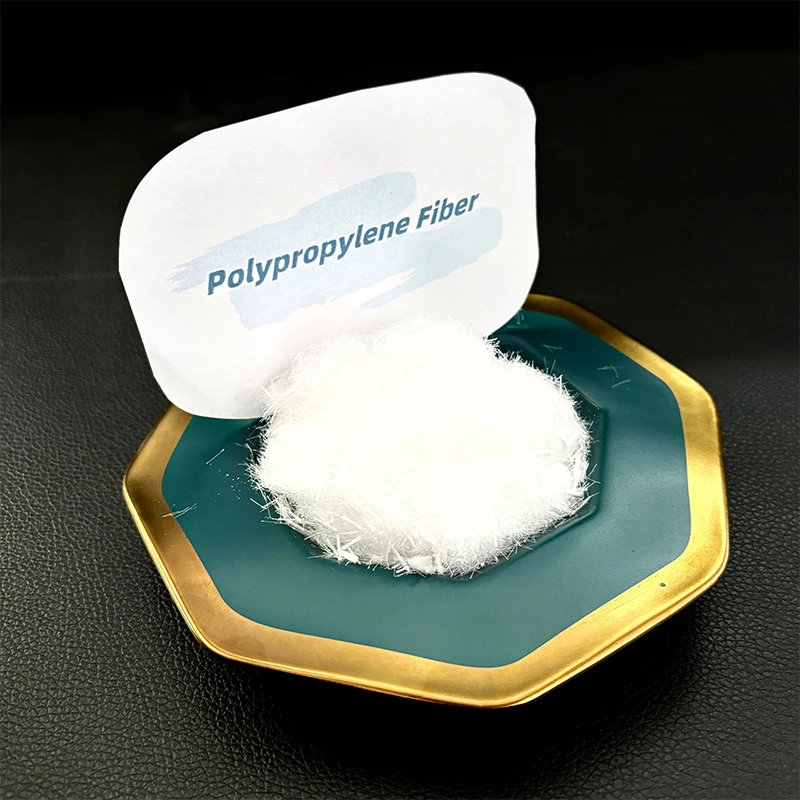
The industry currently faces the challenge of balancing traditional craftsmanship with the need for rapid industrialization. This has led to a widespread adoption of synthetic reinforcements, where polypropylene fiber is utilized to prevent shrinkage cracking in high-performance concrete, essential for the seismic retrofitting of Italy's historic infrastructure.