
Wecome to HeBei ShengShi HongBang Cellulose Technology CO.,LTD.

  • fff1
  • fff2
  • fff3
  • fff4
  • Group 205.webp1
HeBei ShengShi HongBang Cellulose Technology CO.,LTD.

Advanced Construction Solutions with polypropylene fiber in UAE

Enhancing structural integrity and material longevity for the United Arab Emirates' ambitious infrastructure projects through cutting-edge chemical building materials.

Advanced Construction Solutions with polypropylene fiber in UAE

Providing high-performance additives and reinforcements tailored for the extreme thermal environments of the Middle East, ensuring durability and efficiency in chemical building material manufacturing.

Market Landscape of Chemical Building Materials in UAE

Analyzing the impact of extreme heat and rapid urbanization on material selection.

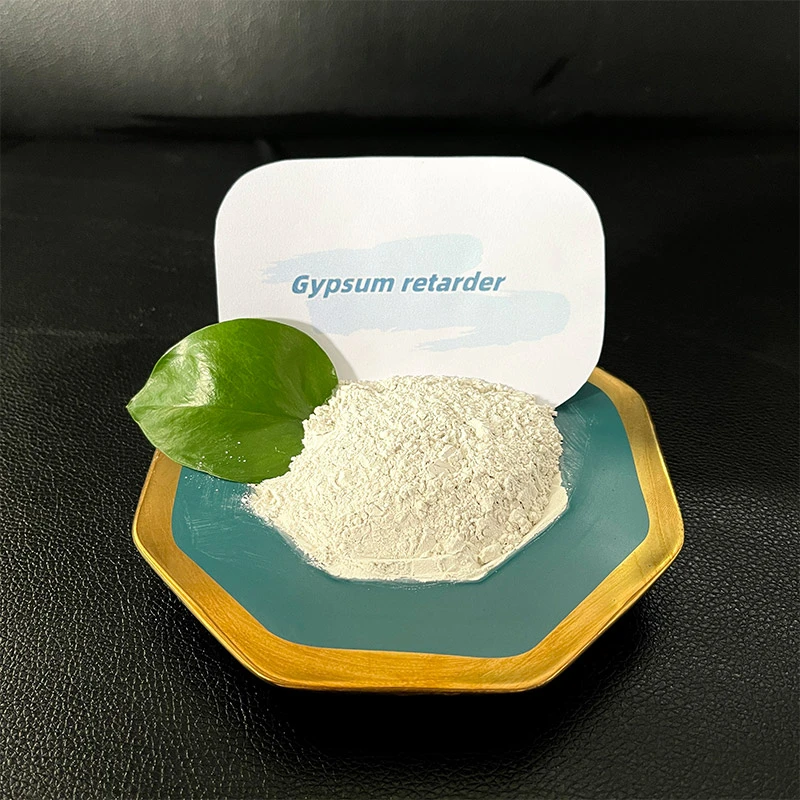
The United Arab Emirates' construction sector faces unique challenges due to hyper-arid climates and high salinity. The demand for specialized gypsum retarder chemical has surged as contractors struggle with rapid setting times caused by ambient temperatures often exceeding 40°C, which can compromise the structural bonding of gypsum-based products.

Simultaneously, there is a growing push towards sustainability and waste reduction. The industrial adoption of Rubber powder uses in asphalt and concrete mixtures has become a strategic priority to enhance elasticity and reduce cracking in road networks across Dubai and Abu Dhabi.

Local manufacturers are increasingly integrating high-performance polymers to combat shrinkage. The strategic use of polypropylene fiber allows for better crack control in precast concrete, essential for the towering skyscrapers that define the UAE's skyline.
Evolution of Chemical Construction Additives

From traditional binders to smart, fiber-reinforced chemical composites.

Market Development History

In the early 2000s, the UAE relied heavily on imported standard cement and gypsum. The primary focus was on volume rather than precision, leading to frequent issues with thermal cracking and rapid dehydration of building materials.

By 2010-2015, the industry shifted toward "precision chemistry." The introduction of specialized Rubber powder-821 uses allowed for the creation of modified bitumen and rubberized concrete, which offered superior vibration damping for heavy-traffic urban hubs.

From 2018 to the present, the focus has evolved into "Sustainable Engineering." There is now a rigorous requirement for recycled content and long-term durability, driving the mass adoption of synthetic fibers and precision retarders to optimize the carbon footprint of the building process.

Future Development Trends

Nano-Enhanced Retardation

The next generation of gypsum retarder chemical will likely integrate nano-silica to not only delay setting but also increase the final compressive strength of the material.

Circular Economy Integration

Expanding Rubber powder uses will move beyond roads into structural insulation and acoustic barriers for residential complexes.

Smart Fiber Hybridization

Combining polypropylene fiber with conductive materials to create "smart concrete" capable of self-sensing structural stress in real-time.

Industry Outlook and Future Trajectory

Strategic forecasts for chemical building materials in the UAE market.

Eco-Friendly Additives
Shifting toward bio-based retarders and recycled polymer fibers to meet UAE's Net Zero 2050 goals.
Thermal Resistance
Developing chemicals that maintain stability during the extreme temperature fluctuations of the desert.
Modular Integration
Optimizing additives for 3D concrete printing and prefabricated modular housing in the UAE.
Digital Material Tracking
Implementing blockchain for traceability of raw materials like rubber powder in green building certifications.

Industry Outlook

Based on Google search trends in the MENA region, there is a significant increase in queries regarding "sustainable concrete" and "carbon-neutral building." This indicates a shift toward materials that offer both longevity and environmental friendliness, placing a premium on high-purity additives.

The future will be dominated by "adaptive materials" that can change properties based on environmental triggers, ensuring that the chemical building material industry in the UAE remains a global leader in architectural innovation.

Localized Application Scenarios in UAE

Real-world implementation of advanced chemical additives in UAE's unique environment.

1. High-Rise Concrete Stabilization

Using polypropylene fiber in the foundation and floor slabs of Burj-style skyscrapers to prevent plastic shrinkage cracking during the rapid curing phase in summer.

2. Desert Road Infrastructure

Applying Rubber powder-821 uses in bitumen modifications for highways connecting Dubai and Abu Dhabi to increase fatigue resistance against extreme heat expansion.

3. Specialized Drywall Manufacturing

Integration of gypsum retarder chemical in local gypsum board plants to ensure consistent quality and workability despite fluctuating factory temperatures.

4. Industrial Flooring Solutions

Leveraging Rubber powder uses to create impact-resistant and sound-dampening industrial floors for logistics hubs in Jebel Ali Free Zone.

5. Quality Assurance Testing

Providing Sample available rubber powder to UAE-based research labs to calibrate the optimal mix ratio for salt-resistant coastal concrete.

Brand Story

Global Development Journey of Xinji Shengshi Hongbang Trade Co., Ltd.

Foundation of Excellence

Established with a vision to bridge the gap between raw chemical production and end-user application in the building materials sector.

Technological Breakthroughs

Developed proprietary processing methods for high-purity rubber powder and fiber additives, ensuring global quality standards.

Global Market Expansion

Successfully entered the Middle East market, tailoring chemical solutions for the extreme climate of the UAE.

Commitment to Sustainability

Pioneered the use of recycled rubber and sustainable polymers to reduce the environmental impact of urban construction.

Vision for the Future

Striving to be the world's leading provider of chemical building materials that empower sustainable and resilient cities.

Comprehensive Material Portfolio for UAE

Integrated chemical solutions designed for the Middle Eastern construction landscape.

Frequently Asked Questions in UAE

Expert answers to common technical queries about chemical additives.

How does gypsum retarder chemical perform in 45°C weather?

Our specialized retarders are formulated to precisely inhibit the hydration of gypsum, extending the setting time and preventing "flash set" even in extreme UAE summer heat.

What are the primary Rubber powder uses in road construction?

Rubber powder is used as a modifier in asphalt binders to improve elasticity, reduce noise, and prevent rutting under high-temperature loads.

Can polypropylene fiber reduce shrinkage in precast concrete?

Yes, the fibers create a three-dimensional reinforcement network that intercepts micro-cracks, significantly reducing plastic shrinkage in UAE's low-humidity environment.

What is the advantage of Rubber powder-821 uses over standard powder?

The 821 grade offers superior particle size distribution and purity, ensuring a more homogenous blend and better bonding with chemical resins.

How can I request a Sample available rubber powder for testing?

You can submit a request through our contact page specifying your required grade and application to receive a technical sample for lab validation.

Is polypropylene fiber compatible with self-leveling compounds?

Yes, when correctly dosed, it enhances the toughness and impact resistance of self-leveling floors without affecting the flowability.

Get Expert Material Consultation

Connect with our technical team to optimize your chemical building material formulations in United Arab Emirates.

Contact Us Now

If you are interested in our products, you can choose to leave your information here, and we will be in touch with you shortly.