
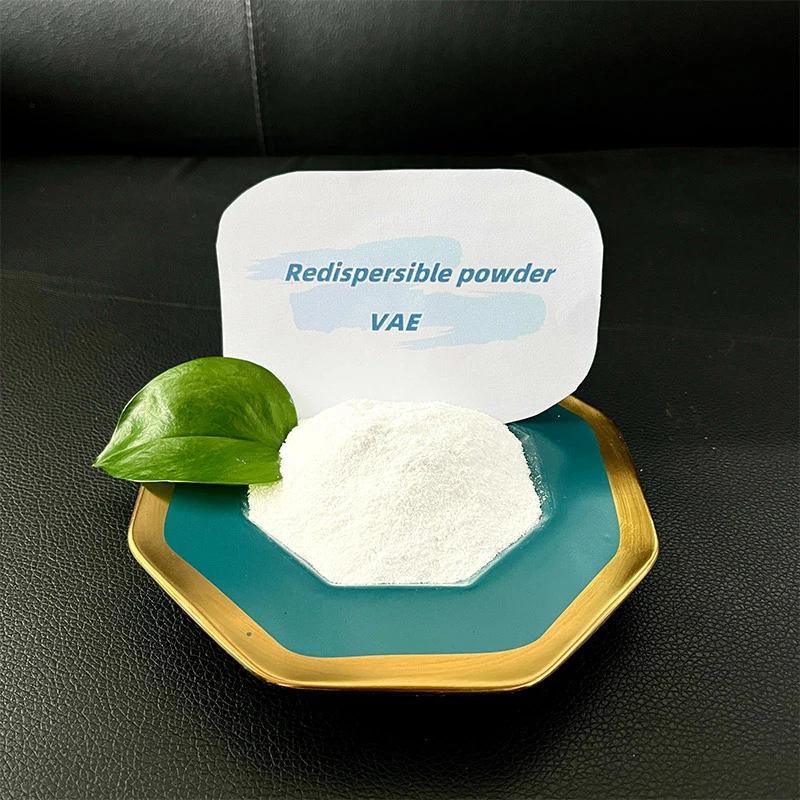
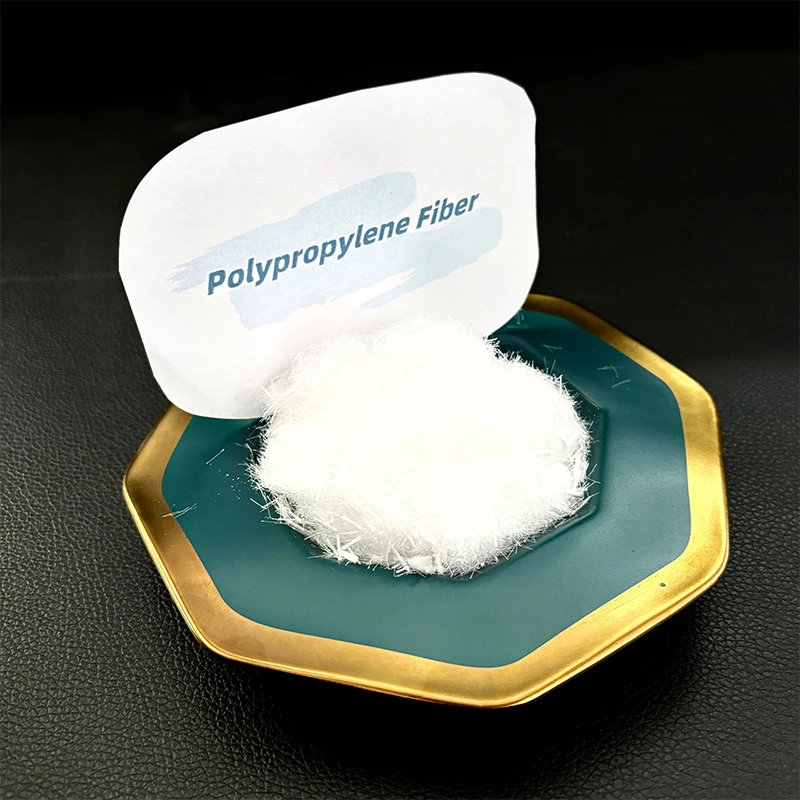
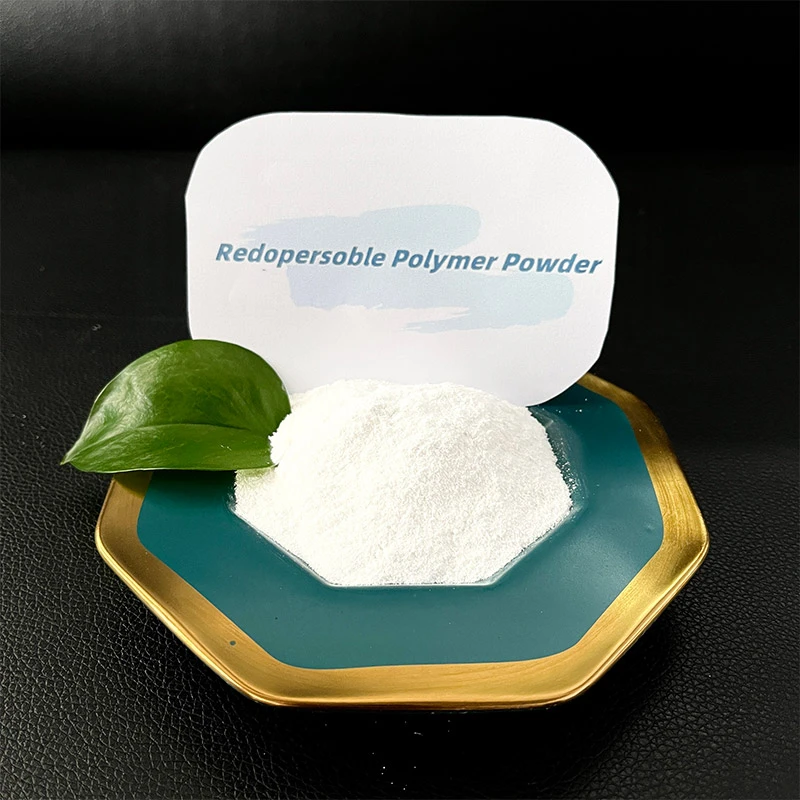
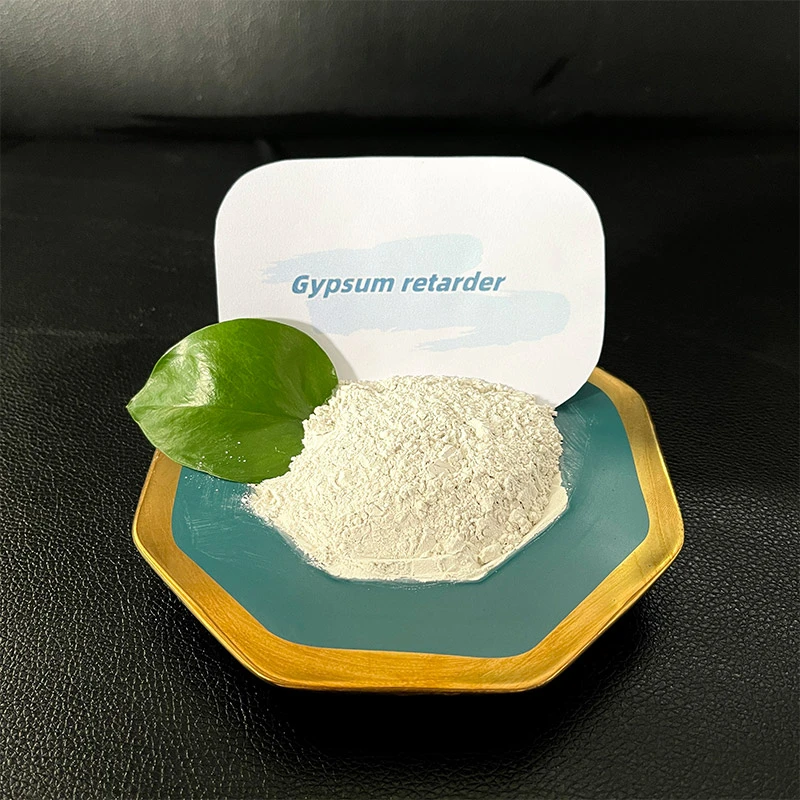
Wecome to HeBei ShengShi HongBang Cellulose Technology CO.,LTD.

  • fff1
  • fff2
  • fff3
  • fff4
  • Group 205.webp1
HeBei ShengShi HongBang Cellulose Technology CO.,LTD.

Advanced Construction Material Solutions with polypropylene fiber in Mongolia

Enhancing the durability and structural integrity of chemical building materials for the extreme climatic conditions of the Mongolian plateau.

Advanced Construction Material Solutions with polypropylene fiber in Mongolia

Integrating high-performance chemicals and fiber reinforcement to solve the challenges of extreme temperature fluctuations in Asia - Mongolia's construction sector.

Current State of Chemical Building Materials in Asia - Mongolia

Analyzing the impact of continental climate on non-metallic mineral product stability.

Mongolia's construction industry faces severe challenges due to extreme thermal expansion and contraction. The demand for a high-quality gypsum retarder chemical has surged as local manufacturers strive to control setting times in unpredictable ambient temperatures.

Furthermore, the utilization of recycled materials is growing. Understanding various Rubber powder uses has become critical for road construction and insulation projects that must withstand the frozen soil conditions of the Steppe.

Currently, the market is shifting from traditional cementitious blends to modified composites. There is a significant increase in requests for Sample available rubber powder to test elasticity and crack resistance in prefabricated wall panels.
Evolution and Technical Trajectory of Building Chemicals

From basic mineral binders to high-tech polymer-modified additives.

Market Development History

In the early 2000s, the Mongolian market relied heavily on raw mineral powders with minimal additive control, leading to high failure rates in winter construction. The focus was purely on volume rather than performance.

Between 2010 and 2020, the introduction of specific Rubber powder-821 uses transformed the asphalt and flooring sectors, allowing for better vibration damping and thermal insulation in residential buildings in Ulaanbaatar.

From 2021 to the present, the industry has entered the "Precision Chemical Era," where the synergistic use of fibers and retarders ensures that chemical building materials can survive -40°C environments.

Future Development Trends

Eco-Friendly Recycled Composites

The shift toward circular economy will make the integration of recycled rubber and polymers the standard for sustainable urban development.

Smart Setting Control

Next-generation retarders will allow for programmable setting times, adapting dynamically to the rapid temperature shifts of the Mongolian climate.

High-Tenacity Fiber Reinforcement

The adoption of micro-synthetic fibers will move from optional to mandatory for all high-stress structural elements to prevent shrinkage cracks.

Industry Outlook and Future Forecast for Mongolia

Strategic projections based on infrastructure growth and material science trends.

Thermal Shock Resistance
Development of materials that can withstand extreme diurnal temperature ranges common in Mongolia.
Green Building Certification
Increasing adoption of LEED-style standards requiring sustainable additives and recycled content.
Modular Construction
Rapid growth in prefabricated housing requiring high-performance chemical binders for fast assembly.
Digital Material Mapping
Using data to optimize the dosage of additives based on real-time Mongolian weather telemetry.

Industry Outlook

The next 3-5 years will see a consolidation of the chemical building materials market in Mongolia. Companies that can provide an all-in-one solution combining fibers, retarders, and recycled powders will dominate the supply chain.

Google search trends indicate a rising interest in "sustainable building in cold climates," suggesting that the adoption of high-tech additives will accelerate as environmental regulations tighten in Asia - Mongolia.

Localized Application Scenarios in Mongolia

Real-world implementations of high-performance chemical additives in the Mongolian landscape.

1. Ulaanbaatar Residential Insulation Panels

Using Rubber powder uses to create lightweight, thermally efficient wall panels that reduce heating costs during winter.

2. High-Speed Road Infrastructure in Gobi

Integrating Rubber powder-821 uses into bitumen mixes to prevent road cracking caused by extreme temperature swings in the desert.

3. Industrial Warehouse Flooring

Applying polypropylene fiber to concrete floors in mining facilities to increase impact resistance and reduce shrinkage.

4. Precision Gypsum Casting for Architecture

Utilizing gypsum retarder chemical to ensure a smooth, bubble-free finish for decorative interior elements in modern luxury hotels.

5. Prototype Material Testing for New Cities

Providing Sample available rubber powder for government-led pilot projects testing recycled pavement durability.

Brand Story

Global Development Process of Xinji Shengshi Hongbang Trade Co., Ltd.

Foundational Excellence

Established as a specialist in non-metallic mineral additives, focusing on the purity and stability of chemical components for the construction industry.

Technical Diversification

Expanding the product line to include high-performance polymer fibers and recycled rubber solutions to meet global sustainable demands.

Market Expansion into Asia

Developing a specialized logistics and technical support network for Central Asian markets, specifically targeting cold-climate challenges.

Innovation in Recycled Materials

Leading the way in rubber powder modification, transforming waste tires into high-value construction additives.

Global Vision 2030

Striving to be the world's most trusted partner for eco-friendly chemical building materials, solving structural pain points across all continents.

Complete Product Portfolio for Asia - Mongolia

A comprehensive range of chemical additives designed for extreme environment construction.

Frequently Asked Questions in Mongolia

Technical guidance and common queries for our chemical building material solutions.

How does the gypsum retarder chemical perform in winter?

Our retarder is specifically formulated to maintain stability in low temperatures, preventing flash-set and allowing for manageable working times even in cold Mongolian weather.

What are the primary Rubber powder uses in road paving?

It is primarily used as a modifier in asphalt to improve elasticity, reduce noise, and significantly increase the lifespan of roads subjected to freeze-thaw cycles.

Can Rubber powder-821 uses be applied to indoor flooring?

Yes, it is ideal for gym floors and industrial walkways due to its superior shock absorption and durability characteristics.

How much polypropylene fiber is needed per cubic meter of concrete?

Depending on the application, a dosage of 0.6kg to 0.9kg per cubic meter is typically recommended to prevent shrinkage cracks.

Is there Sample available rubber powder for laboratory testing?

Yes, we provide specialized samples for technical verification to ensure our rubber powders meet your specific regional grade requirements.

Which chemical additives best prevent cracking in Mongolian prefabricated walls?

A combination of polypropylene fibers for structural reinforcement and a high-grade retarder for controlled curing provides the best results.

Expert Consultation for Mongolian Construction

Contact our technical team today to optimize your chemical building material formulations for the unique environment of Mongolia.

Contact Us Now

If you are interested in our products, you can choose to leave your information here, and we will be in touch with you shortly.