Wecome to HeBei ShengShi HongBang Cellulose Technology CO.,LTD.

  • fff1
  • fff2
  • fff3
  • fff4
  • Group 205.webp1
HeBei ShengShi HongBang Cellulose Technology CO.,LTD.

Advanced Construction Chemical Solutions for polypropylene fiber in Sri Lanka

Enhancing structural durability and chemical efficiency for the Sri Lankan non-metallic mineral and chemical building materials industry.

Advanced Construction Chemical Solutions for polypropylene fiber in Sri Lanka

Providing high-performance chemical additives and reinforced fibers tailored for the specific humidity and temperature demands of the Sri Lankan construction landscape.

Current State of Chemical Building Materials in Sri Lanka

Analyzing the intersection of tropical climate and industrial additive requirements.

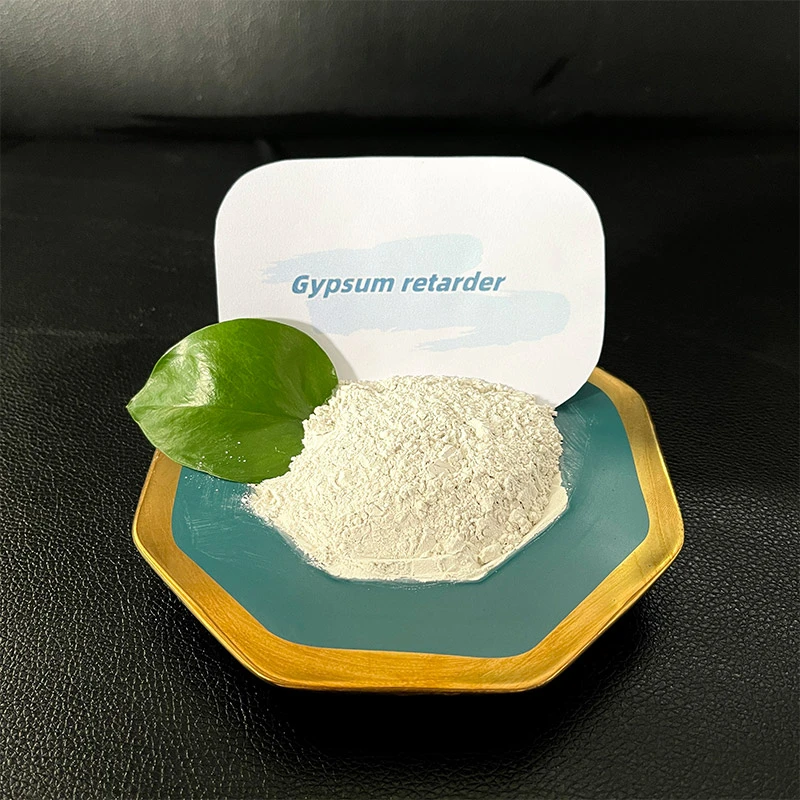
Sri Lanka's construction sector faces unique challenges due to high annual rainfall and coastal salinity. The demand for high-quality gypsum retarder chemical has surged as local manufacturers strive to control setting times in humid conditions, preventing premature hardening of gypsum-based products.

In the rubber-rich economy of the region, there is a growing industrial shift toward integrating waste materials into construction. The exploration of Rubber powder uses in asphalt and concrete modification is becoming a key strategy for enhancing road elasticity and reducing urban noise pollution across Colombo and Kandy.

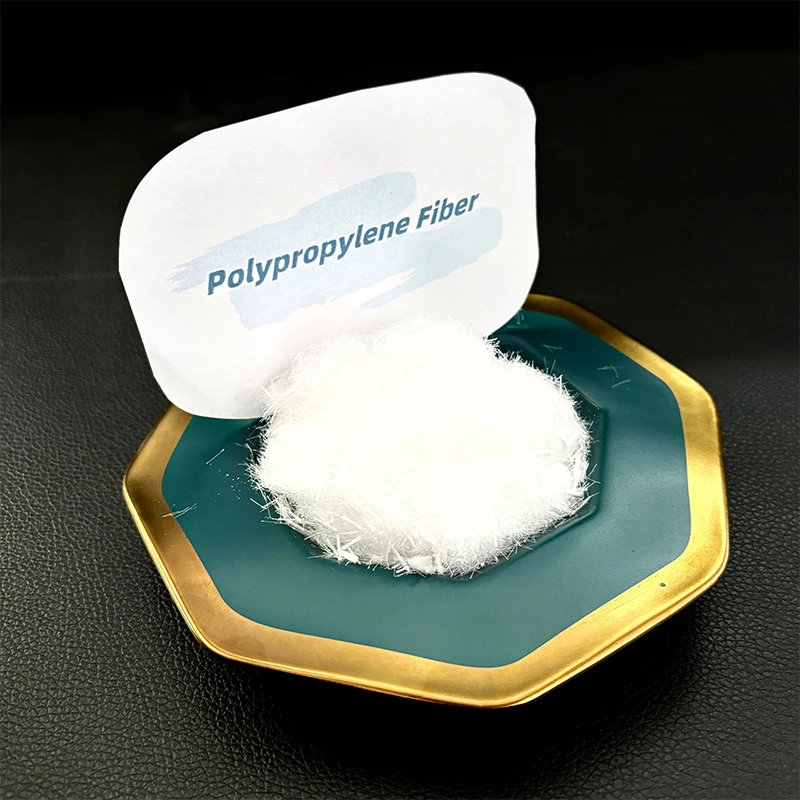
Despite these advancements, the market still struggles with inconsistent additive purity. The adoption of standardized polypropylene fiber is increasing as a remedy for plastic shrinkage cracking, ensuring that infrastructure can withstand the intense thermal expansion caused by the tropical sun.
Evolution and Technological Trajectory

From traditional mineral binders to precision chemical engineering.

Market Development History

Between 1990 and 2010, the Sri Lankan non-metallic mineral industry relied heavily on basic cementitious binders and imported raw gypsum. The process was largely manual, with limited control over the chemical hydration rates of building materials.

From 2011 to 2020, a technical pivot occurred. The introduction of specialized retarders allowed for better logistics in hot climates. This era saw the rise of Rubber powder-821 uses in specialized joint fillers and waterproof coatings, leveraging the local rubber supply chain.

Since 2021, the focus has shifted toward "Green Chemistry" and composite reinforcement. The integration of synthetic fibers and recycled polymers has transformed traditional mortars into high-performance composites capable of resisting seismic micro-movements.

Future Development Trends

Nano-Additive Integration

The next 3 years will see a move toward nano-silica and modified retarders that provide molecular-level control over crystalline growth in gypsum boards.

Circular Economy Materials

Increased utilization of processed waste, where Sample available rubber powder becomes the standard for pilot testing in eco-friendly pavement projects.

Smart Fiber Reinforcement

Transitioning from standard fibers to hybrid-functional fibers that offer both structural tensile strength and thermal insulation properties.

Industry Trends and Future Outlook

Predicting the 2025-2030 roadmap for chemical building materials.

Eco-Polymer Adoption
Shift toward biodegradable polymers and recycled additives to meet global LEED certification standards in Sri Lankan architecture.
Precision Setting Control
Implementation of automated dosing for retarders to eliminate human error in large-scale gypsum casting.
Hybrid Fiber Matrices
Combining synthetic fibers with rubberized powder to create impact-resistant flooring for industrial warehouses.
Climate-Adaptive Chemistry
Development of chemicals that adjust reactivity based on ambient humidity levels common in coastal Sri Lanka.

Industry Outlook

Based on Google Search trends for "sustainable building materials Asia", there is a clear spike in interest regarding waste-to-resource transitions. Sri Lanka is positioned to lead in rubber-based composite additives due to its natural resource advantage.

The convergence of Rubber powder uses and advanced synthetic reinforcement will likely define the next era of urban infrastructure, moving away from rigid, brittle structures toward flexible, resilient materials.

Localized Application Scenarios in Sri Lanka

Real-world implementations of high-performance chemical additives.

1. Coastal Highway Pavement Modification

Using high-grade rubberized additives to improve the fatigue resistance of roads in the Galle and Matara regions, reducing thermal cracking under extreme heat.

2. High-Humidity Gypsum Wallboard Production

Integrating gypsum retarder chemical into factory production lines in Colombo to ensure consistent drying times despite 80%+ humidity.

3. Industrial Warehouse Flooring

Deploying a mix of polypropylene fiber and Rubber powder-821 to create impact-absorbing, crack-free floors for logistics hubs.

4. Seismic-Resistant Residential Plastering

Application of reinforced fiber mortars in hilly areas like Nuwara Eliya to provide better tensile strength against soil shifts and micro-tremors.

5. Eco-Friendly Urban Drainage Systems

Implementing recycled rubber powder composites in pre-cast drainage blocks to reduce material costs while increasing durability against water erosion.

Brand Story

Global Development Journey of Xinji Shengshi Hongbang Trade Co., Ltd.

Foundational Excellence

Established with a vision to bridge the gap between raw mineral extraction and high-end chemical application in the building materials sector.

Technological Breakthrough

Developed proprietary formulations for retarders and fibers that solved the critical issue of material instability in tropical climates.

Strategic Global Expansion

Expanded operations into the Asian market, specifically tailoring chemical solutions for the unique needs of Sri Lankan manufacturers.

Sustainability Commitment

Pioneered the integration of recycled rubber powders into mainstream construction, reducing environmental footprints globally.

Future Industry Leadership

Dedicated to becoming the primary resource for non-metallic mineral chemical additives, focusing on E-E-A-T principles in technical supply.

Comprehensive Product Portfolio for Sri Lanka

Integrated chemical solutions designed for maximum durability and efficiency.

Frequently Asked Questions for the Sri Lankan Market

Technical guidance and commercial support for local chemical builders.

How does gypsum retarder chemical perform in Sri Lanka's high humidity?

Our retarders are specifically engineered to stabilize the hydration process, preventing "flash set" during the high-humidity monsoon seasons in Sri Lanka.

What are the primary Rubber powder uses in road construction?

It is primarily used as a modifier in bitumen to increase elasticity, reduce rutting, and improve the lifespan of asphalt pavements in tropical zones.

What makes Rubber powder-821 uses different from standard rubber powder?

Rubber powder-821 is a refined grade with a specific particle size distribution, optimized for superior bonding in specialized waterproof chemical mortars.

Can polypropylene fiber be used to prevent cracks in coastal concrete?

Yes, these fibers create a three-dimensional reinforcement network that inhibits plastic shrinkage and resists the corrosive effects of salt-laden air.

Is there Sample available rubber powder for pilot testing in Colombo?

Yes, we provide certified samples to Sri Lankan industrial partners to ensure compatibility with local aggregate and binder materials before full-scale procurement.

Which chemical additives are best for Sri Lanka's non-metallic mineral industry?

A combination of high-efficiency retarders and synthetic fibers is recommended to combat the thermal and hygroscopic stresses of the region.

Get Expert Technical Support

Partner with the leaders in chemical building materials for your next project in Sri Lanka.

Contact Us Now

If you are interested in our products, you can choose to leave your information here, and we will be in touch with you shortly.