
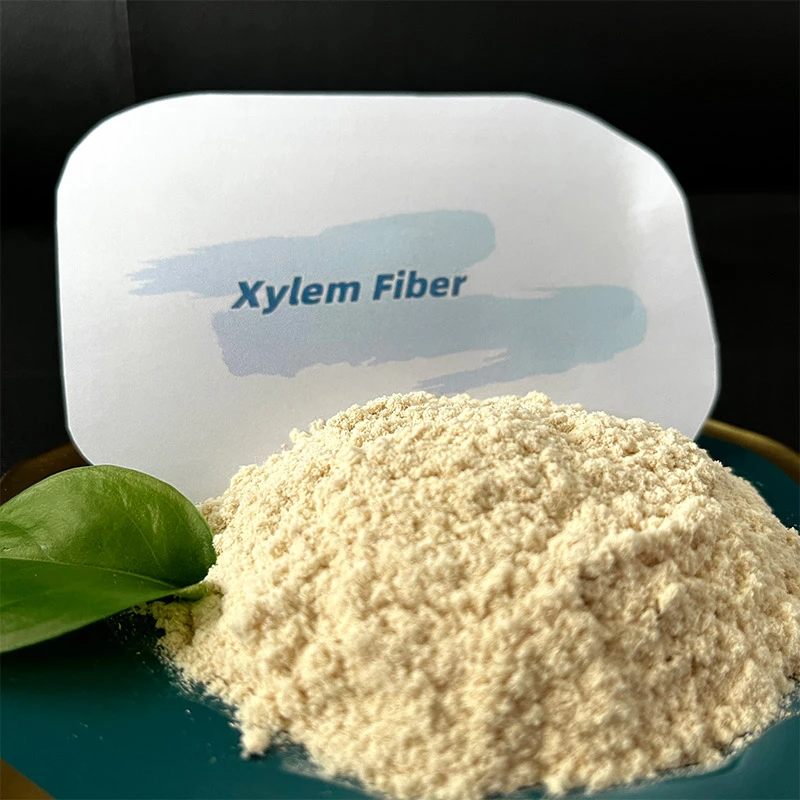
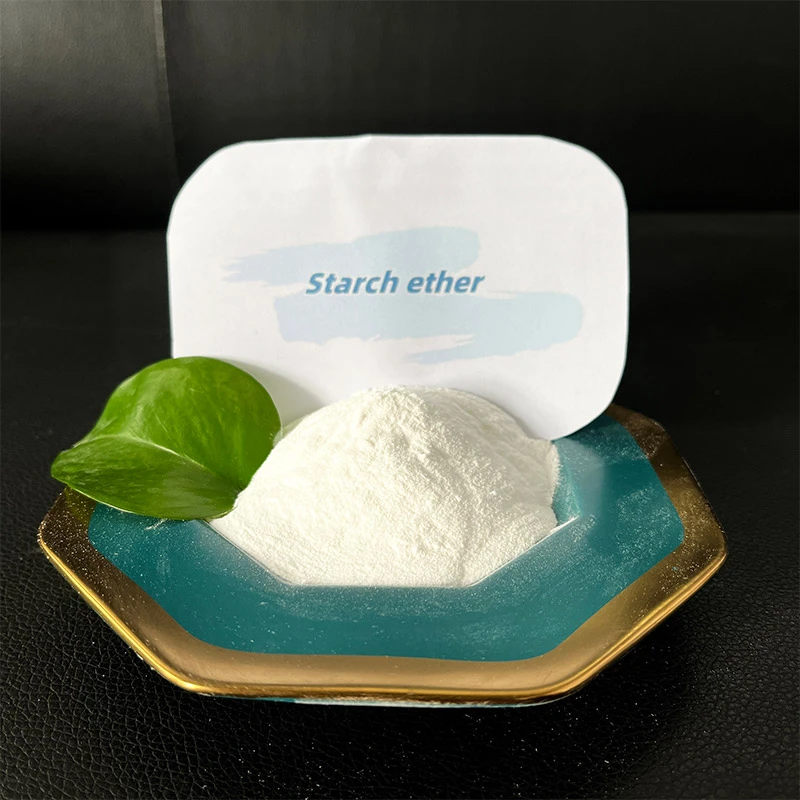
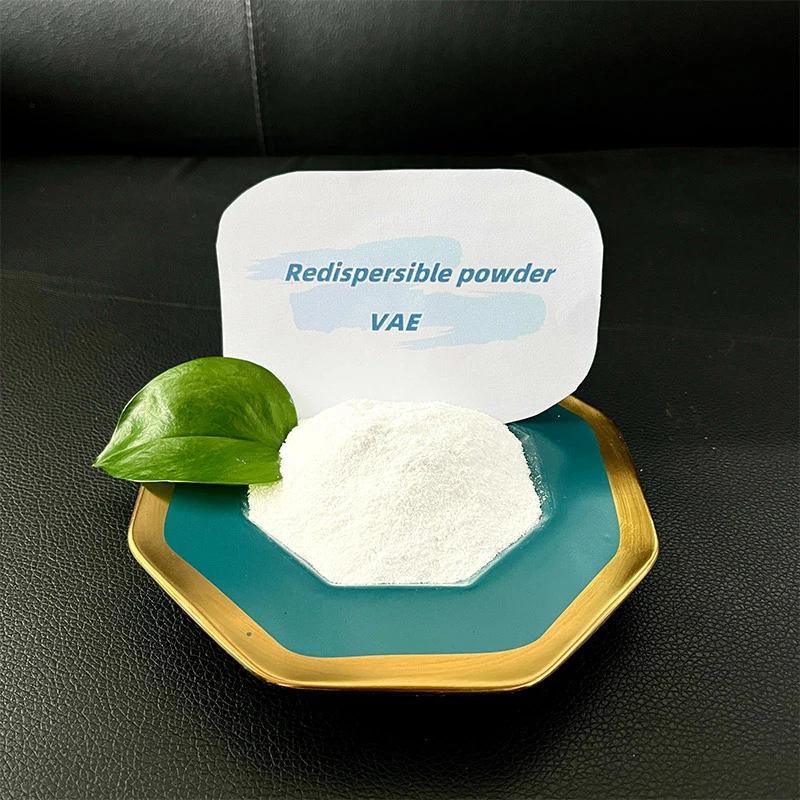
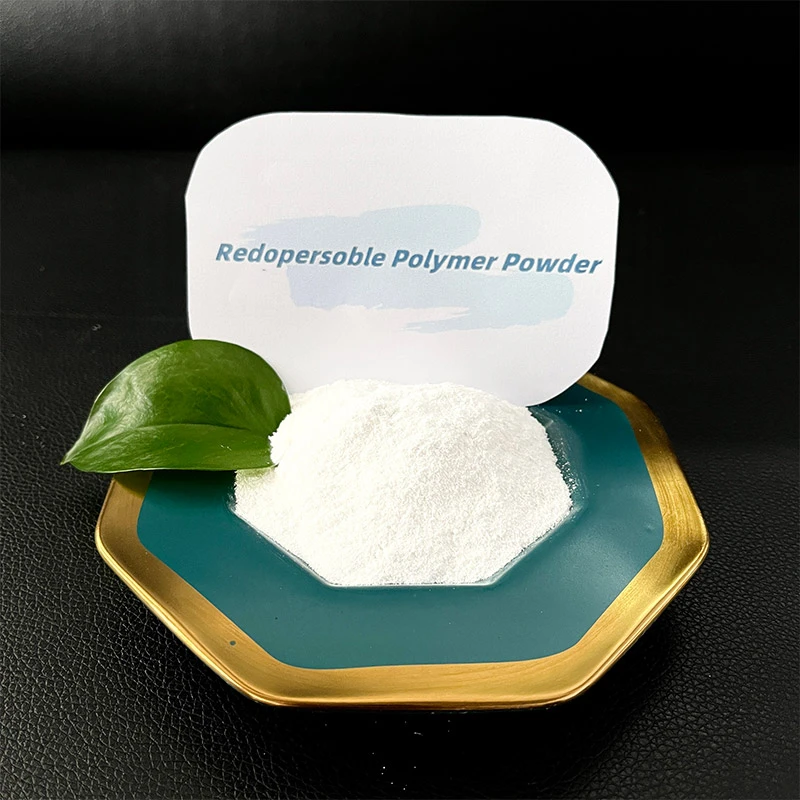
Wecome to HeBei ShengShi HongBang Cellulose Technology CO.,LTD.

  • fff1
  • fff2
  • fff3
  • fff4
  • Group 205.webp1
HeBei ShengShi HongBang Cellulose Technology CO.,LTD.

Advanced Canadian Infrastructure Solutions with polypropylene fiber

High-performance chemical additives and reinforced materials tailored for the rigorous climate and industrial standards of the Canadian construction market.

Advanced Canadian Infrastructure Solutions with polypropylene fiber

Providing the Canadian non-metallic mineral sector with cutting-edge additives and fibers to enhance structural durability and process efficiency in extreme environments.

Chemical Construction Material Landscape in Canada

Analyzing the impact of extreme temperature cycles on additive performance

Canada's unique geography, characterized by severe freeze-thaw cycles in provinces like Ontario and Quebec, places immense stress on chemical construction materials. The demand for a high-quality gypsum retarder chemical is critical here to control setting times in fluctuating temperatures, ensuring that gypsum-based products maintain integrity during the application phase across diverse climatic zones.

Furthermore, the Canadian commitment to sustainability and the "Circular Economy" has accelerated the adoption of recycled components. This shift has highlighted the importance of Rubber powder uses in asphalt and concrete modification, reducing landfill waste while improving the elasticity and crack resistance of road networks facing heavy winter loads.

The current market state is defined by a transition toward high-performance polymers. The integration of synthetic fibers is no longer optional but a standard requirement to prevent plastic shrinkage cracking, making the strategic use of specialized reinforcements essential for the longevity of Canada's industrial and residential infrastructure.
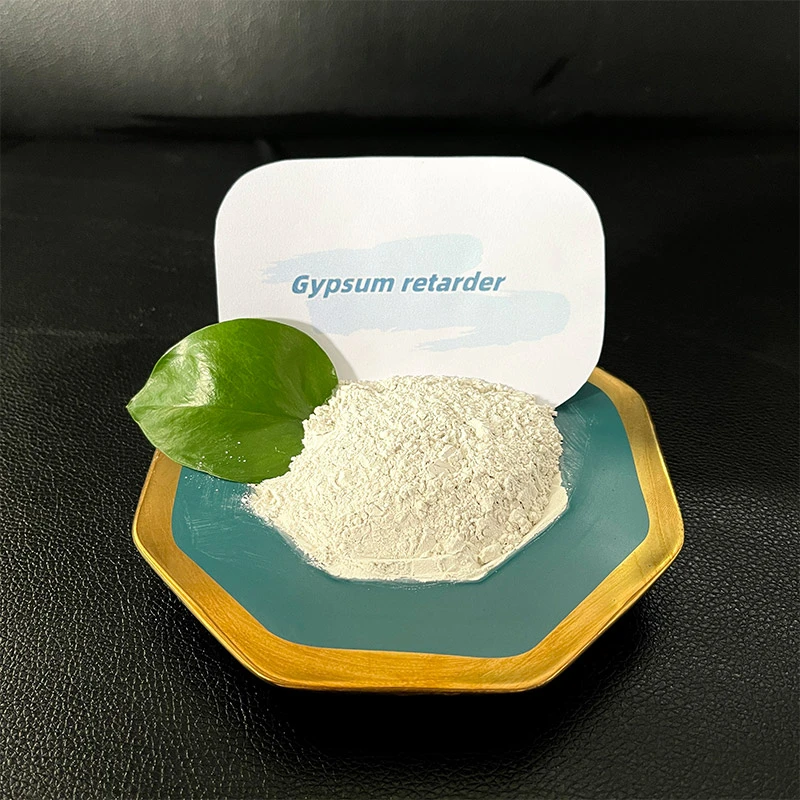
Evolution of Chemical Additives in North American Manufacturing

From basic retarders to precision-engineered synthetic polymers

Market Development History

In the early 2000s, the Canadian chemical construction market relied heavily on generic minerals with limited control over curing times. The introduction of specialized gypsum retarder chemical formulations marked the first major shift, allowing manufacturers to synchronize production with the slower drying rates typical of humid Canadian springs.

Between 2010 and 2018, the focus pivoted toward structural resilience. The industry saw a surge in the exploration of Rubber powder-821 uses, particularly in high-impact flooring and sound-dampening industrial slabs, leveraging the material's superior vibration absorption and toughness.

By 2020, the integration of micro-reinforcements became the gold standard. The widespread adoption of high-tensile synthetic fibers replaced traditional mesh in many applications, reducing labor costs and increasing the seismic resistance of buildings in Western Canada.

Future Development Trends

Nano-Enhanced Setting Control

Future trends indicate a move toward nano-scale additives that allow for "programmable" setting times, optimizing the chemical reaction regardless of the ambient temperature in Northern Canada.

Circular Polymer Integration

The industry is moving toward 100% recycled content in elastic modifiers, where advanced processing will make Rubber powder uses more efficient in high-load structural concrete.

Smart Fiber Networks

We anticipate the rise of conductive fibers that not only provide strength but also allow for structural health monitoring via embedded sensors within the concrete matrix.

Industry Trends and Future Outlook 2025-2030

Driving efficiency through chemistry and sustainable reinforcement

Eco-Friendly Polymerization
Reducing the carbon footprint of chemical binders through bio-based alternatives and recycled polymer additives.
Precision Setting Control
Advanced chemical retarders allowing for exact curing windows in large-scale industrial pours.
Hybrid Reinforcement
Combining synthetic fibers with elastomeric powders for maximum crack resistance and durability.
Digitalized Material Sourcing
Moving toward just-in-time delivery of specialty chemicals with integrated quality certification.

Industry Outlook

Google search trends indicate a significant increase in queries regarding "sustainable building materials Canada," suggesting a pivot toward products that blend efficiency with environmental responsibility. The demand for high-purity additives will grow as building codes become more stringent regarding energy efficiency and structural longevity.

The convergence of chemical engineering and material science will likely lead to "adaptive materials" that can react to thermal stress in real-time, utilizing the synergistic effects of polymers and mineral retarders to prevent failure in extreme Canadian winters.

Localized Application Scenarios in Canada

Real-world implementations of advanced chemical additives

01. High-Rise Residential Projects in Toronto

Utilizing polypropylene fiber to prevent shrinkage cracking in large floor slabs, ensuring long-term structural stability against urban vibrations.

02. Industrial Warehouse Flooring in Alberta

Implementing Rubber powder-821 uses for impact-resistant warehouse floors that can withstand heavy machinery and extreme temperature fluctuations.

03. Gypsum Wallboard Production in Quebec

Applying a precision gypsum retarder chemical to standardize the setting time in mass production lines during high-humidity summer months.

04. Highway Infrastructure in British Columbia

Integrating Rubber powder uses into asphalt binders to create "Quiet Pavements" and increase the elasticity of roads in mountainous regions.

05. Quality Assurance Testing for New Formulations

Offering Sample available rubber powder for Canadian R&D labs to validate mix designs before full-scale deployment in municipal projects.

Brand Story

Global Development Journey of Xinji Shengshi Hongbang Trade Co., Ltd.

Foundation and Vision

Established with a mission to bridge the gap between complex chemical synthesis and practical construction needs in the non-metallic mineral sector.

Technical Innovation

Investing in R&D to perfect the purity of additive chemicals, solving the pain point of inconsistent setting times in industrial gypsum.

Global Expansion

Expanding our reach into the North American market, tailoring products to meet ASTM and Canadian building standards.

Sustainability Commitment

Developing recycled polymer solutions to help our clients achieve LEED certification and reduce environmental impact.

Future Leadership

Striving to be the premier partner for chemical construction materials globally, driven by quality, reliability, and innovation.

Comprehensive Material Portfolio for Canada

Integrated solutions for high-durability construction and mineral manufacturing

Canadian Market FAQ

Expert answers to common technical queries

How does a gypsum retarder chemical affect setting time in cold weather?

It inhibits the crystallization of gypsum, providing a consistent window for placement even when low temperatures naturally slow down the chemical reaction, preventing premature hardening.

What are the most common Rubber powder uses in Canadian road construction?

It is primarily used in rubberized asphalt to increase elasticity, reduce noise pollution, and minimize the formation of thermal cracks during extreme winter freezes.

Why choose Rubber powder-821 uses for industrial flooring?

Rubber powder-821 provides superior compression strength and impact absorption, making it ideal for heavy-duty environments where equipment vibration is a concern.

Can polypropylene fiber be used in all types of concrete mixes?

Yes, it is highly versatile and can be added to almost any mix to reduce plastic shrinkage cracking and increase the overall toughness of the finished structure.

Is there Sample available rubber powder for lab testing?

Yes, we provide samples to qualified manufacturers and engineering firms in Canada to ensure the material meets their specific technical requirements and mix ratios.

How do I optimize the dosage of retarders for Canadian summer humidity?

Dosage should be adjusted based on the ambient temperature and humidity; generally, a slight increase in retarder concentration helps maintain workability during peak summer heat.

Consult Our Material Experts

Get tailored chemical and reinforcement solutions for your infrastructure projects in Canada.

Contact Us Now

If you are interested in our products, you can choose to leave your information here, and we will be in touch with you shortly.