Wecome to HeBei ShengShi HongBang Cellulose Technology CO.,LTD.

  • fff1
  • fff2
  • fff3
  • fff4
  • Group 205.webp1
HeBei ShengShi HongBang Cellulose Technology CO.,LTD.

Advanced Building Material Solutions with polypropylene fiber in Poland

Optimizing the durability and efficiency of non-metallic mineral products for the Polish construction and chemical industry.

Advanced Building Material Solutions with polypropylene fiber in Poland

Integrating high-performance chemical additives and reinforced fibers to meet the rigorous standards of Central European construction projects.

Current Landscape of Chemical Building Materials in Poland

Analyzing the intersection of industrial demand and climatic challenges in the Polish market.

Poland's construction sector is currently characterized by a rapid shift towards energy-efficient building envelopes and sustainable infrastructure. The local climate, featuring significant temperature fluctuations between humid summers and freezing winters, necessitates the use of a high-quality gypsum retarder chemical to ensure precise setting times and structural integrity in gypsum-based wallboards and plasters.

The industrial transition in the Masovian and Silesian regions has led to a surge in the demand for recycled additives. Consequently, understanding various Rubber powder uses has become critical for local manufacturers aiming to reduce carbon footprints while enhancing the elasticity and thermal insulation of asphalt and concrete mixtures.

Furthermore, the Polish market is increasingly adopting specialized modifiers like Rubber powder-821 uses to combat the freeze-thaw cycles prevalent in the region, ensuring that industrial flooring and road surfaces remain crack-free throughout the harsh winter seasons.
Evolution and Technical Trajectory of Polish Mineral Products

From traditional mortar to smart, reinforced chemical composites.

Market Development History

Between 1990 and 2010, the Polish non-metallic mineral industry relied heavily on traditional cementitious binders and basic gypsum products. The focus was primarily on volume and basic stability, with limited use of chemical additives for precision control.

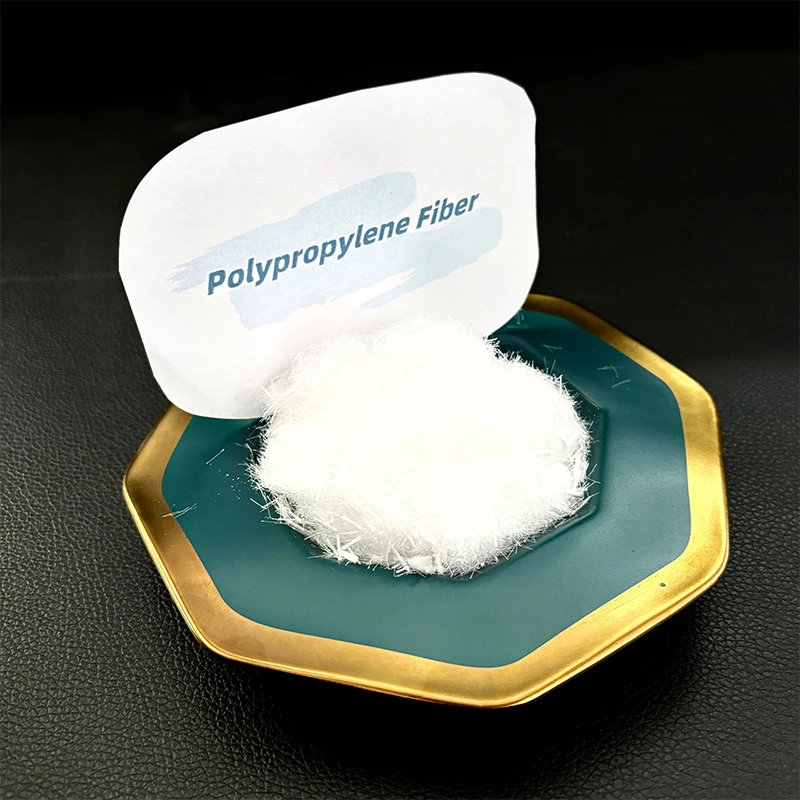
From 2011 to 2020, the "Green Building" wave hit Central Europe, prompting the integration of synthetic reinforcements. This period saw the widespread adoption of polypropylene fiber to minimize shrinkage cracks and improve the impact resistance of precast concrete elements.

Since 2021, the focus has shifted toward circular economy models. Manufacturers are now integrating high-grade recycled polymers and specialized retarders to optimize production cycles and reduce material waste in accordance with EU environmental directives.

Future Development Trends

Nano-Modified Gypsum Systems

The next 3 years will see a transition toward nano-scale gypsum retarder chemical applications, allowing for "smart" setting times that adapt to real-time humidity and temperature changes on Polish job sites.

Advanced Elastomeric Composites

There is a growing trend toward the hybrid use of rubberized powders. The versatility of Rubber powder-821 uses will expand into acoustic insulation panels for urban residential developments in Warsaw and Krakow.

Sustainable Fiber Reinforcement

The industry is moving toward bio-based and recycled polypropylene blends, focusing on reducing the embodied carbon of reinforced mortars without compromising tensile strength.

Industry Outlook and Strategic Forecast for Poland

Projecting the trajectory of chemical building materials through 2028.

Eco-Circular Materiality
Scaling the industrial adoption of recycled crumbs and rubberized additives to align with EU Green Deal goals.
Precision Chemical Tuning
Advanced control of hydration rates using high-purity retarders for large-scale infrastructure projects.
Fiber-Reinforced Stability
Increasing use of polypropylene fiber to prevent micro-cracking in prefabricated housing modules.
Smart Material Sourcing
Transition toward requesting "Sample available rubber powder" for localized pilot testing before mass adoption.

Industry Outlook

Based on Google search trends in Europe, there is a growing intent toward "sustainable building additives" and "carbon-neutral concrete." In Poland, this translates to a demand for products that reduce the reliance on virgin raw materials while increasing the life-cycle of the structure.

We predict that the integration of chemical retarders and recycled polymer powders will become the industry standard for all public infrastructure tenders in Poland by 2027, driven by stringent EU environmental certification requirements.

Local Application Scenarios in Poland

Real-world implementation of chemical building materials across diverse Polish environments.

1. Urban Infrastructure in Warsaw

Implementing Rubber powder uses in the development of noise-reducing asphalt for metropolitan highways to improve urban livability.

2. Residential Precast Housing in Poznań

Integrating polypropylene fiber into precast concrete wall panels to ensure structural stability during rapid winter construction cycles.

3. Industrial Plastering in Silesia

Utilizing a high-precision gypsum retarder chemical for large-scale industrial warehouse interiors to maintain workability in high-temperature production environments.

4. Specialized Flooring in Gdańsk

Applying Rubber powder-821 uses in moisture-resistant industrial flooring for port facilities, enhancing slip resistance and durability against salt corrosion.

5. Pilot Testing for Local SMEs

Providing Sample available rubber powder to small-scale chemical manufacturers in Poland for the R&D of new eco-friendly mortar additives.

Brand Story

Global Development History of Xinji Shengshi Hongbang Trade Co., Ltd.

Foundation and Vision

Established as a specialist in chemical additives, our mission was to bridge the gap between raw mineral extraction and high-performance building material applications.

Technical Innovation

We focused on perfecting the molecular stability of retarders and the micronization of rubber powders to meet the exacting needs of the European construction market.

European Expansion

Entering the Polish market, we tailored our product portfolio to address the specific challenges of Central European climates, focusing on freeze-thaw resilience.

Sustainability Milestone

We transitioned our production lines to support the circular economy, promoting the use of recycled polypropylene and rubber composites globally.

Global Leadership

Today, we stand as a trusted partner for non-metallic mineral manufacturers, providing integrated chemical solutions from sample testing to mass supply.

Comprehensive Product Portfolio for the Polish Market

High-performance additives and fibers engineered for Polish industrial standards.

Frequently Asked Questions - Poland Region

Expert answers to common technical queries regarding chemical building materials.

How does a gypsum retarder chemical affect setting times in Polish winter conditions?

In cold weather, the hydration process slows down; our retarders allow for precise control, ensuring that the gypsum doesn't set too quickly during transport or too slowly during application in unheated Polish sites.

What are the most common Rubber powder uses in the Polish road construction industry?

It is primarily used as a modifier in bitumen for "rubberized asphalt," which increases the elasticity of roads, reduces noise pollution, and significantly minimizes cracks caused by thermal expansion.

Can Rubber powder-821 uses be applied to acoustic insulation for residential buildings?

Yes, the specific grade of Rubber powder-821 is ideal for creating vibration-damping layers and acoustic underlays in multi-story apartment complexes common in Polish cities.

Why is polypropylene fiber essential for precast concrete elements in Poland?

Polypropylene fiber provides critical three-dimensional reinforcement that prevents plastic shrinkage cracking during the curing process, which is vital for maintaining structural integrity in Poland's varying humidity.

How can I request Sample available rubber powder for a local pilot project?

Customers can contact our regional sales team via the website to request technical samples tailored to their specific application, whether for concrete, asphalt, or chemical composites.

Are these chemical additives compliant with EU and Polish environmental regulations?

Absolutely. All our products, including our retarders and fibers, are manufactured to meet REACH and other relevant EU standards to ensure safety and sustainability in the Polish market.

Ready to Optimize Your Construction Chemistry?

Partner with the leading expert in non-metallic mineral additives. We provide localized technical support and high-performance materials throughout Poland.

Contact Us Now

If you are interested in our products, you can choose to leave your information here, and we will be in touch with you shortly.