Wecome to HeBei ShengShi HongBang Cellulose Technology CO.,LTD.

  • fff1
  • fff2
  • fff3
  • fff4
  • Group 205.webp1
HeBei ShengShi HongBang Cellulose Technology CO.,LTD.

Advanced Building Material Solutions with polypropylene fiber for US Infrastructure

Integrating high-performance chemical additives and recycled elastomers to enhance the structural integrity and sustainability of North American construction projects.

Advanced Building Material Solutions with polypropylene fiber for US Infrastructure

Our comprehensive range of chemical construction additives and reinforcements is engineered to meet the rigorous ASTM standards and the diverse climatic demands of the United States market.

The State of Chemical Construction Materials in the United States

Analyzing the intersection of regulatory compliance and material innovation in North American manufacturing.

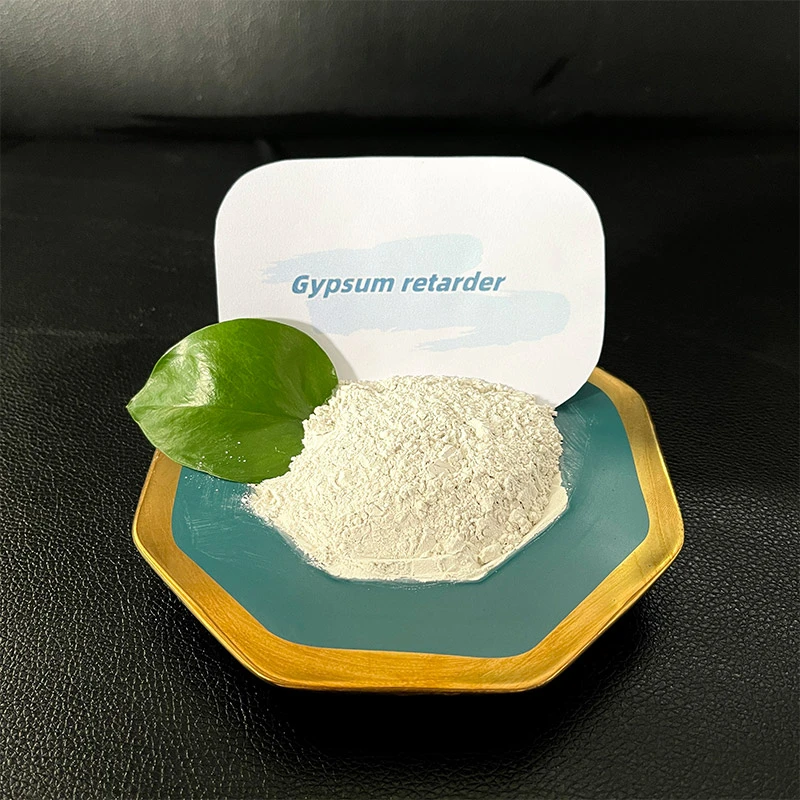
The US construction industry is currently facing a critical transition toward "Green Building" standards. In regions like the Northeast and Midwest, the demand for high-performance gypsum retarder chemical has surged as builders seek to optimize setting times for large-scale drywall and plastering projects amidst fluctuating humidity levels.

Simultaneously, the push for circular economy initiatives has transformed how manufacturers view waste. The industrial adoption of Rubber powder uses has evolved from simple filler applications to sophisticated modifications in asphalt and concrete, reducing the environmental footprint of highway expansions across the Sun Belt.

Economic pressures in the North American market are driving a shift toward prefabricated components. This trend necessitates the use of precision-engineered additives that ensure consistency, durability, and rapid deployment, moving away from traditional, labor-intensive onsite mixing toward chemically optimized ready-mix solutions.
Evolution and Trajectory of Non-Metallic Mineral Manufacturing

From basic mineral fillers to molecularly engineered performance enhancers.

Market Development History

In the early 2000s, the US market relied heavily on standard mineral aggregates and basic retarders. The focus was primarily on bulk strength, with minimal regard for the microscopic interaction between chemical agents and the gypsum matrix.

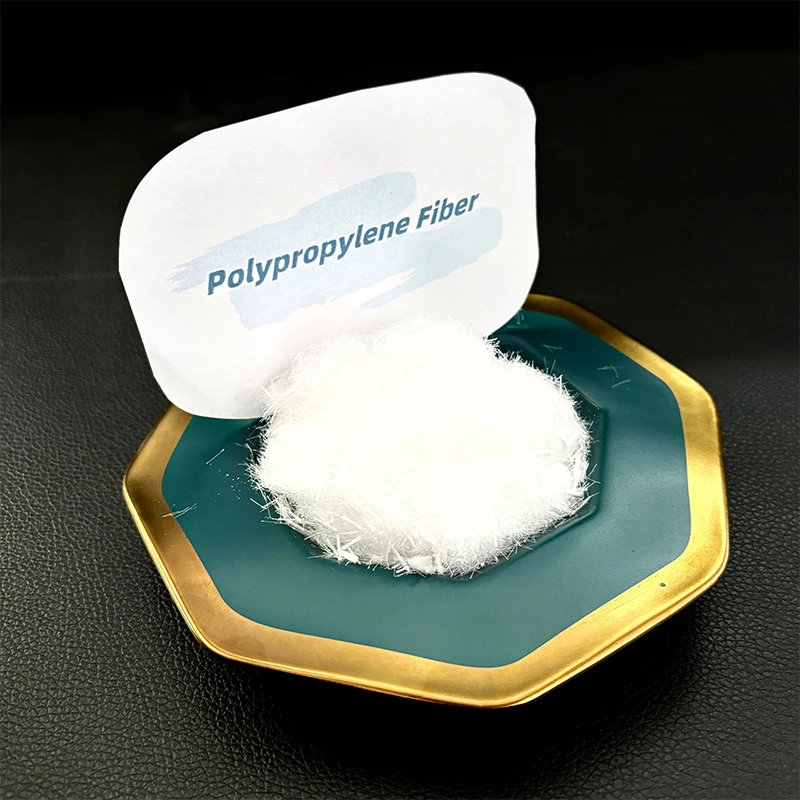
Between 2010 and 2020, the industry experienced a "Polymer Revolution." The introduction of synthetic reinforcements like polypropylene fiber shifted the paradigm, allowing for the reduction of traditional steel mesh in non-structural slabs and preventing shrinkage cracks.

The current era is defined by "Specialized Recycling." The development of high-purity grades, such as Rubber powder-821 uses, has allowed for precise control over the elasticity and impact resistance of industrial flooring and athletic surfaces across US metropolitan areas.

Future Development Trends

Smart Retardation Systems

Next-generation chemicals will integrate temperature-responsive triggers, allowing for autonomous setting time adjustments based on real-time US weather data.

Carbon-Negative Fillers

We anticipate a transition toward bio-based mineral substitutes that sequester carbon, aligning with the US government's net-zero infrastructure goals by 2050.

Nano-Reinforcement Integration

The evolution of fiber technology will move toward nano-scale polymers, providing unprecedented tensile strength without compromising the flowability of the chemical mix.

Industry Outlook and Strategic Forecast

Navigating the future of chemical additives through data-driven innovation.

Sustainable Recycled Polymers
Increasing integration of recycled rubber and plastics into primary building materials to meet LEED certifications.
Precision Chemical Dosing
Shift toward automated delivery systems for additives to ensure zero-waste and perfect mix ratios.
Rapid-Set Infrastructure
Demand for advanced retarders that allow for rapid curing in extreme US climates without losing structural integrity.
Hybrid Fiber Reinforcement
Combining organic and synthetic fibers to create multi-layered resilience in commercial pavement.

Industry Outlook

Based on Google search trends for "sustainable construction chemicals" in the US, there is a clear trajectory toward materials that reduce the carbon footprint. We expect a 15% annual growth in the adoption of recycled rubber powders for municipal road projects over the next three years.

Furthermore, the integration of AI in material science will allow US manufacturers to customize the molecular structure of their additives, ensuring that a Sample available rubber powder can be precisely tuned to the specific aggregate chemistry of a local quarry.

Localized Application Scenarios in the US Market

Practical implementations of chemical additives in diverse North American environments.

01. High-Rise Residential Drywalling (New York City)

Using high-precision gypsum retarder chemical to manage the vertical transport and application of plaster in skyscraper construction, ensuring consistent setting times across different floor temperatures.

02. Sustainable Highway Paving (California)

Implementing varied Rubber powder uses in "Rubberized Asphalt Concrete" to reduce tire-pavement noise and increase the lifespan of highways in high-traffic coastal corridors.

03. Industrial Warehouse Flooring (Texas)

Integrating polypropylene fiber into heavy-duty concrete slabs to prevent shrinkage cracks and enhance the load-bearing capacity for large logistics hubs.

04. Specialized Athletic Tracks (Florida)

Leveraging Rubber powder-821 uses to create high-elasticity, UV-resistant running tracks that withstand the intense humidity and heat of the Southeast.

05. Municipal Waste-to-Resource Pilot (Ohio)

Testing Sample available rubber powder in local park pathways to demonstrate the viability of recycling end-of-life tires into community infrastructure.

Brand Story

The Global Development Journey of Xinjishishi Shengshi Hongbang Trade Co., Ltd.

Foundational Excellence

Established with a vision to stabilize the supply chain of non-metallic mineral products, we began by mastering the purity of chemical additives for the domestic market.

Technological Leap

We invested in R&D to bridge the gap between raw mineral processing and high-end chemical engineering, introducing advanced polymer fibers to the portfolio.

Global Expansion

Expanding into the North American market, we adapted our product specifications to meet ASTM standards, ensuring our chemicals perform in diverse US climates.

Sustainability Commitment

We pivoted toward the circular economy, developing high-grade recycled rubber powders to help our global partners achieve zero-waste goals.

Future Vision

Today, we stand as a leading provider of chemical building materials, dedicated to solving the durability and environmental challenges of modern urbanism.

Comprehensive Chemical Construction Portfolio for the United States

A curated selection of high-performance additives and reinforcements designed for the US architectural and industrial landscape.

US Market Frequently Asked Questions

Expert answers to the most common technical inquiries regarding chemical building materials.

How does gypsum retarder chemical impact the setting time in humid US coastal regions?

In high-humidity areas like Florida or Louisiana, our retarders prevent premature flash-setting, extending the workable window and ensuring a smoother finish for gypsum-based products.

What are the primary Rubber powder uses in US sustainable road construction?

Rubber powder is primarily used as a modifier in asphalt (Rubberized Asphalt), which improves rutting resistance and reduces the frequency of potholes in extreme freeze-thaw cycles.

Can polypropylene fiber replace traditional steel mesh in US residential slabs?

Yes, in non-structural applications, polypropylene fibers provide excellent secondary reinforcement that controls plastic shrinkage cracking more effectively than traditional mesh.

What distinguishes Rubber powder-821 uses from standard recycled crumb rubber?

The 821 grade is processed for higher purity and a more consistent particle size distribution, making it ideal for precision industrial molds and high-performance elastomers.

How can I request a Sample available rubber powder for laboratory testing?

Qualified US manufacturers can request samples through our official contact portal to verify the material's compatibility with their specific mix designs.

Are these chemical additives compliant with US EPA environmental regulations?

Absolutely. Our products are formulated to meet strict environmental safety standards, ensuring that recycled components are free from hazardous contaminants.

Request Technical Support

Get in touch with our engineering team for customized additive solutions tailored for the United States market.

Contact Us Now

If you are interested in our products, you can choose to leave your information here, and we will be in touch with you shortly.