

Reliable HPMC Capsule Supplier for Industrial Cellulose Ethers
Selecting a reliable chemical additive partner is critical for manufacturers who require precise rheological control and bonding stability in their formulations. Hydroxypropyl Methylcellulose (HPMC) serves as a cornerstone in various industrial applications, providing essential thickening, water retention, and binding properties. For procurement managers in the construction and chemical sectors, the challenge lies in finding a source that balances consistent batch-to-batch quality with advanced manufacturing processes. This guide explores the technical role of cellulose ethers and how industrial-grade HPMC enhances the performance of mortars, adhesives, and coatings, ensuring that end-products meet rigorous international standards for durability and workability.

The Technical Role of HPMC in Modern Chemical Construction Materials
Hydroxypropyl Methylcellulose is a non-ionic cellulose ether derived from natural polymer materials. Its primary function in chemical construction is to act as a water-retaining agent and thickener. By forming a protective film around cement particles, HPMC prevents the rapid evaporation of water, which is essential for the complete hydration of cement. This process directly reduces the risk of shrinkage cracks and significantly improves the open time of the material, allowing workers more flexibility during application.
Beyond water retention, the chemical structure of HPMC provides critical lubrication. In mechanical construction, this translates to better fluidity and easier plastering. When integrated into decorative materials, it ensures that the coating remains bright and fine without powdering. The ability to customize viscosity—ranging from 1 to 200,000 mPa.s—allows manufacturers to tailor the product for specific needs, whether it is a highly fluid self-leveling compound or a thick, non-drip tile adhesive.

Key Performance Advantages for Industrial Applications
The integration of high-purity cellulose ethers provides several tangible benefits to the final construction project. One of the most critical is the improvement of bonding strength. By enhancing the adhesion between the substrate and the mortar, HPMC reduces the reliance on excessive cement while maintaining high structural integrity. This is particularly vital for the installation of ceramic tiles and marble, where hollowing or detachment can lead to costly failures.
- Enhanced Flexibility: Increases the resistance of mortars to cracking and deformation under thermal stress.
- Weather Resistance: Improves water resistance and freeze-thaw stability, extending the lifespan of exterior wall systems.
- Workability: Optimizes the slip-resistance of wall-applied materials, ensuring the product stays in place without dripping.
- Compatibility: High dry powder compatibility with cement and redispersible polymer powders for stable, consistent batches.
For manufacturers, the stability of these properties is paramount. Utilizing a "one-step production process" ensures that every batch maintains the same chemical purity and viscosity, eliminating the risks associated with traditional adulteration and ensuring that the product's performance remains predictable across different climates and substrates.
Application Scenarios and Material Requirements
Different construction scenarios demand different chemical behaviors from HPMC. In Tile Adhesives, the focus is on sag resistance and preventing detachment. The additive must provide enough "tack" to hold heavy tiles against vertical surfaces while ensuring the bond remains waterproof. Conversely, in Interior and Exterior Wall Putty, the priority shifts toward adhesion and ease of sanding. The goal is a smooth finish that resists powdering and provides a stable base for painting.
In specialized applications such as Exterior Wall Thermal Insulation Mortar, the material must accommodate the expansion and contraction of insulation boards. Here, the flexibility provided by HPMC prevents aging-related cracks and maintains the overall stability of the thermal system. For Self-Leveling Mortar, the additive minimizes shrinkage and increases abrasion resistance, ensuring a perfectly flat and hard-wearing floor surface.
Finally, in repair and waterproof mortars, HPMC enhances the material's ability to accommodate minor deformations in the substrate, creating a durable seal that prevents water ingress. This versatility makes it an indispensable component across the entire spectrum of chemical building materials.
Technical Specifications and Performance Metrics
| Test Item | Company Standard | Test Result | Industrial Impact |
|---|---|---|---|
| Appearance | White/Yellowish Powder | Meet Standard | Ensures color neutrality in putty |
| Non-volatile Matter | ≥98% | 99.1% | Higher active content for efficiency |
| Burning Residue | 12±2% | 12.3% | Indicates chemical purity levels |
| PH Value | 5—9 | 7.5 | Neutrality prevents substrate corrosion |
| Film Forming Temp | 0℃ -- 5℃ | 4℃ | Determines cold-weather application |
Evaluating Supplier Capabilities and Quality Assurance
When auditing a potential hpmc capsule supplier or industrial cellulose manufacturer, procurement teams should look beyond the price per ton. The most critical factor is the consistency of the product. Many low-cost suppliers struggle with "batch-to-batch variation," where the viscosity of one shipment differs from the next, forcing the end-user to constantly adjust their formulation. A professional manufacturer utilizes advanced testing equipment and a continuous production cycle to ensure that quality remains stable throughout the year.
Manufacturing infrastructure also plays a key role. The adoption of German horizontal kettle technology represents a shift toward high-precision production. This "one-step" process minimizes human error and contamination, resulting in a higher product quality rate. Furthermore, the ability to offer customized viscosities and one-stop service—from production to after-sales technical support—distinguishes a strategic partner from a simple commodity vendor.
Reliability is also measured by the supplier's export experience. Companies that have successfully served over 30 countries understand the diverse regulatory requirements and logistical challenges of international shipping. This experience ensures that packaging is optimized for long-distance transit (e.g., 25kg moisture-proof bags) and that documentation complies with global trade standards.
Procurement Strategies for Cellulose Ethers
Efficient procurement of HPMC requires a deep understanding of the relationship between viscosity and application. Buyers should not simply request "standard HPMC" but should specify the required viscosity range (e.g., 10,000 to 100,000 mPa.s) based on their specific mortar or paint formulation. For cosmetics or high-end coatings, "instant" grade HPMC may be required to ensure rapid dissolution and a lump-free texture.
It is also recommended to establish a quality verification protocol. This includes testing for packing density (typically around 550±50 kg/m³) and checking the film-forming temperature to ensure the product performs under the local climate of the construction site. By focusing on technical parameters rather than just price, buyers can avoid the hidden costs of product failure, such as material detachment or structural cracking.
Finally, consider the logistics of scale. With production capacities reaching 80-100 tons per day, large-scale manufacturers can guarantee a steady supply chain even during peak construction seasons. Ensuring that the supplier has a strategic location near major ports and transport hubs reduces lead times and shipping costs, providing a competitive advantage in the fast-paced building materials market.
Frequently Asked Questions About HPMC
What is the main function of HPMC in tile adhesives?
In tile adhesives, HPMC primarily improves water retention and open time. It prevents the adhesive from drying too quickly, which ensures a stronger bond between the tile and the substrate and prevents "sagging" or slipping of the tiles on vertical walls.
How does viscosity affect the performance of the final product?
Viscosity determines the thickness and flow of the material. High-viscosity HPMC is typically used for products that require high stability and thickness, while lower viscosity is used for materials that need to be more fluid, such as certain self-leveling compounds.
Can HPMC be customized for specific industrial needs?
Yes, professional manufacturers can customize viscosity and purity levels. Customization is often necessary to match the specific chemical requirements of a client's proprietary mortar or paint formula to ensure optimal compatibility.
What are the storage requirements for HPMC powder?
HPMC should be stored in a dry, well-ventilated area, sheltered from direct sunlight and moisture. During transportation, it must be protected from rain and humidity to prevent caking and maintain its chemical stability.
Why is batch-to-batch consistency important for HPMC?
Consistency ensures that the end-user does not have to change their mixing ratios or formulations every time they receive a new shipment. Inconsistent quality can lead to variations in bonding strength or workability, potentially causing construction failures.
Is HPMC compatible with other additives like RDP?
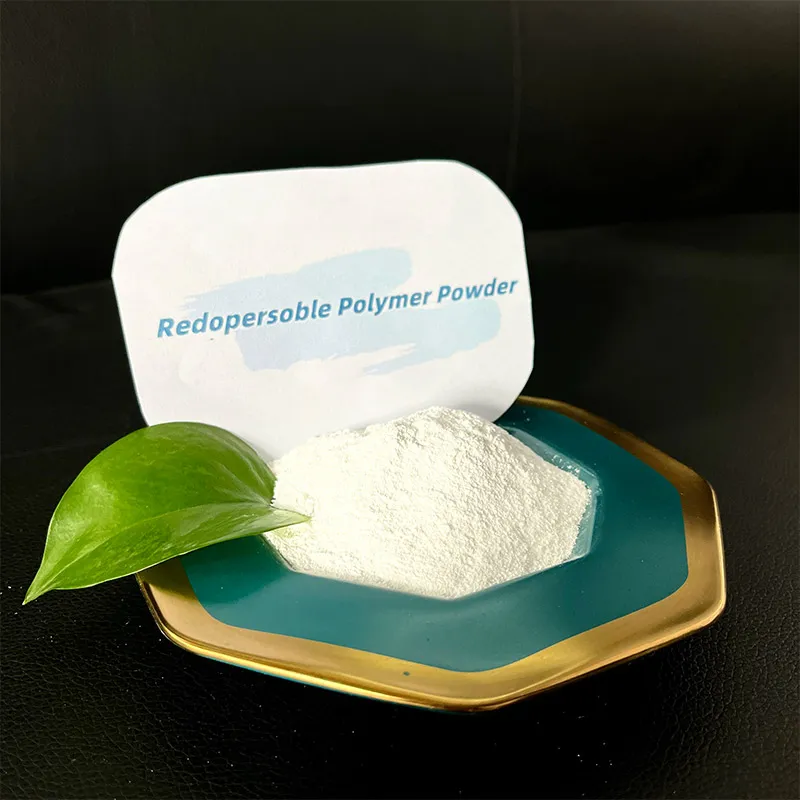
Yes, HPMC is highly compatible with Redispersible Polymer Powders (RDP). Together, they provide a synergistic effect, combining the water retention and thickening of HPMC with the flexibility and adhesion of RDP.
Technical References and Industry Resources
- Research on Cellulose Ethers in Construction
- International Standards for Chemical Building Materials
- ASTM Standards for Mortar and Adhesive Testing
- Global Trends in Cellulose Derivative Manufacturing
For companies seeking a technical partner in cellulose technology, prioritizing manufacturing precision and consistency is the most effective way to ensure long-term product success. We invite you to contact our technical team for customized HPMC solutions tailored to your specific industrial application.
Related Industry Insights